A Look at the Popular Dumpy Tree Frog
The dumpy tree frog, scientifically known as Pelodryas cerulean, and often called White’s tree frog or the Australian green tree frog, remains a highly sought-after amphibian pet as of July 2026. Their docile nature, striking appearance with large, expressive eyes, and relatively straightforward care requirements make them an excellent choice for both novice and experienced keepers. Understanding their specific needs is crucial for ensuring a long and healthy life for these fascinating creatures.
Last updated: July 23, 2026
Key Takeaways
- Dumpy tree frogs require a humid terrarium with ample vertical space and climbing opportunities.
- Their diet should consist primarily of appropriately sized insects, supplemented with calcium and vitamin D3.
- Maintaining stable temperature (20-25°C) and high humidity (50-70%) is vital for their health.
- These frogs are nocturnal and can live for 15–20 years in captivity with proper care.
- While generally docile, their skin secretions can cause mild irritation, so handling should be minimal and hygienic.
Understanding the Dumpy Tree Frog
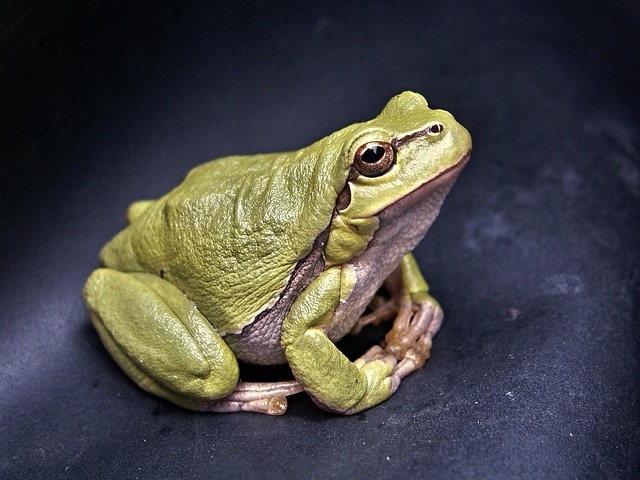
Originating from Australia and New Guinea, dumpy tree frogs are adapted to arboreal life, meaning they spend most of their time in trees and vegetation. In their natural habitat, they are often found in damp, tropical environments, including rainforests and even urban areas where they may inhabit plumbing or window sills. Their distinctive appearance includes waxy skin, which helps them retain moisture, and large toe pads for excellent climbing abilities. Coloration can range from bright green to brown, often with white or gold spots along their sides.
One of the most fascinating aspects of the dumpy tree frog is its skin secretions. While not overtly toxic like some amphibians, these secretions can cause a mild burning sensation or allergic reaction in humans, particularly if it comes into contact with eyes or mucous membranes. For this reason, it’s important to wash your hands thoroughly before and after handling them, and to avoid touching your face.
Creating the Ideal Dumpy Tree Frog Habitat
Setting up a suitable enclosure is paramount for the well-being of your dumpy tree frog. These are arboreal frogs, so vertical space is more important than floor space. A minimum tank size of 10 gallons (38 litres) for a single adult is often cited, but a larger 20-gallon (76 litres) tank provides more room for exploration and enrichment, especially if housing multiple frogs. Glass terrariums with secure, mesh lids are ideal as they allow for good ventilation while maintaining humidity.
Decorate the terrarium with plenty of climbing branches, sturdy artificial or live plants (like Pothos or Bromeliads, ensuring they are non-toxic), and cork bark. These elements provide hiding places and surfaces for the frogs to perch on. A substrate that holds moisture well is essential; coconut fiber (coir), sphagnum moss, or a reptile-specific soil mix are good choices. Avoid gravel or sharp substrates that could be ingested or injure the frog. Ensure the substrate is at least 2–3 inches deep to allow for burrowing behaviour.
Environmental Controls: Temperature and Humidity
Maintaining the correct temperature and humidity is critical. Dumpy tree frogs thrive in temperatures between 20-25°C (68-77°F). Avoid placing the terrarium in direct sunlight, which can cause overheating. A small, low-wattage heat mat on the side or back of the tank, controlled by a thermostat, can provide gentle warmth if your room temperature consistently falls below this range. A thermometer is essential to monitor the ambient temperature.
Humidity levels should be maintained between 50-70%. Misting the enclosure once or twice daily with dechlorinated water will help achieve this. A hygrometer is recommended to accurately measure humidity. Good ventilation is also key to prevent stagnant air and the growth of harmful mold or bacteria; the mesh lid usually provides sufficient airflow, but ensure it’s not completely covered.
Feeding Your Dumpy Tree Frog
Dumpy tree frogs are insectivores. Their diet should consist of live insects that are appropriately sized for the frog – no larger than the space between its eyes. Staple food items include crickets, Dubai roaches, and mealworms. It’s crucial to ‘gut-load’ these insects before feeding them to your frog. This means feeding the insects a nutritious diet for 24–48 hours prior to offering them to your frog. This ensures the frog receives essential nutrients.
Supplementation is vital for amphibian health. Dusting the insects with a calcium powder (containing Vitamin D3) should be done for most feedings for juveniles, and at least 3–4 times per week for adults. A multivitamin supplement, without D3, can be used once a week. Over-supplementation can be harmful, so follow product instructions carefully. Avoid feeding wild-caught insects, as they may carry pesticides or parasites.
Social Behaviour and Handling Considerations
Dumpy tree frogs are known for being relatively docile and can often be housed in groups, provided the enclosure is large enough and sex-ratios are managed to prevent aggression, especially between males. Females are generally larger than males. Introducing new frogs should be done with caution, observing for any signs of stress or conflict. A common recommendation is to house one male with multiple females, or to house females together if you prefer not to breed.
Regarding handling, it’s best to minimise it. While dumpy tree frogs are tolerant and don’t typically bite, their skin is sensitive and can be easily damaged by the oils and residues on human hands. If handling is necessary for maintenance or health checks, ensure your hands are thoroughly washed with an unscented soap and rinsed completely. Alternatively, use damp, disposable gloves. Always support the frog’s body fully and avoid squeezing. After handling, wash your hands again immediately.
Common Health Issues and Prevention
The primary health concerns for dumpy tree frogs revolve around maintaining their environment and diet. Metabolic Bone Disease (MBD), caused by a lack of calcium and Vitamin D3, is a significant risk if supplements are not used correctly. Symptoms include lethargy, weak limbs, and spinal deformities. Ensuring proper supplementation, as outlined by veterinary herpetologists, is key to prevention.
Skin infections can occur if humidity levels are too high without adequate ventilation, leading to fungal or bacterial growth. Red leg syndrome, a serious condition characterized by red streaks on the legs and abdomen, often indicates a bacterial infection and requires immediate veterinary attention. Ensuring a clean enclosure, appropriate misting schedules, and a balanced diet are the best preventative measures. Regularly spot-clean waste and perform full substrate changes every few months.

Lifespan and Breeding
With proper care, dumpy tree frogs can enjoy a remarkably long lifespan. In captivity, they commonly live for 15–20 years, with some individuals documented to live even longer. This longevity means they are a long-term commitment, so potential owners should be prepared for many years of care.
Breeding dumpy tree frogs can be a rewarding experience, but it requires specific conditions. Mimicking a rainy season with increased humidity, cooler temperatures, and frequent rainfall is usually the trigger for mating calls. Males call to attract females, and mating typically occurs in water. The female lays eggs on vegetation overhanging water, or directly in water. Tadpoles will hatch and develop in the aquatic environment. Raising tadpoles requires a separate, larger aquatic setup with filtration and appropriate food sources.
Common Mistakes to Avoid
Several common mistakes can be detrimental to dumpy tree frog health. Firstly, inadequate enclosure size or lack of climbing structures limits their natural behaviour and can lead to stress. Secondly, incorrect temperature or humidity levels are a frequent issue; too dry and they risk shedding problems or dehydration, too wet without ventilation can lead to illness. Thirdly, improper diet, such as feeding inappropriate insects or failing to supplement, leads to nutritional deficiencies like MBD.
Another mistake is over-handling. While they are docile, frequent handling stresses the frogs and can damage their sensitive skin. Finally, using tap water for misting or water dishes without chlorinating it can expose them to harmful chemicals like chlorine and chloramines, which are toxic to amphibians. Always use treated or distilled water for their enclosure.
Expert Tips for Thriving Dumpy Tree Frogs
To ensure your dumpy tree frog thrives, focus on consistency. Keep a log of feeding, misting, and temperature/humidity readings to catch any deviations early. For enrichment, consider occasionally rotating decor or introducing new, safe plant elements. If you have multiple frogs, observe their social dynamics closely; rehoming a stressed individual is sometimes necessary. Ensure you have a relationship with a reptile or amphibian veterinarian, as they can provide crucial advice and treatment when needed. As of 2026, a growing number of vets specialise in exotic pets, making professional care more accessible.
For those interested in captive breeding, research tadpole care thoroughly beforehand. Tadpoles are highly sensitive to water quality and require a different setup than adult frogs. Providing a varied insect diet, with each insect gut-loaded and dusted appropriately, is the cornerstone of a healthy life for your dumpy tree frog. This consistent approach will help your amphibian companion live a full and healthy life, potentially for two decades or more.
Frequently Asked Questions
Are dumpy tree frogs poisonous?
Dumpy tree frogs are not considered highly poisonous. They secrete a milky, mucous substance from their skin that can cause a mild burning or itching sensation in humans, particularly if it contacts eyes or mucous membranes. It’s a defense mechanism, not a potent toxin.
Can dumpy tree frogs live together?
Yes, dumpy tree frogs are social and can often live together successfully in a sufficiently large and well-decorated enclosure. It’s generally recommended to house females together or males with females, and to monitor interactions for any signs of stress or conflict.
What is the best temperature for a dumpy tree frog?
The ideal ambient temperature for dumpy tree frogs is between 20-25°C (68-77°F). They don’t require significant temperature gradients, but avoiding extremes is crucial for their health and well-being.
How often should I feed my dumpy tree frog?
Adult dumpy tree frogs should be fed every 2–3 days, while juveniles require feeding daily or every other day. The frequency depends on the frog’s age and size, and the type of insects offered.
What kind of substrate is best for a dumpy tree frog?
A substrate that holds moisture well is ideal. Options include coconut fiber, sphagnum moss, or a reptile-specific soil mix. It should be deep enough (2-3 inches) to allow for burrowing and maintain humidity.
How long do dumpy tree frogs live?
With proper care, dumpy tree frogs can live for 15 to 20 years in captivity, with some individuals reaching even older ages. This makes them a significant long-term pet commitment.
Information current as of July 2026; pricing and product details may change.
Source: Britannica.
Related Articles
- Clownfish: More Than Just a Cartoon Star?
- Japanese Dog Names: Unique & Meaningful Monikers for
- Frog Feet: Understanding These Fascinating Foot Structures