A Splash of Emerald: Understanding the Green Parakeet
The green parakeet, scientifically known as Psittacine hypochlorous, is a captivating avian companion famed for its brilliant emerald plumage and lively personality. Often referred to as the green conjure or Mexican green conjure, this New World parrot brings a burst of tropical energy into homes. As of June 2026, these birds continue to be popular choices for pet owners seeking an intelligent and interactive feathered friend. However, their specific care requirements, behaviours, and potential challenges necessitate thorough understanding ensuring their well-being and a harmonious coexistence.
Last updated: June 9, 2026
Key Takeaways
- Green parakeets are intelligent, social birds requiring significant mental stimulation and interaction.
- Their diet should be varied, including high-quality pellets, fresh vegetables, and limited fruits and seeds.
- Common mistakes include inadequate cage size, insufficient socialization, and neglecting signs of illness.
- With proper care, green parakeets can live for 20–30 years, offering decades of companionship.
- Understanding their vocalization patterns is key to managing their noise levels effectively.
Species Overview and Origin
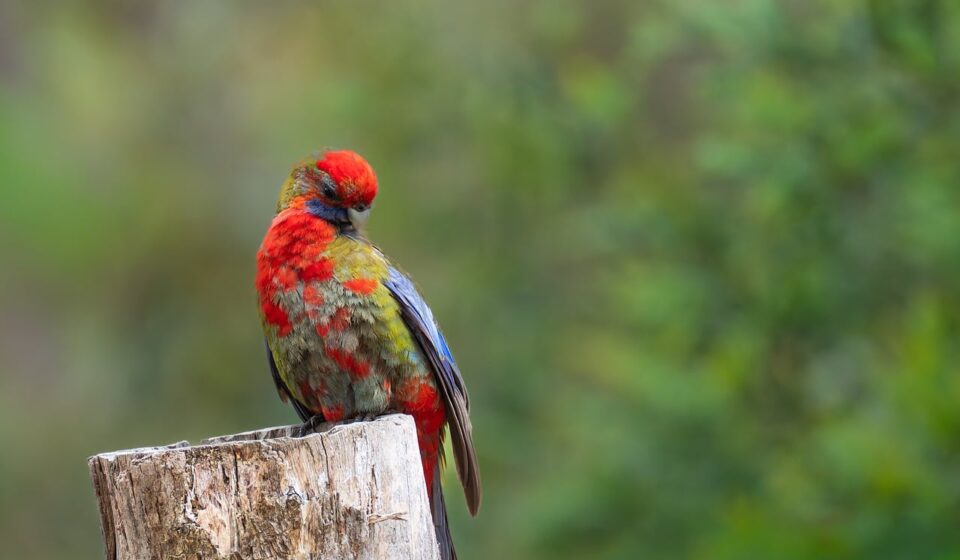
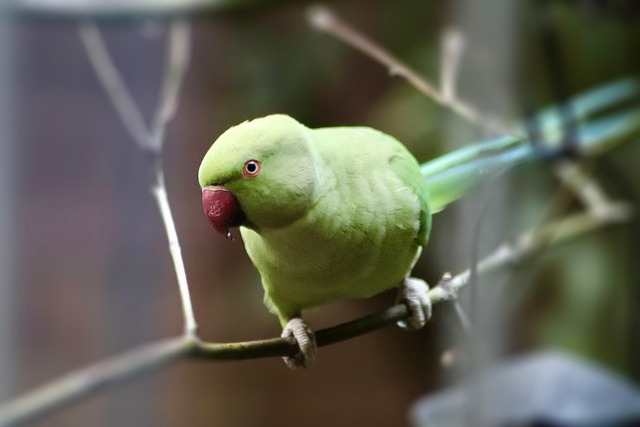
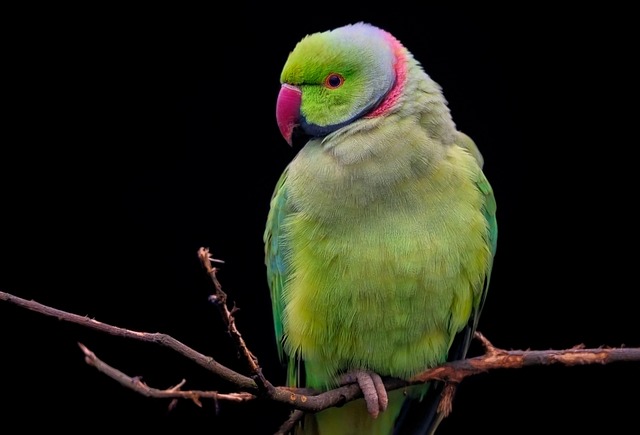
The green parakeet is a small to medium-sized parrot, typically measuring around 12 to 14 inches (30-35 cm) in length from beak to tail. Their most striking feature is their uniform green coloration, though some individuals may exhibit subtle variations or undertones of yellow or blue, particularly on the wing feathers or head. Their build is slender, with a prehensile tail that aids in climbing and balancing.
Historically, the green parakeet’s native range extends across Mexico and into southern Texas in the Rio Grande Valley. However, escaped pets have established feral populations in various parts of the world, notably in parts of the United States and Europe. Understanding their natural habitat provides clues to their environmental needs in captivity, such as requiring a warm, humid environment and plenty of space to move.
Temperament and Social Behaviour
Green parakeets are renowned for their curious, intelligent, and playful nature. They are highly social creatures that thrive on interaction and can form strong bonds with their human flock. In a captive environment, this translates to a need for daily attention, training, and mental engagement. Without sufficient socialization, they can become withdrawn, develop behavioural issues like feather-plucking, or become overly reliant on one person, potentially leading to aggression towards others.
These birds are naturally vociferous, communicating through a range of chirps, squawks, and calls. While not typically as loud as larger parrot species, their vocalizations can be frequent and noticeable, especially during dawn and dusk or when seeking attention. Prospective owners must be prepared for a certain level of noise, as it’s an intrinsic part of their communication.
Housing and Environmental Enrichment
Providing an appropriately sized and stimulating environment is critical for the well-being of a green parakeet. The cage should be spacious, ideally a minimum of 24 inches wide, 24 inches deep, and 30 inches tall (60x60x75 cm) for a single bird. However, larger is always better, allowing ample room for movement, play, and the placement of various toys and perches.
Bar spacing should be no more than 5/8 inch (1.5 cm) to prevent escapes or injuries. The cage should be constructed from safe materials like stainless steel or powder-coated metal, avoiding zinc or lead which are toxic. Perches of varying diameters and textures (natural wood is ideal) are essential for foot health, while swings, ladders, and foraging toys provide mental stimulation and prevent boredom.
A common mistake is using a small, round cage or one with horizontal bars that encourage pacing. A better setup includes a large, rectangular cage with vertical and horizontal bars for climbing, equipped with a variety of perches of different diameters (e.g., a natural manzanita branch perch and a cotton rope swing), a food and water station, and a dedicated area for foraging toys such as a puzzle feeder or a destructible sheddable toy.
Diet and Nutrition: Fueling Your Feathered Friend
A balanced diet is fundamental for the health and longevity of a green parakeet. The cornerstone of their diet should be a high-quality formulated pellet, specifically designed for parrots. These pellets provide essential vitamins, minerals, and nutrients that might be lacking in seed-only diets.
Supplementing the pellets with a variety of fresh vegetables is crucial. Leafy greens like kale, spinach, and romaine lettuce, along with other vegetables such as carrots, broccoli, and bell peppers offer vital fiber, vitamins, and antioxidants. Limited amounts of fresh fruits, such as apples (seeds removed), berries, and melon, can be offered as treats due to their higher sugar content.
Seeds, while naturally appealing to parrots, should be given sparingly as they are high in fat and can lead to obesity and nutritional deficiencies if they form the bulk of the diet. A small mix of high-quality seeds can be used as a training reward or a small part of the daily mix.
Common Health Problems and Prevention
Like all pets, green parakeets are susceptible to certain health issues. Recognising the signs of illness early can significantly improve the prognosis. Common problems include:
- Respiratory Infections: Often caused by poor hygiene, drafts, or airborne irritants (like fumes from non-stick cookware). Symptoms include sneezing, nasal discharge, and difficulty breathing.
- Feather Plucking: A behavioural issue often stemming from stress, boredom, inadequate diet, or underlying medical conditions.
- Gastrointestinal Disorders: Can result from poor diet, infections, or ingested foreign objects. Signs include changes in droppings, lethargy, and weight loss.
- Avian Polyomavirus: A contagious viral disease that can affect young birds, causing lethargy, appetite loss, and regurgitation.
- Macaw Wasting Disease (PBFD): A serious viral disease affecting psittacine birds, leading to feather abnormalities and immune suppression.
Prevention is key. Maintaining a clean cage, providing a balanced diet, ensuring a draft-free environment, and offering regular veterinary check-ups are essential. According to the Association of Avian Veterinarians (AAV) as of 2026, annual health assessments are recommended for all pet birds to catch potential issues early.
Common Mistake: Owners often delay veterinary visits until a bird is severely ill, assuming that birds are adept at hiding sickness. By the time symptoms are obvious, the condition may be advanced. Regular check-ups help establish a baseline for your bird’s health and catch issues when they are most treatable.
Training and Behaviour Modification
Green parakeets are intelligent and can be trained using positive reinforcement methods. This not only helps manage their behaviour but also strengthens the bond between bird and owner. Basic training can include teaching them to step up onto your finger, perch on command, or even perform simple tricks.
Consistency, patience, and high-value rewards (like small pieces of fruit or seeds) are essential. Never use punishment-based training, as this can lead to fear, aggression, and a breakdown of trust. Understanding their natural behaviours, such as their inclination to chew and shred, is also vital for redirecting destructive tendencies towards appropriate outlets.
To teach a green parakeet to step up, present your finger or a small perch near its feet and say “step up” in a clear, calm voice. When it places a foot on your finger/perch, immediately offer a reward and praise. If it doesn’t step up, gently encourage it with the perch. Avoid forcing its foot up; this can create a negative association. Practice for short periods (5-10 minutes) several times a day.

Vocalizations and Noise Management
The vocal nature of green parakeets is a significant consideration for potential owners. While their calls are generally not as piercing or constant as those of larger macaws or cockatoos, they can still be quite loud and frequent. They vocalize to communicate needs, express excitement, signal alarm, or simply because they are social beings who enjoy “talking” with their flock.
Managing noise involves understanding the triggers. If a bird is vocalizing excessively out of boredom, providing more toys, foraging opportunities, and interaction time can help. If it’s seeking attention, ensure you are providing enough dedicated time each day. Some noise is natural and unavoidable; the key is to manage expectations and provide an environment that minimizes unnecessary stress-induced vocalization.
Lifespan and Commitment
Green parakeets are long-lived birds. With proper care, nutrition, and veterinary attention, they can live for 20 to 30 years, and some individuals have been reported to live even longer. This considerable lifespan means that owning a green parakeet is a significant long-term commitment, often spanning decades.
Prospective owners must consider not only the financial commitment for food, toys, veterinary care, and potential emergency treatments but also the time commitment. These birds require daily interaction, cage cleaning, and enrichment activities to remain healthy and happy. It’s not uncommon for owners to rehome birds because they underestimated the long-term demands of avian companionship.
Comparison: While a hamster’s lifespan is typically 2–4 years and a cat or dog might live 10–15 years, a green parakeet’s 20-30 year potential places them in a similar commitment category to owning a large parrot species, but in a smaller, more manageable package. This longevity is a major factor in responsible pet ownership decisions.
Common Mistakes and How to Avoid Them
Many issues with pet green parakeets stem from common misconceptions or oversights. Avoiding these pitfalls can lead to a much more rewarding experience for both the bird and the owner:
- Inadequate Cage Size: As mentioned, too small a cage restricts movement and enrichment, leading to physical and psychological problems. Always prioritise the largest cage you can accommodate.
- Insufficient Socialization: Forgetting that these are flock animals, leading to a lonely, anxious, or aggressive bird. Daily, quality interaction is non-negotiable.
- Poor Diet: Relying solely on seeds or an unbalanced mix. This is a fast track to nutritional deficiencies and health problems.
- Neglecting Dental/Beak Health: Not providing chewable toys can lead to overgrowth of the beak and related issues.
- Exposure to Toxins: Using non-stick cookware, air fresheners, scented candles, or cleaning products with strong fumes can be fatal to birds.
- Lack of Mental Stimulation: A bored bird is a destructive and unhappy bird. Rotate toys and introduce foraging challenges regularly.
Expert Tip: A simple way to ensure a bird gets enough mental stimulation is to hide a few treats or pieces of its favourite food in different parts of the cage or in a foraging toy each day. This taps into their natural instinct to search for food, keeping them occupied and engaged.
Finding a Green Parakeet and Ethical Sourcing
When looking to bring a green parakeet into your home, it’s important to source them responsibly. Reputable breeders and avian rescue organisations are the best places to start. A good breeder will be knowledgeable about the species, transparent about the bird’s history, and willing to answer your questions about care and temperament.
Adoption from a rescue organisation is also a highly rewarding option. Many green parakeets end up in shelters due to owners underestimating the commitment or facing life changes. These birds often come with existing personalities and sometimes even some training, and rescue staff can help match you with a bird that suits your lifestyle.
Cost Considerations: As of June 2026, the cost of a green parakeet can vary significantly. Young, hand-raised birds from reputable breeders typically range from £300 to £700, depending on the breeder’s reputation and location. Rescue adoption fees are generally much lower, often between £50 and £150, and usually include initial veterinary checks and vaccinations.
Frequently Asked Questions
Can a green parakeet be kept alone?
While a green parakeet can technically live alone, they are highly social and require significant daily interaction with their human flock to thrive. Solitary birds are more prone to behavioural issues like feather plucking and anxiety if their social needs aren’t met.
Are green parakeets good pets for beginners?
Green parakeets can be suitable for beginners who are prepared for their energetic and vocal nature. Their intelligence and need for socialization require commitment, but they are generally more manageable than larger parrot species.
How much noise does a green parakeet make?
Green parakeets are vocal and can be quite noisy, especially during dawn and dusk or when seeking attention. While not as loud as some larger parrots, their squawks and chirps are a significant part of their communication.
What is the typical temperament of a green conjure?
Green conjures are typically curious, playful, intelligent, and affectionate birds that form strong bonds with their owners. They can be mischievous and require consistent training and socialization to manage their natural behaviours.
How to stop a green parakeet from biting?
Biting often stems from fear, stress, or a lack of socialization. Consistent positive reinforcement training, understanding their body language, and providing a secure environment can help reduce biting. Never punish a biting bird, as this can worsen the problem.
What are the signs of illness in a green parakeet?
Signs of illness include changes in droppings, lethargy, ruffled feathers, loss of appetite, discharge from the eyes or nostrils, and difficulty breathing. Prompt veterinary attention is crucial if these symptoms appear.
A Rewarding Companion
The green parakeet offers a vibrant and engaging companionship for dedicated owners. Their intelligence, playful antics, and strong bonds make them a cherished pet. However, their specific needs regarding socialization, diet, environment, and long-term commitment should not be underestimated. By understanding and addressing these requirements, and by avoiding common pitfalls such as inadequate housing or poor nutrition, you can ensure your green parakeet lives a long, healthy, and fulfilling life as a cherished member of your family.
Information current as of June 2026; pricing and product details may change.
Source: Britannica
Editorial Note: This article was researched and written by the Pet Magazine editorial team. We fact-check our content and update it regularly. For questions or corrections, contact us.
Related read: Green Parrot Green: Understanding the Vibrant Hue.
Related read: Green Parrot Green: Understanding the Vibrant Hue
Related read: Pet Fish: Your 2026 Guide to Affordable Aquatic Companions
Related read: Neon Fish: Your Complete 2026 Guide to Care, Colour, and Companions.