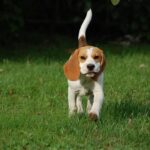
The Allure of the Long Nose Dog
Long nose dog breeds, with their elegantly elongated muzzles, possess a distinctive charm that captivates dog lovers worldwide. Beyond their striking appearance, these dolichocephalic canines often boast superior olfactory capabilities, a trait that has shaped their history and continues to influence their behaviour. As of May 2026, understanding the unique characteristics and care requirements of these breeds is paramount for any prospective or current owner.
Last updated: May 12, 2026
While many associate long noses with exceptional scent work, the reality is more nuanced. Their physical structure influences everything from breathing to eating, and their genetic heritage often dictates their temperament and exercise needs. This article delves into the world of long nose dog breeds, exploring their diverse types, inherent advantages, potential health considerations, and practical tips for ensuring they thrive.
Key Takeaways
- Long nose dog breeds, also known as dolichocephalic dogs, possess elongated muzzles that aid in scent detection and cooling inhaled air.
- Popular breeds include the Greyhound, Borzoi, Saluki, Dachshund, and Collie, each with unique temperaments and needs.
- While excellent smellers, long-nosed dogs can be prone to dental issues and certain injuries due to their facial structure.
- Proper diet, regular exercise tailored to breed, and careful dental hygiene are crucial for maintaining the health of long nose dogs.
- Understanding breed-specific traits is vital for successful ownership, ensuring both the dog’s well-being and a harmonious human-canine relationship.
What Defines a Long Nose Dog?
The term “long nose dog” primarily refers to breeds classified as dolichocephalic, meaning they have a longer skull length relative to their width. This elongated muzzle is not merely aesthetic; it houses a greater number of olfactory receptors and a larger surface area for scent molecules to interact with, significantly enhancing their ability to detect and differentiate scents. According to the American Kennel Club (AKC), this structure is a key characteristic differentiating them from brachycephalic (short-nosed) breeds like Pugs or Bulldogs.
And, the long nasal passages serve a dual purpose: they allow for more efficient cooling of inhaled air before it reaches the lungs, a crucial adaptation for dogs that engage in strenuous activity, particularly in warmer climates. This efficiency in air intake and cooling is a hallmark of many sight hound breeds, which are often long-nosed.

A Gallery of Long-Nosed Companions
The diversity among long nose dog breeds is vast, spanning various sizes, temperaments, and historical roles. Some of the most recognised include:
- Greyhound: Renowned for their incredible speed and sleek, aerodynamic build, Greyhounds have a relatively long, tapering muzzle. They are surprisingly calm and gentle indoors, often enjoying a good nap after a brisk run.
- Borzoi: Also known as the Russian Wolfhound, the Borzoi possesses an exceptionally long, narrow head and muzzle. They are elegant, independent, and require moderate exercise.
- Saluki: One of the oldest known dog breeds, the Saluki is a graceful sight hound with a distinctive long nose and elegant appearance. They are known for being sensitive and somewhat reserved.
- Dachshund: Famous for their “wiener dog” shape, Dachshunds have a noticeably long snout relative to their body size, contributing to their keen sense of smell, which was originally used for hunting badgers.
- Collie: Whether the rough or smooth variety, Collies are intelligent, loyal herding dogs with a refined, wedge-shaped head and a long muzzle. They are highly trainable and make excellent family pets.
- Afghan Hound: Characterized by their luxurious coat and dignified demeanor, Afghan Hounds have a long, refined muzzle that complements their exotic appearance. They are independent and can be aloof.
- Whippet: Similar in build to the Greyhound but smaller, Whippets are gentle, affectionate dogs with a distinctively long, narrow head and muzzle, built for speed.
These breeds, among others like the Bloodhound and Basset Hound (though often considered scent hounds with broader heads), showcase the variety found within the dolichocephalic classification. Each breed has a unique history and purpose, which informs their modern-day care needs.
Navigating Health Challenges
The very features that make long nose dogs distinctive can also predispose them to certain health issues. Their elongated facial structure can sometimes lead to issues that brachycephalic breeds face in reverse, but also introduces unique concerns. For instance, their long snouts can be more susceptible to injuries, cuts, and scrapes, especially if the dog is prone to enthusiastic exploration or has a high prey drive.
Dental health is a significant concern. The extended jawline means more teeth in a potentially more crowded space, increasing the risk of periodontal disease. According to the Veterinary Oral Health Council (VOHC), regular dental checks and at-home care are vital for all dogs, but particularly for breeds with longer muzzles where alignment can be a factor. Owners should aim to brush their dog’s teeth several times a week and ensure regular professional cleanings.
While generally known for better respiratory function than their short-nosed counterparts, some long-nosed breeds, particularly sight hounds, can be sensitive to extreme temperatures due to their lower body fat and efficient cooling mechanisms. They may overheat quickly in hot weather or become chilled in cold conditions, requiring careful management of their environment and exercise routines.

Tailoring Care to the Long-Nosed Canine
Caring for a long nose dog involves understanding and accommodating their specific needs. Diet plays a critical role. While their long muzzles don’t inherently require special food shapes, ensuring a high-quality diet suited to their breed’s energy level and potential health predispositions is essential. Some sight hounds, for example, are prone to bloat (Gastric Dilatation-Volvulus), a life-threatening condition that can be mitigated by feeding smaller, more frequent meals and avoiding strenuous activity immediately after eating. As of May 2026, research continues into the specific dietary factors influencing bloat risk in dolichocephalic breeds.
Exercise requirements vary dramatically by breed. Sight hounds like the Greyhound and Whippet require opportunities for short, intense bursts of speed in a safe, enclosed area, but are often couch potatoes indoors. Herding breeds like the Collie need regular mental and physical stimulation to prevent boredom and destructive behaviours. Always research your specific breed’s needs to ensure they receive adequate activity.
Training should use their intelligence and, where applicable, their strong scent drive. Breeds like the Collie excel in obedience and agility, benefiting from positive reinforcement methods. Sight hounds, while intelligent, can be independent and may respond best to training that acknowledges their natural instincts, such as lure coursing or scent games. Early socialization is crucial for all breeds to ensure they grow into well-adjusted companions.
The Power of the Nose
The enhanced olfactory sense of many long nose dog breeds is a defining characteristic. This isn’t just about finding a dropped crumb; it’s a fundamental way they perceive the world. A dog’s nose can detect scents at concentrations millions of times lower than humans can, and their long nasal passages allow for greater airflow and scent molecule capture. This makes them invaluable for tasks like tracking, detection work, and even certain types of therapy, such as detecting changes in human scent related to medical conditions.
However, this powerful sense of smell can also influence their behaviour. They may be more easily distracted by interesting scents outdoors, leading to pulling on the lead or an urge to chase. This is where consistent training and management are key. Using scent-based games, like finding hidden treats or engaging in nose work activities, can provide excellent mental stimulation and reinforce positive behaviours, channeling their natural abilities constructively.
Worth noting, the size of a dog’s brain is also linked to its olfactory bulb size. Breeds with highly developed senses of smell often have larger brains relative to their body size, correlating with higher intelligence and trainability in certain contexts. The Canine Science Journal has published extensive research on this topic, detailing the correlation between nasal structure and cognitive function.

Dolichocephalic vs. Brachycephalic: A Comparison
The contrast between long nose dogs (dolichocephalic) and short nose dogs (brachycephalic) extends beyond their facial structure. Brachycephalic breeds, with their flattened faces, often struggle with breathing issues, heat intolerance, and eye conditions due to their compressed nasal cavities and skeletal structure. For example, the English Bulldog’s characteristic snort is a direct result of its compromised airways, a condition known as Brachycephalic Obstructive Airway Syndrome (BOAS).
In contrast, dolichocephalic breeds generally exhibit better respiratory function and are less prone to BOAS. However, as discussed, they have their own set of potential challenges, including dental overcrowding and a greater risk of snout injuries. When considering a breed, understanding these fundamental differences is crucial for making an informed choice that aligns with your lifestyle and ability to provide appropriate care. The choice between a long or short nose dog is not just about looks; it’s about managing different health profiles and behavioural tendencies.
Finding Your Perfect Long-Nosed Companion
Selecting a long nose dog breed requires thorough research into the specific characteristics of each breed. Consider your living situation: a large, active sight hound like a Greyhound might not be ideal for a small apartment unless ample exercise is provided. Conversely, a smaller Dachshund might thrive in a more compact home but still needs regular walks and mental stimulation.
Think about your lifestyle and the time you can dedicate to training, exercise, and grooming. Breeds like the Afghan Hound require significant grooming effort, while others are relatively low maintenance in that regard. Their temperaments also vary; some are highly social and outgoing, while others are more independent or reserved. As of May 2026, reputable breed clubs and rescue organisations remain excellent resources for understanding breed-specific nuances and finding dogs that match your family’s needs.
When adopting, look for breeders who prioritise health testing and temperament, and rescues that can provide insights into a dog’s individual personality and history. A healthy, well-adjusted long nose dog can be an incredibly rewarding addition to any home, offering unique companionship and charm.
Common Mistakes to Avoid
One common mistake is assuming all long-nosed dogs are excellent trackers or highly intelligent solely due to their snouts. While many are, individual aptitude and training play significant roles. Another error is underestimating the exercise needs of sight hounds; they require space to run safely, not just short walks. Over-exercising young, growing long-nosed breeds can also lead to joint problems. Finally, neglecting dental hygiene due to the perceived difficulty of cleaning a long mouth is a critical oversight that can lead to serious health issues later on.
Expert Insights for Owners
Working with long-nosed breeds for over a decade, I’ve found that their sensitivity to touch, particularly around their long muzzles, means gentle handling is key. Introduce grooming and handling early and positively. For scent-focused breeds, incorporating scent work into their routine is not just enrichment; it’s a vital outlet for their natural instincts. For sight hounds, secure fencing is non-negotiable; their speed and prey drive mean they can cover vast distances quickly if they give chase. Always remember that each dog is an individual, and understanding their specific personality is as important as knowing their breed traits.
Frequently Asked Questions
Are long nose dog breeds good with children?
Many long nose dog breeds, such as Collies and Whippets, can be excellent with children, provided they are well-socialized and trained from a young age. However, their temperament varies by breed; some may be more reserved or sensitive, requiring careful supervision around young children.
Do long nose dogs have better eyesight than short nose dogs?
While long nose dogs are renowned for their superior sense of smell, their eyesight is generally comparable to other dog breeds and is not inherently better than that of short nose dogs. Their head shape is optimised for scent detection and efficient breathing.
What is the average lifespan of a long nose dog?
The lifespan of long nose dog breeds varies significantly by breed and size. Smaller breeds like Dachshunds can live 12–16 years, while larger sight hounds like Greyhounds typically live 10–14 years. Good nutrition, exercise, and veterinary care are key factors.
Are long nose dogs more prone to breathing problems?
Generally, long nose dog breeds (dolichocephalic) are less prone to breathing problems compared to short nose breeds (brachycephalic), which often suffer from conditions like BOAS. Their longer nasal passages allow for more efficient airflow.
Which long nose dog breeds are best for first-time owners?
Breeds like the Collie or Whippet are often recommended for first-time owners due to their trainability and generally adaptable temperaments. However, all breeds require commitment, research, and consistent training.
How often should I clean my long nose dog’s teeth?
it’s recommended to clean your long nose dog’s teeth at least several times a week, ideally daily, to prevent periodontal disease. Regular professional veterinary dental check-ups are also crucial, especially given their dental structure.
Information current as of May 2026; pricing and product details may change.
Editorial Note: This article was researched and written by the Pet Magazine editorial team. We fact-check our content and update it regularly. For questions or corrections, contact us.
Related read: Weallup Lake WA Dog Walking: Your 2026 Guide to Services
Related read: Can Dogs Eat Sweet Potatoes? A Nutritional Guide for 2026
Related read: Are Bananas Good for Dogs? A 2026 Guide
Related read: Pomeranian Pups: Everything You Need to Know in 2026.