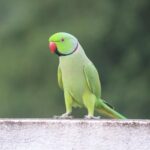
Parrot Lifespan: A Commitment for Decades
A common question asked by aspiring and current parrot owners is: how long do parrots live? The answer often surprises people – many parrot species are long-lived companions, capable of sharing your life for decades. As of May 2026, understanding this commitment is the first step towards responsible ownership. These aren’t pets you bring home for a few years; you’re potentially welcoming a family member for a significant portion of your life.
Last updated: May 8, 2026
Key Takeaways
- Many parrot species live for 30-80 years, with some exceeding 100 years.
- Larger parrot species generally have longer lifespans than smaller ones.
- Proper diet, veterinary care, mental stimulation, and a safe environment are crucial for longevity.
- Genetics, species, and individual health all play a role in how long a parrot lives.
- Owning a parrot is a long-term commitment, often spanning multiple human generations.
The Astonishing Longevity of Parrots
When we talk about how long do parrots live, the figures are truly remarkable. Unlike smaller pets like hamsters or gerbils, whose lives are measured in mere years, parrots can live for an astonishingly long time. This longevity is one of their most defining characteristics as pets. Some of the most popular species are known to outlive their owners, making them a profound, long-term addition to a household.
The exact lifespan varies significantly between species, but it’s not uncommon for medium to large parrots to live for 50 years or more. Some species, like the Macaw and Cockatoo, can reach 70-80 years, with some anecdotal reports of individuals living well over a century! Smaller birds, such as Budgerigars (budgies), typically have shorter lifespans, often around 5-10 years, though some can live longer with excellent care.
Species Spotlight: How Long Do Different Parrots Live?
The diversity within the parrot family means their lifespans are equally diverse. Understanding the typical life expectancy for specific species is vital before bringing one home. It’s not just about knowing how long do parrots live in general, but how long your chosen feathered friend might be with you.
Macaws: The Century Club Contenders
Macaws, with their vibrant colours and large size, are among the longest-lived parrots. Species like the Blue-and-Gold Macaw or the Scarlet Macaw can routinely live for 50-75 years. Some well-cared-for individuals have been reported to reach 80 years and beyond. Their sheer size and intelligence often mean they require significant commitment and specialised care throughout their extensive lives.
African Greys: Wise and Long-Lived
African Grey parrots are renowned for their intelligence and talking abilities, and they also boast an impressive lifespan. As of 2026, it’s commonly understood that African Greys can live for 40-60 years in captivity, with some potentially reaching 70 years. Their wisdom seems to grow with age, making them fascinating companions for many decades.
Cockatoos: A Long and Complex Life
Cockatoos are known for their strong bonds and can be incredibly affectionate, but their long lifespans can be a double-edged sword. Many species, such as the Moluccan or Umbrella Cockatoo, can live for 50-70 years, sometimes even longer. This means owners must be prepared for a commitment that could span over half a century, requiring consistent emotional support and engagement.
Amazon Parrots: Decades of Personality
Amazon parrots, like the Yellow-naped or Double Yellow-headed Amazon, are known for their lively personalities and vocal nature. Their lifespan typically ranges from 40 to 60 years. This extended life means they can form deep, lasting relationships with their human families.
Conures and Quakers: Mid-Range Lifespans
While not reaching the extreme ages of macaws or cockatoos, conures (like the Sun Conure) and Quaker Parrots still enjoy relatively long lives, often living between 15-30 years. This is still a substantial commitment, offering many years of companionship and interaction.
Budgerigars and Cockatiels: Shorter, but Still Significant
Smaller parrots like budgies and cockatiels have shorter lifespans but are still significant companions. A well-cared-for budgie can live 5-10 years, sometimes up to 15 years. Cockatiels typically live 15-25 years. While shorter, these lifespans still require dedicated care and attention for many years.
Factors Influencing Parrot Longevity
Knowing how long do parrots live is one thing, but understanding what influences that lifespan is crucial for any owner. Several factors contribute to whether a parrot reaches the upper end of its potential age range or falls short.
Diet: Fueling a Long Life
A balanced, species-appropriate diet is paramount. Parrots in the wild eat a varied diet of seeds, nuts, fruits, vegetables, and even insects. In captivity, a diet too heavily reliant on seeds can lead to nutritional deficiencies, obesity, and organ damage, significantly shortening a parrot’s life. A good diet, rich in fresh fruits, vegetables, and formulated pellets, is essential. According to avian health guidelines, a varied diet is key for maintaining good health and promoting longevity.
Veterinary Care: Proactive Health Management
Regular check-ups with an avian veterinarian are non-negotiable. Birds are notoriously good at hiding signs of illness, so a vet experienced with avian species can spot problems early. Proactive care, including regular check-ups and prompt treatment of any ailments, can prevent minor issues from becoming life-threatening. Worth noting, finding a qualified avian vet is as important as the check-ups themselves.
Environment and Enrichment: A Stimulating Life
Parrots are highly intelligent and social creatures. A sterile, unstimulating environment can lead to psychological distress, boredom, and behavioural problems, which can indirectly impact their physical health. Providing a spacious cage, a variety of toys, opportunities for training, and safe out-of-cage time for exercise and interaction is vital. As of 2026, the emphasis on mental enrichment for parrots is greater than ever, recognised as a key component of overall well-being.
Genetics and Species Predispositions
Just like humans, parrots have genetic factors that can influence their health and longevity. Some species are naturally more prone to certain health conditions. For instance, larger cockatoos can be susceptible to Feather-Related Disorders (FRD) if not properly managed. Understanding your specific parrot’s species and its common health issues is part of responsible care.
The Impact of Captivity vs. Wild
It’s often asked: how long do pet parrots live compared to those in the wild? In many cases, well-cared-for pet parrots can live longer than their wild counterparts. This is primarily because they are protected from predators, have a consistent food supply, and receive veterinary care. However, wild parrots in their natural, diverse habitats may have access to a broader range of nutrients and natural behaviours that contribute to their overall well-being, albeit with higher risks.
Practical Tips for Maximising Your Parrot’s Lifespan
If you’re wondering how to ensure your parrot lives a long and healthy life, it comes down to providing excellent care. Here are some practical tips to help your feathered friend thrive for as many years as possible:
Provide a Balanced and Varied Diet
Base your parrot’s diet on high-quality formulated pellets, supplemented with fresh fruits, vegetables, and some seeds or nuts as treats. Avoid an all-seed diet. Consult your avian vet for species-specific dietary recommendations. The right nutrition is the bedrock of good health.
Ensure Regular Veterinary Check-ups
Schedule annual wellness exams with an avian veterinarian. Don’t wait until your parrot shows obvious signs of illness. Early detection is key to successful treatment and can add years to their life.
Offer Ample Mental Stimulation and Exercise
Rotate toys regularly to keep things interesting. Encourage foraging behaviour with puzzle toys. Allow supervised out-of-cage time daily for flying and exploration. A mentally stimulated parrot is a happier, healthier parrot.
Create a Safe and Secure Environment
Ensure the cage is the appropriate size and placed in a safe area of the home, away from drafts, direct sunlight, toxic fumes (like those from non-stick cookware), and other pets that could pose a threat. Bird-proofing your home for out-of-cage time is also essential.
Socialise and Bond with Your Parrot
Parrots are highly social animals. Spend quality time with your parrot daily, talking to them, training them, and simply being present. This bond is crucial for their emotional well-being and can prevent stress-related health issues.
Understand and Manage Behavioural Issues
Behavioural problems can be signs of stress, boredom, or underlying health issues. Learn to recognise your parrot’s body language and address any concerning behaviours promptly, often with the help of a qualified avian behaviourist.
Common Mistakes That Can Shorten a Parrot’s Life
Even with the best intentions, owners can make mistakes that unintentionally impact their parrot’s lifespan. Being aware of these pitfalls can help you avoid them.
Inadequate Diet
The most common mistake is feeding an all-seed diet, which is nutrient-poor and can lead to obesity, liver disease, and other health problems. Transitioning to a pellet-based diet is often necessary but requires patience.
Exposure to Toxins
Parrots have highly sensitive respiratory systems. Household products, strong perfumes, air fresheners, smoke, and fumes from overheated non-stick cookware (PTFE/Teflon) can be fatal. Always ensure good ventilation and avoid using such products around your bird.
Lack of Social Interaction
Treating a parrot like a decorative object rather than an interactive companion can lead to profound loneliness, depression, and self-mutilation. Parrots need daily interaction and mental engagement.
Neglecting Avian Veterinary Care
Delaying or skipping vet visits can mean serious illnesses go unnoticed until they are untreatable. Finding a vet who specialises in birds is crucial.
Insufficient Cage Size and Enrichment
A small cage with no toys offers no stimulation, leading to boredom and stress. Parrots need space to move, climb, and play. A lack of mental challenges can manifest as destructive behaviour or plucking.
A Parrot’s Lifespan: A Legacy of Love
When you ask how long do parrots live, you’re asking about a significant commitment. They are not disposable pets. Their long lives mean they can witness multiple generations of a family, become cherished companions through life’s ups and downs, and leave a lasting legacy of love and companionship.
The decision to bring a parrot into your life should be made with full awareness of their incredible longevity. With proper care, nutrition, veterinary attention, and plenty of love and stimulation, your parrot can be a vibrant part of your world for many, many years to come, truly becoming a member of the family.
Last reviewed: May 2026. Information current as of publication; pricing and product details may change.
Frequently Asked Questions
How long do macaws live?
Macaws are among the longest-living parrots, with lifespans typically ranging from 50 to 75 years in captivity. Some individuals have been known to live even longer, potentially exceeding 80 years with optimal care and genetics.
What is the average lifespan of a parrot?
The average lifespan for parrots varies greatly by species. Smaller parrots like budgies might live 5-10 years, while medium to large parrots such as African Greys or Amazons can live 40-60 years, and larger species like macaws and cockatoos can live 70-80 years or more.
Can a parrot live longer than its owner?
Yes, it’s entirely possible and quite common for larger parrot species to live longer than their owners. Many parrots can live for several decades, meaning potential owners must consider long-term care plans, including provisions for the bird’s future should the owner pass away.
What factors contribute to a parrot’s long life?
Key factors include a species-appropriate diet rich in nutrients, regular veterinary care from an avian specialist, a stimulating environment with plenty of enrichment, ample exercise, and a secure, non-toxic living space. Good genetics also play a role.
Are wild parrots healthier than pet parrots?
While wild parrots experience natural behaviours, they face numerous dangers like predators, disease, and food scarcity, which can shorten their lives. Pet parrots, when provided with excellent care, protection, and veterinary attention, can often live longer and healthier lives than their wild counterparts.
What is the oldest parrot ever recorded?
While exact records can be hard to verify, the oldest reliably documented parrot was reportedly Cookie, a Major Mitchell’s Cockatoo, who lived to be at least 83 years old. There are other anecdotal claims of older parrots, but definitive proof is often elusive.
Related read: Parrots: Your 2026 Guide to These Colourful Companions
Source: Britannica
Related Articles
- Why Are Cats So Curious? Exploring Feline Fascination in 2026
- Do Pomeranians Shed? Your 2026 Guide to Fluffy Fur
- Kefir Milk for Dogs: Benefits, Risks & Safe Use in 2026
Editorial Note: This article was researched and written by the Pet Magazine editorial team. We fact-check our content and update it regularly. For questions or corrections, contact us. For readers asking “How long do parrots live”, the answer comes down to the specific factors covered above.