ific genetic traits.
The Recognised Palette: Standard Dachshund Colours and Patterns
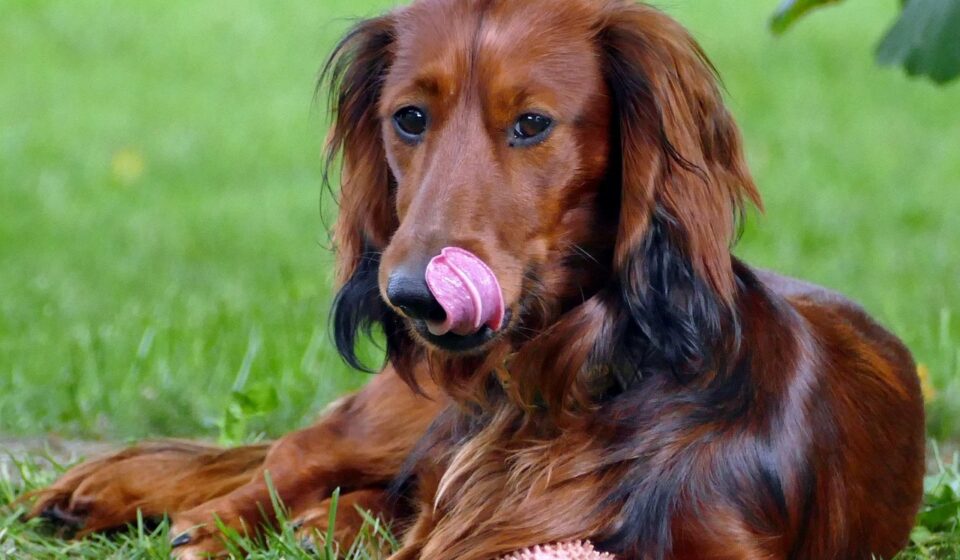
Its diverse colour palette amplifies the Dachshund’s charm. While breed standards can vary slightly between kennel clubs, certain colours and patterns are widely accepted and celebrated. These include solid colours, bi-colours, and tri-colours, each with its own appeal.
Last updated: July 11, 2026
Commonly seen are the rich, solid colours like deep red, often referred to as ‘red Dachshunds,’ and the classic black. However, the black is frequently paired with tan or cream markings above the eyes, on the muzzle, chest, and legs, creating the iconic black and tan Dachshund. Similarly, chocolate Dachshunds feature a rich brown coat, often with tan markings (chocolate and tan), adding another layer of visual appeal. Cream Dachshunds present a softer, lighter hue, sometimes appearing almost white.
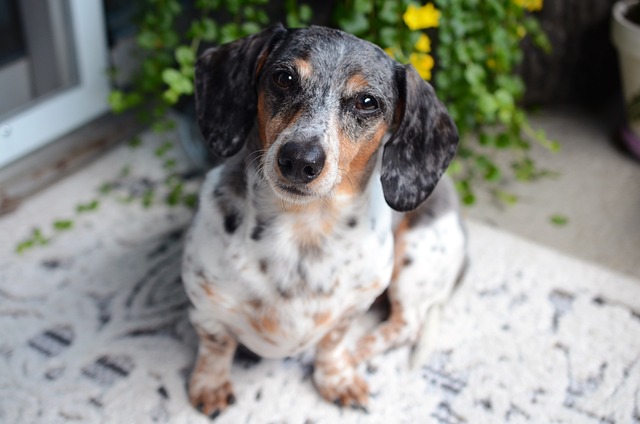
Beyond solid and bi-colours, patterns add another dimension. Dapple Dachshunds are perhaps the most visually striking, with irregular patches of a lighter shade (usually cream or tan) over a darker base colour, creating a mottled or speckled effect. Brindle Dachshunds display a pattern of darker stripes over a lighter background, often red or fawn. Piebald Dachshunds have distinct white markings on their chest, paws, or tail. Sable Dachshunds have darker hairs tipped with lighter colours, giving a shaded appearance.
Beyond the Usual: Exploring Rare Dachshund Colours
While the standard colours are beautiful, many enthusiasts are drawn to the rarer Dachshund colour variations. These less common shades often come about through specific genetic combinations and can be particularly captivating. As of 2026, these rare colours continue to be a point of fascination for breeders and owners alike.
Among the most sought-after rare colours is Isabella, often described as a diluted chocolate, resulting in a soft fawn or lilac hue. This colour is sometimes referred to as ‘fawn’ or even ‘liver’ depending on the specific shade and markings. Another distinctive rare colour is ‘wild boar,’ which is a grizzled mix of black, brown, and grey hairs, often seen in wire-haired Dachshunds. Blue and tan Dachshunds are another striking variation, where the black pigment is diluted to a silvery grey, paired with tan markings.
Keep in mind that some of these rare colours, particularly those involving dilution genes (like Isabella or blue), can sometimes be associated with specific health conditions, such as Colour Dilution Alopecia (CDA). Responsible breeders will be transparent about the genetics behind these rare colours and any potential health implications.
The Science Behind the Shade: Understanding Dachshund Colour Genetics
The fascinating array of Dachshund colours is a testament to the complex interplay of genes. Understanding basic canine coat colour genetics can demystify how these different shades and patterns arise. The primary genes involved control pigment production and distribution.
The ‘B’ locus gene determines whether a Dachshund’s black pigment can turn brown (chocolate) or liver. The ‘D’ locus gene controls pigment dilution; a dog with two copies of the recessive ‘d’ allele will have diluted pigment (e.g., black becomes blue, brown becomes Isabella/fawn). The ‘E’ locus gene influences whether black or brown pigment can be expressed at all, with the ‘e’ allele leading to a recessive red or cream coat if the dog is homozygous (ee). This gene also plays a role in defining how patterns like dapple are expressed.
Pattern genes, such as those for dapple (‘Du’ allele), brindle (‘aw’ allele), and piebald (‘s’ locus), further add to the variety. For instance, a Dachshund can be red and have the dapple pattern, or be black and tan and also brindle. The interaction of these different gene loci results in the vast spectrum of coloured Dachshunds we see today. According to the American Kennel Club (AKC) as of 2026, while they recognise many colours and patterns, they do have specific standards and may disqualify certain combinations or excessive white markings in the show ring.

Does Colour Affect Dachshund Temperament? Separating Fact from Fiction
A persistent myth in dog breeding is that a dog’s coat colour is directly linked to its temperament. For Dachshunds, this often leads to assumptions about whether a red Dachshund is more fiery, or a blue Dachshund is more mellow. However, as of July 2026, scientific consensus and expert opinions strongly suggest that coat colour has no inherent influence on a dog’s personality or behaviour.
A complex mix of shaps a Dachshund’s temperament genetics, socialization, training, and environmental factors. A well-bred Dachshund, regardless of its colour, should exhibit the breed’s characteristic traits: bravery, curiosity, and a lively, sometimes stubborn, disposition. A Dachshund’s personality is far more influenced by its upbringing and individual experiences than by the pigment in its fur.
While some anecdotal associations might exist, they are generally not supported by evidence. For example, some owners might perceive a dapple Dachshund as more prone to certain health issues, which could indirectly lead to behavioural changes due to discomfort. However, the colour itself is not the cause. Focusing on responsible breeding for health and temperament, along with consistent training and socialization from a young age, is far more critical for a well-adjusted Dachshund companion than its coat colour.
Puppy Coat Development: Will My Dachshund’s Colour Change?
It’s quite common for Dachshund puppies to undergo subtle, and sometimes not-so-subtle, changes in their coat colour and pattern as they mature. This is a natural part of their development, much like a human child’s features changing as they grow.
For instance, puppies born with a very dark or muddled dapple pattern might develop clearer spots and a more defined contrast as they get older. Similarly, the intensity of solid colours can deepen or lighten. Some puppies are born with a lighter, more muted shade of red that can become richer and deeper with age. Cream Dachshunds might appear almost white at birth, with their true cream colour developing over time.
The ‘wild boar’ pattern, in particular, is one that becomes more pronounced as the Dachshund matures. Puppies might have a more uniform coloration, but the grizzled, salt-and-pepper effect of the wild boar coat typically intensifies with age. For blue or Isabella Dachshunds, the dilution effect can also become more apparent as the puppy’s coat fully develops. It’s always exciting to observe how your Dachshund’s unique coloring evolves from a clumsy puppy into a distinguished adult.

What’s the Price of a Pretty Dachshund? Colour and Cost Considerations
When discussing the cost of a Dachshund puppy, colour can indeed play a role, though it’s crucial to understand that responsible breeding practices for health and temperament should always be the primary factor. As of 2026, while a breeder’s reputation and the puppy’s lineage are paramount, certain colours and patterns are often priced differently.
Puppies with rarer colours or complex patterns, such as dapple, brindle, Isabella, or blue and tan, might command a higher price. This is often due to the demand for these unique looks and the fact that producing them consistently requires a deep understanding of genetics, meaning fewer puppies might be available. For instance, some sources cite price ranges for standard Dachshunds between $800 to $1500, while rarer variations, especially those with multiple patterns or highly sought-after dilute colours, could potentially fetch prices from $1500 to $2500 or more, depending on the breeder’s reputation, location, and the puppy’s pedigree.
However, it’s vital to be wary of breeders who exclusively prioritise rare colours over health and temperament. A high price tag for a unique colour doesn’t automatically guarantee a healthy, well-adjusted dog. Conversely, common colours like red or black and tan from a reputable breeder can be just as expensive if the puppy comes from champion bloodlines or has exceptional show potential. Always prioritise a breeder who can provide health clearances for the parents and is transparent about their breeding practices, regardless of the puppy’s colour.
Bringing Home Your Coloured Dachshund: Practical Tips
Choosing a Dachshund is a significant decision, and selecting your companion based on colour should be a secondary consideration to health, temperament, and responsible breeding. However, when you’ve narrowed down your choices, here are some tips to help you find the perfect coloured Dachshund.
Research Reputable Breeders: Look for breeders who focus on health testing (hips, eyes, heart, and genetic panels for colour-related issues like CDA) and who are knowledgeable about Dachshund genetics. They should be happy to answer your questions about coat colour and its inheritance, and provide health clearances for the parent dogs. Avoid breeders who seem solely focused on producing ‘designer’ colours at inflated prices.
Observe Temperament: Spend time with the puppies. Even at a young age, you can observe their general disposition – are they curious, shy, boisterous? While colour doesn’t dictate temperament, individual personality does. Choose a puppy whose personality seems to align with your lifestyle.
Understand Coat Types: Remember that Dachshunds come in three coat types: smooth, long-haired, and wire-haired. Each coat type can come in almost all the colours and patterns discussed. A long-haired red Dachshund will have different grooming needs than a smooth-haired black and tan one.
Ask About Colour Development: If you’re interested in a puppy with a pattern like dapple or sable, ask the breeder if they’ve noticed any colour changes in previous litters or if they expect the puppy’s coat to develop further. This helps manage expectations.
Frequently Asked Questions About Dachshund Colours
Are dapple Dachshunds healthy?
Dapple Dachshunds can be healthy, but the dapple gene can be associated with health issues if the dog is a ‘double dapple’ (inheriting the dapple gene from both parents). Double dapples may have vision and hearing impairments. Responsible breeders avoid breeding two dapples together.
What is the rarest Dachshund colour?
While ‘rare’ can be subjective and dependent on regional popularity, colours like Isabella (diluted chocolate), wild boar, and blue and tan are generally considered among the rarer and more sought-after shades.
Do Dachshunds with blue eyes mean anything?
Blue eyes in Dachshunds are most commonly associated with the dapple gene. Some dapple Dachshunds, especially those with extensive white markings or a double dapple pattern, can have striking blue eyes.
Can a Dachshund’s colour change significantly as it gets older?
Yes, some colours and patterns can become more pronounced or change slightly as a Dachshund matures. For example, the dapple pattern can become clearer, and colours like red or cream can deepen in intensity.
Are certain Dachshund colours more expensive?
Often, Dachshunds with rare colours or specific patterns like dapple, brindle, or dilute shades (blue, Isabella) may command higher prices than common colours like red or black and tan, provided they come from reputable breeders.
Which Dachshund colour is best for a family?
The ‘best’ colour is subjective and has no bearing on a Dachshund’s suitability as a family pet. Temperament, socialization, training, and responsible breeding are the crucial factors for a good family dog, not its coat colour.
Embrace the Spectrum
The world of coloured Dachshunds is as varied and captivating as the breed itself. From the most common red and black and tan to the rarer Isabella and wild boar, each hue and pattern tells a story of genetics and individuality. When choosing your Dachshund companion, let colour be a delightful aspect of their unique charm, but always prioritise health, temperament, and a responsible breeder. Your perfect Dachshund, no matter their shade, is waiting to bring joy and character to your life.
Information current as of July 2026; pricing and product details may change.
Source: Britannica
Related Articles
- Dog High Fiber Foods: A 2026 Guide to Digestive Health
- The Poodle with Poodle Cut: Styling, Care & 2026 Trends
- Newfoundland Poodle Dog: Your 2026 Guide to the 'Newfiepoo'
Editorial Note: This article was researched and written by the Pet Magazine editorial team. We fact-check our content and update it regularly. For questions or corrections, contact us.