
The Iconic Poodle Cut: More Than Just Style
A common question dog owners ask is about the distinctive poodle cut. Often seen on show dogs, this unique hairstyle is more than just aesthetically pleasing; it has historical roots tied to the breed’s working origins. As of June 2026, the poodle cut remains a symbol of elegance and breed identity, though its interpretation has evolved significantly.
Last updated: July 27, 2026
This article delves into the world of the poodle with poodle cut, exploring its history, various styles, the practicalities of grooming and maintenance, and what owners need to know to keep their poodles looking and feeling their best. Whether you’re considering a specific cut for your companion or simply curious about this iconic look, we’ve got you covered.
Historical Roots of the Poodle Cut
The poodle originated in Germany as a water retriever. Their dense, curly coats provided insulation against cold water, but also posed a hindrance to swimming. To solve this, hunters would often shave the body to reduce drag, leaving strategic tufts of fur. These tufts – on the joints, chest, and tail – were believed to offer protection against cold water and potential injuries from reeds.
The most iconic tuft, the pom-pom on the tail, was originally functional, serving as a visual marker for the dog and its handler to track its movements in the water. Over time, these practical modifications evolved into the elaborate grooming styles we see today, particularly in the show ring.

Popular Poodle Cut Styles in 2026
While the historical cuts remain, contemporary grooming has introduced variations suited for pets and different lifestyles. As of June 2026, the range of poodles with poodle cut styles is vast, catering to aesthetics, practicality, and owner preference. These styles are often categorized into show cuts and pet clips.
Understanding these variations is key to choosing the right look for your canine companion. Some styles require professional upkeep, while others can be more manageable for the at-home groomer.
The Continental Clip: A Deep Dive
This is perhaps the most recognizable and often misunderstood poodle cut. The Continental clip involves shaving the hindquarters, leaving a thick pom-pom on the tail, a roached (raised) mane along the back, and rosettes or puffs on the front legs and hindquarters. It’s a demanding style that showcases the poodle’s elegant structure.
The English Saddle Clip
A slightly less extreme show cut, the English Saddle clip features a shaved hindquarters, a pom-pom on the tail, and a smooth mane. Unlike the Continental, it includes a full coat on the forequarters, with a saddle-shaped area of longer hair left on the hindquarters. It still requires significant grooming expertise.
Use Case: This cut offers a balance between the extreme styling of the Continental and a more practical look, though it’s still considered a show clip. It highlights the poodle’s athleticism while offering slightly more coverage than the Continental.
The Puppy Clip (Or Lamb Clip)
The Puppy Clip, often called the Lamb Clip, is a popular choice for younger poodles and for owners seeking a low-maintenance yet stylish option. It involves shaving the face, feet, and base of the tail, while leaving a fluffy body coat and a pom-pom on the tail. The overall appearance is soft and rounded, resembling a lamb.
Pet Poodle Cuts vs. Show Cuts
The primary difference lies in complexity and maintenance. Show cuts, like the Continental and English Saddle, adhere to breed standards and are designed to accentuate the poodle’s physique. They arlabor-intensiveve, requiring daily brushing and frequent professional trims, often every 3–4 weeks.
Pet clips, on the other hand, prioritize ease of care and owner preference. Styles such as the Puppy Clip, Teddy Bear cut, or even a simple Kennel Clip (a uniform shorter length all over) are much more practical for everyday life. These cuts still require regular grooming but are far less demanding than their show counterparts.
Grooming Your Poodle with a Poodle Cut
Regardless of the specific poodle with poodle cut chosen, consistent grooming is non-negotiable. The poodle’s curly, non-shedding coat grows continuously and can quickly become matted if neglected. Regular brushing, bathing, and professional trims are essential to maintain the coat’s health and the dog’s comfort.
Starting grooming routines early is also highly recommended. As noted by the RSPCA, early positive experiences with grooming can significantly reduce stress for dogs throughout their lives.
Essential Grooming Tools
To properly groom a poodle, you’ll need a few key tools. A good quality slicker brush and a metal comb are essential for detangling and removing loose undercoat. For bathing, a dog-specific shampoo and conditioner are vital. Nail clippers, ear cleaning solution, and grooming scissors or clippers are also necessary.
Maintaining the Look at Home
Daily brushing is the cornerstone of at-home poodle grooming. Focus on getting down to the skin to prevent tangles from forming unseen. Pay close attention to friction areas like behind the ears, under the ‘armpits’, and around the collar. Regular baths, typically every 2–4 weeks, help keep the coat clean and manageable.
Common Grooming Mistakes to Avoid
One of the most common mistakes is infrequent brushing, leading to severe matting. Mats pull on the skin and can cause pain, irritation, and even infection. Another mistake is using human shampoo, which can dry out a dog’s skin and strip its natural oils. Over-bathing can also be detrimental.
Tip: Always use lukewarm water for baths. Ensure you rinse all shampoo and conditioner thoroughly; residue can irritate the skin. For owners unsure about specific poodle cuts, it’s best to consult a professional groomer for guidance.
Why Professional Grooming Matters
While at-home care is crucial, professional groomers offer expertise and equipment that most pet owners lack. They can execute complex poodle with poodle cut styles, identify skin issues, and trim nails and ears safely. Many owners find that regular professional grooming, typically every 4–8 weeks depending on the cut, complements their daily home care routine.
Cost Consideration: Professional grooming for a poodle can range from £50 to £150 per session, depending on the complexity of the cut, the dog’s temperament, and the groomer’s location and reputation. This is an ongoing expense to factor into pet ownership.
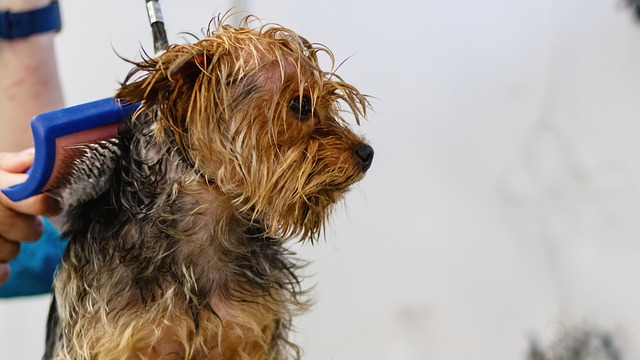
Poodle Coat Types and Care
While all poodles have curly, dense coats, there can be slight variations. Standard Poodles typically have a coarser texture compared to Miniature or Toy Poodles, though all require the same diligent grooming. The key is consistent care and understanding that the poodle’s coat, while often described as hypoallergenic, still requires significant maintenance to prevent matting and skin problems.
Experience Signal: Working with different poodle coats has shown that puppies often have a softer, more cotton-like texture that becomes coarser as they mature. This transition means brushing techniques might need slight adjustments, with more emphasis on getting through the denser adult coat without causing discomfort.
Information current as of June 2026; pricing and product details may change.
Frequently Asked Questions
What is poodle with poodle cut?
poodle with poodle cut is a topic that many people search for.
Why does poodle with poodle cut matter?
Understanding poodle with poodle cut helps you make better decisions. Whether you’re a beginner or have some experience, staying informed on this topic is genuinely useful.
Where can I learn more about poodle with poodle cut?
We recommend checking authoritative sources and official websites for the most current information.
Editorial Note: This article was researched and written by the Pet Magazine editorial team. We fact-check our content and update it regularly. For questions or corrections, contact us.
Related read: Pomeranian Dog Breed Price: What to Expect in 2026
Related read: Belgian Malinois Brindle: Fact vs. Fiction in 2026.
Related read: Red Border Collies: Understanding Their Unique Colour and Temperament.
Related read: The Modern Dog Crate: Choosing the Right Den.