ls and families alike.
Temperament: A Blend of Boldness and Sweetness
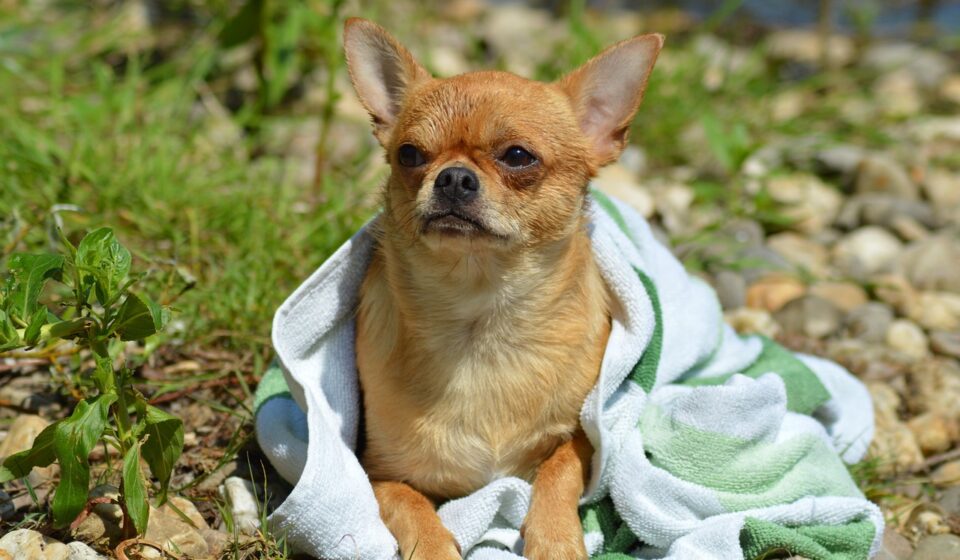
Understanding the temperament of a Pug crossed with a Chihuahua involves looking at the individual traits of each parent breed. Pugs are known for being gregarious, charming, and a bit mischievous, while Chihuahuas can be feisty, loyal, and sometimes possessive. The resulting Chug often strikes a balance, exhibiting a personality that’s both loving and lively.
Last updated: June 11, 2026
As a rule, Chugs tend to be very attached to their owners, often forming a strong bond with one person or family. They can be quite affectionate, enjoying cuddles and close companionship. However, their Chihuahua heritage might lend them a more independent streak or a tendency to be a bit wary of strangers, making early socialization crucial. They can also inherit the Pug’s desire to please, making them eager to engage in training activities.
A common trait seen in this mix is a playful and curious nature. They enjoy interactive toys and games, and their small size makes them well-suited for indoor play. Worth noting is their potential for barking; Chihuahuas are often vocal, and this trait can carry over, so training to manage excessive barking is advisable.
Physical Traits: What Does a Chug Look Like?
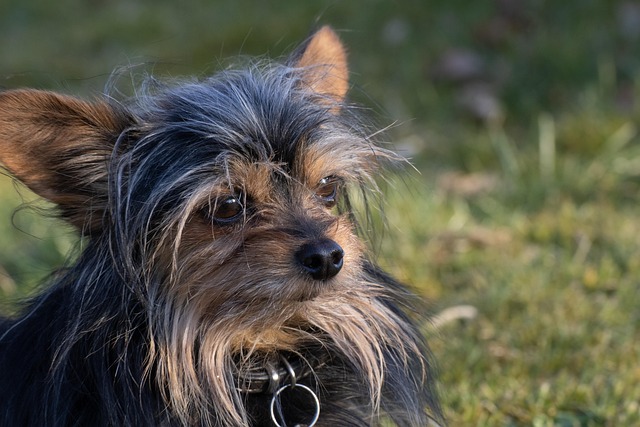
The appearance of a Pug crossed with a Chihuahua can vary significantly, as is typical with hybrid breeds. They generally fall into the small dog category. Most Chugs weigh between 5 and 20 pounds and stand about 6 to 12 inches tall at the shoulder. Their coat colours can range widely, mirroring those of Pugs and Chihuahuas, including fawn, black, white, brindle, or a mix of these.
Their head shape might be a rounded Pug-like skull with a shorter muzzle, or it could be more elongated like a Chihuahua’s. Ears can be erect and pointed (Chihuahua-like), floppy (Pug-like), or a combination. Their tails might curl over their back like a Pug’s, or be straighter. The eyes are typically large and round, common to both breeds.
The muzzle length is a key area where differences can be pronounced. While Pugs have a distinctively short muzzle (brachycephalic), Chihuahuas have a more moderate length. A Chug may have a slightly shortened muzzle, but it’s usually less extreme than a purebred Pug, which can be advantageous for breathing. However, if the muzzle is very short, owners should be vigilant for potential respiratory issues.
Caring for Your Pug Chihuahua Mix
Caring for a Chug involves understanding the specific needs influenced by both parent breeds. Their exercise requirements are moderate. Daily walks, playtime in a secure garden, and indoor games are usually sufficient to keep them happy and healthy. Over-exercising can be detrimental, especially if they inherit a shorter muzzle which can lead to breathing difficulties.
Grooming is relatively straightforward. Their coat, whether short and dense like a Pug’s or slightly longer, typically requires weekly brushing to manage shedding and keep it healthy. Regular nail trims, ear cleaning, and dental care are also essential components of their routine. According to the American Kennel Club (AKC) guidelines for similar small breeds, daily teeth brushing is highly recommended to prevent dental disease.
Given their small size and potential for developing dental issues, a high-quality diet formulated for small breeds is important. Owners should feed them appropriate portion sizes to prevent obesity, which can exacerbate health problems. Consulting with a veterinarian about the best food options and feeding schedule is always a good practice. As of June 2026, premium small-breed dog foods are widely available, offering tailored nutrition.
Training and Socialization: Building a Confident Companion
Training a Pug crossed with a Chihuahua requires patience and consistency, using positive reinforcement techniques. Both parent breeds can be intelligent but also have a stubborn streak. Early socialization is paramount to ensure your Chug grows into a well-adjusted adult dog, comfortable around new people, environments, and other animals.
Begin training and socialization from the moment you bring your puppy home. Short, engaging training sessions using treats, praise, and play work best. Focus on basic obedience commands like ‘sit,’ ‘stay,’ and ‘come.’ Puppy socialization classes are excellent for exposing them to a variety of sights, sounds, and other dogs in a controlled environment.
It’s important to be aware that Chihuahuas can sometimes develop ‘small dog syndrome,’ where they become yappy or dominant due to a lack of consistent boundaries. By providing clear rules, consistent training, and ample positive social interaction, you can help your Chug avoid these issues. A well-socialized and trained Chug is a joy to have around.
Potential Health Concerns for Chugs
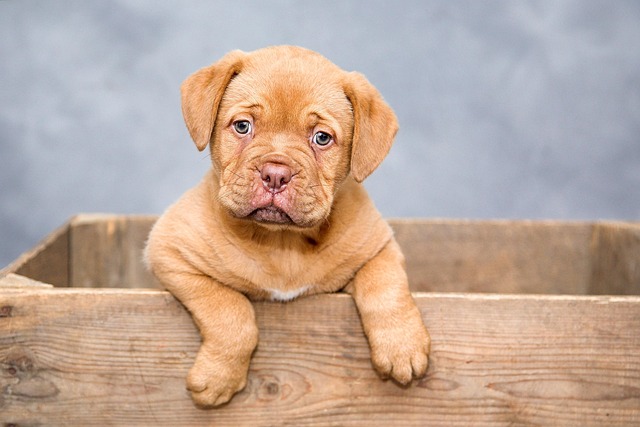
As a hybrid breed, the Pug Chihuahua mix can inherit health issues common to both Pugs and Chihuahuas. Awareness of these potential problems allows owners to provide proactive care and seek veterinary attention promptly. Common concerns include respiratory issues, eye conditions, and dental problems.
Brachycephalic Airway Syndrome (BAS): Pugs are predisposed to BAS due to their short muzzles, which can lead to breathing difficulties, snoring, and heat intolerance. If your Chug inherits a very short muzzle, they may be at higher risk. It’s crucial to monitor them during exercise and in warm weather.
Eye Conditions: Both breeds can be prone to eye problems such as cataracts, dry eye, and corneal ulcers. Regular checks by a veterinarian can help detect these issues early. The large, prominent eyes of both parent breeds can make them more susceptible to injury.
Dental Issues: Small breeds, including Chihuahuas and Pugs, often suffer from dental overcrowding and periodontal disease. This can lead to pain, tooth loss, and even systemic infections if left untreated. Regular dental check-ups and at-home care are vital. According to the Veterinary Oral Health Council (VOHC), regular brushing is the most effective way to prevent dental disease in dogs.
Patellar Luxation: This condition, where the kneecap dislocates, is common in small breeds like Chihuahuas. It can cause lameness and pain. Careful observation of your dog’s gait can help identify this issue.
Exercise and Activity Levels
The Pug crossed with a Chihuahua is not an overly demanding breed when it comes to exercise. Their small size means they don’t require vast amounts of space or strenuous activity. A couple of short walks per day, perhaps 15–20 minutes each, along with some indoor playtime, will usually suffice to keep them physically and mentally stimulated.
Activities like fetch in a small yard, puzzle toys, or even just interactive games with their owner can provide ample mental enrichment. Owners should be mindful of their dog’s energy levels and any potential breathing limitations, especially in hot weather. It’s about quality and consistency rather than quantity when it comes to exercise for a Chug.
A unique insight for this breed is that their desire for companionship often means they prefer spending time with their humans over long, solitary excursions. They thrive on interaction. Their moderate exercise needs make them adaptable to various living situations, including apartments, provided they get their daily dose of activity and mental engagement.
Feeding Your Chug: Nutrition for Small Breeds
Choosing the right diet for your Pug crossed with a Chihuahua is crucial for their overall health and longevity. Given their small stature and potential for certain health issues, a high-quality, small-breed specific dog food is typically recommended. These foods are formulated with smaller kibble sizes, making them easier to chew, and often contain balanced nutrients tailored to the needs of smaller dogs.
Look for dog foods with a named meat source as the first ingredient. Proteins like chicken, turkey, or fish are excellent choices. Avoid foods with excessive fillers, artificial colours, or preservatives. According to the World Small Animal Veterinary Association (WSAVA) Global Nutrition Guidelines, dog foods that meet established nutritional standards are preferred, and consulting your veterinarian can help identify suitable brands.
Portion control is vital. Overfeeding can quickly lead to obesity in small dogs, which can worsen conditions like patellar luxation and respiratory problems. Follow the feeding guidelines on the dog food packaging, but adjust based on your dog’s activity level, age, and metabolism. As of June 2026, many brands offer specialised formulas, including those for sensitive stomachs or specific life stages.
Is a Pug Chihuahua Mix Right for Your Family?
The Pug crossed with a Chihuahua can make a wonderful pet for the right household. They are generally good with children, provided the children are taught to interact gently and respectfully with small dogs. Their small size means they can be accidentally injured by very young or boisterous children, so supervision is always recommended.
They are also adaptable to apartment living due to their size and moderate exercise needs. However, their potential for barking means they might not be ideal for owners who require absolute quiet, or for living in buildings with very strict noise policies. Their strong bond with their owners means they can suffer from separation anxiety if left alone for extended periods.
A practical insight for potential owners is to consider the grooming and potential health costs. While grooming is manageable, regular vet check-ups, potential dental cleanings, and treatments for inherited conditions can add up. Understanding these factors before bringing a Chug home will ensure a more harmonious and prepared relationship.
Frequently Asked Questions
What is a Pug Chihuahua mix called?
A Pug crossed with a Chihuahua is commonly known as a ‘Chug.’ Other less common names include ‘Pugwawa,’ ‘Chiu-Pug,’ or ‘Pug-Chi.’ These nicknames reflect the affectionate and sometimes playful nature of this hybrid breed.
Are Chugs good family dogs?
Yes, Chugs can be excellent family dogs, especially in households with older children who understand how to handle small dogs gently. They are loyal, affectionate, and enjoy being part of family activities.
How much exercise does a Pug Chihuahua mix need?
A Pug Chihuahua mix requires moderate exercise. Daily short walks and indoor playtime are usually sufficient. They are not built for strenuous activities and can overheat easily if they inherit a shorter muzzle.
What are common health problems for Pug Chihuahua mixes?
Common health concerns include breathing difficulties (Brachycephalic Airway Syndrome), eye conditions like cataracts, and dental issues due to their small mouths and potential for overcrowding. Patellar luxation is also a risk.
How big do Pug Chihuahua mixes get?
Pug Chihuahua mixes typically weigh between 5 and 20 pounds and stand about 6 to 12 inches tall. Their size can vary depending on which parent breed’s genetics are more dominant.
What is the lifespan of a Pug Chihuahua mix?
With proper care, a healthy Pug Chihuahua mix can live between 10 to 15 years. Regular veterinary check-ups, a balanced diet, and appropriate exercise contribute to a longer, healthier life.
Do Chugs shed a lot?
Chugs generally have a coat that sheds moderately, similar to their parent breeds. Weekly brushing can help manage shedding and keep their coat in good condition.
Information current as of June 2026; pricing and product details may change.
Editorial Note: This article was researched and written by the Pet Magazine editorial team. We fact-check our content and update it regularly. For questions or corrections, contact us. Knowing how to address pug crossed with chihuahua early makes the rest of your plan easier to keep on track.
Related read: Finding the Perfect Male German Shepherd Names for Your 2026 Companion
Related read: Neapolitan Mastiff: Gentle Giant's Guide to Temperament,
Related read: Mustang Horse: Your 2026 Guide to These Iconic Equines.