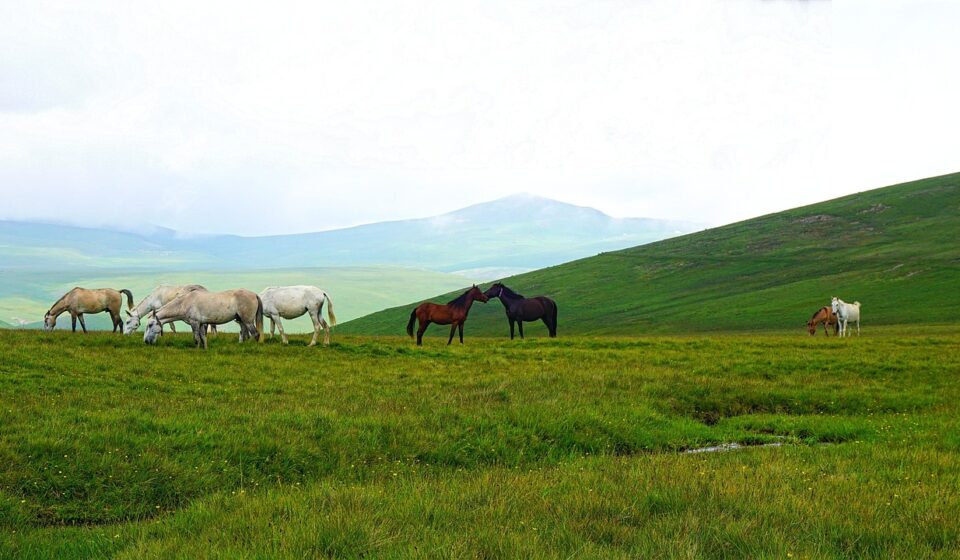
Mustang a horse: The Enduring Spirit of the Mustang Horse
This guide covers everything about mustang a horse. The Mustang horse is more than just an animal; it’s a living emblem of the American West, a testament to resilience and freedom. These free-roaming equines, descendants of horses brought to the Americas by Spanish explorers centuries ago, embody a spirit that has captured imaginations for generations. While often called “wild horses,” they are technically feral, meaning they are descended from domesticated animals that have returned to a wild state. As of May 2026, the fascination with Mustangs continues to grow, driven by their unique history, striking appearance, and independent nature.
Last updated: May 19, 2026
Key Takeaways
- Mustangs are feral horses descended from Spanish Colonial horses, not truly wild.
- They are vital to the ecosystems and cultural heritage of the Western United States.
- Their management is a complex, ongoing challenge involving government agencies and conservation groups.
- Adoption programs offer a chance to own a Mustang, requiring specific knowledge and commitment.
- Mustangs possess unique physical and temperamental traits shaped by their ancestral history and environment.
A Journey Through Time: Mustang Origins
The story of the Mustang horse begins in the 16th century with the arrival of Spanish conquistadors. They brought with them Iberian horses, including Andalusians and Barbs, renowned for their stamina, courage, and intelligence. These horses, along with others that escaped or were lost over time, formed the foundational population of what would become the Mustang. Escaped horses, abandoned by explorers, or stolen from settlements, found refuge in the vast, open ranges of North America, particularly in the Great Plains and the American Southwest.
Over centuries, these horses adapted to their environment, developing the hardy physique and keen survival instincts that define them today. They formed herds, often led by dominant stallions, and learned to thrive in harsh conditions with limited resources. This natural selection process, uninfluenced by human breeding practices for many generations, resulted in a horse that’s exceptionally resilient and adaptable. The term “Mustang” itself is believed to derive from the Spanish word “mestengo,” meaning “ownerless beast” or “stray.” The American Mustang Project highlights this lineage, emphasizing the breed‘s independent journey.
What Makes a Mustang Unique?
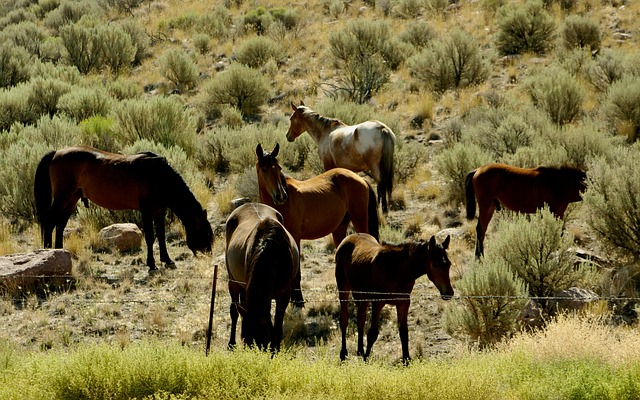
Mustangs are celebrated for their distinctive characteristics, shaped by their ancestry and the demands of life on the open range. They typically stand between 13.2 and 15.2 hands high, with a strong build that speaks to their hardiness. Their conformation often reflects their Spanish heritage, featuring a refined head, a strong back, and well-muscled hindquarters. Mustang a horse allows them to navigate challenging terrain and endure long distances.
Their coats come in a wide array of colours, including bay, sorrel (chestnut), black, grey, dun, and roan. Many Mustangs also exhibit primitive markings like dorsal stripes, shoulder stripes, and leg barring, further connecting them to their ancient lineage. The temperament of a Mustang is often described as intelligent, spirited, and cautious. Having survived in the wild, they are naturally alert and possess a strong flight response. However, with consistent, patient handling, they can develop deep bonds with humans and prove to be incredibly loyal and trainable partners.
Worth noting, the temperament can vary significantly. Mustangs that have been managed and handled from a young age by organisations like the Mustang Heritage Foundation may exhibit a more amenable disposition than those captured directly from the wild. This requires understanding that each Mustang is an individual with a unique past.
The Challenge of Wild Horse Management
The management of wild Mustang populations is a complex and often contentious issue. The Bureau of Land Management (BLM) in the United States is primarily responsible for overseeing these populations on public lands. Their mandate includes ensuring the health and welfare of the horses while also managing herd sizes to prevent overgrazing and ecological damage. As of 2026, the BLM continues to employ various strategies, including gather operations to remove excess animals, adoption programs to find homes for them, and fertility control methods to manage population growth.
Gathering wild horses involves carefully corralling them, often using helicopters, which can be stressful for the animals. The BLM aims to conduct these operations humanely, but criticism from animal welfare groups persists. The goal is to maintain a balance that supports both the horses and the delicate ecosystems they inhabit. Conservation efforts by organisations like the American Mustang Project focus on advocating for humane management practices and raising public awareness about the importance of these animals.
A significant challenge is the sheer number of Mustangs residing on public lands. According to the BLM’s own reports, herd populations can fluctuate significantly year to year, necessitating continuous monitoring and intervention. Balancing the needs of thousands of free-roaming horses with ecological sustainability and private land use is an ongoing effort that requires constant adaptation and public engagement. The Libber Horsemanship Academy’s work with adopted Mustangs demonstrates one facet of this, focusing on training and integration.

Adopting a Mustang: A Rewarding Endeavor
For many, the dream of owning a Mustang is realised through adoption programs. Organisations such as the Mustang Heritage Foundation and Mustang Rescue facilitate these adoptions, offering these resilient animals a second chance at a fulfilling life. Adopting a Mustang is an incredibly rewarding experience, but it demands a significant commitment and a thorough understanding of their unique needs. These are not horses that have been raised in a typical domestic environment; they have survived on instinct and self-reliance.
Potential adopters must typically meet stringent requirements to ensure they can provide a suitable home. This often includes having appropriate fencing, shelter, and access to trained veterinary and farrier care. The temperament of an adopted Mustang can vary greatly depending on their age, prior handling, and individual personality. Some may have had minimal human contact, while others might have undergone basic training. It’s crucial for adopters to seek guidance and be prepared for the patience and consistency required to build trust and train their new equine companion.
The Mustang Heritage Foundation, for instance, often works with individuals and organisations to train Mustangs before they are available for adoption, making the transition smoother for both horse and adopter. Prices for adoption can vary; the Mustang Rescue website, for example, lists available horses with adoption fees often ranging from $125.00 for trained animals to $25.00 for others, reflecting the investment in their care and training. As of May 2026, these programs remain a critical pathway for giving these incredible animals a loving home.
Caring for Your Mustang: What to Expect
Providing proper care for a Mustang involves understanding their inherent hardiness and specific needs. Because they are descended from horses accustomed to scarce resources, they are often more efficient feeders than many domesticated breeds. This means they can be prone to weight gain and related health issues like laminitis if fed rich pasture or excessive concentrates without appropriate exercise. A diet based on good quality forage, supplemented only as needed based on their workload and health status, is generally recommended. Organisations like Mad Barn provide extensive resources on equine nutrition, which can be invaluable for Mustang owners.
Regular veterinary check-ups and hoof care are paramount. Mustangs, having evolved on rougher terrain, often have strong, durable hooves. However, they still require regular trimming and attention from a qualified farrier. Their natural resilience means they often have strong immune systems, but like all horses, they are susceptible to common equine diseases and require up-to-date vaccinations and deworming protocols. Understanding their behaviour is also key; their alert nature means they benefit from consistent training and a stimulating environment to prevent boredom and potential behavioural issues.
The wrinkle here is that while Mustangs are hardy, they are not maintenance-free. Their intelligence means they need mental stimulation, and their strong prey drive means they require skilled handling. For novice horse owners, adopting a Mustang might be a significant challenge. It’s often recommended to have prior experience with horses or to seek out experienced mentors and trainers familiar with these unique equines. Exploring resources from the American Quarter Horse Association (AQHA), which documents a broad range of horse breeds and care, can offer general insights into horse husbandry applicable to Mustangs.
Icons of Freedom: Mustangs in Culture
The Mustang horse has profoundly influenced American culture, becoming a powerful symbol of freedom, independence, and the untamed spirit of the frontier. They feature prominently in literature, art, film, and music, often depicted as noble steeds running wild across the plains. Their image evokes a sense of adventure and connection to nature that resonates deeply with many.
In equestrian sports, Mustangs are increasingly gaining recognition. Their intelligence, athleticism, and trainability make them capable partners in various disciplines, from trail riding and endurance events to Western disciplines like reining and cutting. The adoption of wild Mustangs into domestic life allows them to showcase their versatility and prove that these “once wild” horses can excel in partnership with humans. Events that showcase Mustang training, such as those organised by the Mustang Heritage Foundation, highlight the incredible transformation and potential of these animals.
The Ford Mustang, a widely recognised automobile, even shares its name and a spirit of freedom with the horse, further embedding the Mustang into the cultural consciousness. This shared identity underscores the powerful symbolism of the Mustang – a creature that embodies both wildness and the potential for a harmonious relationship with humankind.
Common Pitfalls When Working with Mustangs
One of the most common mistakes people make when considering a Mustang is underestimating their intelligence and their deeply ingrained instincts. Because they are known for their hardiness and can survive on less, some assume they are easier to manage than more pampered breeds. This is rarely the case. Their wariness, a survival trait, can be misread as stubbornness, and their quick reactions, honed by a life of self-preservation, can be overwhelming for inexperienced handlers.
Another pitfall is the belief that all Mustangs are the same. Just like any breed, individual personalities vary. A Mustang that has had some positive handling might be very different from one that has only known the wild. Assuming a “cookie-cutter” approach to training or care will lead to frustration. It’s essential to assess each Mustang as an individual, building trust through consistent, positive reinforcement methods.
Finally, inadequate preparation is a major error. Potential adopters might not realise the level of commitment required, not just in terms of time and finances, but also in seeking out experienced trainers and resources specific to Mustang behaviour. Failing to establish proper containment, secure fencing, or not having a solid plan for training and integration can lead to difficulties and even the potential failure of the adoption. It’s vital to consult with adoption agencies like Mustang Rescue or the Mustang Heritage Foundation for guidance before bringing a Mustang home.
Expert Insights for Mustang Enthusiasts
When working with Mustangs, patience is not just a virtue; it’s a necessity. They often require more time to build trust than domesticated breeds. Focus on positive reinforcement and clear, consistent communication. Understanding their body language is crucial – a flick of an ear, a swish of the tail, or a shift in weight can tell you a lot about their state of mind.
For those looking to adopt, consider attending Mustang training events or clinics. Witnessing experienced trainers work with these horses can provide invaluable insights. If possible, look for Mustangs that have already undergone some gentling or basic training through BLM-approved programs. This can significantly ease the transition and set you up for a more successful partnership. Organisations like the 23ABC News Bakersfield have covered stories of students training adopted Mustangs, showcasing successful integration.
Finally, remember that Mustangs are more than just horses; they are survivors with a rich history. Respect their wild heritage while guiding them into a domestic life. This balanced approach, combining firm but fair handling with understanding and empathy, is the key to unlocking the full potential of a Mustang horse. Their journey from the wild to a loving partnership is a testament to their spirit and the dedication of those who work with them.
Frequently Asked Questions
Are Mustangs truly wild horses?
No, Mustangs are technically feral horses. They are descended from domesticated horses brought to the Americas by Spanish explorers, which later returned to a wild state. They are not a distinct, naturally occurring wild species.
What is the average lifespan of a Mustang horse?
As of May 2026, a well-cared-for Mustang in a domestic environment can live between 25 and 30 years, sometimes longer. In the wild, their lifespan can be shorter due to environmental challenges and resource scarcity.
Can Mustangs be ridden?
Yes, Mustangs can be ridden and are capable of excelling in various equestrian disciplines. Their intelligence, athleticism, and trainability make them suitable for experienced riders who understand their unique needs.
Where can I find Mustangs for adoption?
Mustangs can be adopted through programs managed by the Bureau of Land Management (BLM) and organisations like the Mustang Heritage Foundation and Mustang Rescue. These programs aim to find suitable homes for horses removed from public lands.
What kind of fencing is needed for a Mustang?
Mustangs require secure fencing, typically at least 5 to 6 feet high, made from sturdy materials like wood, vinyl, or heavy-gauge wire. Their strong build and potential for high energy mean that less strong fencing may not be sufficient.
Are Mustangs aggressive?
Mustangs are not inherently aggressive, but they are naturally wary and have a strong flight response due to their wild upbringing. With patient handling and trust-building, they can become very calm and reliable companions.
How much does it cost to adopt a Mustang?
Adoption fees for Mustangs can vary. The BLM often has a set fee, and organisations like Mustang Rescue may charge between $25.00 and $125.00, depending on the horse’s training and age, as of May 2026.
Last reviewed: May 2026. Information current as of publication; pricing and product details may change.
Editorial Note: This article was researched and written by the Pet Magazine editorial team. We fact-check our content and update it regularly. For questions or corrections, contact us. Knowing how to address mustang a horse early makes the rest of your plan easier to keep on track.