The Enduring Appeal of the Pug
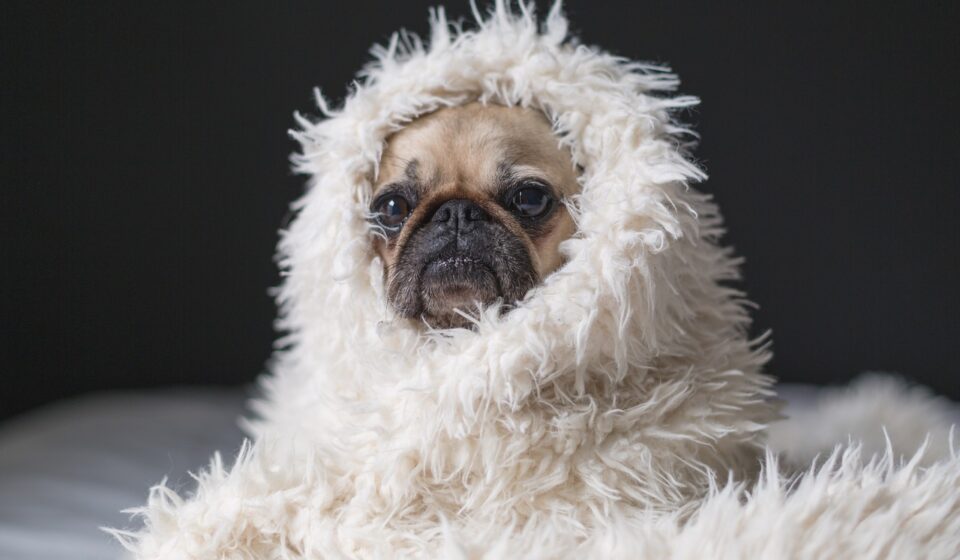
Pugs are one of those breeds that immediately bring a smile to your face. Their distinctive wrinkled faces, bulging eyes, and comical snorts have cemented their place as one of the most recognizable and adored dog breeds globally. As of July 2026, their popularity shows no signs of waning, thanks to their charming personalities and adaptable nature, making them a favourite for singles, couples, and families alike.
Last updated: July 6, 2026
But beneath that endearing, sometimes stubborn, exterior lies a dog with specific needs. Understanding these requirements is crucial for any prospective or current pug owner. This guide delves into what makes a pug tick, from their historical roots to their modern-day care, ensuring your wrinkled friend thrives.
- Pugs are known for their sociable, charming, and often mischievous temperament, thriving on human companionship.
- Their brachycephalic (short-nosed) structure predisposes them to breathing difficulties and heat intolerance, requiring careful management.
- Regular grooming is essential to keep their facial wrinkles clean and prevent skin infections.
- Pugs are generally good with children and other pets when properly socialized from a young age.
- Despite their small size, they require moderate daily exercise to prevent obesity and maintain health.
From Ancient Courts to Modern Homes
The Pug’s journey began centuries ago, with origins tracing back to ancient China. Emperors highly prized these dogs, often living in luxury and even guarded by special soldiers. Their distinctive appearance, particularly the facial wrinkles, was considered a mark of nobility, with some believing the wrinkles resembled the Chinese character for ‘prince’.
By the 16th century, Dutch traders introduced Pugs to Europe, where they quickly gained favour among royalty and the aristocracy. They became particularly associated with the House of Orange in the Netherlands and later with Queen Victoria in the United Kingdom during the 19th century. Queen Victoria herself was a passionate Pug owner, which further boosted their popularity. This long history as cherished companions highlights their innate ability to bond closely with humans.
The Charismatic Clown: What to Expect from a Pug
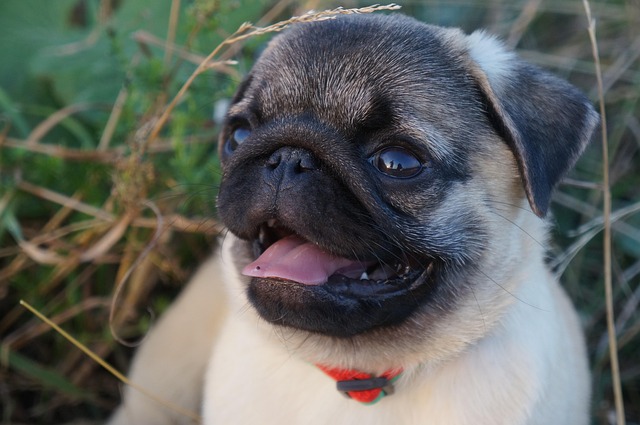
Pugs are often described as having a big personality packed into a small body. They are known for being incredibly sociable, affectionate, and eager to please. Their playful nature means they can be quite mischievous, often delighting their owners with comical antics. They thrive on attention and can become quite attached to their human families, sometimes developing separation anxiety if left alone for long periods.
The American Kennel Club characterizes the Pug’s personality as “even-tempered and charming.” They are typically good-natured and get along well with children, making them a popular choice for families. Early socialization is key, however, to ensure they are comfortable around new people, other dogs, and different environments. Their desire for companionship means they often follow their owners from room to room, happy to be involved in all family activities.
Navigating Pug Health: Common Issues to Watch For
One of the most significant considerations for Pug owners is their brachycephalic (short-nosed) anatomy. This trait, while contributing to their unique look, predisposes them to a range of health issues. Breathing difficulties are common, especially in warm weather or during strenuous activity. Owners must be vigilant about preventing overheating and ensuring they don’t overexert their pets.
According to the Pug Dog Club of America, other common health concerns include:
- Brachycephalic Obstructive Airway Syndrome (BOAS): Affects their ability to breathe easily.
- Eye Conditions: Such as proptosis (eyeball displacement), dry eye, and corneal ulcers, due to their prominent eyes.
- Skin Fold Dermatitis: Infections can occur in the deep wrinkles of their face if not kept clean and dry.
- Hip Dysplasia: A developmental condition affecting the hip joint.
- Demodectic Mange: A skin condition caused by mites.
- Patellar Luxation: Where the kneecap dislocates.
Regular veterinary check-ups are essential for early detection and management of these potential problems. Choosing a reputable breeder who screens their dogs for common health issues can significantly reduce the risk of inheriting certain conditions.

Caring for Your Pug: Practical Advice for Owners
Providing proper care for a Pug involves attention to their unique physical and behavioural needs. Beyond regular veterinary visits, daily care is paramount.
Diet and Exercise: Pugs have a tendency to gain weight easily, so a balanced diet and moderate exercise are crucial. They aren’t built for endurance, so short, regular walks are more appropriate than long, strenuous hikes. As of July 2026, many veterinarians recommend a high-quality kibble formulated for small breeds, with portion control being key. Treats should be given sparingly.
Grooming: Their short, smooth coat requires regular brushing, typically a couple of times a week, to remove loose hair and keep the coat healthy. The most critical grooming task is cleaning their facial wrinkles daily. Use a damp cloth or veterinarian-approved wipes to gently clean between the folds, ensuring they are thoroughly dried to prevent moisture buildup and subsequent skin infections. Regular nail trims and ear cleaning are also part of a complete grooming routine.
Training: Pugs are intelligent but can also be stubborn. Positive reinforcement methods, such as praise, treats, and play, work best. Consistency is key, and short, engaging training sessions are more effective than long, drawn-out ones. Early socialization and obedience training can help them develop into well-adjusted adult dogs.
Are Pugs Good Family Dogs?
Pugs generally make excellent family pets. Their affectionate nature means they bond strongly with their families, including children. They are usually patient and tolerant, which are desirable traits in a family dog. However, due to their small size and tendency to be boisterous during play, close supervision is recommended when very young children interact with them to prevent accidental injury to the dog.
Their adaptable nature means they can thrive in various living situations, including apartments, provided they receive adequate attention and exercise. They aren’t excessively barky, which is often appreciated by neighbours in close living quarters. As mentioned, early socialization with children and other pets will help them grow into well-rounded, friendly companions.
Choosing a Healthy Pug Puppy
When looking to bring a Pug into your home, it’s vital to find a healthy puppy from a responsible source. Avoid purchasing from pet shops or online advertisements that lack transparency. Instead, seek out reputable breeders who prioritise the health and temperament of their dogs. A good breeder will:
- Allow you to meet the puppy’s parents.
- Provide health clearances for common Pug ailments from veterinary specialists.
- Be knowledgeable and willing to answer all your questions.
- Offer a health guarantee.
- Be transparent about the breed’s potential health challenges.
Alternatively, consider adopting a Pug from a breed-specific rescue organisation or a general animal shelter. Many wonderful Pugs are in need of loving homes, and rescue organisations often have a good understanding of the dog’s temperament and any existing health issues.
Common Pitfalls for New Pug Owners
One of the most frequent mistakes new owners make is underestimating the health risks associated with their brachycephalic status. This can lead to owners pushing their Pugs too hard during exercise or exposing them to extreme temperatures, which can have serious consequences. Always be mindful of your Pug’s breathing and heat tolerance. According to the AVMA (American Veterinary Medical Association), heatstroke is a serious risk for brachycephalic breeds.
Another common error is neglecting the daily cleaning of facial wrinkles. This can quickly lead to painful skin infections. Additionally, overfeeding is a pervasive issue, contributing to obesity which exacerbates breathing problems and joint issues. Stick to a strict feeding schedule and use exercise to manage weight, rather than relying on extra treats.
Living with a Pug: Expert Tips
For owners looking to ensure their Pug lives a happy and healthy life, consistent routines are key. Providing mental stimulation through puzzle toys and training sessions can prevent boredom and associated behavioural issues. A well-exercised and mentally stimulated Pug is often a more contented Pug.
When it comes to their social nature, remember that Pugs are pack animals and thrive on being part of the family. If you’re often out for long hours, consider a dog walker or doggy daycare to prevent loneliness. Their sensitive nature means they respond best to kindness and positive reinforcement; harsh training methods can damage their confidence and trust.
Frequently Asked Questions About Pugs
What is the average lifespan of a Pug?
As of July 2026, the average lifespan for a Pug is typically between 12 to 15 years. This can vary based on genetics, diet, exercise, and overall health care provided by the owner.
Are Pugs high-maintenance dogs?
Pugs require consistent daily care, particularly with grooming their facial wrinkles and monitoring their breathing due to their brachycephalic nature. While not as demanding as some breeds, they require significant owner attention and proactive health management, making them moderately high maintenance.
Can Pugs live in apartments?
Yes, Pugs are well-suited for apartment living. They don’t require vast amounts of space and are generally content with indoor living, provided they get daily walks and sufficient attention. Their moderate exercise needs and relatively quiet nature make them good urban companions.
Why do Pugs snore and make funny noises?
The characteristic snoring, snorting, and grunting noises are due to their short muzzles and elongated soft palates, common in brachycephalic breeds. While often endearing, these sounds can also indicate underlying respiratory issues that may require veterinary attention.
How much exercise do Pugs really need?
Pugs need moderate daily exercise. Two short walks (15–20 minutes each) per day are usually sufficient. It’s crucial to avoid strenuous activity, especially in hot or humid weather, to prevent overheating and breathing distress.
What colours do Pugs come in?
The most common colours for Pugs are fawn and black. Fawn Pugs can range from light beige to a deeper apricot colour, often with a black mask. Black Pugs have a solid black coat. Less common colours may exist but are not recognised by all kennel clubs.
Embracing the Pug Life
Pugs are truly unique companions. Their blend of affectionate charm, comical personality, and historical significance makes them a breed apart. While their distinctive looks come with specific health considerations that require attentive care, the rewards of sharing your life with a Pug are immense. By understanding their needs and committing to their well-being, you can ensure your wrinkled friend brings joy and laughter for many years to come.
If you’re considering a Pug, remember that responsible ownership means being prepared for their unique health challenges and dedicating time to their grooming and socialization. The effort is well worth the immense love and companionship they offer.
Information current as of July 2026; pricing and product details may change.
Editorial Note: This article was researched and written by the Pet Magazine editorial team. We fact-check our content and update it regularly. For questions or corrections, contact us.
Related read: How Often Do Puppies Poop in 2026? A Vet-Approved Guide
Related read: Greyhound Puppy Essentials: Your 2026 Guide to a Happy Hound
Related read: Small Hypoallergenic Dog Breeds: Your 2026 Guide to
Related read: The Golden Shepherd: What to Know About This Golden.