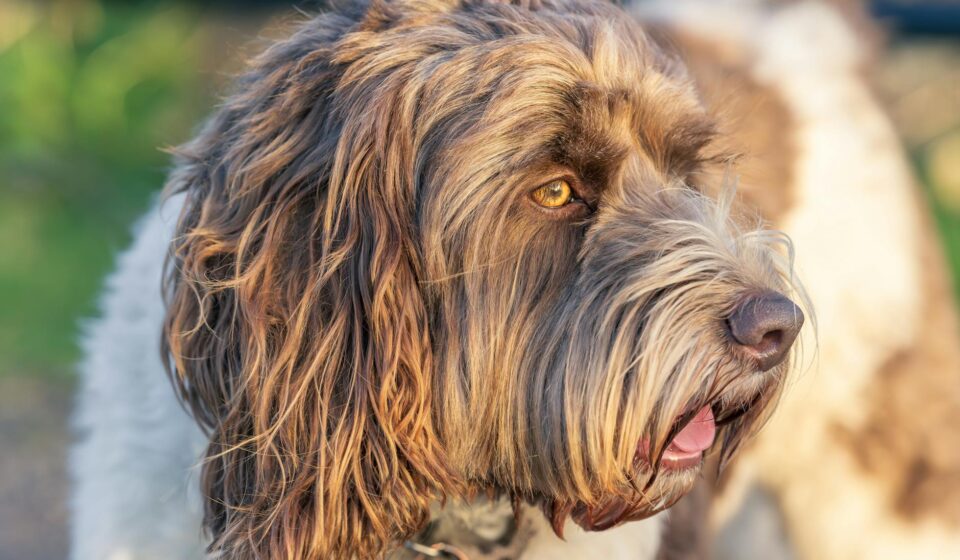
Understanding the Newfiepoo: A 2026 Overview
The Newfiepoo, a captivating crossbreed merging the gentle giant Newfoundland with the intelligent Poodle, has steadily gained traction among UK dog enthusiasts. As of May 2026, prospective owners are increasingly drawn to this hybrid’s potential for a large, cuddly, yet relatively low-shedding companion. However, the allure of a designer dog like the Newfiepoo comes with significant financial considerations. This complete guide aims to demystify the costs associated with acquiring and maintaining a Newfiepoo in the UK, providing a realistic picture for those considering welcoming one into their home.
A common question asked is how the cost of a Newfiepoo stacks up against its parent breeds or other popular hybrid dogs. While precise figures fluctuate, understanding the key factors influencing price—from breeder reputation to health testing—is crucial for any budget-conscious prospective owner.
- Newfiepoo puppies can range significantly in price, typically from £1,500 to £3,000 or more in the UK as of 2026, depending on breeder, lineage, and health clearances.
- Beyond the initial purchase, anticipate annual costs for food, veterinary care, grooming, training, and potential pet insurance, often totalling £1,000-£2,500 or more.
- Care requirements, particularly grooming and exercise, are substantial due to the breed’s size and coat type, necessitating a significant time and financial commitment.
- Responsible breeding practices, including thorough health testing of parent breeds, contribute to a higher initial cost but can mitigate future veterinary expenses.
- The Newfiepoo’s temperament is generally good-natured and intelligent, but requires consistent training and socialisation from an early age, incurring costs for classes or professional help if needed.
The Initial Investment: Newfiepoo Puppy Purchase Price
The most immediate cost associated with a Newfiepoo is the initial purchase price of a puppy. In the UK, as of May 2026, you can expect to pay anywhere from £1,500 to £3,000, and sometimes even upwards of £3,500 for a well-bred Newfiepoo. This price is influenced by several critical factors, primarily the reputation and ethical practices of the breeder.
Reputable breeders invest heavily in the health, socialisation, and genetic screening of their parent dogs. This includes extensive health tests for conditions common in both Newfoundlands (such as hip and elbow dysplasia, cardiac issues, and cystinuria) and Poodles (like progressive retinal atrophy and von Willebrand’s disease). The cost of these thorough screenings, combined with responsible care for the dam and puppies, is reflected in the asking price.
Conversely, less scrupulous breeders, often found advertising online or at pet shops, may offer puppies at lower prices. However, these savings often come at a hidden cost. Puppies from such sources may have undocumented health issues, poor temperaments due to inadequate socialisation, and may require significantly more veterinary intervention down the line, negating any initial savings.
Understanding Parentage: How Breed Influences Cost
The Newfiepoo’s price is intrinsically linked to the established value and demand for its parent breeds, the Newfoundland and the Poodle. Both are popular breeds with their own associated costs for responsible breeding.
Newfoundlands, known for their gentle nature and impressive size, often command a significant price due to their specialised breeding needs. Responsible Newfoundland breeders focus on maintaining the breed’s distinctive temperament, health, and physical characteristics, which involves considerable investment in health testing and careful lineage selection. Similarly, Poodles, particularly the Standard Poodle, are highly sought after for their intelligence and hypoallergenic coats, also making them a valuable breed to breed from.
When these two breeds are crossed, the resulting Newfiepoo inherits traits from both. The desirability of these combined traits—such as a large, cuddly presence with a potentially lower-shedding coat—contributes to the hybrid’s market value. Breeders who specialise in producing healthy, well-socialised Newfiepoos from health-tested parent stock will naturally charge a premium for their expertise and the welfare of the dogs.
Health Testing and Genetic Screening: A Crucial Factor
Responsible breeders prioritise the health of their puppies by conducting complete genetic testing and health screenings on the parent dogs. For a Newfiepoo, this means ensuring both the Newfoundland and Poodle parents are screened for breed-specific conditions.
Common health concerns in Newfoundlands include hip and elbow dysplasia, cardiac conditions like subvalvular aortic stenosis (SAS), and eye disorders. Poodles are prone to progressive retinal atrophy (PRA), hip dysplasia, and von Willebrand’s disease. A reputable breeder will provide documentation proving that the parents have been screened and cleared for these potential issues.
The cost of these extensive health checks—which can run into hundreds of pounds per dog—is invariably factored into the puppy’s price. While this increases the upfront cost, it’s a vital investment that can significantly reduce the likelihood of costly veterinary treatments for genetic diseases later in the dog’s life. Owners should always request to see health clearance certificates from organisations like the Kennel Club or relevant veterinary specialists.
Beyond the Purchase Price: Ongoing Costs of Newfiepoo Ownership
The initial outlay for a Newfiepoo puppy is just the beginning. The ongoing costs of care can be substantial, especially given the breed’s large size and potential health needs. As of May 2026, prospective owners should budget approximately £1,000 to £2,500 annually for a medium-to-large dog, with a Newfiepoo potentially leaning towards the higher end.
Food and Nutrition: A large breed like the Newfiepoo consumes a considerable amount of food. High-quality kibble or a raw diet formulated for large breeds is essential for their health and development. Expect to spend between £50-£100 per month on food alone, depending on the brand and type of diet chosen. Larger bags and bulk purchases can sometimes offer savings.
Veterinary Care: Regular check-ups, vaccinations, flea and worming treatments are standard annual expenses. These typically range from £200-£500 per year. However, Newfiepoos, like all breeds, can develop unexpected illnesses or injuries.
It’s prudent to factor in potential emergency vet visits, which can easily run into hundreds or even thousands of pounds. Pet insurance is highly recommended; complete policies for a large breed can cost between £40-£80 per month, depending on coverage and excess levels.
Grooming: The Newfiepoo’s coat, a blend of Newfoundland’s dense fur and Poodle’s curly hair, requires diligent grooming. Daily brushing is often necessary to prevent matting, particularly around the ears, legs, and tail. Professional grooming sessions every 6-8 weeks, costing £60-£120 each, may be necessary to maintain coat health and prevent discomfort. Investing in quality grooming tools for home use—brushes, combs, detangling spray, and potentially a professional-grade grooming dryer—will also add to the initial and ongoing expenses.
Training and Socialisation: Early socialisation and consistent training are vital for a well-adjusted Newfiepoo. Puppy socialisation classes typically cost £100-£200. Basic obedience training may require further classes or private sessions, especially given the breed’s size and strength. Professional trainers can charge £40-£80 per hour for private lessons. Investing in training pays dividends in a well-behaved companion.
Toys and Accessories: Durable toys, a comfortable bed (often larger and more expensive for this breed), food and water bowls, leads, collars, and harnesses all represent initial and replacement costs. For a large breed, these items tend to be more strong and thus pricier.
The Cost of Diet: Feeding a Large Breed
The sheer size of a Newfiepoo means that food costs will be a significant recurring expense. A mature Newfiepoo can weigh anywhere from 45kg to over 65kg, requiring a substantial daily intake of food.
Opting for high-quality, large-breed-specific dog food is paramount. These foods are formulated with appropriate levels of protein, fat, and essential nutrients to support bone and joint health, crucial for preventing conditions like hip and elbow dysplasia. Cheaper, lower-quality foods may lead to nutritional deficiencies or digestive issues, ultimately costing more in vet bills.
As of May 2026, a 12kg bag of premium large-breed kibble can cost between £50-£80. Depending on the dog’s age, activity level, and metabolism, a Newfiepoo might consume 2-4 cups of food per day. This translates to roughly one large bag every 3-6 weeks, leading to monthly food bills in the region of £50-£100.
Bulk buying from online retailers or local pet suppliers might offer a slight discount. For those considering raw feeding, the costs can be comparable or even higher, depending on the mix of meats, organs, and supplements used.
Grooming: A Time-Consuming and Costly Necessity
The Newfiepoo’s coat is a defining characteristic, a dense double coat that requires significant attention. The Newfoundland contributes a thick, water-repellent outer coat and a soft undercoat, while the Poodle’s contribution can range from wavy to tightly curled hair. This combination often results in a coat that sheds minimally but is prone to matting if not regularly maintained.
Daily brushing, ideally for 20-30 minutes, is recommended to prevent tangles and remove loose hair. Special attention should be paid to areas that are prone to matting, such as behind the ears, the ‘feathers’ on the legs, and the tail. Investing in good quality brushes, a slicker brush, a metal comb, and a detangling spray is essential for home grooming.
Many Newfiepoo owners find professional grooming indispensable. A full groom typically includes bathing, drying, clipping (if desired or necessary), de-shedding, nail trimming, and ear cleaning. These sessions can cost between £60 and £120, and are often recommended every 6-8 weeks.
Over time, these professional grooming costs can add up to several hundred pounds annually. Some owners opt for a ‘puppy cut’ or a shorter style to reduce the frequency and cost of professional grooming, though this may still require regular trims to maintain.
Veterinary Care and Health Considerations
Ensuring your Newfiepoo stays healthy is paramount, and this involves regular veterinary care. Routine check-ups, vaccinations, parasite control (fleas, ticks, worms), and dental hygiene form the backbone of preventative care.
As of May 2026, a standard annual vet visit for vaccinations and a health check can cost around £80-£150. However, the true cost of veterinary care often lies in treating unexpected illnesses or chronic conditions. Given the breed’s size and potential genetic predispositions inherited from its parent breeds, owners should be prepared for potential issues such as:
- Hip and Elbow Dysplasia: Common in both Newfoundlands and large breeds, this can lead to arthritis and mobility issues. Treatment can involve medication, physical therapy, or surgery, with costs ranging from hundreds to thousands of pounds.
- Bloat (Gastric Dilatation-Volvulus – GDV): A life-threatening condition more common in deep-chested breeds like the Newfoundland. Emergency surgery is required, often costing upwards of £3,000-£5,000. Gastropexy surgery, performed preventatively, can cost around £500-£1,000.
- Cardiac Issues: Conditions like SAS in Newfoundlands or other heart murmurs can require ongoing monitoring and medication.
- Eye Conditions: Entropion, ectropion, and cataracts can affect both parent breeds.
To mitigate these risks and costs, investing in pet insurance is highly advisable. Premiums for a large breed like the Newfiepoo can vary significantly, but budgeting £40-£80 per month for a policy with a reasonable excess is a sensible starting point. Always compare policies carefully, as coverage for pre-existing conditions or breed-specific ailments can vary.
Training and Socialisation: Building a Well-Behavioned Companion
The Newfiepoo is an intelligent dog, thanks to its Poodle heritage, and generally eager to please, influenced by the Newfoundland’s good nature. However, their size means that early and consistent training and socialisation are not just beneficial, but essential.
Puppy socialisation classes are invaluable, typically costing £100-£200 for a course. These classes expose young puppies to various sights, sounds, people, and other dogs in a controlled environment, fostering confidence and preventing fear-based behavioural issues. For a large breed, this is crucial for ensuring they grow into manageable adults.
Basic obedience training should follow, focusing on commands like ‘sit’, ‘stay’, ‘come’, and ‘leave it’. The breed’s size means that a strong ‘recall’ command is vital for safety. While many owners can manage basic training themselves, some may opt for group classes (£150-£300 for a course) or one-on-one sessions with a professional trainer (£40-£80 per hour). Professional guidance can be particularly helpful for addressing any stubbornness or strength-based challenges that may arise with a large dog.
The cost of training can be viewed as an investment in a harmonious relationship with your pet. A well-trained Newfiepoo is a joy to own, whereas an untrained, large dog can present significant challenges and potentially lead to costly behavioural issues or even damage to property.
Factors Affecting the Newfiepoo Price: A Detailed Look
While a general price range exists, several specific factors can cause the cost of a Newfiepoo puppy to deviate significantly. Understanding these can help you assess value and avoid potential scams.
Breeder Reputation and Location: Established breeders with a proven track record of producing healthy, well-tempered dogs, often with health testing certifications readily available, will command higher prices. Location also plays a role; demand and local economic factors can influence pricing. A breeder in a high-demand urban area might charge more than one in a rural setting.
Lineage and Pedigree: If the parent dogs have impressive pedigrees, with championship titles or a history of producing exceptional offspring, this will increase the puppy’s price. While pedigree is less critical for a hybrid than a purebred, it still indicates quality and potential.
Health Clearances: As mentioned, breeders who invest in extensive health testing for hip dysplasia, eye conditions, cardiac issues, and other genetic predispositions will reflect these costs in their prices. This is where budget-conscious buyers should be wary – a cheap puppy with no health documentation is a false economy.
Coat Colour and Type: While less common for Newfiepoos than some other hybrids, unique or highly sought-after coat colours or patterns can sometimes add a premium. The Poodle’s coat genetics can also influence the degree of ‘hypoallergenic’ qualities, which may indirectly affect price if a breeder specifically targets this trait.
Age of Puppy: Younger puppies are typically sold first. Breeders may reduce the price slightly for older puppies (e.g., 12-16 weeks) if they haven’t found a home, although this is less common for well-managed breeding programs.
Demand and Seasonality: Like many popular dog breeds, demand for Newfiepoos can fluctuate. During peak seasons or if the breed experiences a surge in popularity (perhaps due to media exposure), prices may rise. Conversely, during quieter periods, prices might be more stable.
Comparing the Newfiepoo Cost to Parent Breeds and Other Hybrids
To put the Newfiepoo’s cost into perspective, it’s useful to compare it with its parent breeds and other popular designer dogs. As of May 2026, a well-bred Newfoundland puppy can range from £1,200 to £2,500, while a Standard Poodle puppy often falls between £1,000 and £2,000. The Newfiepoo’s price point, typically £1,500-£3,000, sits within this range, reflecting the investment required for responsible breeding of either parent breed.
When comparing to other popular hybrids, the Newfiepoo is often in a similar bracket to breeds like the Goldendoodle (Labrador/Poodle mix) or Bernedoodle (Bernese Mountain Dog/Poodle mix). These large, intelligent hybrids also require significant investment in health testing and care. For instance, a well-bred Goldendoodle can range from £1,000 to £2,500, and a Bernedoodle can be even more expensive, sometimes £2,000-£4,000, due to the Bernese Mountain Dog’s popularity and health considerations.
The key takeaway is that responsible breeding for any purebred or hybrid dog incurs significant costs. A Newfiepoo priced at the lower end of the spectrum, say under £1,000, should raise immediate red flags regarding the breeder’s practices and the potential for future health and behavioural problems. It’s wise to view the purchase price as an indicator of the care invested in the puppy’s early life, rather than solely a commodity to be bought cheaply.
Evaluating Long-Term Value: Beyond the Price Tag
While the financial investment is substantial, the ‘value’ of a Newfiepoo extends far beyond its purchase price or monthly expenses. Prospective owners should consider the intangible benefits that contribute to a dog’s overall worth.
Temperament: The Newfiepoo is generally known for being a devoted, gentle, and intelligent companion. Their Newfoundland heritage contributes a calm, placid nature, while the Poodle adds a playful, keen intelligence. This combination can result in a dog that’s wonderful with families, good with children (with proper supervision), and adaptable to various household environments, provided their exercise needs are met.
Hypoallergenic Qualities: While no dog is truly 100% hypoallergenic, the Poodle’s coat is often a good choice for individuals with allergies. Newfiepoos can inherit this trait, shedding less than many other large breeds. This can be a significant benefit for allergy sufferers, potentially saving on medical costs associated with allergic reactions and enabling them to enjoy dog ownership.
Trainability: Their intelligence makes Newfiepoos highly trainable. This means they can learn a wide range of commands, tricks, and tasks, making them versatile companions, potentially suitable for roles beyond just a family pet. This trainability enhances the bond between owner and dog and increases the enjoyment of ownership.
Longevity: With proper care, a Newfiepoo can live for 10-14 years. While this is a long-term commitment, it means many years of companionship, love, and joy. The investment in good health and training from the outset contributes to a longer, happier life for the dog, and a more rewarding experience for the owner.
Common Pitfalls and How to Avoid Them
When purchasing a Newfiepoo, new owners can fall into several common traps that lead to unexpected costs or heartbreak. Being aware of these pitfalls can help you make a more informed and responsible decision.
The “Too Good to Be True” Price: As discussed, unusually low prices often signal a puppy mill or irresponsible breeder. These puppies may have severe health or behavioural issues that will cost far more in the long run than the initial saving. Always prioritise a reputable breeder, even if it means a higher initial outlay.
Ignoring Health Clearances: Never purchase a puppy without seeing documentation of health clearances for both parent breeds. This is non-negotiable for responsible ownership. A breeder who is unwilling or unable to provide these is not a breeder you should be dealing with.
Underestimating Size and Exercise Needs: Newfiepoos grow into very large dogs. Prospective owners must have adequate space, both indoors and outdoors, and be prepared for significant daily exercise requirements—typically at least 60-90 minutes of vigorous activity. Failing to meet these needs can lead to destructive behaviour, obesity, and behavioural problems, requiring costly interventions.
Neglecting Early Socialisation and Training: A large, powerful dog that’s not properly socialised or trained can be a danger to itself and others. This is not a breed for first-time owners who are unwilling to invest time and effort into consistent training and socialisation from day one.
Skipping Pet Insurance: Given the breed’s size and potential for certain health conditions, pet insurance is not a luxury but often a necessity. Failing to insure your Newfiepoo could leave you facing astronomical veterinary bills in the event of illness or injury.
Expert Insights for Budget-Conscious Newfiepoo Owners
For those in the UK looking to bring a Newfiepoo into their lives without breaking the bank, strategic planning is key. As of May 2026, responsible ownership balances cost with quality of life for the dog.
Adopt, Don’t Shop (When Possible): While finding a specific hybrid like a Newfiepoo in a rescue centre can be challenging, it’s not impossible. Breed-specific rescues or general animal shelters sometimes have mixed breeds of this size. Adoption fees are significantly lower than breeder prices and help support rescue organisations. Look for rescues that provide good behavioural assessments and health information.
Consider an Older Dog: Puppies are adorable but demand the most time and intensive training. An older Newfiepoo, perhaps from a rescue or a breeder who needs to rehome a mature dog, might be already house-trained and past the destructive chewing phase. While older dogs may have pre-existing conditions, their purchase price is usually much lower, and their needs might be more manageable.
DIY Grooming (with a learning curve): While professional grooming is often ideal, investing in quality tools and learning basic grooming techniques can save hundreds of pounds annually. Start with essential brushes and combs, watch online tutorials specifically for Poodle mixes or double-coated dogs, and practice regularly. Even if you only do the daily brushing yourself, it reduces the need for frequent professional appointments.
Bulk Buy Food and Supplies: Purchasing dog food, treats, and even bulk packs of toys from online retailers or warehouse-style pet stores can offer significant savings compared to small bags from local shops. Just ensure you have adequate storage space.
Community Resources: Connect with other Newfiepoo owners online or in local groups. They can offer invaluable advice on cost-saving measures, reliable suppliers, and local veterinary or grooming services that offer good value.
A Newfiepoo is a significant commitment, both in terms of time and money. By planning carefully and understanding all the associated costs, you can ensure you are making a responsible choice that benefits both you and your future canine companion.
Frequently Asked Questions
What is the average price of a Newfiepoo puppy in the UK in 2026?
As of May 2026, the average price for a well-bred Newfiepoo puppy in the UK typically ranges from £1,500 to £3,000. Prices can vary based on breeder reputation, lineage, health clearances, and location.
Are Newfiepoos expensive to maintain annually?
Yes, Newfiepoos can be expensive to maintain due to their large size. Annual costs for food, veterinary care, grooming, and insurance can easily range from £1,000 to £2,500 or more.
What are the main health concerns for Newfiepoos that affect cost?
Key health concerns include hip and elbow dysplasia, bloat (GDV), cardiac issues, and eye conditions. Treating these can incur substantial veterinary bills, making preventative health testing and pet insurance advisable.
How much should I budget for food for a Newfiepoo?
For a mature Newfiepoo, expect to spend approximately £50-£100 per month on high-quality large-breed dog food, depending on the brand and your dog’s specific dietary needs.
Is grooming a significant ongoing cost for Newfiepoos?
Yes, grooming is a significant ongoing expense. Daily brushing is required, and professional grooming sessions every 6-8 weeks can cost £60-£120 each, contributing several hundred pounds annually.
Are Newfiepoos good for first-time dog owners on a budget?
Newfiepoos are generally not recommended for first-time owners, especially those on a tight budget. Their large size, significant grooming and exercise needs, and potential health concerns require experienced handling and financial preparedness.
Final Thoughts on Newfiepoo Value
The Newfiepoo offers a unique blend of traits that appeal to many dog lovers. However, potential owners must approach this decision with a clear understanding of the financial commitment involved. The journey from a £1,500-£3,000 puppy purchase to providing ongoing care for 10-14 years requires careful budgeting and realistic expectations.
By prioritising reputable breeders, understanding the long-term costs of health, grooming, and nutrition, and considering the breed’s substantial exercise and training needs, you can make an informed decision. The true value of a Newfiepoo lies not just in its appearance or temperament, but in the owner’s preparedness to provide a lifetime of quality care.
Source: Britannica