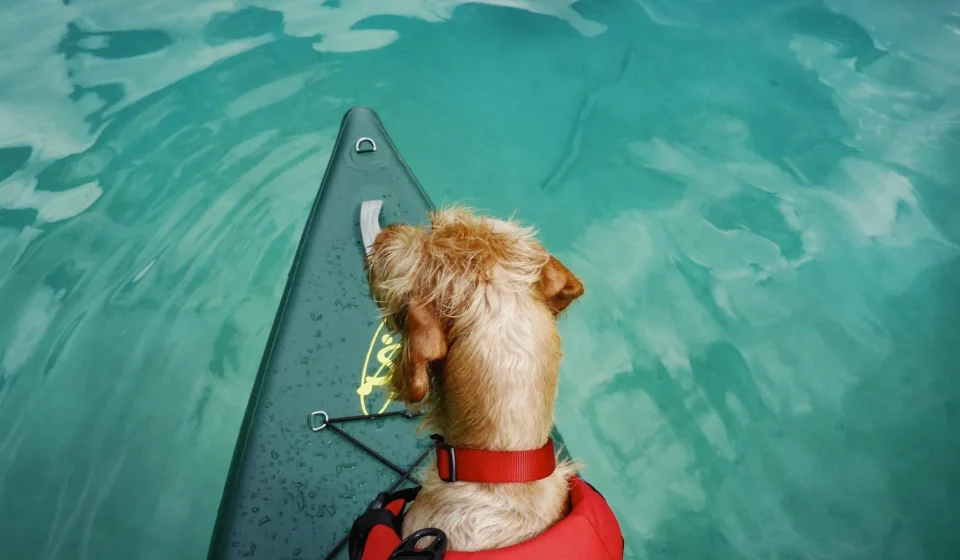
Kayaking with your dog allows pet owners to explore Britain’s waterways safely, provided you make careful preparations and equip your dog with a well-fitting life vest.
Before taking to the water, owners must assess their dog’s temperament, swimming ability, and physical health. Preparing your dog involves selecting a stable kayak with enough space and gradually introducing your pet to the boat on land.
This guide explains how to evaluate your dog’s suitability, choose the right kayak and safety gear, and follow a step-by-step training process for paddling together.
Temperament and Anxiety Levels
A calm, adaptable dog is more likely to enjoy kayaking than one prone to nervousness or anxiety. Sudden movements, unfamiliar sounds, and the feeling of being on unstable water can be overwhelming for some dogs. Loud noises or new easily spooks if your dog environments, kayaking might not be the best fit, or will require exceptionally slow and patient introductions.
Swimming Ability and Water Confidence
While a dog life vest is essential, a dog with some natural comfort around water and basic swimming skills will have a much easier time. Dogs who are fearful of water or have never been in it will need extensive desensitisation and training before even considering a kayak. Even confident swimmers can tire quickly or be disoriented in open water.
Physical Condition and Breed Predispositions
Consider your dog’s age, breed, and overall health. Brachycephalic (flat-faced) breeds like Pugs or Bulldogs can have difficulty breathing, especially in warmer weather or during exertion, making them less ideal for water activities. Older dogs or those with joint issues may find the process of getting in and out of a kayak difficult. According to the Royal Veterinary College (2025), breeds with shorter snouts are at higher risk of heatstroke, a concern during prolonged outdoor activities.
If your dog is young, elderly, has health concerns, or exhibits significant anxiety, it’s wise to consult your veterinarian before embarking on kayaking adventures. They can provide tailored advice based on your dog’s specific health profile.
Choosing the Right Kayak for You and Your Dog
The type of kayak you choose is critical for both your comfort and your dog’s safety. Stability and space are key considerations.
Stability is Paramount
For beginners and for anyone paddling with a dog, a stable kayak is non-negotiable. Wider, flatter-hulled kayaks, such as sit-on-top models, offer superior stability compared to narrow, V-shaped racing kayaks. These are less likely to tip, providing a secure platform for your dog to stand or sit on.
Size Matters: Space for Your Canine Companion
You’ll need a kayak with ample space for your dog to lie down, sit, and move slightly without feeling cramped. Tandem kayaks (for two people) are often a good choice, even if you’re paddling solo, as they provide extra room. For larger breeds, a wider and longer kayak will be necessary.
Types of Kayaks to consider:
- Sit-on-Top Kayaks: These are excellent for dogs. They are inherently stable, easy to get in and out of, and your dog can sit or lie directly on the deck. Many have scupper holes that can be plugged if you want to avoid water splashing up.
- Tandem (Two-Person) Kayaks: Even if you’re paddling alone, a tandem kayak offers significantly more space for a dog. You can position your dog in front of you or behind you, depending on the kayak’s design and your dog’s preference.
- Inflatable Kayaks: Some high-quality inflatable kayaks offer good stability and can be a convenient option if storage or transport is an issue. Ensure the material is durable enough to withstand potential claw contact.
Avoid very narrow touring kayaks or whitewater kayaks, as their primary focus is speed and manoeuvrability rather than the stability needed for a dog.
Kayak Accessories for Dog Owners
Consider accessories like non-slip mats for the deck to provide better traction for your dog, and a waterproof cover for any gear you bring. Some kayaks have attachment points that can be useful for securing your dog’s lead (though a harness is always preferable to a lead near water).
Essential Gear for Dog Kayaking Adventures
Beyond the kayak itself, a few key pieces of equipment are vital for ensuring your dog’s safety and comfort on the water.
The Non-Negotiable: A Dog Life Vest
This is the single most important piece of safety equipment for your dog. A well-fitting dog life vest (also known as a Personal Flotation Device or PFD) should:
- Fit snugly but comfortably, allowing for full range of motion.
- Have a sturdy handle on top for lifting your dog in and out of the kayak.
- Be brightly coloured for visibility.
- Have adequate buoyancy to keep your dog’s head above water, even if they are exhausted or disoriented.
According to the RSPCA (2024), all dogs should wear a properly fitted PFD when near or on open water, especially during activities like kayaking where unexpected immersion is possible.
Leash and Harness Alternatives
Never tie your dog directly to the kayak with a standard leash, as this could pose a drowning risk if they fall overboard. Instead, use a secure, well-fitting harness. A short, non-retractable lead can connect the harness to a secure point on the kayak, but always ensure it’s quick-release or can be detached easily in an emergency.
Hydration and Snacks
Bring plenty of fresh water for your dog, especially on warmer days. Kayaking is physically demanding. Pack a portable water bowl and your dog’s favourite treats for positive reinforcement and to keep them motivated.
Protection from the Elements
Consider a small, lightweight dog coat if you’re paddling in cooler weather, or a dog-safe sunscreen for breeds with thin coats or light skin, particularly on their nose and ears. Sunglasses designed for dogs can also protect their eyes from UV rays and glare, though not all dogs will tolerate them.
Training Your Dog for Kayaking: A Step-by-Step Approach
Introducing your dog to kayaking should be a gradual, positive process. Patience is key. Forcing your dog into a situation they’re not ready for can create lasting fear and make future attempts impossible.
Step 1: Introduction to the Kayak on Land
Place the kayak on a stable surface (e.g., grass or a flat driveway) where it won’t wobble. Let your dog explore it at their own pace. Offer treats and praise for calm behaviour around the kayak. You can even feed them meals near or in the kayak to create positive associations.
Step 2: Getting In and Out
Encourage your dog to step into the kayak while it’s still on land. Use a high-value treat to lure them. Keep the sessions short and rewarding. Practice getting them to sit or lie down calmly inside. Repeat this process multiple times over several days.
Step 3: First Water Experience (Shallow and Calm)
Once your dog is comfortable in the stationary kayak on land, move to very shallow, calm water. You might need a helper to hold the kayak steady. The goal is for your dog to experience the gentle rocking motion without feeling insecure. Keep the first few excursions brief – just a few minutes.
Step 4: Short Paddles in Calm Waters
Gradually progress to short paddles in very calm conditions, such as a sheltered lake or a slow-moving river. Ensure your dog is wearing their life vest. Continue to offer praise and treats. Observe your dog’s body language closely for signs of stress (panting, yawning, lip licking, whale eye).
Step 5: Building Confidence and Duration
As your dog becomes more accustomed to the kayak, you can gradually increase the duration of your trips and explore slightly more varied, but still safe, waters. Always prioritise your dog’s comfort and willingness to participate.
For dogs with existing anxiety or fear of water, consider seeking guidance from a qualified canine behaviourist. They can provide tailored strategies for desensitisation and counter-conditioning.
Choosing Dog-Friendly Waters and Routes
Not all waterways are suitable for kayaking with dogs. Selecting the right location is important for safety and enjoyment.
Calm, Sheltered Waters are Best
Start with lakes, canals, and very sheltered bays or estuaries. Avoid fast-flowing rivers, rough seas, or areas with strong currents, especially when you and your dog are new to kayaking. Areas with easy access points for launching and landing are also a significant advantage.
Check Local Regulations and Access
Many waterways in the UK have specific rules regarding dogs. Some nature reserves or private waterways may have restrictions or require dogs to be kept on leads at all times. Always research the specific location you plan to visit. The Canal & River Trust provides guidance on responsible access to waterways, which often includes considerations for pets.
Avoid Crowded Areas
Busy areas with lots of boat traffic or noisy crowds can be stressful for dogs. Opt for quieter times and less frequented spots, especially during your initial outings.
Potential Hazards to Be Aware Of:
- Wildlife: Be mindful of nesting birds, seals, or other wildlife. Keep a respectful distance to avoid disturbing them and prevent your dog from chasing.
- Water Quality: Be aware of potential pollution or algal blooms, particularly in stagnant freshwater. Avoid letting your dog drink from questionable water sources. The Environment Agency provides water quality reports for UK waterways.
- Boat Traffic: Larger vessels can create significant wakes. Stay alert and give them a wide berth.
- Entanglement Risks: Keep an eye out for fishing lines or debris in the water that could pose a hazard.
Paddling Techniques and Safety for Dog Owners
Your paddling technique can significantly impact your dog’s comfort and safety on the water.
Maintain a Steady Pace
Avoid jerky movements or sudden accelerations. Paddle smoothly and consistently. This helps your dog feel more secure.
Communicate with Your Dog
Talk to your dog reassuringly throughout the trip. Let them know you’re there and that everything is under control. Use their name and positive affirmations.
Know When to Turn Back
Pay close attention to your dog’s signals. If they seem stressed, tired, or uncomfortable, it’s time to head back. It’s always better to cut a trip short than to push your dog too far.
Emergency Preparedness
Always have a plan for what to do if your dog falls overboard or if you encounter an unexpected situation. Knowing how to help your dog back into the kayak efficiently is vital. Practising this manoeuvre in shallow water can be beneficial.
An example scenario: Imagine taking a terrier on a calm river trip. Wearing a PFD, the dog is nervous at first but settles down. Then a sudden gust of wind rocks the kayak unexpectedly.
A startled dog may panic and try to jump out. If you have practised assisted re-entry, you can calmly take the PFD handle and help your dog back into the kayak. This highlights the importance of both preparation and practising emergency procedures.
Common Mistakes to Avoid When Kayaking with Dogs
Avoid common dog kayaking mistakes
Even experienced paddlers can make mistakes when introducing dogs to kayaking. Being aware of these pitfalls can help you avoid them.
- Skipping the Introduction Phase: Throwing your dog straight into a kayak on open water is a recipe for disaster. Gradual acclimatisation is essential.
- Incorrect PFD Fit: A loose PFD can slip, while an overtightened one can be uncomfortable and restrict breathing. Ensure it’s snug but allows freedom of movement.
- Using a Standard Lead: As mentioned, a standard lead attached to the kayak is a serious safety hazard. Always opt for a harness and a quick-release system.
- Ignoring Weather Conditions: Paddling in extreme heat, strong winds, or heavy rain can be dangerous for both you and your dog. Check the forecast and be prepared to postpone your trip.
- Overestimating Your Dog’s Stamina: Dogs can tire quickly, especially in unfamiliar or challenging environments. Plan shorter trips initially and build up duration gradually.
- Not Considering Other Water Users: Be mindful of other kayakers, paddleboarders, swimmers, and boaters. Maintain a safe distance and be predictable in your movements.
Advanced kayaking with your dog
Making these mistakes can lead to a frightened dog, a capsized kayak, or worse. Prioritising your dog’s welfare and your own safety will ensure a positive experience.
Advanced Tips for Experienced Dog Kayakers
Once you and your dog are comfortable with basic kayaking, you might consider:
- Exploring Coastal Waters: With proper preparation, life vests, and an awareness of tides and currents, coastal kayaking can be an option. Always stick to sheltered bays and calm conditions.
- Multi-Day Trips: If your dog handles longer outings well, consider short overnight camping trips where you can paddle to a dog-friendly campsite. Ensure you have waterproof gear for both of you.
- Introducing Multiple Dogs: Kayaking with more than one dog adds complexity. Ensure each dog has a PFD and enough space, and that you can manage them individually if needed. Tandem kayaks or larger craft may be necessary.
Remember that even for experienced owners, safety remains the top priority. Always err on the side of caution when venturing into new or more challenging environments with your dog.
Frequently Asked Questions About Dogs and Kayaks
What is the best type of kayak for a dog?
Sit-on-top kayaks are generally considered the best for dogs due to their superior stability, ease of entry, and ample deck space for your canine companion to sit or lie down comfortably.
How do I get my dog used to being in a kayak?
Start by letting your dog explore the kayak on land, offering treats and praise. Gradually encourage them to get in and out while stationary, then move to very shallow, calm water for short periods before attempting actual paddling.
What safety gear does my dog need for kayaking?
A well-fitting dog life vest (PFD) with a sturdy grab handle is essential. A secure harness and a quick-release lead are also important for managing your dog safely in and out of the kayak.
Can I take my dog kayaking on the sea?
Yes, but only with extreme caution and thorough preparation. Stick to calm, sheltered coastal areas, check tide and weather conditions meticulously, and ensure your dog is comfortable and well-trained. Avoid open sea paddling until you are both very experienced.
How do I prevent my dog from falling out of the kayak?
Ensure your dog wears a properly fitted PFD. Provide a stable platform inside the kayak, use non-slip mats for traction, and keep them on a short, secure lead attached to a harness. Maintain calm paddling and avoid sudden movements.
What if my dog panics in the kayak?
If your dog shows signs of panic, remain calm. If possible, guide them back to shore immediately. Never force them. Assess the situation; they may need more desensitisation or may not be suited for kayaking. Consult a professional trainer if needed.
Source: Britannica