Yes, dogs can eat apples. They are a healthy, low-calorie treat packed with vitamins A and C, along with beneficial dietary fibre, provided they are prepared correctly. However, simply tossing a whole apple to your dog can lead to serious health hazards. While the crisp flesh of the fruit is perfectly safe, improper preparation can result in choking, digestive blockages, or even poisoning. To help you share this autumnal favorite safely, I have outlined the most common mistakes dog owners make and how you can avoid them.
Leaving the core and seeds intact
The most frequent mistake owners make is offering a whole apple or failing to core the fruit before slicing it. Apple seeds contain a compound called amygdalin, which releases hydrogen cyanide when chewed and digested. While a large dog would need to thoroughly chew and swallow dozens of seeds to show immediate signs of cyanide poisoning, the risk is cumulative, and even a small amount can be dangerous for toy breeds or puppies. Beyond the chemical risk of the seeds, the central core of an apple is highly fibrous, woody, and virtually indigestible. If your dog swallows the core whole, it poses a severe choking hazard. In worse cases, it can become lodged in the gastrointestinal tract, creating a life-threatening blockage that requires emergency surgical intervention.
Allowing dogs to eat fallen orchard apples
As the weather cools, heading outdoors for seasonal activities is a wonderful way to keep your dog active. You might even plan a trip where dogs go apple picking with the family, or you may simply have an apple tree growing in your garden. However, letting your dog roam unsupervised around apple trees is a major hazard. Fallen apples, often called windfalls, quickly begin to rot and ferment on the ground. When fruit ferments, its sugars convert into ethanol (alcohol). If your dog eats fermenting apples, they can suffer from ethanol toxicosis. Symptoms of alcohol poisoning in dogs include disorientation, lethargy, vomiting, and breathing difficulties. Furthermore, decaying orchard fruit is a breeding ground for mold, which can produce dangerous tremorgenic mycotoxins that cause severe muscle tremors and seizures in pets.
Neglecting to wash or peel supermarket fruit
Most commercial apples bought in supermarkets are treated with chemical pesticides during growth and coated with a thin layer of food-grade wax after harvest to preserve freshness and enhance shine. While these coatings are deemed safe for human consumption, a dog’s digestive system can be highly sensitive to chemical residues. In human health circles, there is ongoing discussion about the benefits of peeling apples before eating them to reduce pesticide exposure. When it comes to your dog, my advice is to take the safest route: either peel the apple entirely or scrub it thoroughly under warm running water. If you choose to leave the skin on for its high fibre content, ensure it is organic and washed meticulously to avoid exposing your pet to unnecessary synthetic compounds.
Feeding processed apple desserts and spiced dishes
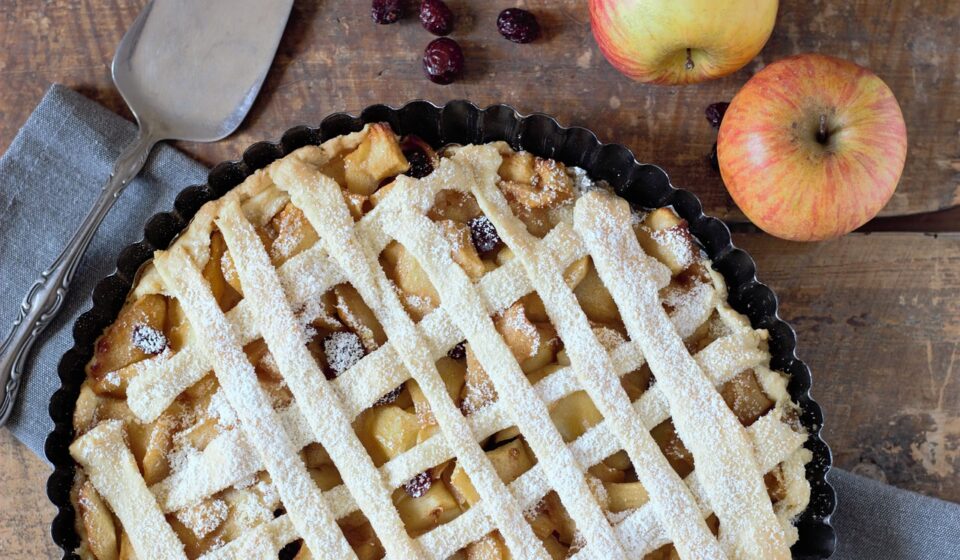
It can be tempting to share a spoonful of your own apple-themed food, especially during autumn when dishes like apple crumble, apple pie, or apple butter are popular. This is a mistake that can easily land your dog in the veterinary clinic. Processed apple products are almost always loaded with added refined sugars, which can cause severe digestive upset and contribute to obesity or pancreatitis over time. Even more dangerous is the potential presence of xylitol, an artificial sweetener frequently used in sugar-free products that is highly toxic to dogs, causing rapid insulin release and liver failure. Additionally, seasonal bakes are seasoned with spices that are unsafe for pets. Nutmeg, a staple in many apple recipes, contains a toxin called meristic. Ingestion of nutmeg can cause high blood pressure, hallucinations, abdominal pain, and seizures in dogs. I strongly recommend sticking exclusively to plain, raw fruit and avoiding any cooked or spiced apple dishes.
Overfeeding and ignoring the ten per cent rule
Even when prepared perfectly, too much of a good thing can harm your dog. Apples contain a significant amount of fructose, a natural sugar. While healthier than refined sugars, a sudden influx of fructose can ferment in your dog’s gut, leading to painful bloating, gas, and acute diarrhea. I advise following the standard veterinary guideline that treats should make up no more than ten per cent of your dog’s daily calorie intake. For a large dog, a few slices of apple are a perfectly fine reward. For a small toy breed, however, a single slice is more than enough. When introducing apples to your dog’s diet for the first time, start with a tiny piece about the size of your thumbnail and monitor their digestive response over the next twenty-four hours.
How to safely prepare apples for your dog
To keep snack time safe and stress-free, I recommend establishing a strict preparation routine. By taking these simple steps, you can ensure your dog enjoys the nutritional benefits of the fruit without any of the associated risks:
- Wash thoroughly: Scrub the apple skin under warm water to remove wax and pesticides, or peel it entirely if you want to be completely safe.
- De-seed and core: Cut the apple in half and carefully cut out the entire central core, ensuring no seeds or woody parts remain.
- Slice into bite-sized pieces: Chop the remaining flesh into thin slices or small cubes. The size of the pieces should match your dog’s breed; small dogs need very small pieces to prevent choking.
- Feed in moderation: Offer a few pieces as a high-value training reward or a crunchy topper on their regular kibble.
By avoiding these common mistakes, you can safely incorporate this crisp, vitamin-rich fruit into your dog’s diet as a healthy, hydrating treat.