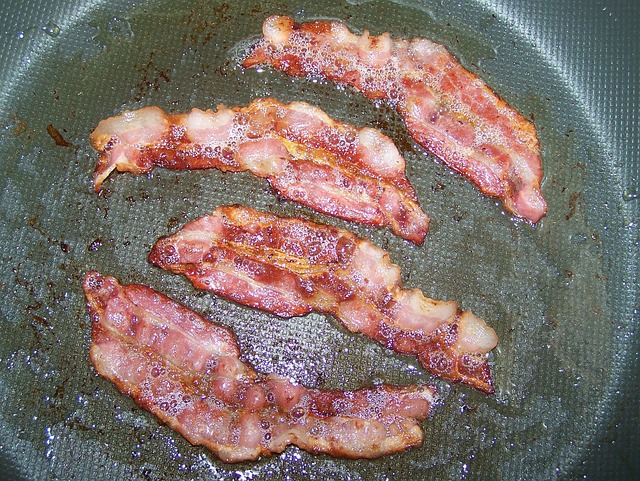
Dogs should not eat bacon, as it is dangerously high in both salt and saturated fat. While a single tiny scrap of cooked bacon may not cause immediate toxicity in a large dog, regular intake or larger quantities can lead to acute pancreatitis, severe dehydration, and sodium ion poisoning.
To understand why bacon is so hazardous, it helps to examine how it is processed. Bacon is cured using heavy concentrations of sodium chloride, nitrites, and occasionally spices or smoke flavourings. According to guidance from organizations like The Kennel Club and the People’s Dispensary for Sick Animals (PDSA), processed pork products provide zero nutritional benefit to canines that cannot be gained from lean, safe protein sources.
Why bacon is dangerous for dog health
The main danger of bacon lies in its macronutrient profile. A single slice of cooked bacon contains roughly 40 to 42 calories, over 3 grams of fat, and upwards of 190 milligrams of sodium. For a medium-sized 15 kg dog, the recommended daily sodium intake is around 100 to 200 milligrams total across all meals. A single strip of bacon can meet or exceed an entire day’s sodium allowance in one bite.
High dietary fat presents an even more immediate threat to a canine’s digestive system. When a dog ingests a dense dose of saturated fat, the pancreas is forced to produce excess digestive enzymes. This overstimulation can lead to local inflammation and systemic illness. According to clinical advice from VCA Animal Hospitals, dietary indiscretion involving high-fat human foods remains one of the primary triggers for emergency admissions related to acute pancreatitis in dogs.
In addition to pancreatic stress, high sodium content forces the kidneys to work overtime. When a dog consumes excessive salt without immediate access to large quantities of fresh water, sodium toxicity (salt poisoning) can set in. Symptoms include extreme thirst, frequent urination, vomiting, diarrhoea, muscle tremors, and in severe cases, seizures.
What happens if a dog eats bacon?
If a dog eats bacon, the body’s reaction depends on the animal’s size, pre-existing health conditions, and the amount consumed. The primary medical conditions associated with bacon ingestion include pancreatitis, bloat, and acute gastrointestinal upset.
Acute pancreatitis
Pancreatitis occurs when the pancreas becomes inflamed, causing digestive enzymes to activate prematurely within the organ itself rather than inside the small intestine. This essentially causes the tissue to digest itself. Symptoms usually develop within 24 to 72 hours of eating greasy food. Watch for:
- Severe abdominal pain (often manifested as a ‘bowing’ posture with elbows down and rear end in the air)
- Repeated vomiting and loss of appetite
- Lethargy and extreme weakness
- Diarrhoea, often yellow or bloody
- Fever and elevated heart rate
The British Veterinary Association (BVA) emphasizes that pancreatitis is a medical emergency requiring prompt veterinary care, fluid therapy, and pain management. Certain breeds, such as Miniature Schnauzers, Yorkshire Terriers, and Cocker Spaniels, have a genetic predisposition to hyperlipidemia and are especially vulnerable to fatal pancreatitis from high-fat treats.
Gastric Dilatation-Volvulus (GDV or Bloat)
Because bacon is extremely salty, dogs that eat it typically drink huge volumes of water very rapidly. In deep-chested breeds such as Great Danes, Standard Poodles, and German Shepherds, ingesting large amounts of food and water quickly can trigger bloat. The stomach expands with gas and fluid, and in severe cases, twists on its axis (volvulus), cutting off blood flow to vital organs. The RSPCA highlights bloat as a life-threatening condition that requires immediate surgical intervention.
Evaluating different forms of bacon
Not all bacon products carry the exact same hazard level, though all are unsuited for dogs. The following table breaks down common forms of bacon, their specific dangers, and their potential health outcomes.
| Bacon Format | Primary Hazard | Risk Level | Potential Symptoms |
|---|---|---|---|
| Raw Bacon | Bacterial contamination (Salmonella, E. coli), parasite risk (Trichinella), high fat | Very High | Severe gastroenteritis, vomiting, bloody diarrhoea, fever |
| Cooked Streaky Bacon | High saturated fat content, heavy sodium concentration, nitrites | High | Pancreatitis, intense thirst, abdominal pain, lethargy |
| Bacon Grease / Drippings | Concentrated liquid fat, extreme caloric density | Extreme | Acute pancreatitis, severe bloody diarrhoea, rapid dehydration |
| Commercial Bacon Bits | Sodium, preservatives, garlic/onion powder additives | High | Toxicity from allium additives, red blood cell damage, elevated heart rate |
| Turkey Bacon | Moderate fat, high sodium, artificial flavourings | Moderate to High | Salt toxicity, digestive distress, kidney strain over time |
What to do if your dog eats bacon
If you discover that your dog has stolen a piece of bacon off your plate or raided the bin for bacon wrappings, take systematic action right away. I advise staying calm and following these clear steps:
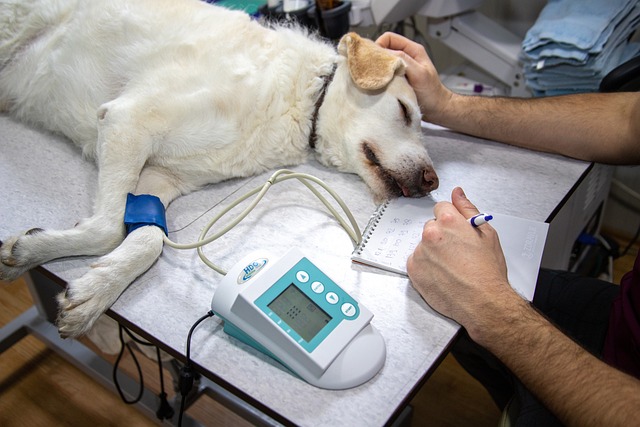
- Identify the quantity and type: Determine exactly what your dog ate. Was it cooked or raw? How many strips were consumed? Did they ingest packaging, foil, or grease drippings? If your dog ate commercial bacon bits, check the ingredient label for toxic elements like onion or garlic powder.
- Factor in your dog’s size and medical history: A 30 kg Golden Retriever that eats half a slice of cooked bacon will likely experience nothing more than mild loose stools. However, if a 4 kg Chihuahua eats an entire strip or laps up frying pan grease, the risk of acute pancreatitis is extremely high. Dogs with existing cardiac issues, kidney disease, or a history of digestive trouble are at elevated risk.
- Provide access to fresh water: Ensure your dog has continuous access to clean drinking water to help process the sudden spike in sodium. Do not force-feed water, but make sure the bowl is full and easily accessible.
- Monitor for symptoms over 48 hours: Keep a close eye on your pet for the next two days. Look for subtle warning signs such as refusal to eat, quietness, restive pacing, or discomfort when you touch their abdomen.
- Contact your veterinarian: If your dog consumed a large amount of raw bacon, drank liquid grease, or is exhibiting vomiting, weakness, or painful hunching, call your vet or local emergency clinic immediately. Never attempt to induce vomiting at home unless explicitly instructed to do so by a qualified veterinary professional.
Safe and healthy alternative treats for dogs
If you enjoy rewarding your dog with human foods, I recommend choosing safe, lean, unseasoned options that deliver protein and crisp texture without the risks of sodium and fat overload.
Lean meats cooked plainly
Unseasoned, skinless chicken breast or turkey breast boiled or baked without oil or salt provides high-quality protein without clogging arteries or inflaming the pancreas. If you are serving pork, opt for tiny, well-cooked pieces of trimmed lean pork tenderloin rather than cured bacon.
Fresh crunchy vegetables
Many dogs enjoy the crunch of fresh vegetables. Carrots, cucumber slices, and steamed green beans offer low-calorie rewards packed with fibre and vitamins. Raw carrot sticks are particularly great for satisfying a dog’s desire to chew.
Fruit treats in moderation
Small pieces of fresh fruit make brilliant natural rewards. Sliced apples (with seeds and core removed) or fresh blueberries provide natural antioxidants. Just as with feeding apples safely—as discussed.
Who should avoid bacon entirely?
While I advise against giving bacon to any dog, certain animals must never be exposed to cured pork under any circumstances:
- Dogs with a history of pancreatitis or gastrointestinal disease
- Overweight or obese dogs on strict caloric restriction plans
- Senior dogs with compromised kidney or cardiovascular function
- Breeds genetically predisposed to lipid processing issues (such as Schnauzers and Terriers)
- Dogs on strict prescription diet trials for food allergies
In my judgment, the temporary satisfaction a dog receives from eating bacon is never worth the risk of an expensive emergency clinic visit or a painful, life-threatening bout of illness. Stick to healthy, pet-safe snacks that keep your companion energized and thriving.
Related guides
Sources: Bacon
Frequently asked questions
Can a small piece of bacon kill a dog?
While a single small piece of cooked bacon is unlikely to be fatal to a healthy medium or large dog, it can trigger severe or fatal pancreatitis in susceptible breeds or small dogs. Additionally, high sodium content can cause acute dehydration or trigger bloat in deep-chested dogs.
Is turkey bacon safe for dogs?
Turkey bacon is not safe for dogs because, although it contains less fat than standard pork bacon, it is still heavily processed and packed with high levels of sodium, preservatives, and potential seasonings like onion or garlic powder.
What should I do if my dog drank bacon grease?
If your dog consumed liquid bacon grease, contact your veterinarian immediately. Bacon grease contains intense concentrations of fat that frequently induce acute pancreatitis, severe vomiting, and dehydration requiring immediate medical intervention.
Can dogs eat raw bacon?
Dogs should never eat raw bacon due to the combined danger of high fat and salt alongside potential exposure to harmful bacteria such as Salmonella and parasites like Trichinella.