The dog breed Yorkie Poo is a compact hybrid cross between a Yorkshire Terrier and a Toy or Miniature Poodle. Weighing between 2.5 and 7 kilograms with a shoulder height of 20 to 38 centimetres, this intelligent, low-shedding companion dog is known for its energetic personality, keen alertness, and close attachment to human household members.
While often described as an ideal pet for smaller homes, owning a Yorkie Poo requires a clear understanding of how terrier boldness mixes with poodle intelligence. The breed traits vary depending on inherited genetics, coat type, and generation, which directly influences grooming schedules, training routines, and daily exercise needs.
Physical characteristics and size expectations
Because the Yorkie Poo is a crossbreed rather than a standardized purebred, physical traits depend on the genetic traits passed down by the parent dogs.
Size is primarily dictated by the size of the Poodle parent. Most breeders pair a Yorkshire Terrier with a Toy Poodle, producing offspring that weigh between 2.5 and 4.5 kilograms and stand 20 to 28 centimetres tall at the shoulder. When a Miniature Poodle is used, the resulting dogs are larger, weighing 4 to 7 kilograms and standing up to 38 centimetres tall.
| Trait Category | Toy Poodle Cross | Miniature Poodle Cross |
|---|---|---|
| Average Weight | 2.5 kg – 4.5 kg | 4.0 kg – 7.0 kg |
| Average Height | 20 cm – 28 cm | 28 cm –cm Coat |
| Coat Type | Soft waves to tight curls | Wavy to dense curly hair |
| Shedding Level | Very low | Very low |
Coat texture varies significantly across individual dogs. Some inherit the fine, silky, straight hair of the Yorkshire Terrier, while others display the soft, tight curls of the Poodle. Most fall somewhere in between, producing a soft, wavy coat. While widely promoted as hypoallergenic due to low shedding, no dog is entirely allergen-free; allergens are present in dander and saliva rather than hair alone.
Temperament and daily behaviour
The Yorkie Poo combines the confident, inquisitive nature of the terrier group with the exceptional working intelligence of the poodle. This yields a small dog that is highly affectionate, curious, and quick to learn new routines. They form strong bonds with family members and typically prefer being involved in household activities rather than resting quietly in a separate room.
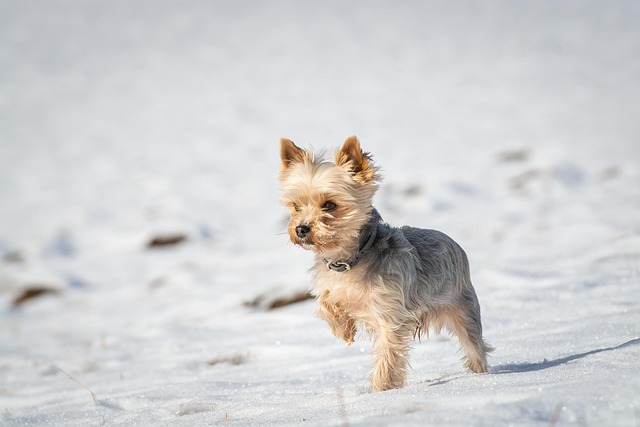
However, the terrier heritage introduces a strong sense of alertness. Yorkie Poos frequently act as watchful home guardians, readily sounding an alarm bark when visitors approach the door or when unusual noises occur nearby. Without early guidance, this natural alertness can turn into chronic vocalization.
They generally interact well with other domestic pets when properly socialized from an early age. I find that their small size requires caution around larger dogs, as a Yorkie Poo often lacks self-awareness regarding its limited stature and may approach larger animals with bold confidence. Around children, they are playful and loving, but they suit homes with older children who understand how to handle small animals gently without causing accidental injury.
Grooming and maintenance routines
Maintaining a Yorkie Poo coat requires consistent, dedicated effort to prevent painful tangles and skin irritation. The fine hair structure, combined with loose dander caught in wavy or curly fur, makes this breed prone to matting around the ears, underarms, and hind legs.
- Daily brushing: Use a slicker brush followed by a fine-toothed metal comb to reach down to the skin level where mats form.
- Professional clipping: Schedule a trim or puppy cut every 6 to 8 weeks to keep the coat manageable and eye areas clear.
- Eye cleaning: Wipe the inner corners of the eyes daily with a damp cotton pad to remove tear discharge and reduce staining.
- Bathing: Wash the dog every 4 to 6 weeks using a mild, hydrating dog shampoo to maintain skin coat oils.
Dental hygiene requires primary attention in this crossbreed. Small dogs have crowded jaw structures, making them exceptionally susceptible to plaque accumulation, tartar build-up, and early periodontal disease. Brushing their teeth daily with a pet-formulated toothpaste is essential.
Exercise and mental stimulation requirements
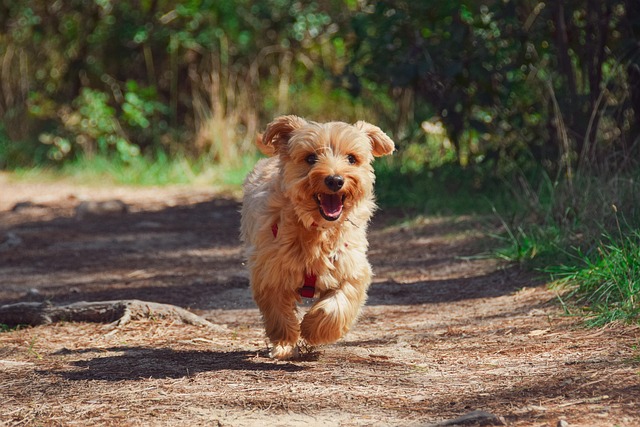
Despite their small body size, Yorkie Poos possess a moderate to high energy level. They require approximately 30 to 45 minutes of structured daily exercise, ideally divided into two separate walks. A brief walk in the morning paired with an active evening stroll satisfies their physical energy needs while providing sensory exposure.

Mental stimulation is equally vital to keep their sharp minds occupied. An under-stimulated Yorkie Poo may develop destructive habits, such as chew damage or repetitive barking. Interactive puzzle feeders, snuffle mats, and basic scent games inside the house offer effective outlets for their cognitive drive.
When walking a Yorkie Poo, always secure the lead to a well-fitted chest harness rather than a neck collar. Like many toy breeds, they are prone to delicate windpipes, and sudden tension on a collar can trigger respiratory discomfort or structural damage to the trachea.
Training strategies and managing housebreaking challenges
Training a Yorkie Poo is generally rewarding due to their high intellect and desire to engage with their owners. They respond best to positive reinforcement techniques involving small food treats, verbal praise, and short, structured sessions lasting 5 to 10 minutes.
Housebreaking often presents the single biggest challenge for new owners. Toy breeds possess small bladders and rapid metabolisms, requiring frequent toilet breaks throughout the day. Establishing a rigid routine early is necessary:
- Take the puppy outside immediately upon waking, after meals, and following play sessions.
- Escort the dog to the exact same toilet spot each time to encourage scent recognition.
- Reward successful outdoor toileting instantly with praise and a high-value treat.
- Avoid scolding or punishing accidents indoors, as this creates anxiety and leads the dog to hide when urinating.
Addressing barking early is another vital training priority. Teach a clear signal to acknowledge an alarm bark, then redirect their attention to an alternative task, such as retrieving a toy or sitting on a designated mat.
Health profile and common genetic conditions
The Yorkie Poo has an average lifespan of 10 to 15 years when provided with appropriate veterinary care, nutrition, and lifestyle management. While hybrid vigor can offer some protection against specific inherited diseases, individuals remain susceptible to conditions common to both Yorkshire Terriers and Poodles.
Key health considerations include:
- Patellar Luxation: A condition where the kneecap slips out of its anatomical groove. Maintaining a healthy body weight reduces unnecessary stress on rear leg joints.
- Tracheal Collapse: Progressive weakening of the cartilage rings lining the windpipe, causing a distinct goose-honking cough. Using a harness helps safeguard against this risk.
- Periodontal Disease: Early tooth decay caused by crowded dental arches in tiny jaws. Regular home brushing and professional dental scale checks are necessary.
- Progressive Retinal Atrophy (PRA): A degenerative eye condition leading to vision impairment. Responsible breeders test parent stock for genetic eye conditions prior to mating.
I recommend requesting documented proof of parent health checks from any breeder, specifically targeting knee evaluations and clear eye screening certificates.
Who the Yorkie Poo suits best
The Yorkie Poo is well suited to individuals or families living in flats or urban homes, active retirees seeking an affectionate companion, and households where someone is present for much of the day. Their small footprint and modest outdoor space needs make them adaptable city pets.
This breed does not suit households where the dog will be left alone for 8 hours or longer every day, as separation anxiety can lead to distress and nuisance barking. It is also poorly matched for families with toddlers or very young children, who may inadvertently drop or roughly handle a small 3-kilogram dog, leading to injury or defensive biting.
Related guides
Sources: List of dog crossbreeds
Frequently asked questions
How big does a fully grown Yorkie Poo get?
A fully grown Yorkie Poo typically stands 20 to 38 centimetres tall at the shoulder and weighs between 2.5 and 7 kilograms, depending on whether the Poodle parent was a Toy or Miniature size.
Are Yorkie Poos hypoallergenic?
While Yorkie Poos are low-shedding and produce less loose coat hair than many breeds, no dog is completely hypoallergenic. People with severe dog allergies may still react to dander and saliva.
How long do Yorkie Poos live?
With proper care, balanced nutrition, regular exercise, and dental upkeep, a Yorkie Poo has a typical lifespan of 10 to 15 years.
Do Yorkie Poos bark a lot?
Yorkie Poos inherit an alert terrier instinct and will bark to announce visitors or unusual noises. Consistent, early reward-based training is essential to manage vocal habits.