While historically kept as prized lapdogs in royal palaces, today the Shih Tzu remains one of the most popular toy breeds worldwide. Understanding their distinct physical traits and health predispositions helps ensure they thrive in a home environment.
What are the main physical traits of a Shih Tzu canine?
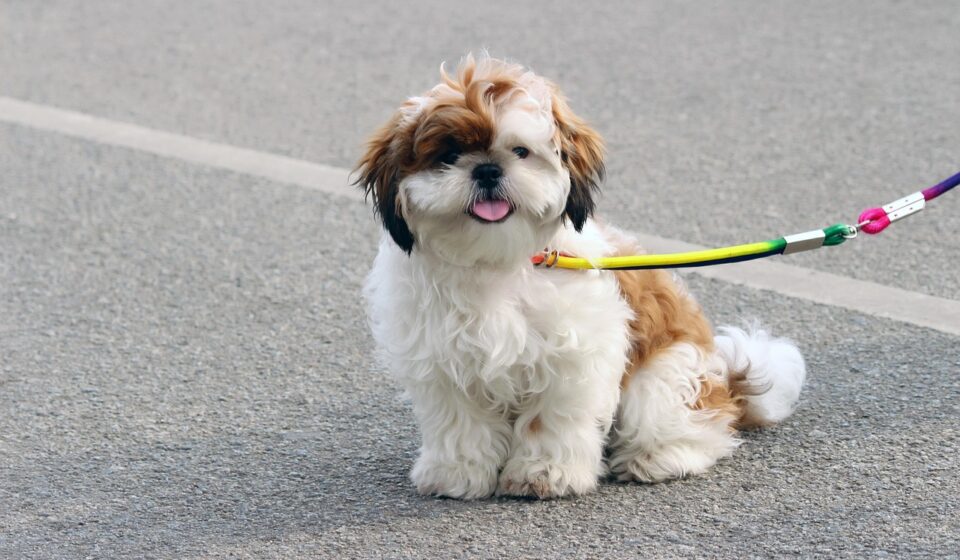
A healthy adult Shih Tzu usually stands between 20 and 28 cm at the shoulder and weighs between 4 and 7.5 kg. They possess a sturdy, surprisingly solid body beneath their coat, with a broad chest and a high-set tail that curls loosely over the back. The defining feature of this breed is its brachycephalic (short-nosed) skull structure. Their short muzzle and flattened profile give them a distinct facial shape, though this anatomical structure also influences how they breathe and regulate body temperature in warm weather. Their double coat grows continuously. Without regular trimming, the outer coat hangs straight and long, while the dense undercoat provides insulation. Colours range from solid black, white, or gold to multicolored combinations featuring black and white or liver and white patches.
How to groom a Shih Tzu to keep their skin healthy
Grooming a Shih Tzu canine is an essential daily responsibility rather than an occasional task. Because their hair grows constantly rather than shedding heavily in seasonal cycles, matting can occur rapidly around the ears, armpits, and groin. If you maintain a full coat, you must brush your dog daily down to the skin using a pin brush followed by a metal comb. For most pet owners, I recommend a short professional trim known as a puppy cut or teddy bear clip, which significantly reduces coat maintenance to a quick daily comb. Facial hygiene requires special attention. Their short muzzle creates shallow skin folds around the nose that collect moisture, food, and eye discharge. Wipe these facial folds daily with a damp cotton pad to prevent skin fold dermatitis and irritation. Tear staining around the eyes is also common due to shallow eye sockets; keeping hair pinned back or trimmed short around the eyes helps reduce surface irritation.
What health issues affect the Shih Tzu breed?
Like many flat-faced toy breeds, the Shih Tzu canine is predisposed to specific health conditions related to its anatomical build. Being aware of these issues allows for early veterinary intervention and preventative care.
- Brachycephalic Obstructive Airway Syndrome (BOAS): Narrow nostrils and an elongated soft palate can make heavy breathing difficult, especially during hot weather or strenuous exercise. Keep walks gentle during warm days.
- Dental overcrowding: Because their small jaw holds 42 adult teeth in a shortened arch, teeth frequently overlap, trapping food particles. Regular toothbrushing and professional dental check-ups are crucial.
- Ocular conditions: Large, prominent eyes make the breed susceptible to dry eye (keratoconjunctivitis sicca), corneal ulcers, and progressive retinal atrophy. Any squinting or discharge warrants quick veterinary review.
- Patellar luxation: The kneecap can occasionally slip out of its natural groove in the femur, causing a temporary limp or hopping gait. Maintaining an ideal body weight reduces stress on small joints.
How much exercise and training does a Shih Tzu require?
A Shih Tzu canine does not require hours of vigorous exercise. Two short walks of 15 to 20 minutes a day, combined with indoor playtime, are sufficient to keep an adult dog fit and mentally stimulated. Because they are sensitive to ambient temperatures, schedule outdoor walks during cooler morning or evening hours in summer. Always use a well-fitted harness instead of a collar to avoid putting pressure on their delicate trachea. In terms of training, Shih Tzus respond best to calm, reward-based methods. House-training can sometimes take longer than with larger breeds simply because toy dogs have small bladders, requiring frequent outdoor access during early months. If you are starting with a young dog, seeing for establishing early routines and checks is helpful during early development.
Feeding and weight management for a toy canine
Because Shih Tzus are small, even minor weight gains place excess pressure on their joints and respiratory system. Feeding a high-quality complete dog food formulated for small or toy breeds ensures appropriate kibble size and nutrient density. I advise dividing their daily ration into two measured meals rather than free-feeding. Monitor their body condition regularly: you should be able to feel their ribs easily without pressing hard through the coat, and they should maintain a visible waist when viewed from above.
Frequently asked questions
Do Shih Tzus shed a lot of hair?
Shih Tzus are considered low-shedding dogs because shed hair stays trapped in their dense undercoat rather than falling onto furniture. However, this trapped hair must be brushed out daily to prevent severe matting and skin irritation.
Are Shih Tzus good family pets for households with children?
Yes, Shih Tzus generally have an affectionate, stable temperament that suits family living. However, due to their small size, children should be taught to handle them gently to avoid accidental physical injury.
How long do Shih Tzus typically live?
The average lifespan of a Shih Tzu canine is between 10 and 16 years. Proper weight management, routine dental care, and regular veterinary check-ups play a major role in reaching their senior years comfortably.
Can a Shih Tzu be left home alone all day?
Shih Tzus were bred as companion dogs and tend to form strong bonds with their owners. They generally do best in households where someone is present for part of the day, as prolonged solitary periods can lead to distress or separation anxiety.