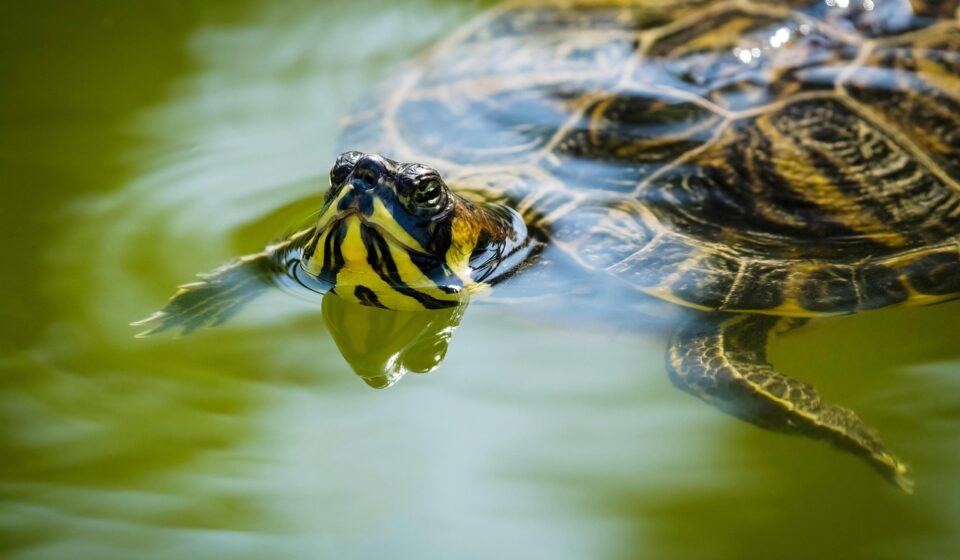
If you have ever looked at a pond and wondered what did that turtle eat to survive, or if you are looking after a new pet, understanding their specific dietary needs is vital. Feeding the wrong diet is one of the most common causes of chronic illness in pet reptiles, so getting the balance right from the start is essential for their long-term health.
Understanding what different turtles eat
Turtles are generally grouped into aquatic species, semi-aquatic species, and fully terrestrial species (often called tortoises). Their physical traits tell us a lot about their natural dietary requirements. Aquatic turtles, such as the popular red-eared slider or musk turtle, spend most of their time in the water. They have webbed feet and require water to swallow their food properly. These species are typically opportunistic omnivores. In the wild, they consume aquatic plants, small fish, snails, and insects. Terrestrial turtles, like box turtles, spend their lives on land. They have dome-shaped shells and clawed feet for digging. Box turtles are also omnivores but eat more land-based food, such as earthworms, slugs, fallen fruit, and leafy vegetation.
The nutritional transition from young to adult
A turtle’s dietary needs change drastically as they mature. This is a detail that many new keepers overlook, which often leads to rapid, unhealthy shell growth or nutritional deficiencies. Young, growing turtles are highly carnivorous. They require a diet consisting of roughly 70% to 80% animal protein to build strong bones and shells. At this stage of life, they rely heavily on insects, larvae, and small aquatic creatures to fuel their rapid growth. As they reach adulthood, their metabolism slows down, and their nutritional requirements shift. An adult aquatic turtle’s diet should consist of about 50% to 75% leafy greens and vegetables, with protein making up the remaining minority. For older turtles, consuming too much protein can cause kidney damage and a painful shell-deforming condition called pyramiding.
Safe greens and vegetables for your turtle
Fresh vegetables should form the foundation of an adult turtle’s daily meals. However, not all greens are created equal, and some can actively harm your pet over time. I recommend prioritizing dark, leafy greens that are rich in calcium. Excellent daily choices include dandelions (both the leaves and flowers), kale, romaine lettuce, and turnip greens. These provide the essential vitamins your turtle needs without disrupting their calcium absorption. You must avoid giving them iceberg lettuce, as it has almost no nutritional value and can cause diarrhea. More importantly, vegetables high in oxalates, such as spinach, Swiss chard, and beet greens, should be avoided entirely. Oxalates bind to calcium, preventing your turtle’s body from absorbing this crucial mineral, which can lead to metabolic bone disease.
Protein sources for aquatic species
When it is time to offer protein, variety is essential to ensure a broad spectrum of nutrients. Commercial pellets are a convenient base, but they should not be the only source of protein in your pet’s feeding routine. Safe protein options include:
- Feeder fish: Guppies or minnows are excellent because they encourage natural hunting behaviour. Avoid goldfish and rosy red minnows, as they contain high levels of thiaminase, an enzyme that blocks vitamin B1 absorption.
- Insects: Earthworms, crickets, and Dubai roaches provide high-quality protein. I prefer earthworms because they are highly nutritious and easy for turtles to catch.
- Freeze-dried treats: Shrimp and krill can be offered occasionally, but they are very rich and should be treated as occasional treats rather than staple meals.
Common feeding mistakes to avoid
Even with the best intentions, it is easy to fall into habits that can compromise your turtle’s health. In my view, the three most common mistakes are overfeeding, ignoring calcium supplementation, and leaving uneaten food in the tank. Turtles are opportunistic feeders and will often beg for food every time you walk past their enclosure. This behaviour does not mean they are starving. Overfeeding leads to obesity and rapid growth, which places immense strain on their internal organs.
As a general rule, feed your adult turtle a portion of greens roughly the size of their head every day, and offer protein only two or three times a week. Calcium is another critical element. Without adequate calcium and UVB lighting to help synthesize vitamin D3, a turtle’s shell will soften and deform. I highly recommend dusting their food with a high-quality calcium powder twice a week, or keeping a cuttlebone in the tank for them to nibble on at their own leisure.
Finally, always remove uneaten food within twenty minutes. Rotting food quickly spoils the water quality, leading to bacterial infections and skin conditions that require veterinary treatment.