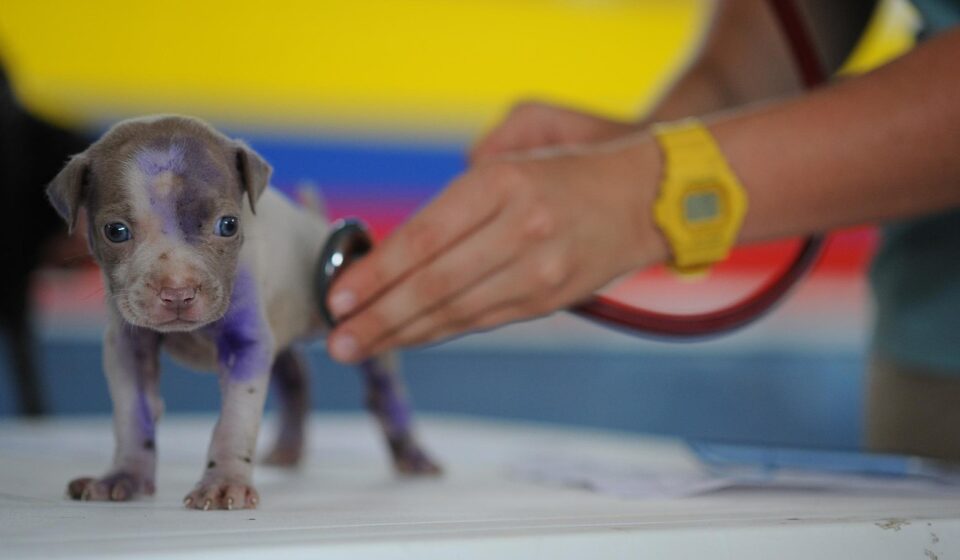
Getting the timing right is one of the most critical aspects of early puppy care. While maternal antibodies from their mother’s milk offer initial protection, this temporary immunity gradually fades, leaving your puppy vulnerable to severe infections unless their own immune system is primed by vaccines.
What is the typical puppy vaccine schedule?
Most vets recommend a three-step vaccination course during your puppy’s first few months of life. The exact timing can vary slightly depending on the specific brand of vaccine your veterinary practice uses and the level of disease risk in your local area, but a standard routine follows this pattern:
- First dose (6 to 8 weeks): DHP (Distemper, Hepatitis/Adenovirus, and Parvovirus) and Leptospirosis (first part). Your puppy might also receive the Kennel Cough (Bordetella) vaccine at this stage, which is usually given as a nasal spray rather than an injection.
- Second dose (10 to 12 weeks): DHP booster and Leptospirosis (second part). This is the critical stage where the second Leptospirosis dose is vital to complete the initial course.
- Third dose (14 to 16 weeks): In many cases, a final DHP booster is administered to ensure full immunity, especially if the puppy had their initial vaccines very early.
I recommend discussing the exact timeline with your vet during your first visit. Some modern vaccines allow the primary course to be completed earlier, meaning your puppy might be fully protected just a couple of weeks after their second injection, which is a major advantage for early socialisation.
Understanding core and non-core vaccines
Not every puppy needs every vaccine available on the market. Vets divide vaccinations into “core” vaccines, which are highly recommended for all dogs regardless of lifestyle, and “non-core” vaccines, which are selected based on your dog’s risk profile and environment. In the UK, core vaccines protect against three highly contagious and potentially fatal diseases:
- Canine Parvovirus: A highly contagious virus that attacks the gastrointestinal tract, causing severe vomiting, bloody diarrhoea, and life-threatening dehydration.
- Canine Distemper: A severe multi-systemic virus that affects the respiratory, gastrointestinal, and nervous systems, often leading to permanent neurological damage.
- Infectious Canine Hepatitis (Adenovirus): A virus that targets the liver, kidneys, spleen, and lungs, which can cause sudden death in young puppies.
Leptospirosis, while technically classified as a non-core vaccine in some global guides, is considered standard and highly necessary for dogs in the UK. This bacterial infection is spread through contact with infected water, soil, or rat urine, posing a significant risk to dogs that walk near canals, rivers, or farmland. Because humans can also contract leptospirosis (Weil’s disease) from infected pets, I believe keeping this vaccine up to date is essential for family safety. Other non-core vaccines include the Kennel Cough vaccine, which protects against Bordetella bronchiseptica and canine parainfluenza. While not always mandatory, many boarding kennels, training classes, and dog walkers require it before they will accept your puppy.
Why do puppies need multiple doses of the same vaccine?
New owners often wonder why a puppy cannot simply receive one single injection to protect them for life. The answer lies in how a puppy’s immune system develops and how it interacts with the immunity they received from their mother. When puppies are born, they receive antibodies from their mother’s first milk (colostrum). These maternal antibodies act as a shield, protecting the puppy from infections during their first few weeks of life. However, this shield also neutralizes vaccines, preventing the puppy’s own immune system from active learning. Because maternal antibodies decline at different rates in different puppies, we cannot predict exactly when that shield drops. If we vaccinate too early, the mother’s antibodies block the vaccine. If we vaccinate too late, the puppy is left exposed. By administering a series of shots every three to four weeks, we ensure that as soon as the maternal protection drops, the vaccine is there to take over.
When is it safe for your puppy to go outside?
Your puppy is not fully protected immediately after their first or even their second injection. In general, complete immunity is not achieved until one to two weeks after the final dose of the primary vaccination course. Keeping your puppy indoors or in a private, secure garden during this waiting period is crucial to prevent exposure to dangerous pathogens. This does not mean you should keep your puppy completely isolated, however. Early socialisation is vital for their mental development. You can carry your puppy in your arms to busy areas, let them sit in your car to watch the world go by, or invite fully vaccinated dogs over to your home for controlled playdates on clean ground.
Spotting normal vaccine reactions versus emergencies
It is perfectly normal for your puppy to feel a little quiet or sleepy for 24 to 48 hours after receiving their injections. They may have a slightly reduced appetite or show mild tenderness around the injection site, which often presents as a small, painless lump that resolves on its own within a couple of weeks. However, you should contact your vet immediately if you notice signs of an allergic reaction. These signs are rare but can include facial swelling, hives, difficulty breathing, persistent vomiting, or severe diarrhoea. For a broader look at how these preventative treatments fit into your dog’s long-term wellness, you can read the comprehensive overview of dog vaccinations for every life stage on PetMD to plan their adult booster schedule.