A Rugged History for a Rugged Dog
The wirehaired Dachshund wasn’t just a random mutation; it was an intentional development. Back in the 19th century, breeders in Germany sought to create a Dachshund with a more solid coat, ideal for hunting in challenging terrain and through dense undergrowth. They crossed the existing smooth-haired Dachshunds with breeds like the German Wirehaired Pointer, Schnauzer, and perhaps even the Scottish Terrier. The goal was to imbue the Dachshund with the hardiness and weather-resistance of these wire-coated breeds, enhancing its capabilities as a tenacious hunter of badgers and other burrowing animals – their original purpose.
Last updated: August 30, 2026
This blend of breeds gave the wirehaired variety its signature rough, wiry coat. The texture isn’t just for show; it provides protection against thorns, rough ground, and even bites during hunts. While their hunting days are less common now, that innate toughness and determined spirit remain core to their identity. According to the American Kennel Club (AKC), while Dachshunds as a breed have been popular for decades, the wirehaired variant holds a special place for those who appreciate its unique heritage and sturdy build.
Distinguishing Features: Beyond the Wiry Charm
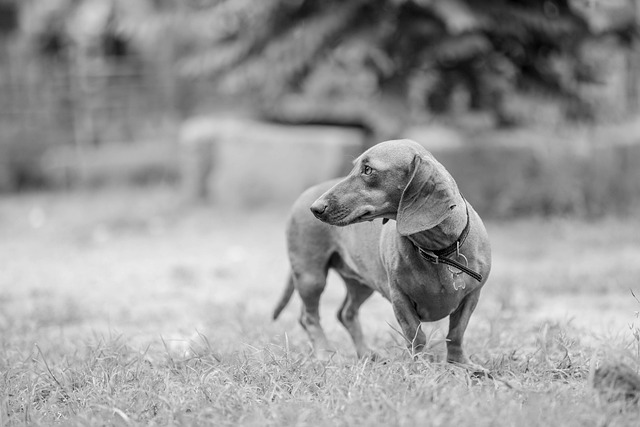
The most obvious distinguishing feature of the wirehaired Dachshund is, of course, its coat. It’s typically coarse and wiry on the top layer, often with distinct eyebrows and a beard that give them a perpetually expressive, sometimes grizzled, look. Beneath this rough exterior, there’s usually a softer undercoat.
The colour variations are vast, mirroring those of their smooth-haired counterparts: solid reds and creams are common, as are dapple (merle), piebald (with large patches of colour), and brindle patterns. These colour combinations, combined with their distinctive long body and short legs – a trait known as ‘chondrodysplasia’ – create a truly unique visual profile.
Don’t let the short legs fool you; these dogs are built low to the ground but have a surprisingly sturdy and muscular frame. They come in two sizes: standard and miniature. Standards typically weigh between 16 to 32 pounds (7-14.5 kg), while miniatures are under 11 pounds (5 kg).
The ‘standard’ designation refers to weight, not height, a common point of confusion. Their long muzzle, expressive eyes, and floppy ears complete the iconic Dachshund look, but the wire coat adds an undeniable rugged charm that sets them apart.
Temperament: Bold, Loyal, and Unmistakably Dachshund
Living with a wirehaired Dachshund is an adventure. They inherit the breed’s characteristic stubbornness and a strong will, which can make training a delightful challenge. This isn’t a dog that will blindly follow commands; they often need convincing that doing what you ask is in their best interest.
However, beneath that independent streak lies a deeply loyal and affectionate companion. They form strong bonds with their families and can be quite devoted, often preferring to be close by, sometimes even on your lap if they fit!
Their history as hunters means they can possess a high prey drive, so caution is needed around smaller animals like hamsters or rabbits. They can also be quite vocal, often alerting their owners to anything they deem unusual – be it the postman, a squirrel, or a rustling leaf. This makes them surprisingly good watchdogs, though their small size means they’re more bark than bite in terms of deterring intruders.
Despite their determination, they can also be incredibly playful and possess a mischievous sense of humour. I’d always advise potential owners to be prepared for a dog with a big personality packed into a small, long body.
Caring for Your Wirehaired Dachshund: Coat and Beyond
The wirehaired Dachshund’s coat requires more than just a quick brush. While it’s generally low-shedding compared to some breeds, its texture means it needs regular attention to prevent matting and to maintain its characteristic look. I recommend a thorough brushing at least twice a week using a slicker brush or a comb designed for wiry coats.
For owners who want to maintain the authentic ‘wire’ look, hand-stripping is the preferred method. This involves pulling out the dead, loose outer hairs by hand or with a stripping knife, encouraging new, coarse growth. This is a skill that takes practice, and many owners opt for professional groomers who specialise in terrier-type coats.
Clipping the coat is an easier option for many, but it can soften the texture over time and may increase shedding. Regular baths are important, but not too frequent, as over-washing can strip natural oils. Beyond coat care, their short legs mean they are prone to spinal injuries.
Owners must be vigilant about preventing them from jumping off high furniture or going up and down stairs excessively. Providing a ramp or steps can be a lifesaver. Dental hygiene is also crucial; regular teeth brushing and professional cleanings are essential to prevent gum disease, a common issue in smaller breeds.

Training and Socialization: Navigating Their Independent Streak
Training a wirehaired Dachshund requires patience, consistency, and a good sense of humour. Their intelligence is undeniable, but so is their stubbornness. Positive reinforcement methods, using treats, praise, and play, work best.
Harsh corrections can easily backfire, making them more resistant or even fearful. Start training and socialization early, ideally from the moment you bring your puppy home. Exposing them to various sights, sounds, people, and other well-behaved dogs during their critical socialization window (typically 3–16 weeks) is vital for them to grow into well-adjusted adults.
House-training can sometimes be a challenge, as they can be a bit particular about cleanliness. Consistent potty breaks, rewarding success, and cleaning up accidents thoroughly are key. Leash training is also important, especially given their potential prey drive and tendency to bark at perceived threats.
A well-fitted harness that doesn’t put pressure on their spine is recommended. Because of their hunting background, they might also enjoy puzzle toys or scent games that engage their minds and provide an outlet for their natural instincts.
Health Considerations for Wirehaired Dachshunds
Like all Dachshunds, the wirehaired variety is predisposed to Intervertebral Disc Disease (IVDD). This condition affects their long spine and can lead to pain, nerve damage, and even paralysis. As of August 2026, veterinary advice strongly recommends managing their weight carefully, providing ramps or steps to prevent jumping, and ensuring they have appropriate exercise without excessive strain on their back. Early signs can include yelping in pain, reluctance to move, or a hunched posture.
Other health concerns that can affect wirehaired Dachshunds include progressive retinal atrophy (PRA), a degenerative eye condition that can lead to blindness, and skin conditions like allergies or follicular dysplasia, which can be exacerbated by improper grooming. Patellar luxation (slipping kneecaps) and certain heart conditions are also possibilities. Regular veterinary check-ups are essential for early detection and management of any potential health issues. With proper care, diet, and exercise, a wirehaired Dachshund can live a happy and healthy life, often up to 12–16 years.
Is a Wirehaired Dachshund Right for You?
A wirehaired Dachshund is not a dog for everyone. They require an owner who understands and appreciates their independent spirit, their vocal nature, and their need for consistent, positive training. They are best suited for homes where they can be part of the family, receiving attention and interaction.
While they can adapt to apartment living, they need sufficient daily exercise and mental stimulation to prevent boredom, which can lead to destructive behaviours or excessive barking. That said, for the right owner, their loyalty, unique character, and often comical antics make them incredibly rewarding companions.
If you are looking for a highly trainable, eager-to-please dog that will never leave your side, a wirehaired Dachshund might not be the best fit. However, if you are drawn to a dog with a bit of attitude, a rugged charm, and a heart full of devotion, this spunky breed could be your ideal match. Their distinctive appearance and bold personality ensure they stand out in a crowd and capture the hearts of those who welcome them into their lives.
Frequently Asked Questions
Do wirehaired Dachshunds shed a lot?
Wirehaired Dachshunds are considered low-shedding dogs. Their wiry outer coat tends to trap loose hair, meaning less ends up on your furniture. However, they do shed, particularly during seasonal changes, and their coat requires regular grooming to manage shedding effectively.
Are wirehaired Dachshunds good with children?
With proper socialization from a young age and supervision, wirehaired Dachshunds can be good with children. However, their long backs make them vulnerable to rough handling, so they are best suited for families with older, respectful children who understand how to interact gently with a dog.
What is the difference between a wirehaired and smooth Dachshund?
The primary difference lies in their coat type. Wirehaired Dachshunds have a coarse, wiry outer coat with a softer undercoat, often featuring distinctive eyebrows and beards. Smooth Dachshunds have a short, dense, shiny coat that lies flat against their body.
How much exercise does a wirehaired Dachshund need?
They require a moderate amount of exercise. Daily walks, about 20–30 minutes, combined with playtime, are usually sufficient. It’s crucial to avoid activities that put excessive strain on their spine, such as jumping off high places or prolonged stair climbing.
Are wirehaired Dachshunds stubborn?
Yes, wirehaired Dachshunds are known for their intelligence and their independent, sometimes stubborn, streak. This means training requires patience, consistency, and positive reinforcement methods rather than force.
What colours do wirehaired Dachshunds come in?
Wirehaired Dachshunds come in a wide array of colours and patterns, including solid reds, creams, black and tan, chocolate and tan, and dapple, piebald, or brindle patterns. Their coat colour doesn’t affect their temperament or care needs.
Information current as of August 2026; pricing and product details may change.
Source: Britannica.
Related read: Pitbull Rottweiler Cross: What to Expect from the "Pitweiler".
Related Articles
- Pomeranian Pups: Everything You Need to Know
- American Wirehair Cat: Quirky Coat, Calm Companion
- Can Dogs Have Aspirin? Uses, Risks, and Safer Alternatives