Beyond the Fancy Cut: Understanding the Poodle
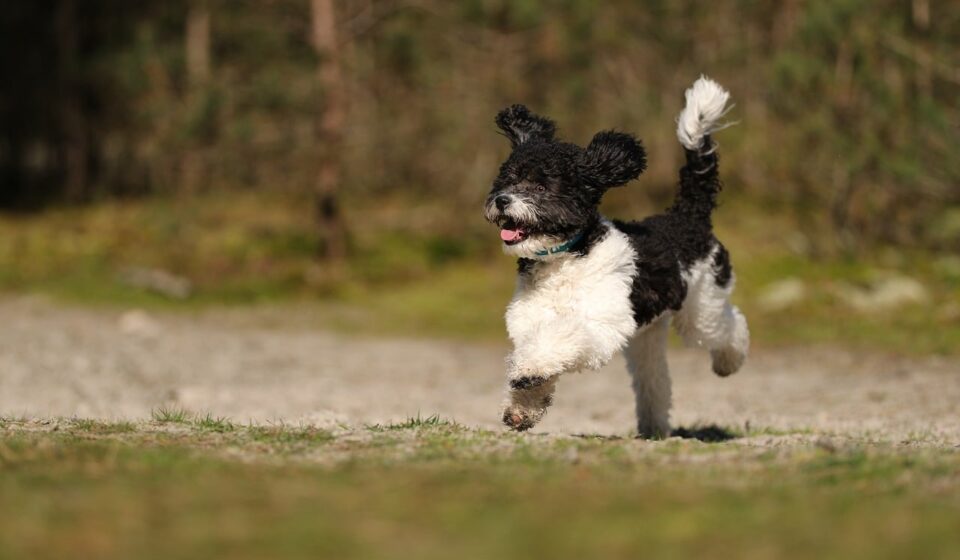
The Poodle is often envisioned with a meticulously sculpted coat, a symbol of canine elegance. However, beneath that distinctive appearance lies a dog of remarkable intelligence, profound loyalty, and surprising versatility. Far from being just a show dog, the Poodle excels in various roles, from active family pet to skilled working dog. This article delves into the true nature of the Poodle, exploring its diverse types, essential care requirements, and the temperament that makes it a cherished breed worldwide.
Key Takeaways
- Poodles are exceptionally intelligent and highly trainable, often ranking among the smartest dog breeds.
- They come in four distinct sizes: Standard, Medium, Miniature, and Toy, each with slightly different energy levels and care needs.
- Poodles are considered hypoallergenic due to their low-shedding, continuously growing coat, making them a good choice for allergy sufferers.
- Consistent grooming is paramount for Poodles, requiring regular brushing and professional trims to prevent matting and maintain coat health.
- Despite their refined appearance, Poodles are energetic dogs that benefit from mental and physical stimulation.
The Poodle Spectrum: From Standard to Toy
One of the most striking characteristics of the Poodle breed is its diversity in size. Officially recognised by major kennel clubs, there are generally four sizes: Standard, Miniature, Toy, and the less common Medium. The American Kennel Club (AKC) recognizes the Standard, Miniature, and Toy. The Fédération Cynologique Internationale (FCI) acknowledges four, including the Medium. Despite the size differences, they are all considered the same breed, sharing core traits but exhibiting variations in energy and typical living situations. The Standard Poodle is the largest, standing over 15 inches at the shoulder and often weighing between 45–70 pounds. These dogs are athletic, intelligent, and make excellent family companions, often excelling in obedience and agility. Their larger size means they generally require more exercise than their smaller counterparts. Miniature Poodles are smaller, typically 10–15 inches tall and weighing 10–15 pounds, retaining much of the Standard’s intelligence and trainability in a more compact package. They are adaptable and can thrive in various living environments. The Miniature Poodle bridges the gap, standing between 10–15 inches at the shoulder and weighing 10–15 pounds. They inherit the intelligence and trainability of their larger cousins, making them adaptable family pets. The smallest variety, the Toy Poodle, measures under 10 inches at the shoulder and weighs 4–6 pounds. While charming and portable, Toy Poodles can sometimes be more delicate and may exhibit a slightly more pronounced tendency towards ‘small dog syndrome’ if not properly trained and socialized. Their smaller size means they often have slightly less demanding exercise needs, but still require mental engagement.
A Brilliant Mind: Poodle Temperament and Intelligence
Poodles are renowned for their exceptional intelligence, consistently ranking among the top breeds for trainability. According to the AKC, Poodles are highly intelligent and eager to please, making them relatively easy to train. This high level of cognitive ability means they thrive on mental stimulation and can become bored or even destructive if their minds are not engaged. Early socialization and consistent, positive reinforcement training are key to channelling their intelligence constructively. In terms of temperament, Poodles are generally friendly, outgoing, and loyal. They form strong bonds with their families and can be excellent companions for children, provided they are raised together and interactions are supervised. Their intelligence also means they can be sensitive, and they respond best to gentle, encouraging training methods rather than harsh discipline. While they can be playful and energetic, they also appreciate downtime and are often content to relax with their owners. A common misconception is that Poodles are aloof or overly refined. While they possess an elegant bearing, their true nature is often more playful and even a bit mischievous. They are curious dogs, always eager to learn and participate in family activities. Their adaptability means they can do well in apartments if given sufficient exercise and mental challenges, but they also relish opportunities to run and play in larger spaces. Some Poodles can be prone to barking if not trained, but this is often a sign of boredom or a need for attention rather than aggression.
The Poodle’s Coat: Hypoallergenic and High-Maintenance
The Poodle’s distinctive curly coat is not just for aesthetics; it’s a defining characteristic that contributes to their hypoallergenic reputation. Unlike many breeds that shed profusely, Poodles have a dense, curly coat that grows continuously, similar to human hair. Shedding is minimal, as dead hairs tend to get trapped in the coat rather than falling out. This makes them a popular choice for individuals with allergies, though no dog is entirely allergen-free. However, this unique coat comes with significant grooming demands. Without regular care, a Poodle’s coat can quickly become severely matted, leading to skin problems and discomfort. Daily brushing is often recommended to prevent tangles and mats, especially in longer or less tightly clipped coats. Professional grooming every 4–6 weeks is essential. This typically includes bathing, thorough brushing, clipping, and ear cleaning. The cost of professional grooming can range from £50 to £150 or more per session, depending on the size of the dog and the complexity of the requested style. Many owners opt for various Poodle clips, from the traditional ‘Continental’ clip (with pom-poms) to more practical styles like the ‘puppy clip’ or ‘sporting clip’. The puppy clip, where the coat is kept relatively short and even all over, is popular for its ease of maintenance and suitability for active dogs. The sporting clip is a functional cut that keeps the coat manageable while still offering some protection.
Health Considerations for Poodles
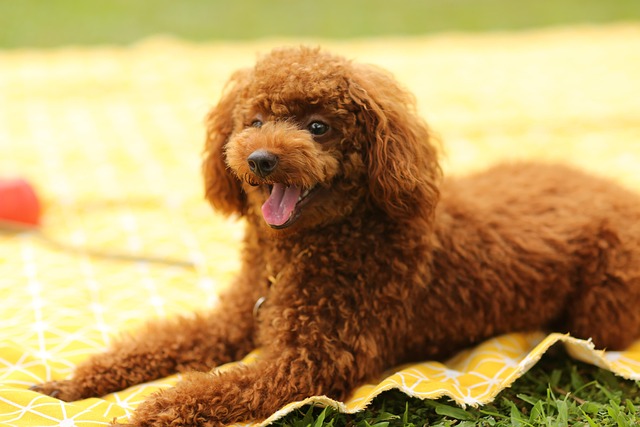
Poodles are generally a healthy and solid breed, but like all purebred dogs, they are prone to certain genetic health conditions. The lifespan for Poodles typically ranges from 10 to 18 years, with smaller varieties often living longer than larger ones. According to the Poodle Club of America, common health concerns include hip dysplasia, progressive retinal atrophy (PRA), sebaceous adenitis, and bloat (gastric dilatation-volvulus) in larger varieties. Progressive Retinal Atrophy (PRA) is an eye condition that can lead to blindness. Responsible breeders screen their dogs for PRA to reduce the incidence of this condition. Hip Dysplasia, a malformation of the hip joint, is more common in larger Poodles and can lead to arthritis. Reputable breeders will also screen their breeding stock for hip health. Sebaceous Adenitis is a skin condition that affects the oil glands in the skin, leading to hair loss and skin lesions. It’s more prevalent in Standard Poodles. Bloat, a life-threatening condition where the stomach fills with gas and can twist, is a concern for deep-chested breeds like Standard Poodles. Feeding smaller meals throughout the day and avoiding strenuous exercise immediately after eating can help mitigate this risk. Regular veterinary check-ups are crucial for early detection and management of any health issues. The cost of veterinary care can be significant. For example, treating a common condition like hip dysplasia might involve diagnostic imaging and surgery, potentially costing several thousand pounds. Pet insurance can be a valuable consideration for Poodle owners to help manage unexpected veterinary expenses. Premiums for a Poodle can to vary but might range from £20 to £50 per month, depending on the dog’s age, size, and coverage level.
Fueling the Poodle’s Active Mind and Body
Don’t let their elegant appearance fool you; Poodles are active dogs that require regular exercise and mental engagement. A Standard Poodle typically needs at least an hour of vigorous activity daily, while Miniatures and Toys require slightly less but still benefit from daily walks and playtime. Their intelligence makes them excel in canine sports like agility, obedience, and flyball, which provide both physical and mental challenges. Beyond physical exercise, mental stimulation is paramount. Puzzle toys, training sessions, and interactive games can help prevent boredom and keep their sharp minds occupied. Leaving a Poodle with nothing to do can lead to behavioural problems such as excessive barking, chewing, or digging. Engaging them in activities that require problem-solving, like scent work or learning new tricks, is highly beneficial. A common mistake owners make is underestimating a Poodle’s need for mental engagement. While they can be calm indoors, they need outlets for their energy and intellect. A simple walk around the block might not be enough; incorporating training drills, a game of fetch, or even a short visit to a dog park (if well-socialized) can make a significant difference in their overall well-being.
Finding Your Perfect Poodle Match
Selecting the right Poodle variety depends heavily on your lifestyle, living situation, and experience with dogs. If you have ample space and an active lifestyle, a Standard Poodle might be a perfect fit, offering a solid and enthusiastic companion. Their trainability makes them suitable for first-time owners, provided they are committed to consistent training and grooming. For those in apartments or with less time for extensive exercise, a Miniature or Toy Poodle could be more appropriate. However, it’s crucial not to neglect their need for mental stimulation, regardless of size. Toy Poodles, in particular, require careful handling due to their small stature and should be supervised around very young children. The Medium Poodle, where recognised, offers a middle ground in terms of size and energy. Consider the commitment involved. Professional grooming alone can add a significant recurring cost to Poodle ownership, often estimated to be between £600 and £1,800 annually for regular professional trims and care. Beyond grooming, factor in food, veterinary care, toys, and training classes. A Poodle puppy from a reputable breeder can cost anywhere from £1,000 to £3,000 or more, depending on the pedigree and breeder. Adopting from a rescue organisation can be a more affordable option, with adoption fees typically ranging from £150 to £500.
Common Pitfalls to Avoid
One of the most frequent errors is underestimating the grooming commitment. Many prospective owners are captivated by the Poodle’s intelligence and hypoallergenic coat but are unprepared for the daily brushing and regular professional grooming required. This often leads to severe matting, necessitating a ‘shave-down’ that can distress the owner and the dog. Another mistake is failing to provide adequate mental stimulation. A bored Poodle can develop behavioural issues. Owners must commit to regular training sessions, puzzle toys, and interactive play to keep their intelligent minds engaged. Over-exercising a very young puppy or under-exercising an adult can also lead to physical or behavioural problems.
Expert Tips for Poodle Owners
Start training and socialization early. Poodles are intelligent and learn quickly, so beginning positive reinforcement training and exposing them to various sights, sounds, and people from a young age will help them grow into well-adjusted adults. Consult with a professional groomer early on to discuss coat care options that suit your lifestyle and your dog’s needs. Consider enrolling in obedience classes. These not only reinforce training but also provide valuable socialization opportunities. For those considering a Poodle, it’s wise to research reputable breeders who conduct health screenings or explore adoption from rescue organisations. The Poodle Club of America is a good resource for finding breeders and understanding breed-specific health issues.
Frequently Asked Questions
Are Poodles good family dogs?
Yes, Poodles are generally excellent family dogs. They are known for their loyalty, intelligence, and playful nature, making them great companions for children when properly socialized and trained from a young age.
Do Poodles shed a lot?
No, Poodles are considered to be low-shedding dogs. Their curly, continuously growing coat traps dead hair, minimizing shedding and making them a popular choice for allergy sufferers.
How much exercise does a Poodle need?
Exercise needs vary by size. Standard Poodles require at least an hour of daily activity, while Miniature and Toy Poodles need less but still benefit from daily walks and playtime to stay physically and mentally stimulated.
What is the average lifespan of a Poodle?
The average lifespan for a Poodle is typically between 10 and 18 years. Smaller varieties like the Toy Poodle tend to live longer than the larger Standard Poodles.
How much does a Poodle puppy cost?
The cost of a Poodle puppy from a reputable breeder can range significantly, often from £1,000 to £3,000 or more, influenced by lineage and breeder reputation. Rescue adoption fees are considerably lower.
Are Poodles high-maintenance?
Poodles are considered high-maintenance, primarily due to their grooming needs. Their coat requires daily brushing and regular professional grooming sessions to prevent matting and maintain coat health. Information current as of July 2026; pricing and product details may change.
Related Articles
- Pet Desert Fox: Your Guide to Fennec Fox Care
- Chewy Autoship: Smart Savings or Hidden Costs?
- The Best Dog Shampoo for a Healthy Coat