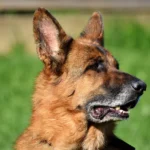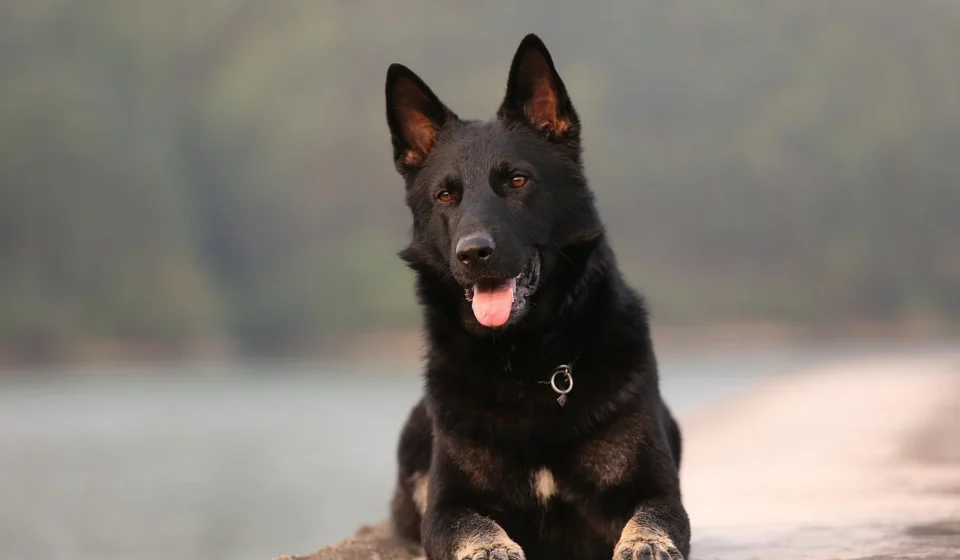
The primary difference between a King Shepherd and a German Shepherd is size and intensity. King Shepherds are giant dogs weighing up to 150 pounds with a calmer, more relaxed nature. German Shepherds are athletic purebreds weighing 50 to 90 pounds with higher drive and working intensity. Both offer strong loyalty, but King Shepherds are bred to be softer family guardians.
When looking for a Majestic shepherd dog, many people find themselves choosing between the classic working drive of the German Shepherd and the massive, easygoing presence of the King Shepherd. Their sable and black-and-tan coats give them a strikingly similar appearance. However, their physical frames, historical origins, exercise demands, and household fit vary significantly.
Origins and lineage of the two shepherd breeds
The German Shepherd Dog has a standardized history dating back to late 19th-century Germany. Captain Max von Stephanitz established the breed standard by crossing various regional herding dogs from Thuringia and Swabia. His goal was to engineer a versatile, highly intelligent, and physically agile working dog. This dog would be capable of herding sheep, guarding livestock, and performing high-stakes tasks for military and police units worldwide.
The King Shepherd is a much newer development, created in North America during the late 20th century. American breeders Shelley Watts-Cross and David Turkheimer sought to develop a shepherd breed that preserved the intelligence and iconic look of traditional German Shepherds while building a larger frame, heavier bone structure, and a noticeably calmer temperament. To achieve this, breeders crossed European and American German Shepherd stock with Shiloh Shepherds and incorporated livestock guardian and northern breeds, including Great Pyrenees and Alaskan Malamute lines.
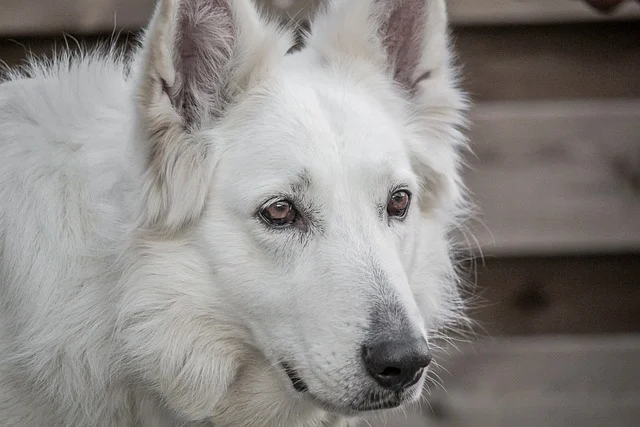
Because of these added bloodlines, we categorize the King Shepherd as a giant breed. Rare-breed associations like the American Rare Breed Association (ARBA) primarily recognize it. Major registries like the American Kennel Club (AKC) fully recognize the German Shepherd, but not the King Shepherd.
Physical differences: height, weight, and coat types
The most immediate distinction between a King Shepherd and a German Shepherd is physical size. The King Shepherd is built like a giant. It possesses a wider chest, a thicker neck, and a heavier bone structure that gives it a massive appearance. Male King Shepherds stand 26 to 30 inches at the shoulder and weigh between 90 and 150 pounds. Females reach 25 to 28 inches and weigh 75 to 110 pounds.
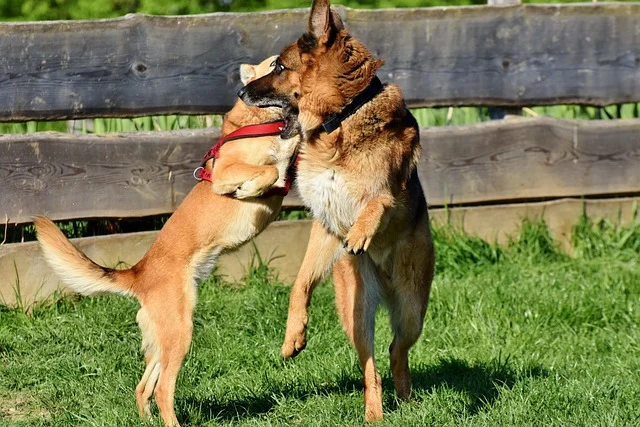
By contrast, the German Shepherd is built for agile, continuous trotting. Males typically measure 24 to 26 inches tall and weigh 65 to 90 pounds, while females stand 22 to 24 inches and weigh 50 to 70 pounds. While show-line German Shepherds often feature an angled or sloped topline, breeders deliberately breed King Shepherds to maintain a straight, level back with robust skeletal support across their spine and hindquarters.
Both breeds possess a weather-resistant double coat consisting of a dense undercoat and a coarse outer coat. German Shepherds come in medium (stock) coats or long coats. Their classic color patterns include black and tan, sable, solid black, and bi-color. King Shepherds almost exclusively display plush, thick, or long coats with generous chest ruffs and heavy feathering along their legs. Their coloration spans black and tan, rich sable, red sable, and solid black, often with broader chest markings.
King Shepherd vs German Shepherd: direct comparison
| Feature | King Shepherd | German Shepherd |
|---|---|---|
| Breed Category | Giant Shepherd (Hybrid origin) | Large Herding Dog (Purebred) |
| Height (Males) | 26 to 30 inches | 24 to 26 inches |
| Weight (Males) | 90 to 150 pounds | 65 to 90 pounds |
| Average Lifespan | 8 to 11 years | 9 to 13 years |
| Temperament | Mellow, patient, stoic, gentle | Driven, intense, alert, focused |
| Daily Exercise Needs | 45 to 75 minutes (Moderate) | 60 to 90+ minutes (High) |
| AKC Recognition | No (Foundation/Rare Breed registries) | Yes (Herding Group) |
| Coat Types | Plush or long double coat | Medium stock or long double coat |
Temperament and energy levels compared
While both dogs share strong protective instincts and high intelligence, their mental energy functions differently in everyday life. German Shepherds carry a sharp, focused working drive. They are perpetually vigilant, quick to react to changes in their environment, and require continuous mental engagement to feel satisfied. Without clear structure, a German Shepherd can become hyper-vigilant, vocal, or overly cautious around strangers.
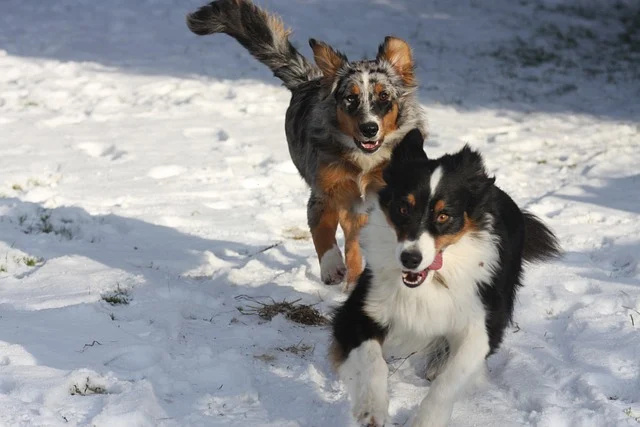
Breeders specifically bred King Shepherds to tone down this intense drive. They are noticeably gentler, more forgiving, and stoic. They tend to settle down quietly inside the house and are far less prone to pacing or high-strung reactivity. While protective of their territory, a King Shepherd generally greets visitors with a calm, aloof appraisal rather than immediate tension.
For families with young children or first-time giant-breed owners, the patient disposition of the King Shepherd offers a more relaxed household environment. However, for handlers interested in active dog sports, competitive obedience, Schutzhund, or working roles, the German Shepherd’s drive and athleticism are unmatched.
Exercise and mental stimulation requirements
Both breeds require regular daily exertion to stay healthy and well-behaved, but their physical capacities require different routines:
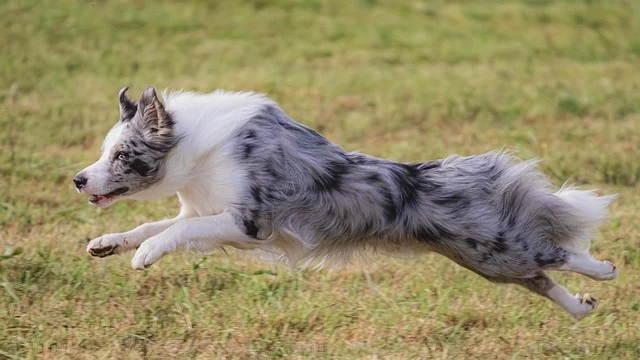
- German Shepherd requirements: Requires 60 to 90 minutes or more of high-intensity activity every day. Activities like jogging, fetch, tracking, agility, and structured obedience drills are essential for burning off their surplus energy.
- King Shepherd requirements: Needs 45 to 75 minutes of moderate, steady activity daily. Brisk walking, casual hiking, and open yard play suit them well. You should avoid high-impact jumping or long-distance running to protect their heavy joints.
Mental exercise is equally vital. A bored shepherd of either breed can develop destructive habits such as door-chewing, hole-digging, or continuous barking. Interactive food puzzles, scent-tracking games, and daily trick training help keep their minds sharp and content.
Grooming routine and coat maintenance
Managing the thick double coats of these shepherd breeds requires dedication. Both breeds shed continuously throughout the year. They also experience heavy coat “blows” twice annually during seasonal transitions in spring and autumn.
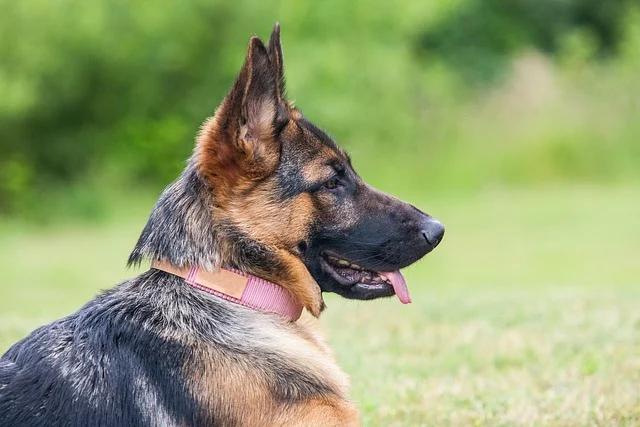
King Shepherds usually feature longer, plush coats. They require brushing three to four times a week to prevent mats from forming behind their ears, under their thighs, and around their tail. A German Shepherd with a stock coat needs brushing two times a week. Long-coated variants, however, require similar care to the King Shepherd.
Essential grooming tools and practices include:
- Undercoat rake: Essential for reaching deep into the thick undercoat to extract loose fur before it mats.
- Slicker brush: Ideal for smoothing the outer guard hairs and removing debris after outdoor walks.
- Bathing schedule: Bathe every 6 to 8 weeks; over-washing strip natural skin oils and can lead to dry, itchy skin.
- Nail and ear care: Trim nails monthly to prevent foot structural issues. Clean ears weekly to prevent yeast buildup in their erect ear canals.
Health issues, genetic screening, and lifespan
Both breeds face potential genetic health concerns common to large, deep-chested dogs. Prospective owners must work with reputable breeders who conduct transparent health testing on all breeding stock.

Joint issues such as Hip and elbow dysplasia are primary concerns for both breeds. However, breeders specifically selected the King Shepherd’s level back to reduce the spinal and hip degradation seen in some sloped German Shepherd lines. German Shepherds are also genetically prone to Degenerative Myelopathy (DM)—a progressive neurological disease affecting the spinal cord—as well as Exocrine Pancreatic Insufficiency (EPI) and skin allergies.
Due to their deep chests, both breeds face a risk of Gastric Dilatation-Volvulus (GDV or bloat). This is a life-threatening emergency where the stomach fills with gas and twists. Feeding multiple smaller meals daily and avoiding vigorous exercise for an hour after eating significantly lowers this risk. For proper health evaluations, sourcing dogs through Responsible breeders who provide certified hip, elbow, and DNA clearance documentation is critical.
The lifespan reflects their body mass. German Shepherds live an average of 9 to 13 years. King Shepherds have a slightly shorter lifespan of 8 to 11 years, typical for giant breeds.
Training strategies and socialization needs
Early, reward-based training is essential when raising a dog that will easily weigh between 70 and 150 pounds. Positive reinforcement techniques—using high-value food, toys, and praise—yield the fastest and most stable results for both breeds.
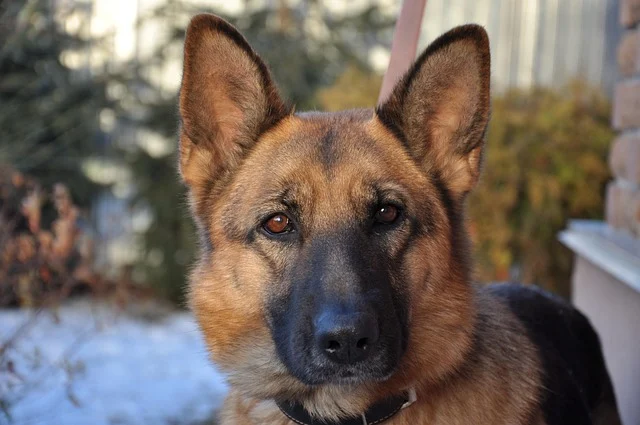
Critical training priorities include:
- Early socialization (8 to 16 weeks): Safely expose puppies to diverse environments, unfamiliar dogs, strange sounds, and varied people to curb unwanted protective reactivity.
- Leash manners: Teach loose-leash walking immediately during puppyhood. Managing a full-grown 140-pound King Shepherd that pulls requires massive physical effort if bad habits form early.
- Impulse control: Practice stay commands, threshold waiting at front doors, and leave-it cues to control their natural guard-dog inclinations.
Which shepherd breed best fits your home?
Choosing between these two remarkable breeds comes down to your living situation, physical activity levels, and experience with dogs.
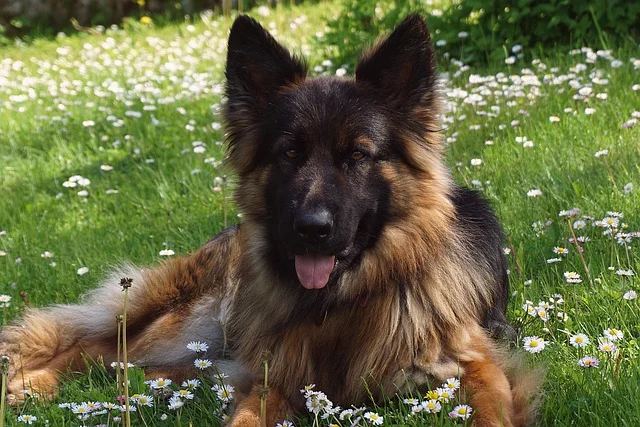
The German Shepherd suits you best if:
- You live an active lifestyle involving running, hiking, or dog sports.
- Next, you want an eager, highly responsive working dog for obedience or protection training.
- You have prior experience managing high-drive herding breeds.
- Also, you prefer a lighter, more agile dog that fits easily into standard vehicles and living spaces.
The King Shepherd suits you best if:
- You prefer a calmer, steady giant companion with a gentler home demeanor.
- Then, you want the classic shepherd appearance in a larger frame with a level spine.
- You have a spacious home and a fenced yard capable of housing a giant breed.
- Similarly, you are prepared for higher food bills, larger medication dosages at the vet, and heavy grooming routines.
Neither breed suits you if:
Neither dog is appropriate for households where the dog will be left alone for 10 to 12 hours a day without interaction. Sedentary owners, individuals living in tight apartments with strict weight restrictions, or anyone unwilling to manage intense seasonal shedding should consider less demanding breeds.
Sources: German Shepherd
Frequently asked questions
Is a King Shepherd just a large German Shepherd?
No, the King Shepherd is a distinct breed developed by crossing German Shepherds with Shiloh Shepherds, Great Pyrenees, and Alaskan Malamutes. While they share heritage, King Shepherds are larger, heavier, and intentionally bred for a softer, calmer disposition.
Do King Shepherds shed more than German Shepherds?
Because King Shepherds almost always possess long, plush coats with dense undercoats, they shed noticeable volumes of long hair daily. German Shepherds shed just as consistently, but their fur is often shorter unless they are long-coat variants.
Are King Shepherds easier to manage for first-time owners?
King Shepherds generally have a more relaxed, forgiving temperament than high-drive German Shepherds, which can make daily life easier. However, their giant size creates physical management challenges that require firm, early training on leash control and basic manners.
How much food does a King Shepherd eat compared to a German Shepherd?
An adult German Shepherd typically eats 3 to 4 cups of high-quality large-breed dry kibble per day. An adult male King Shepherd weighing over 120 pounds can consume 5 to 7 cups daily, resulting in substantially higher monthly feeding costs.