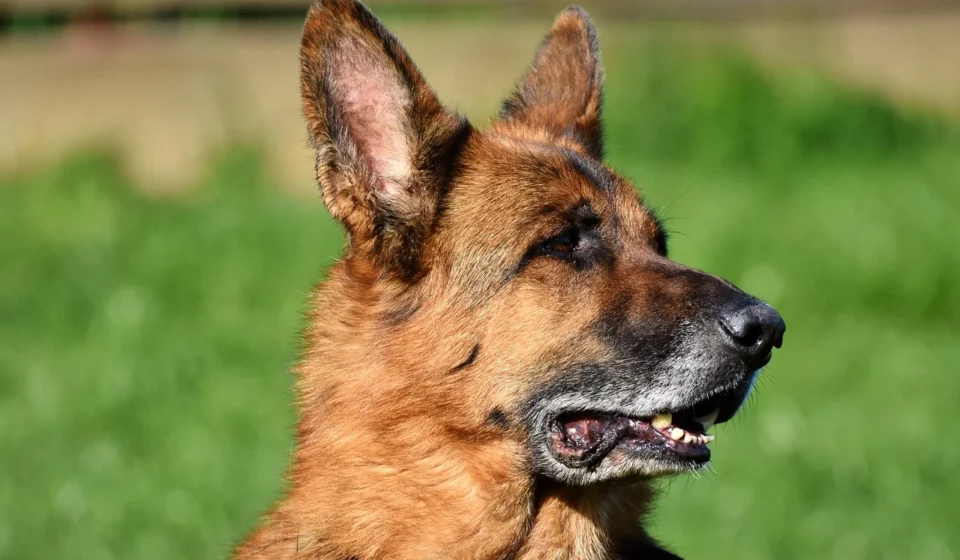
A king alsatian is an informal name typically referring to the American Alsatian, a domestic breed developed since the 1980s to look like a large prehistoric wolf while maintaining an exceptionally calm, low-drive companion temperament. Unlike high-energy German Shepherds, this giant dog is specifically bred for quiet family life rather than working or protection roles.
While many dog lovers assume the term describes an extraordinarily large German Shepherd or a specialized working line, the dog behind the title is a distinct companion breed built on specific genetic choices. Understanding its lineage, physical demands, temperament, and care requirements will help you decide if this quiet giant belongs in your home.
What is a king alsatian and where did the name originate?
The name “King Alsatian” is not an official breed title recognized by major international kennel clubs. Instead, it is an informal label used by the public to describe the American Alsatian, a breed created by breeder Jeanette Baker in Southern California in 1988. Baker set out through her project to produce a dog that possessed the striking, heavy-boned physical appearance of the extinct Dire Wolf, but with the gentle, unreactive temperament of a companion pet.
In the United Kingdom and parts of Commonwealth nations, the word “Alsatian” was historically used as the standard name for the German Shepherd Dog following World War I. When breeders began developing larger, broader shepherd-style dogs, casual buyers attached terms like “King” or “Royal” to signify exceptional height and bone structure. Consequently, “King Alsatian” became a popular catch-all search phrase, often confusing three separate types of dogs: oversized purebred German Shepherds, the King Shepherd (a cross-breed involving German Shepherds, Shiloh Shepherds, and Great Pyrenees), and the true American Alsatian.
To establish the foundation of the American Alsatian, selective breeding combined several distinct foundation breeds. The original line relied on the German Shepherd for intelligence and trainability, the Alaskan Malamute for heavy bone structure and wolf-like head dimensions, the Great Pyrenees for a calm, watchful nature, and the English Mastiff for broad skull features and low-energy physical presence. Later additions in specific lines included the Anatolian Shepherd to reinforce structural health and sound hips.
What are the physical standards and size of the breed?
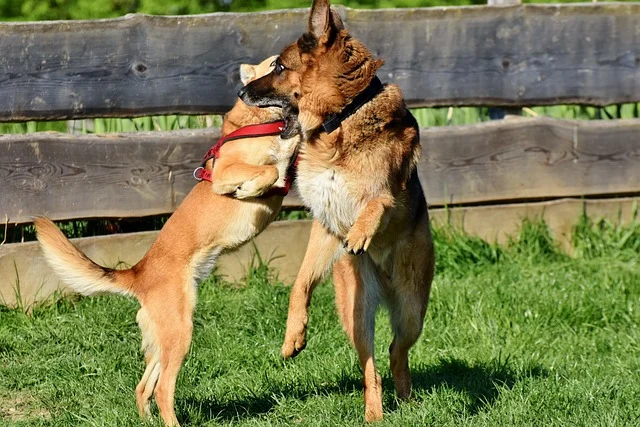
The physical standard of the American Alsatian emphasizes raw power, broad structural bone, and a balanced, non-exaggerated gait. They are classified as large to giant dogs, built significantly heavier than standard working shepherds.
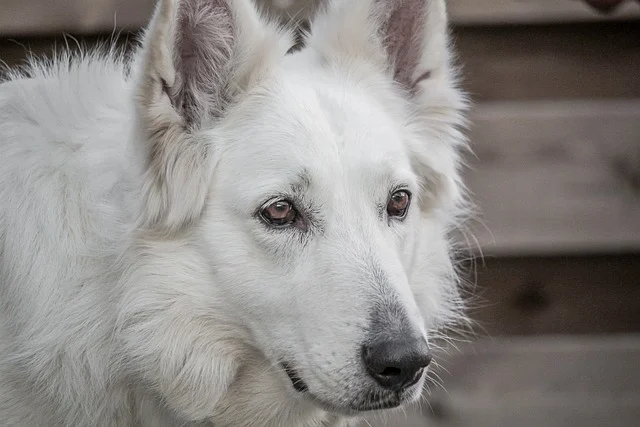
- Male height and weight: Stand 26 to 30 inches tall at the shoulder. They weigh between 90 and 120 pounds, with some mature males reaching up to 130 pounds.
- Female height and weight: Stand 24 to 28 inches tall at the shoulder and weigh between 75 and 100 pounds.
- Head and muzzle: The head is broad and muscular with a thick, blocky muzzle rather than a long, tapered snout. The stop is gently sloped, and the skull width creates a distinctly lupine expression.
- Eyes and ears: Eyes range from light brown to yellow or amber, giving the dog an intense, thoughtful stare. Ears are triangular, upright, and medium in size relative to the broad head.
- Coat and color: The breed possesses a dense double coat designed to handle climate changes. Common coat colors include silver sable, gold sable, dark wolf sable, black, grey, and occasionally piebald patterns.
- Body structure: Unlike show-line German Shepherds, the back line is straight and level from shoulders to rump. It ends in a low-slung, saber-shaped tail that hangs straight down when at rest.
How does the king alsatian differ from a German Shepherd?
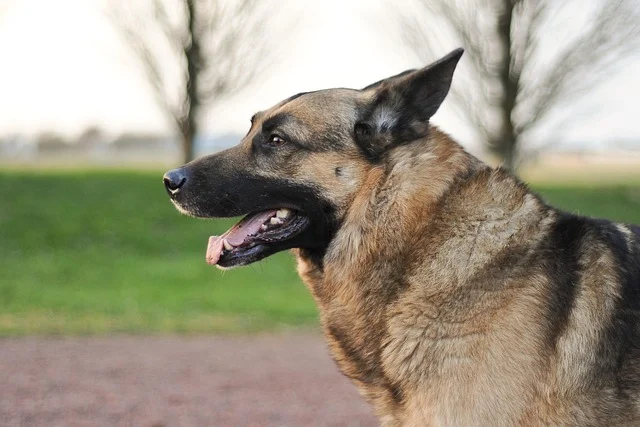
While both dogs share wolf-like features and shepherd ancestral roots, their behavioral profiles and physical frames are fundamentally different. The German Shepherd is a working breed engineered for high energy, intense drive, herding agility, and quick reaction times. The American Alsatian was deliberately bred to remove high drive, anxiety, and sharp working reactivity. This resulted in a placid home companion.
According to registration standards outlined by the American Kennel Club (AKC), traditional German Shepherds are working dogs. They require frequent mental challenges and structured physical exertion. In contrast, the American Alsatian prefers low-impact activities. This makes them far less demanding for families who do not participate in high-intensity canine sports or daily long-distance running.
| Feature | King Alsatian (American Alsatian) | German Shepherd Dog | King Shepherd |
|---|---|---|---|
| Primary Role | Low-drive family companion | High-drive working, herding, police | Working companion & watch dog |
| Average Male Weight | 90–120+ lbs | 65–90 lbs | 90–150 lbs |
| Back Topline | Straight and level | Often angled/sloped (show lines) | Straight or slightly angled |
| Temperament & Drive | Placid, quiet, very low prey drive | High energy, alert, strong prey drive | Moderate to high energy, protective |
| Barking Frequency | Very low; rare vocalization | Moderate to high; frequent alert bark | Moderate; vocal alert guardian |
| Registry Status | National American Alsatian Club | AKC, UKC, KC (Full recognition) | AKC-FSS, ARBA (Rare breed registries) |
What is the temperament and behavior of a king alsatian?
The breed is often described by dog owners and breed clubs as a “thinking dog.” They are gentle, emotionally steady, and remarkably tolerant of household commotion. They do not exhibit the nervous energy, pacing, or whining often seen in high-drive working breeds when under-exercised.
Because prey drive was deliberately bred out of their lineage, these dogs rarely chase wildlife, cats, or small pets when socialized early. Their guarding instinct manifests as calm observation rather than aggressive display. They will position themselves between their family and an unfamiliar visitor, watching quietly to assess the threat rather than barking furiously at the door.
Around children, their placid demeanor shines, though their sheer physical mass requires careful management. A 110-pound dog can easily knock over a toddler simply by turning around or wagging its heavy tail. Early manners training is necessary to prevent accidental collisions inside the home.
How do you care for a king alsatian?
Caring for a dog of this size involves managing physical conditioning, coat upkeep, and proper nutrition to ensure long-term health.
Grooming and coat maintenance
The double coat requires consistent grooming to maintain air circulation through the fur. This also prevents painful matting around the thighs, neck, and underarms.
- Weekly brushing: Use an undercoat rake and a slicker brush twice a week during normal shedding periods to remove loose hair and dirt.
- Seasonal blow-outs: Twice a year, usually in spring and autumn, the dog will shed its entire dense undercoat over 2 to 4 weeks. Daily brushing with a de-shedding tool is required during these periods.
- Bathing: Bathing should occur every 8 to 12 weeks or when dirty. Avoid over-washing, which strips natural protective oils from the skin.
- Nails and ears: Heavy dogs put significant pressure on their paw pads; clip nails bi-weekly to prevent foot splaying. Check erect ears weekly for moisture, wax accumulation, or debris.
Exercise and activity needs
Despite their imposing size, their exercise needs are modest compared to traditional working breeds. One or two moderate 30-minute walks per day, combined with unstructured outdoor play in a fenced area, will satisfy their physical needs.
Avoid high-impact activities such as agility jumping, road running, or strenuous hill hiking before 18 to 24 months of age. Growing giant-breed puppies undergo rapid skeletal growth, and excessive strain can damage soft growth plates in their joints.
Nutrition and feeding guidelines
Feed a high-quality food formulated specifically for giant or large breeds. Large-breed puppy food regulates calcium and phosphorus ratios to slow rapid skeletal growth, reducing the risk of developmental bone disorders.
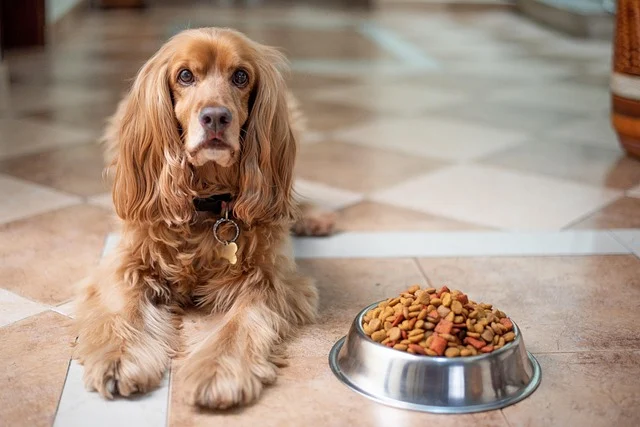
Adult dogs should be fed twice daily rather than receiving one large meal. Using elevated feeding bowls can increase gas intake and bloat risks. So, keep food dishes at floor level unless a veterinarian recommends otherwise for specific neck issues.
How should you train and socialize a king alsatian puppy?
Because adult dogs reach weights over 100 pounds, training must begin the day you bring your puppy home. A well-behaved giant dog is a joy; an untrained giant dog is an dangerous physical liability.
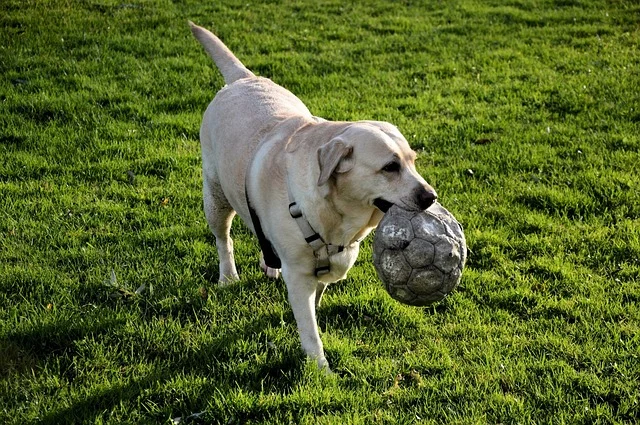
- Establish loose-lead walking from week 8: Use a flat collar or front-clip harness to teach your puppy to walk at your hip without tension. Never rely on head halters or choke chains on a growing puppy, but focus instead on reward-based position reinforcement.
- Enforce a strict “no jumping” rule immediately: While a 15-pound puppy jumping up to greet people seems cute, that same behavior at 110 pounds will knock adults down. Ignore jumping and reward only when all four paws remain flat on the ground.
- Execute a structured socialisation plan: Between 8 and 16 weeks of age, introduce your puppy to at least 50 new non-threatening stimuli. These include children, wheelchairs, umbrellas, livestock, and busy streets. Focus on calm neutrality rather than excited play.
- Practice calm settling indoors: Teach your puppy a “place” command on a designated dog mat. Encourage them to stay settled quietly while the household moves around them, building strong impulse control.
What are the common health risks and lifespan?
The average lifespan of an American Alsatian is 10 to 14 years. This is a surprisingly long life expectancy for a giant breed, largely attributed to outcrossing during the breed’s initial creation.
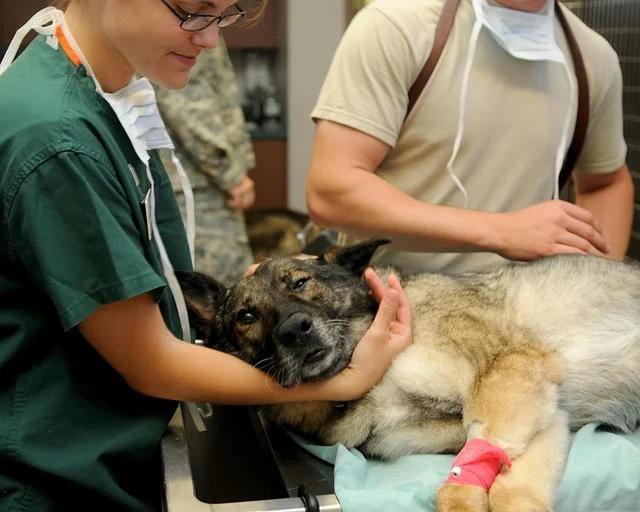
However, like all large dogs, they are susceptible to structural and genetic conditions that prospective owners must screen for:
- Hip and elbow dysplasia: Malformation of the ball-and-socket joints leading to arthritis and lameness. Sourcing puppies from Responsible breeders who provide official hip evaluation certificates from organizations like the Orthopedic Foundation for Animals (OFA) or PennHIP is mandatory.
- Gastric Dilatation-Volvulus (Bloat): A life-threatening condition where the stomach fills with gas and twists on itself. Prevent rapid eating with slow-feeder bowls and enforce a strict 60-minute rest period after meals before any physical activity.
- Panosteitis (“growing pains”): A temporary inflammatory bone disease affecting young, rapidly growing giant dogs between 5 and 18 months. It causes sudden shifting lameness and requires rest and pain management under veterinary oversight.
- Heart anomalies: Mild cases of dilated cardiomyopathy or subaortic stenosis can appear in large breeds. Parents should have clear cardiac evaluations prior to breeding.
Who is the king alsatian right for—and who should avoid it?
This breed is ideal for:
- Families wanting a massive, calm companion dog with low energy levels indoors.
- Owners living in homes with secure garden space who prefer quiet walks over intense daily running.
- Dog lovers who want the striking look of a wolf or prehistoric canine without the dangerous instincts of actual wolf hybrids.
- Suburban households looking for a watchful companion that does not bark continuously at passersby.
This breed is NOT ideal for:
- Anyone seeking an active personal protection, bite-work, or guard dog; these dogs lack the required drive and defense reactivity.
- Owners who dislike heavy shedding, fur on furniture, or high grooming maintenance.
- Apartment dwellers living on upper floors without lift access, as moving an injured or aging 110-pound dog down stairs is extremely difficult.
- Handlers interested in competitive agility, flyball, or intense canine working sports.
Frequently asked questions
Is a King Alsatian a recognized breed by the AKC?
No, the term “King Alsatian” refers to the American Alsatian, which is recognized by its dedicated registry, the National American Alsatian Club, but not by major kennel clubs like the AKC or the Kennel Club (UK).
Are King Alsatians aggressive because of their wolf-like appearance?
No, aggression was actively bred out of the foundation stock. American Alsatians possess a calm, friendly, and non-reactive temperament specifically tailored for low-stress family companionship.
How much does a King Alsatian puppy cost?
Puppies from reputable breeders typically range from £1,500 to £3,000 ($2,000 to $3,500 USD), depending on lineage and health testing standards, with long waiting lists common due to strict breeding limits.
Do King Alsatians bark a lot?
No, they are known for being exceptionally quiet dogs that rarely bark unless raising a direct alert to unusual activity immediately outside the home.
Is a King Alsatian part wolf?
No, true American Alsatians contain no recent wolf DNA. Their lupine appearance is entirely the product of selective line-breeding using purebred domestic breeds like the Malamute, Mastiff, and German Shepherd.