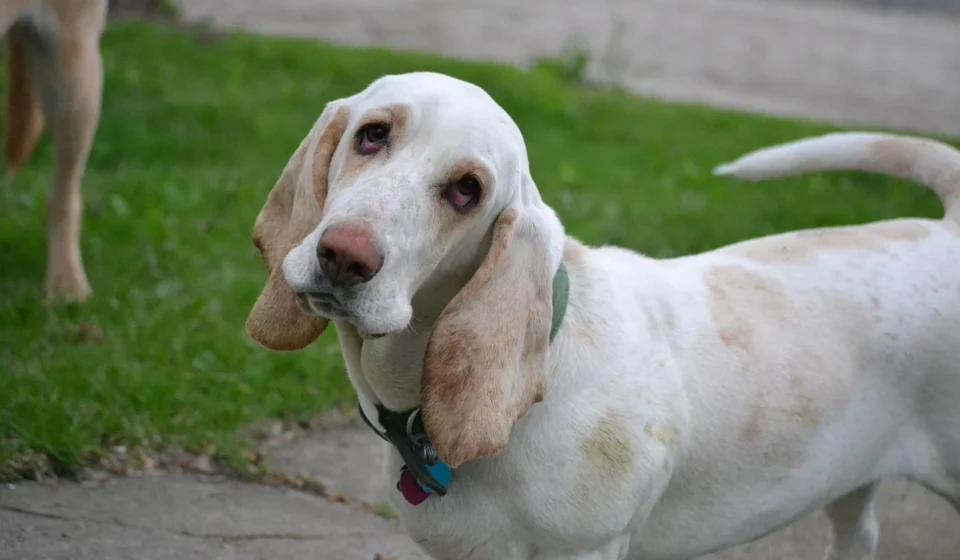
Long nose dog breeds, scientifically known as dolichocephalic canines, are distinguished by their elongated skulls and muzzles. This unique anatomical structure provides an enhanced sense of smell due to a larger surface area within their nasal passages, helps regulate body temperature, and contributes to aerodynamic efficiency for speed. A dog is generally considered dolichocephalic if its head width is less than 75% of its muzzle length.
These evolutionary adaptations have enhanced their effectiveness in roles like hunting, tracking, and guarding. This article explores why dogs have long noses, highlights breeds with the longest snouts like the Borzoi, and lists common dolichocephalic breeds across small, medium, and large sizes.
Understanding Long Nose Dog Breeds
Long nose dog breeds, scientifically known as dolichocephalic canines, are distinguished by their elongated skulls and muzzles. The length of the cranium and muzzle significantly exceeds the width of the skull. This unique anatomical structure influences their senses, physical capabilities, and specific care requirements, making them fascinating companions for many.
A dog is generally considered dolichocephalic if its head width is less than 75% of its muzzle length, according to the cephalic index. This basic classification is helpful to understand. It provides a clear benchmark for what defines a true long nose dog breeds.
Why Do Dogs Have Long Noses? The Evolutionary Advantage
Dogs have long noses primarily due to evolutionary adaptations that enhance their survival and effectiveness in specific roles. These include hunting, tracking, and guarding. This elongated structure provides several distinct advantages for long nose dog breeds that have been selectively bred for over centuries.
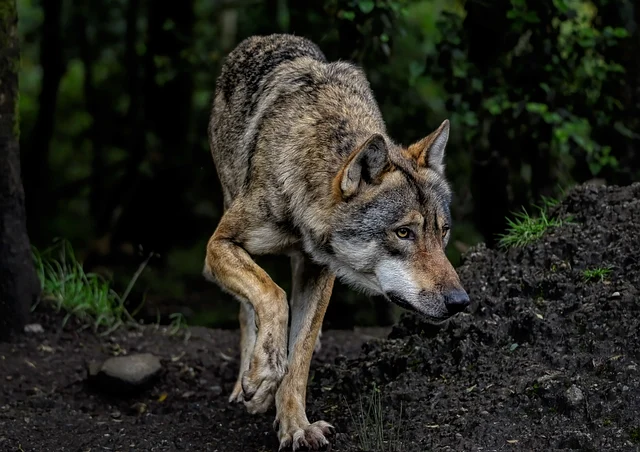
One of the most significant benefits is an enhanced sense of smell. The elongated shape of their snout provides a larger surface area within the nasal passages. This means more space for olfactory turbinates and scent receptor cells. This increased surface area allows dolichocephalic breeds to process a greater volume of air and detect a wider range of odors with remarkable precision. They are exceptional trackers and scent hounds. For instance, a Bloodhound’s ability to follow a scent trail for miles is directly linked to its extensive olfactory system housed within its long nose.
Other benefits of long noses
Beyond smell, their long nasal passages can improve airflow and help regulate body temperature, especially in hot climates. The extensive internal surface area acts as a natural cooling system. It allows warm blood to cool as it passes over the moist membranes before returning to the brain. This is a crucial adaptation for breeds that historically worked in open, sunny environments.
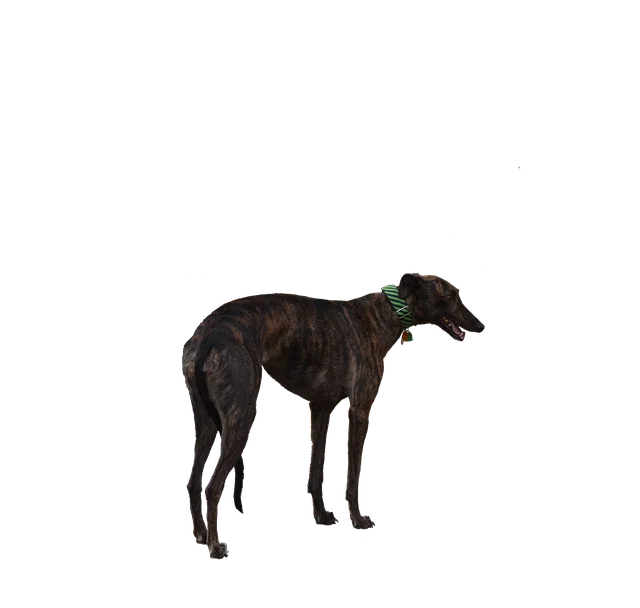
Many long-nosed breeds, particularly sighthounds, were historically bred for speed. Their aerodynamic heads and streamlined bodies reduce air resistance, allowing them to run more efficiently. Greyhounds or Whippets often come to mind. Their sleek profiles are perfectly adapted for high-speed pursuit, a trait that their long, narrow heads contribute to significantly.
Finally, long-snouted dolichocephalic dogs often have a wider visual field, up to 270 degrees, compared to short-snouted breeds. This wider field of vision assists in detecting movement from a distance. It was invaluable for sighthounds that relied on spotting prey across open plains. While it would not be said their vision is necessarily “better” in all aspects, the expansive peripheral vision is a distinct advantage for their original purposes.
What Breed of Dog Has the Longest Snout?
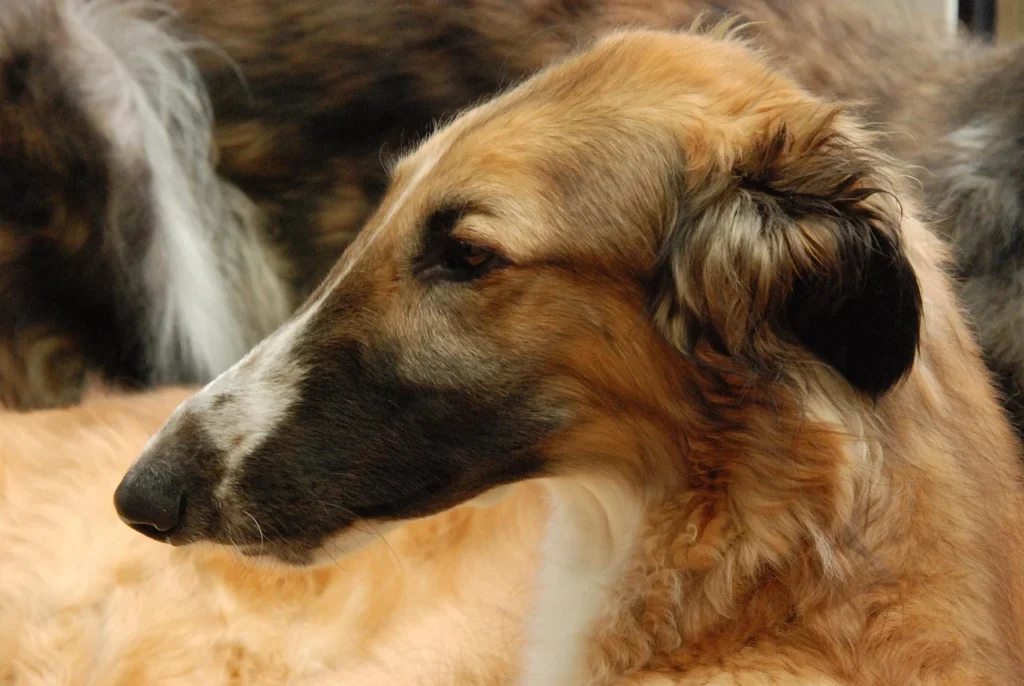
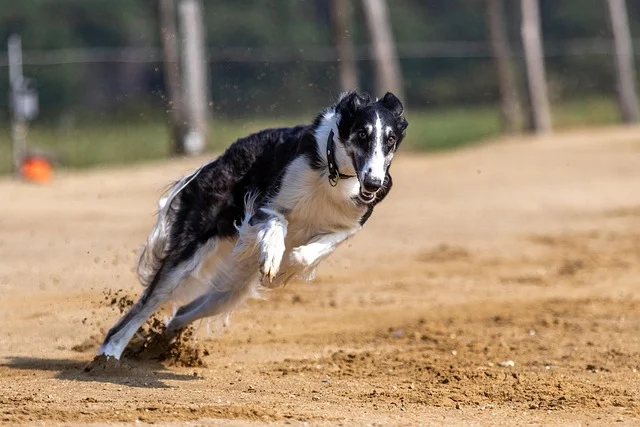
The Borzoi, a Russian sighthound, is widely recognized for having one of the longest snouts among all dog breeds. Its snout often appears disproportionately long compared to their skull. While many breeds have long noses, the Borzoi’s elegant, tapering muzzle stands out for its extreme length.
The Borzoi’s exceptional snout length is a hallmark of its breed standard and a functional adaptation for its historical role in hunting wolves and other fast-moving prey. Its long nose, combined with its streamlined body, contributes to its incredible speed and agility. This allows it to catch up to and hold prey. It is fascinating how form follows function so clearly in this breed.
Common Long Nose Dog Breeds (Dolichocephalic Canines)
Many beloved dog breeds fall into the dolichocephalic category, each with its own unique charm and characteristics. Understanding the variety can help you decide if a long-nosed dog is the right fit for your lifestyle.
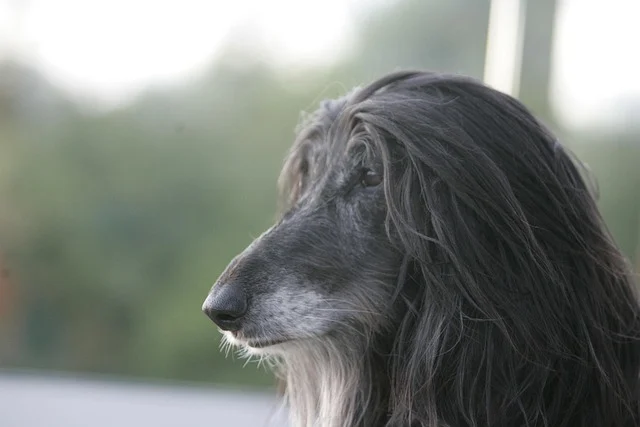
Common long-nosed dog breeds include:
- Afghan Hounds: Known for their aristocratic appearance and flowing coats, Afghan Hounds possess a distinctive long, refined muzzle. They are independent and require regular grooming.
- Bloodhounds: Famous for their unparalleled sense of smell, Bloodhounds have a very long, broad muzzle with loose skin and long, drooping ears. They are gentle giants but can be stubborn.
- Greyhounds: The quintessential sighthound, Greyhounds have sleek, aerodynamic heads with long, narrow snouts designed for incredible speed. They are surprisingly calm indoors.
- German Shepherds: These intelligent and versatile working dogs have a strong, elongated muzzle proportionate to their head. They excel in various roles, from police work to family companions.
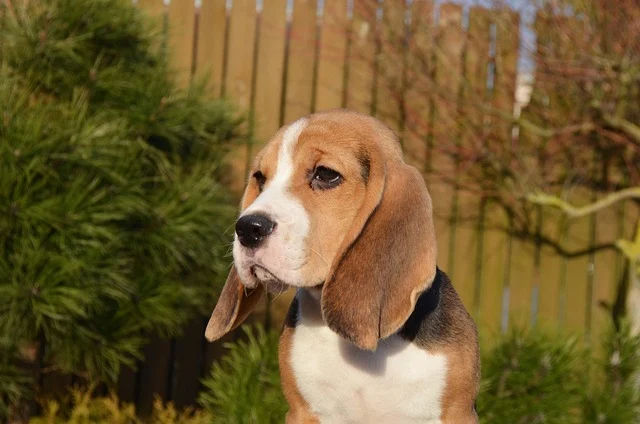
- Beagles: A popular scent hound, Beagles have a moderately long, square-cut muzzle, perfect for following scent trails. They are cheerful and require consistent training.
- Dachshunds: Often called ‘sausage dogs’, Dachshunds have a surprisingly long and tapering muzzle relative to their body size. This is essential for their badger-hunting heritage. They are playful and determined.
- Pointers: Whether German Shorthaired, English, or Portuguese, Pointers have distinctive long snouts, crucial for scenting game. They are energetic and require ample exercise.
- Whippets: Smaller cousins to the Greyhound, Whippets share the same elegant, long-nosed profile, built for speed and agility. They are affectionate and adaptable.
- Borzois: As discussed, these elegant Russian sighthounds possess one of the longest and most refined snouts in the canine world. They are quiet and dignified.
- Salukis: Another ancient sighthound, Salukis have a very long, narrow head and muzzle. This reflects their desert heritage and need for speed. They are graceful and reserved.
- Collies: Both Rough and Smooth Collies are known for their distinctive long, elegant muzzles and intelligent expressions. They are loyal and highly trainable.
- Poodles: All sizes of Poodles (Standard, Miniature, Toy) feature a long, straight muzzle that gives them an intelligent and refined look. They are highly intelligent and active.
- Irish Wolfhounds: These gentle giants have a long, powerful muzzle, fitting their large and imposing stature. They are calm but require significant space.
Small, Medium, and Large Long Nose Dog Breeds
Long-nosed breeds come in a vast array of sizes, meaning there’s likely a dolichocephalic dog to suit nearly any living situation or preference. Categorizing them by size is useful. This often dictates their exercise needs, living space requirements, and general care.
Small Long Nose Dog Breeds
For those living in smaller homes or apartments, or simply preferring a more compact companion, several small long-nosed breeds offer all the charm of their larger cousins. These dogs typically weigh under 10-12 kg and stand less than 35 cm tall at the shoulder.
- Dachshund: Known for their distinctive long bodies and surprisingly long muzzles, Dachshunds were originally bred to hunt badgers. They are spirited and affectionate.
- Whippet: While technically a medium-sized breed, many Whippets are on the smaller side, making them ideal for those seeking a sleek, fast, yet compact dog. They are quiet indoors and love to cuddle.
- Italian Greyhound: A miniature version of the Greyhound, these delicate dogs possess the characteristic long, refined snout and slender build, perfect for apartment living.
- Miniature Poodle: Intelligent and elegant, Miniature Poodles have a well-proportioned long muzzle and are highly trainable.
It’s important to remember that even small dolichocephalic breeds, like the Dachshund, often have strong prey drives and require consistent training and secure environments.

Medium Long Nose Dog Breeds
Medium-sized long-nosed dogs offer a balance of manageability and robustness, typically weighing between 12-25 kg and standing 35-55 cm tall. They often suit active families or individuals with a bit more space.
- Beagle: With their excellent sense of smell and moderately long muzzles, Beagles are friendly, curious, and energetic dogs.
- Collie (Rough & Smooth): Known for their intelligence and loyalty, Collies have long, elegant muzzles and come in both rough (long-haired) and smooth (short-haired) varieties.
- Standard Poodle: Despite their often-stylized appearance, Standard Poodles are athletic, highly intelligent dogs with long, straight muzzles.
- Airedale Terrier: The largest of the terrier breeds, Airedales have a strong, elongated muzzle and a distinctive bearded appearance. They are courageous and versatile.
When considering a medium long-nosed breed, we always advise evaluating their energy levels. Many, like Beagles, require substantial daily exercise to prevent boredom and destructive behaviors.
Large Long Nose Dog Breeds
For those with ample space and a desire for a grand companion, large long-nosed breeds offer impressive stature and often a calm, dignified demeanour, typically weighing over 25 kg and standing over 55 cm tall.
- German Shepherd: Renowned for their intelligence and loyalty, German Shepherds have a strong, proportionate long muzzle and are highly trainable working dogs.
- Greyhound: Despite their size, Greyhounds are often described as ’45 mph couch potatoes’ due to their calm indoor temperament, balanced by bursts of incredible speed.
- Afghan Hound: With their unique appearance and long, refined muzzles, Afghan Hounds are independent, elegant, and require significant grooming.
- Irish Wolfhound: As one of the tallest dog breeds, Irish Wolfhounds possess a powerful, long muzzle. They are gentle giants, calm and affectionate with their families.
- Borzoi: Known for their extreme length of snout, Borzois are graceful, quiet, and surprisingly gentle despite their large size.
- Bloodhound: These large hounds are famous for their tracking abilities, which are aided by their very long, broad muzzles and extensive olfactory systems.
Large long-nosed breeds often need a secure, spacious garden and consistent training from a young age due to their size and potential strength. Early socialisation is crucial for these powerful dogs.
Health Considerations and Care for Long-Nosed Dogs
Long nose dog breeds generally benefit from better respiratory health compared to brachycephalic (flat-faced) breeds, but their unique anatomy can still predispose them to certain health concerns. Prospective owners must be aware of these potential issues. This ensures their dog receives the best possible care.
Respiratory Health
A common misconception is that a long nose automatically guarantees good breathing; however, a long-nosed dog can still have issues like stenotic nares (narrow nostrils) or an elongated soft palate, though these are far less common and less severe than in brachycephalic breeds. If you notice your long-nosed dog struggling with breathing, excessive snoring, or exercise intolerance, we recommend consulting your vet.
Their elongated nasal passages can also make them more susceptible to certain conditions:
- Allergies: Just like humans, dogs can suffer from environmental allergies, and their long noses can be efficient at collecting airborne allergens, leading to sneezing, nasal discharge, or skin irritation.
- Fungal Infections: Fungal infections like Aspergillosis can occur in the nasal passages. Symptoms might include nasal discharge, bleeding from the nose, pain, or sneezing.
- Kennel Cough: While not exclusive to long-nosed breeds, their deep nasal passages can make them more prone to respiratory infections like Kennel Cough if exposed.
- Nasal Tumours and Cancers: Unfortunately, long-nosed dogs can also develop benign nasal tumors or, more seriously, nasal cancers. Persistent nasal discharge, bleeding, or facial swelling should always warrant a vet visit.
Dental Health
Their long, narrow muzzles can lead to tightly packed teeth. This crowding can create pockets where food particles and bacteria accumulate, increasing the risk of plaque buildup, tartar, gum disease, and tooth decay. Regular dental care is therefore paramount.
We advise establishing a routine that includes:
- Daily Brushing: Use a dog-specific toothbrush and toothpaste.
- Dental Chews and Toys: Choose veterinarian-approved dental chews that help scrape away plaque.
- Regular Veterinary Check-ups: Your vet can perform professional dental cleanings under anesthesia and address any developing issues.
Neglecting dental hygiene can lead to painful infections, tooth loss, and even systemic health issues as bacteria can spread to other organs.
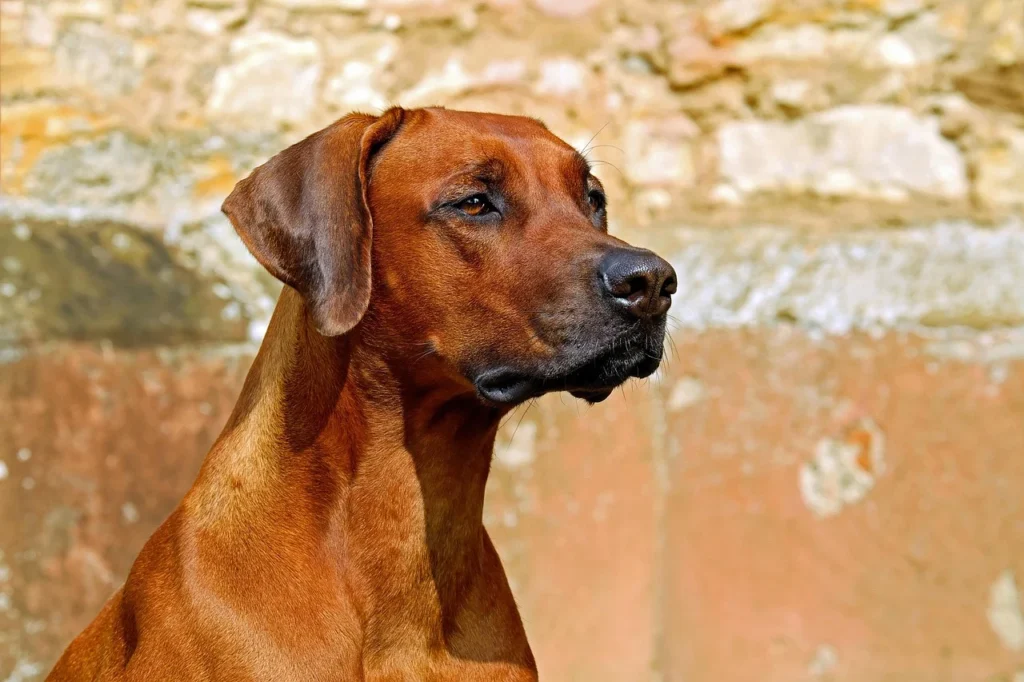
Other Considerations
- Sunburn: Some long-nosed breeds, particularly those with light-coloured noses or thin fur on their muzzles, can be susceptible to sunburn. We recommend applying pet-safe sunscreen to their noses during prolonged sun exposure.
- Exercise Needs: Many long-nosed breeds, especially sighthounds, were bred for speed and endurance and require significant exercise. However, they are not all high-energy. For example, Greyhounds are often quite content with short bursts of activity and long naps. Understanding the specific breed’s energy level is key.
- Training: Due to their strong scent drive (in hounds) or independent nature (in sighthounds), some long-nosed breeds can be challenging to train without consistent, positive reinforcement. We always stress the importance of early socialisation and obedience training.
Lifespan of Long Nose Dog Breeds
Recent research indicates that small, long-nosed dog breeds tend to live longer than large, flat-faced breeds. A study published in February 2024, based on data from over half a million dogs in the UK, revealed significant insights into canine longevity.
This February 2024 study found that small, long-nosed female dogs had the longest median lifespans among pure breeds, at 13.3 years. This contradicts a long-held belief by also finding that purebred dogs lived slightly longer than crossbreds (12.7 years vs. 12 years), possibly due to the rise of ‘designer breeds’ where health testing might be less rigorous.
While genetics play a significant role, proper care, nutrition, regular veterinary check-ups, and a suitable environment are also crucial in maximizing a dog’s lifespan, regardless of its breed or nose length. It’s a combination of nature and nurture.
Choosing the Right Long Nose Dog Breed for You
Deciding on a long nose dog breed involves considering several factors beyond just their appearance. We always encourage prospective owners to think about their lifestyle, living situation, and commitment to a dog’s specific needs.
- Lifestyle Match: Are you an active individual or family who can provide the necessary exercise for a high-energy sighthound or scent hound? Or do you prefer a more relaxed companion that’s content with moderate walks and plenty of cuddles?
- Grooming Commitment: Breeds like the Afghan Hound require extensive grooming, while others like the Greyhound are low-maintenance in terms of coat care. Consider how much time you can realistically dedicate to grooming.
- Training Experience: Some long-nosed breeds, particularly those with strong prey drives or independent streaks, may require more experienced owners or a commitment to professional training.
- Space Requirements: While small long-nosed breeds can thrive in apartments, larger breeds like Irish Wolfhounds need ample space, both indoors and outdoors.
It is helpful to research specific breed characteristics thoroughly, perhaps even speaking with breeders or rescue organizations, before making a decision. Every dog is an individual, but understanding breed tendencies is a good starting point.
Sources: Pointer (dog breed)
Frequently asked questions
What are dolichocephalic dogs?
Dolichocephalic dogs are scientifically classified as breeds with elongated skulls and muzzles, where the length of their head significantly exceeds its width. This anatomical feature is common in many sighthounds and scent hounds.
Do all long-nosed dogs have a good sense of smell?
Most long-nosed dogs possess an enhanced sense of smell due to the larger surface area within their nasal passages. This accommodates more scent receptor cells. However, the degree of olfactory prowess can vary significantly between breeds. Bloodhounds are particularly renowned for their exceptional scenting abilities.
Are long-nosed dogs healthier than flat-faced dogs?
Generally, long nose dog breeds tend to have fewer severe respiratory issues compared to brachycephalic (flat-faced) breeds. Their elongated muzzles facilitate better airflow. However, they can still be prone to other health concerns like dental crowding, allergies, or nasal infections. These require attentive care.
How do I care for a long-nosed dog’s teeth?
Caring for a long-nosed dog’s teeth involves daily brushing with dog-specific toothpaste, providing veterinarian-approved dental chews, and scheduling regular professional dental cleanings with your vet. This helps manage the risk of dental issues caused by tightly packed teeth.
Can long-nosed dogs get sunburned?
Yes, long-nosed dogs, especially those with light-coloured noses or thin fur on their muzzles, can get sunburned. It is advisable to apply pet-safe sunscreen to their noses if they will be exposed to the sun for extended periods.