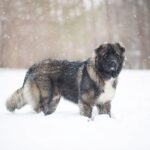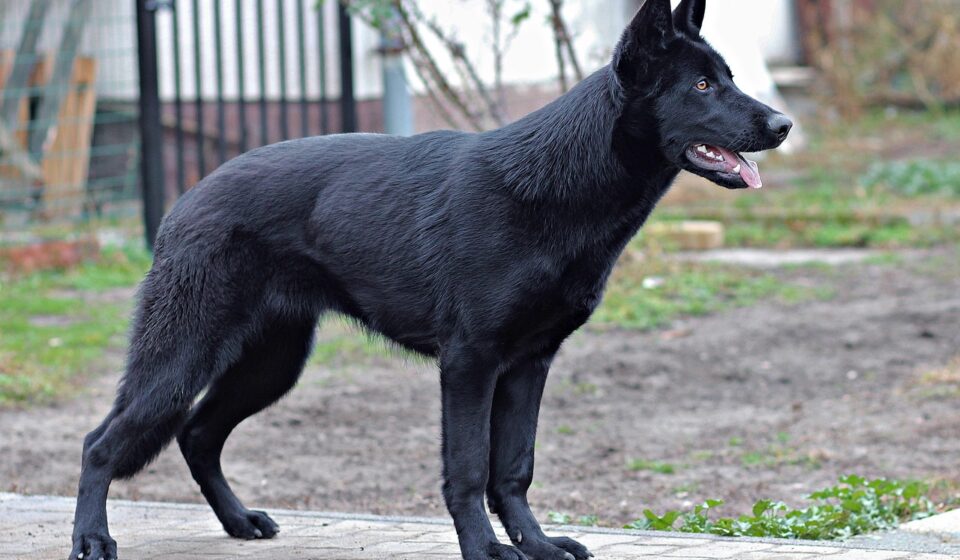
Black shepherd breeds are high-drive working dogs with all-black coats—including solid black German Shepherds, Belgian Groenendaels, East European Shepherds, and dark Dutch Shepherds—that share exceptional intelligence, athletic builds, and dense double coats. Bred for herding, guarding, and search tasks, their striking appearance stems from coat genetics rather than a separate breed distinction in most cases.
This article covers the main black shepherd varieties, their specific coat genetics, and essential grooming routines for managing their double coats. It also outlines their daily physical and mental training requirements, common genetic health conditions, and how to assess if one of these active breeds suits your lifestyle.
Which dog breeds belong to the black shepherd family?
Black shepherd breeds are high-drive working dogs with all-black coats, including solid black German Shepherds, Belgian Groenendaels, East European Shepherds, and dark Dutch Shepherds. These breeds share exceptional intelligence, athletic builds, and dense double coats that demand regular grooming, high physical activity, and structured training.
While many people associate shepherd dogs with traditional black-and-tan or sable coloration, several distinct shepherd breeds naturally display solid black or predominantly black coats. These dogs are working animals bred for herding, guarding, and search tasks, meaning their striking appearance comes paired with high energy and deep mental requirements.
What creates a solid black coat in shepherd breeds?
A solid black coat in shepherd dogs is determined by genetics rather than a separate breed distinction. In German Shepherds, for example, the black coat usually stems from either a recessive gene inherited from both parents or, less frequently, a dominant black gene found in specific working lines. The underlying skin, undercoat, and guard hairs carry dense dark pigmentation, but the dog remains standard in build and personality to its colored counterparts.
In contrast, for breeds like the Belgian Groenendael, the solid black coat is the defining standard of the breed variation. Their long, straight coat features a dense undercoat designed to handle harsh outdoor conditions, requiring targeted brushing to prevent mats.
What are the main black shepherd breeds?
Understanding the subtle differences between individual black shepherd breeds helps determine which working dog aligns with your household capabilities and routine.
1. Solid Black German Shepherd
Although identical in structural standard to classic sable or black-and-tan variants, the solid black German Shepherd is a striking animal. They typically weigh between 22 kg and 40 kg, featuring a strong frame, muscular hindquarters, and a loyal, protective nature. Because they are often selected from working lines rather than show lines, black German Shepherds frequently possess high stamina and drive, making daily mental and physical tasks essential.
2. Belgian Groenendael (Belgian Sheepdog)
The Groenendael is one of four official Belgian Shepherd varieties, distinguished by its long, profuse black double coat and elegant neck ruff. Weighing roughly 20 kg to 30 kg, the Groenendael is lighter and more agile than the German Shepherd. I consider this breed best suited to experienced handlers due to their sensitive nature and swift reaction to motion and environmental cues.
3. East European Shepherd (VEO)
Developed in the early 20th century, the East European Shepherd was bred from German Shepherds crossed with local working dogs to create a larger, cold-hardy working dog. Solid black is an official and recognised coat colour for this breed. They are heavier and taller than standard German Shepherds, often weighing up to 50 kg, with a calm yet vigilant temperament designed for guarding vast perimeters.
4. Dark Dutch Shepherd
While standard Dutch Shepherds are officially recognised only in gold or silver brindle patterns, many working lines display extremely dark coats that appear solid black to the eye. Dutch Shepherds are athletic, medium-sized dogs known for intense focus and high agility, frequently employed in search-and-rescue or police work.
How do you manage the exercise and training needs of black shepherd breeds?
Physical exercise alone will rarely tire out a black shepherd dog. Because these breeds were developed for intense field work, they require structured mental engagement paired with daily exertion.
I recommend dedicating at least 90 to 120 minutes every day to structured activities. Simple walking on a lead is insufficient; incorporate obedience drills, scent games, or agility tasks. If a black shepherd becomes bored, destructive behaviors such as excessive barking, digging, or fence-pacing quickly follow.
When starting training with a young working shepherd, establishing strong basic cues early is vital. If you are bringing home a young dog, seeing our practical guide on puppy care can help structure your initial training schedule.
What coat care do black shepherd breeds require?
Maintaining a healthy coat on a black shepherd requires consistency, especially during seasonal shedding periods when the dense undercoat blows out twice a year.
| Breed | Coat Type | Brushing Frequency | Key Grooming Challenge |
|---|---|---|---|
| Black German Shepherd | Medium double coat | 2–3 times weekly | Heavy seasonal shedding |
| Belgian Groenendael | Long double coat | 3–4 times weekly | Matting behind ears and thighs |
| East European Shepherd | Dense, medium coat | 2 times weekly | Thick undercoat shedding |
| Dutch Shepherd | Short or rough double coat | 1–2 times weekly | Undercoat removal during moult |
I advise using an undercoat rake and a slicker brush rather than relying on standard bristle brushes. Bathing should only be done every six to eight weeks using a mild dog shampoo to preserve the natural oils that keep their dark coat water-resistant and glossy.
What health issues affect black shepherd breeds?
While black coat colour itself does not cause specific health conditions, shepherd breeds share several genetic predispositions that prospective owners must evaluate before commitment.
- Hip and Elbow Dysplasia: Malformation of the joint sockets can cause arthritis and pain. Ensure breeders conduct official scoring schemes.
- Gastric Dilatation-Volvulus (Bloat): Deep-chested shepherd breeds are prone to stomach twisting. Avoid vigorous exercise for one hour after feeding.
- Degenerative Myelopathy: A neurological condition affecting the spinal cord in mature German and East European Shepherds.
Choosing a reputable breeder who performs DNA testing and hip/elbow evaluations reduces the risk of these chronic conditions significantly.
Are black shepherd breeds right for your household?
A black shepherd breed is ideal for active individuals or families who have the time, space, and confidence to lead a high-drive working dog. They thrive in environments where they are given jobs to perform and included in daily outdoor activities. However, if you spend long hours away from home or prefer a low-maintenance pet, these demanding, highly intelligent dogs are likely to prove overwhelming.
Related guides
Sources: Belgian Shepherd, German Shepherd Dog
Frequently asked questions
Is a solid black German Shepherd a distinct breed?
No, a solid black German Shepherd is simply a coat colour variation within the standard German Shepherd breed. They share the same physical standards and temperament characteristics as black-and-tan German Shepherds.
Are black shepherd dogs more aggressive?
No, coat colour has no proven effect on a dog’s temperament or aggression levels. A black shepherd’s behaviour depends entirely on genetics, early socialization, and consistent training.
How much exercise does a black shepherd need daily?
Most black shepherd breeds need between 90 minutes and 2 hours of vigorous exercise daily. This should include physical activity along with mental enrichment like scent work or obedience training.
Do black shepherd breeds shed a lot?
Yes, all black shepherd breeds possess dense double coats that shed constantly throughout the year and heavily twice annually during seasonal coat changes.