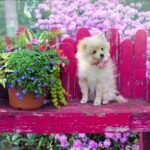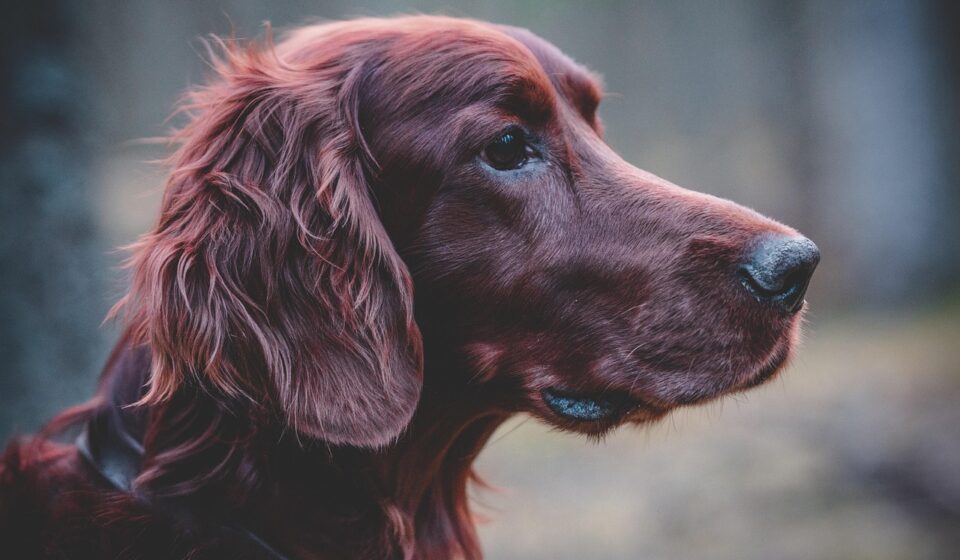
Spaniel breeds are gundog varieties originally developed to locate, flush, or retrieve game from dense vegetation and water. Characterized by pendulous ears, broad muzzles, and silk-textured coats, spaniels range from compact companion dogs like the Cavalier King Charles Spaniel to athletic working companions like the English Springer Spaniel.
While all spaniels share a historical lineage rooted in land and water hunting, modern breeds vary significantly in size, energy levels, temperament, and coat care. Choosing the right spaniel requires understanding these distinct traits, particularly the divide between working and show lines within popular breeds.
What is the difference between working and show spaniel lines?
The primary difference between working (field) lines and show (bench) lines lies in their physical structure, coat density, and energy levels. While both share the same breed standard on paper, generations of selective breeding for specific roles have created two distinct types within breeds such as the English Springer Spaniel and English Cocker Spaniel.
Working spaniels are bred primarily for athletic stamina, scenting drive, and practical field performance. They typically feature shorter, finer coats with less feathering on the legs and chest, making them less prone to gathering burrs and debris in dense undergrowth. Their ears are often shorter and set higher on the head to reduce the risk of injury or infection during work. Physically, working lines are often lighter in bone structure and possess a relentless work ethic. I recommend working lines primarily for active homes, working gundog handlers, or owners committed to high-intensity canine sports such as agility and mantrailing.
Show-line spaniels are bred to conform closely to physical aesthetics specified in kennel club standards. They exhibit heavier boning, broader heads, longer pendulous ears, and abundant, silky coats with extensive feathering. While show lines retain their natural retrieving instincts, their drive is generally more moderate, and their daily exercise demands are slightly lower than their working counterparts. However, their lush coats require significantly more daily maintenance to prevent matting and tangles.
Comparing popular spaniel breeds
Although spaniels share common physical traits, their weights, heights, and temperaments vary considerably across individual breeds. The table below outlines key metrics for the most established spaniel breeds recognized by major kennel clubs.
| Breed | Average Weight | Average Height | Grooming Need | Daily Exercise |
|---|---|---|---|---|
| English Cocker Spaniel | 13–14.5 kg | 38–41 cm | High (Daily brush) | 60–90 mins |
| English Springer Spaniel | 18–23 kg | 48–51 cm | Moderate–High | 90–120+ mins |
| Cavalier King Charles Spaniel | 5.4–8 kg | 30–33 cm | Moderate | 45–60 mins |
| Welsh Springer Spaniel | 16–20 kg | 46–48 cm | Moderate | 90–120 mins |
| Clumber Spaniel | 25–34 kg | 43–51 cm | High (Shedding/Drool) | 60 mins |
| Field Spaniel | 18–25 kg | 43–46 cm | Moderate | 60–90 mins |
| Sussex Spaniel | 18–23 kg | 38–41 cm | Moderate | 60 mins |
| Irish Water Spaniel | 20–30 kg | 51–58 cm | High (Curly coat) | 90–120 mins |
English Cocker Spaniel
The English Cocker Spaniel is a joyful, affectionate, and medium-sized bird dog. Known for its continuously wagging tail, this breed is adaptable and eager to please. Show Cockers display a rich coat in solid, parti-colored, or roan patterns, whereas working Cockers possess a streamlined coat and higher drive. They thrive in active households where they receive consistent brainwork and physical activity.
English Springer Spaniel
The English Springer Spaniel is the quintessential flushing gundog, built for endurance and power. Springers are naturally energetic, highly trainable, and devoted to their families. Because of their intense field drive, a quick walk around the block is rarely enough. Without adequate mental outlets like scent games or structured retrieving, Springers can develop nuisance behaviors such as excessive barking or compulsive chewing.
Cavalier King Charles Spaniel
Categorised under the toy group, the Cavalier King Charles Spaniel was bred as a lapdog companion while retaining gentle gundog heritage. They weigh between 5.4 and 8 kg, making them significantly smaller than true field spaniels. Cavaliers are renowned for their gentle, sweet nature and lack of aggression, making them ideal for apartment dwellers, senior owners, or families seeking a calmer pet.
Welsh Springer Spaniel
Instantly recognizable by its rich red-and-white coat and unique small, vine-leaf-shaped ears, the Welsh Springer Spaniel is slightly smaller than the English Springer. They tend to be somewhat more reserved with strangers while remaining intensely loyal to their family circle. Welsh Springers require patient, positive reinforcement training and thrive when given regular swimming and retrieving opportunities.
Clumber Spaniel
The Clumber Spaniel is the largest and heaviest of the spaniel group, weighing up to 34 kg. Built low to the ground with substantial bone structure, Clumbers work at a slower, more deliberate pace in the field compared to the high-speed Springer. They possess a calm, stoic demeanour indoors but shed heavily and tend to drool. I think the Clumber is an excellent choice for owners who want a quieter, less frantic spaniel, provided they do not mind frequent coat brushing and cleaning up slobber.
Field Spaniel and Sussex Spaniel
Both the Field Spaniel and Sussex Spaniel are rare heritage breeds that faced near-extinction in the mid-20th century. The Field Spaniel is balanced and docile with a noble head and silky coat, usually in solid black or liver. The Sussex Spaniel is distinguished by its unique golden-liver coat, low-slung body, and distinctive rolling stride. Both breeds are devoted, quiet companions that require steady exercise without the extreme hyper-reactivity seen in some working lines.
Irish Water Spaniel
The Irish Water Spaniel is the tallest spaniel breed, easily identified by its dense, water-repellent ringlets of silver-colored fur, smooth “rat tail,” and topknot of curls. Bred to retrieve waterfowl from icy rivers and estuaries, this breed combines the intelligence of a retriever with the energetic spirit of a spaniel. Their dense hypoallergenic curly coat requires routine grooming and trimming to prevent severe matting.
How much exercise and mental stimulation do spaniels require?
Most spaniel breeds require between 60 and 120 minutes of physical exercise daily, paired with interactive scent work or retrieval games. Because spaniels were bred to work closely alongside human hunters for hours in demanding terrain, physical walking alone rarely satisfies their cognitive instincts.
When spaniels do not receive sufficient brainwork, they frequently channel their instinctual energy into undesirable habits. Scenting exercises are one of the most effective ways to satisfy a spaniel’s brain. Simple activities such as hiding food treats in deep grass, using snuffle mats, or teaching formal dummy retrieval simulate natural hunting instincts and tire out a high-energy spaniel far more effectively than an unstructured game of fetch.
Exercise plans should be adapted to the specific breed and age. For young puppies whose growth plates have not fused, high-impact jumping and forced prolonged running should be avoided to protect developing joints.
How to care for spaniel coats and pendulous ears
Caring for a spaniel involves two primary health commitments: managing heavy, feathery coats and maintaining long, flopped ear canals. The very physical features that define spaniel charm also make them prone to specific grooming challenges.
Managing long coats and preventing mats
Spaniel coats collect burrs, twigs, and grass seeds during outdoor walks. Daily grooming with a slicker brush and fine-toothed comb is required for long-haired varieties like show Cockers and Field Spaniels. Pay particular attention to friction points: behind the ears, under the armpits, and along the groin where soft feathering mats quickly.
Trimming the hair beneath the paws flush with the pads prevents mud accumulation in winter and reduces the risk of grass seeds piercing the skin between toes in summer. Professional grooming every 6 to 8 weeks helps maintain coat shape and manage undercoat density.
Preventing ear infections and grass seed hazards
Because spaniel ears flap down over the ear canal, air circulation is restricted, creating a dark, moist environment ideal for yeast and bacterial growth (otitis external). Regular ear care is critical to prevent chronic infections:
- Dry ears thoroughly: Always dry the inside of the ear flaps and canals with a clean towel after swimming or bathing.
- Routine ear checks: Check inside ear canals weekly for redness, dark discharge, or unpleasant odors.
- Grass seed inspection: In summer and autumn, inspect ear flaps and canals immediately after every walk. Sharp awns from wild grasses can work their way deep into the ear canal, causing severe pain and potential eardrum perforation.
- Ear cleaning: Use a vet-recommended pH-balanced ear cleaner once or twice a month to flush out excess wax. Never insert cotton buds into the ear canal.
Which spaniel breed is right for your lifestyle?
Selecting the right spaniel comes down to matching your household activity level, living space, and time commitment for grooming with the breed’s specific profile.
For active families and sports enthusiasts: The English Springer Spaniel or working-line English Cocker Spaniel are ideal choices. They require owners who enjoy long daily hikes, agility training, or gundog field sports, and who have time for regular training sessions.
For relaxed households or smaller homes: The Cavalier King Charles Spaniel is usually the best fit. They adapt well to suburban or apartment living, require moderate daily exercise, and possess a gentle, lap-loving temperament that suits first-time dog owners and older adults.
For unique, quiet companions with lower exercise speeds: The Clumber Spaniel or Sussex Spaniel offer lower energy indoors while retaining true spaniel character. However, prospective owners must be prepared for heavier shedding, drool, and potential health monitoring common to larger or lower-slung breeds.
For water lovers and experienced dog handlers: The Irish Water Spaniel or Welsh Springer Spaniel thrive with dedicated owners who love outdoor adventures regardless of weather. Both breeds reward confident, positive handlers who enjoy active outdoor lifestyle routines.
Before bringing any spaniel into your home, research health testing recommended by kennel club breed clubs. Conditions such as hip dysplasia, eye conditions (PRA), and ear health vary across breeds, so sourcing puppies from health-tested parent stock is critical. If you are preparing your home for a new dog, consult for tips on safe pet setup and health preparation.
Related guides
Sources: English Water Spaniel, FCI Breeds Nomenclature
Frequently asked questions
What is the calmest spaniel breed?
The Cavalier King Charles Spaniel is widely considered the calmest spaniel breed, making an ideal indoor companion. Among the larger field spaniels, the Clumber Spaniel is known for its steady, laid-back indoor nature compared to the high-energy Springer or Cocker.
Are spaniel breeds suitable for first-time dog owners?
Yes, breeds like the Cavalier King Charles Spaniel and show-line English Cocker Spaniel are well-suited for first-time owners due to their affectionate nature and desire to please. Highly driven working lines of Springers or Cockers can be challenging for beginners without training experience.
Do spaniel breeds shed a lot of hair?
Most spaniels shed moderately to heavily throughout the year, with increased shedding during seasonal transitions in spring and autumn. Regular brushing twice a week helps remove loose hair, reduce matting, and keep shedding under control inside the home.
Why do spaniels get so many ear infections?
Spaniels have long, heavy ear flaps that cover the ear canal, trapping moisture and warm air inside. This lack of ventilation creates an ideal environment for yeast and bacteria to thrive, requiring regular inspection and drying after swimming or baths.