Meet the Energetic Pomeranian
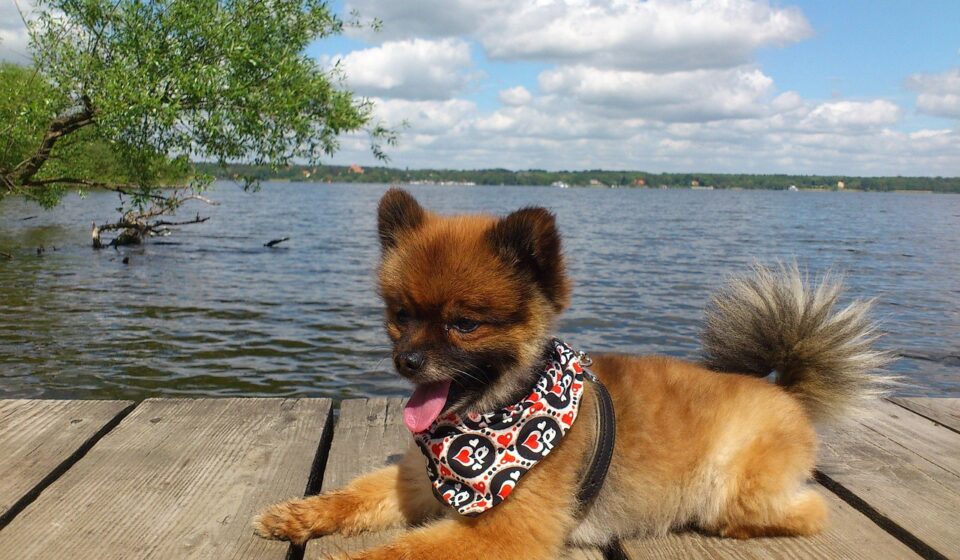
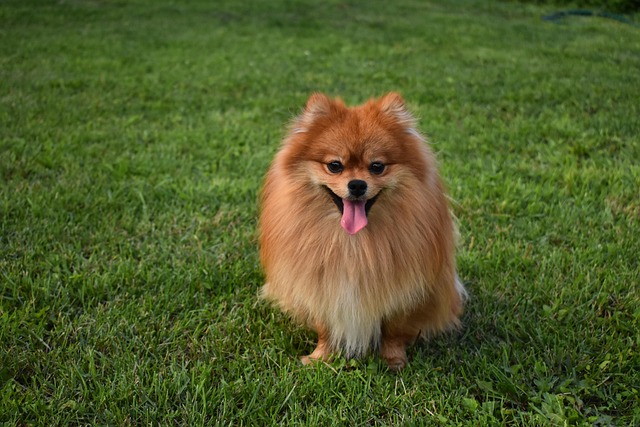
The Pomeranian, a delightful descendant of larger Spitz-type dogs, packs a tremendous personality into a small, spirited frame. Often recognizable by their foxy facial expression, erect ears, and plume-like tail carried over their back, these little dogs have been captivating hearts for centuries. As of 2026, their popularity shows no signs of waning, making them a sought-after companion for various lifestyles. Whether you’re drawn to their fluffy coats or their bold demeanour, understanding the nuances of the Pomeranian breed is key to providing them with a happy and healthy life. A common question asked is whether a Pomeranian s small size means they’re delicate. In reality, while they are a toy breed, Pomeranians are surprisingly strong and full of energy. They require consistent care and attention, much like any dog, but their specific needs are shaped by their unique characteristics.
Key Takeaways
- Pomeranians are small, lively dogs with a distinctive foxy appearance and a confident personality.
- Despite their size, they possess considerable energy and require regular physical and mental stimulation.
- Their luxurious double coat needs consistent grooming to prevent matting and maintain its healthy appearance.
- Early socialization and consistent, positive reinforcement training are crucial for managing their potential for barking and stubbornness.
- Potential owners should be aware of common health concerns like patellar luxation and tracheal collapse.
A Big Personality in a Small Package
Don’t let their diminutive stature fool you; Pomeranians are known for their bold, curious, and often alert nature. They tend to be confident, sometimes even to the point of being a little bossy, and aren’t shy about letting their opinions be known. This feistiness makes them engaging companions, but it also means early training and socialization are paramount. Pomeranians often form strong bonds with their primary caregivers and can be quite affectionate; they enjoy being involved in family activities and can adapt well to various living situations, including apartments, provided their exercise needs are met. Their intelligence means they pick up commands relatively quickly, though their independent streak can sometimes make training a bit of a challenge. According to the American Kennel Club (AKC) 2025 breed standards, they are classified under the Toy Group, emphasizing their small size but not their substantial spirit.
The Glorious Coat: Care and Maintenance
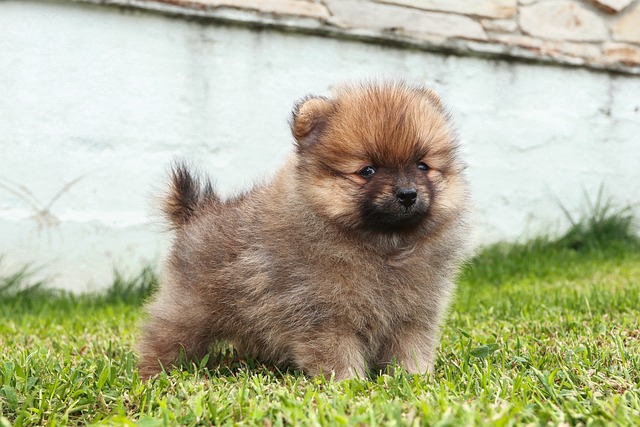
One of the most striking features of the Pomeranian is its abundant double coat. The undercoat is soft and fluffy, while the outer coat is long, straight, and coarse, giving them their characteristic ‘poof’. This impressive coat requires regular grooming to keep it in top condition. Neglecting it can lead to painful matting, skin issues, and a dull appearance. Aim to brush your Pomeranian at least three to four times a week, paying close attention to areas prone to matting, such as behind the ears, under the legs, and around the tail. A thorough brushing session can take anywhere from 20 to 40 minutes, depending on the dog’s coat condition. Professional grooming every 4–6 weeks can be beneficial for maintaining their coat and for regular trims, especially around the face and feet. It’s also important to keep their nails trimmed, their ears clean, and to brush their teeth regularly to prevent dental disease. According to veterinary grooming experts, using a slicker brush and a metal comb is essential for working through their dense undercoat effectively.
Keeping Your Pom Active and Engaged
Despite their small size, Pomeranians are surprisingly energetic dogs. They thrive on daily exercise to keep them physically healthy and mentally stimulated. A daily walk or two, each lasting around 20–30 minutes, is usually sufficient for an adult Pomeranian. Shorter play sessions in a secure garden or indoors can supplement this. However, exercise isn’t just about physical exertion. Pomeranians are intelligent dogs and need mental challenges to prevent boredom, which can lead to destructive behaviours or excessive barking. Puzzle toys, interactive games, and short training sessions can provide this crucial mental stimulation. Introducing them to new environments and people early on helps them develop into well-adjusted adults. Their tendency to be vocal means that consistent training to manage barking is a vital component of their enrichment. The ASPCA notes that mental enrichment is as important as physical exercise for small breeds to prevent behavioural issues.

Training Tips for Your Feisty Friend
Pomeranians can be intelligent and eager to please, but their independent and sometimes stubborn nature means training requires patients and consistency. Positive reinforcement methods, such as using treats, praise, and rewards, work best. Harsh corrections can be counterproductive and may make them more anxious or defensive. Start training and socialization as early as possible, ideally when they’re puppies. Expose them to a variety of sights, sounds, people, and other well-behaved dogs in a controlled and positive manner. This helps prevent timidity or aggression later in life. Housetraining can sometimes be a challenge with small breeds, so a consistent schedule and plenty of encouragement are key; some owners find crate training helpful for housetraining and to provide a safe space for their dog. According to dog behaviorist Sarah Hodgson, consistency is the most critical factor in training any small dog breed, especially those with a tendency to bark.
Common Health Issues to Watch For
While Pomeranians are generally a healthy breed, like all purebred dogs, they are prone to certain genetic health conditions. Being aware of these can help owners seek prompt veterinary care and manage potential issues effectively. Some common health concerns include:
- Patellar Luxation: A condition where the kneecap slips out of place. This can range from mild to severe and may require surgery in advanced cases.
- Tracheal Collapse: The windpipe can weaken and collapse, leading to a characteristic honking cough. This is often exacerbated by excitement, exertion, or pressure on the neck (e.g., from a collar). Using a harness is highly recommended.
- Dental Problems: Small breeds are more susceptible to dental issues, including overcrowding and gum disease. Regular dental care is crucial.
- Alopecia X (Black Skin Disease): A condition causing progressive hair loss, often seen in Pomeranians and other Spitz breeds. The exact cause is unknown, but genetics and hormonal factors may play a role.
- Heart Conditions: Such as patent ductus arteriosus (PDA) or mitral valve disease.
Regular veterinary check-ups are essential for early detection and management of these conditions. According to the Pomeranian Club of America, responsible breeders will screen their dogs for common genetic issues, and prospective owners should always ask about health clearances.
Feeding Your Little Lion
Choosing the right food for your Pomeranian is crucial for their overall health and well-being. A high-quality dog food specifically formulated for small breeds is generally recommended. These foods often have smaller kibble sizes that are easier for tiny mouths to chew and are balanced with appropriate levels of protein, fat, and essential nutrients. As of July 2026, the market offers numerous options, including dry kibble, wet food, and raw diets. It’s important to select food with a named meat source as the primary ingredient. Avoid foods with excessive fillers, artificial colours, or preservatives. Portion control is vital, as Pomeranians can be prone to weight gain, which can exacerbate health issues like patellar luxation and tracheal collapse. Consult your veterinarian for personalized dietary recommendations based on your dog’s age, activity level, and any specific health needs. For example, a growing puppy will have different nutritional requirements than a senior dog.
Are Pomeranians Good Family Dogs?
Pomeranians can make wonderful family pets, but their suitability depends heavily on the family dynamic and the age of the children. Their small size and potentially fragile bones mean they can be easily injured, especially by boisterous or rough play from very young children. Therefore, they are often better suited to families with older, gentler children who have been taught how to interact respectfully with small dogs. When properly socialized and with a family that understands their needs, Pomeranians can be affectionate and playful companions for children. However, it’s crucial to supervise interactions, especially in the beginning, to ensure everyone’s safety and comfort. Their tendency to bark can also be a consideration in households with young children who might be startled by sudden noises. For families seeking a small, spirited, and loyal companion, and who can provide appropriate supervision and training, a Pomeranian can be a fantastic addition.
Where to Find Your Pomeranian
When looking to bring a Pomeranian into your home, choosing a reputable source is paramount. This typically means sourcing from responsible breeders or considering adoption from a rescue organisation. Responsible breeders prioritise the health and temperament of their dogs, conduct genetic testing, and can provide health clearances for the parents and puppies. They are also happy to answer questions about the breed and the care involved. Adopting a Pomeranian from a breed-specific rescue or a general animal shelter can be incredibly rewarding. You’ll be giving a deserving dog a second chance at a loving home. While you might not always get the same level of background information as with a breeder, rescue organisations often have foster carers who can provide insights into the dog’s personality and needs. As of 2026, breed-specific rescues often have waiting lists for popular breeds like the Pomeranian, so patience may be required.
Frequently Asked Questions
Do Pomeranians bark a lot?
Yes, Pomeranians can be quite vocal and are known for their tendency to bark. They often bark to alert their owners to perceived threats, visitors, or changes in their environment.
Are Pomeranians easy to train?
Pomeranians are intelligent but can also be independent and stubborn, making training a commitment. Positive reinforcement methods are most effective, but consistency and patience are key.
How much exercise does a Pomeranian need?
Despite their small size, they require moderate daily exercise, typically around 30–60 minutes per day, which can be met with short walks and playtime.
Are Pomeranians good for first-time dog owners?
They can be, but their potential for stubbornness and vocalization requires owners who are committed to consistent training and socialization from an early age.
Do Pomeranians shed?
Yes, Pomeranians have a double coat and shed moderately year-round, with heavier shedding periods usually twice a year.
What is the lifespan of a Pomeranian?
A well-cared-for Pomeranian typically lives between 12 to 16 years. Information current as of July 2026; pricing and product details may change.
Related Articles
- Mini Dachshunds in 2026
- Can Dogs Have Cantaloupe Safely in 2026? A Guide
- Saint Bernard Breed Dog: Gentle Giants of the Alps
Editorial Note: This article was researched and written by the Pet Magazine editorial team. We fact-check our content and update it regularly. For questions or corrections, contact us.
Last updated: August 31, 2026
Related read: Newfiepoo Costs & Value: Your 2026 UK Guide to This Designer Dog
Related read: Dog Boarding Rates: A Comprehensive UK Guide.