Small hypoallergenic dog breeds produce significantly less shedding and dander through continuous-growth hair or low-dander single coats, making them easier on allergy sufferers. Popular options such as the Miniature Poodle, Bichon Frisé, Maltese, Miniature Schnauzer, and Yorkshire Terrier trap loose dander near the skin instead of shedding it onto household surfaces.
Small Hypoallergenic Dog Breeds: Your Guide
Small hypoallergenic dog breeds—such as the Miniature Poodle, Bichon Frisé, Maltese, Schnauzer, and Yorkshire Terrier—produce significantly less shedding and dander, making them easier on allergy sufferers. While no dog is completely allergy-proof, these compact breeds minimize environmental allergens through continuous-growth hair or low-dander single coats.
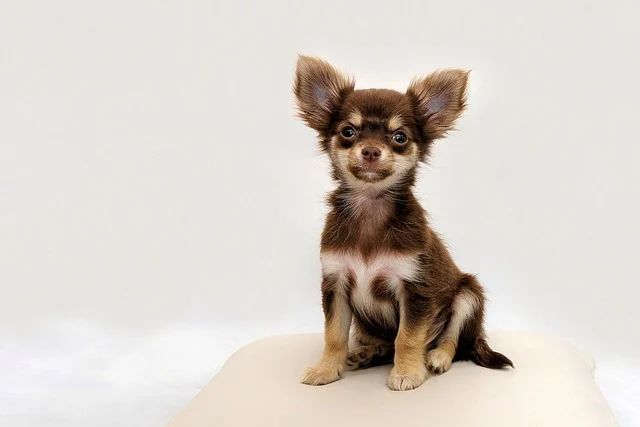
For millions of household members, dog ownership has historically meant dealing with continuous sneezing, watery eyes, or respiratory irritation. The good news, as of May 2026, is that you do not have to choose between a loyal pet and your respiratory comfort. Choosing small hypoallergenic dog breeds offers an effective balance, providing companionship while reducing household dander levels. However, finding the right match requires understanding coat mechanics, temperament, grooming demands, and home management.
What Does ‘Hypoallergenic’ Actually Mean in Dogs?
The term hypoallergenic is often misunderstood as meaning 100% allergy-proof. In medical terms, “hypo” means lower, not zero. A hypoallergenic dog breed is simply one that is statistically less likely to trigger an allergic reaction in sensitive individuals.
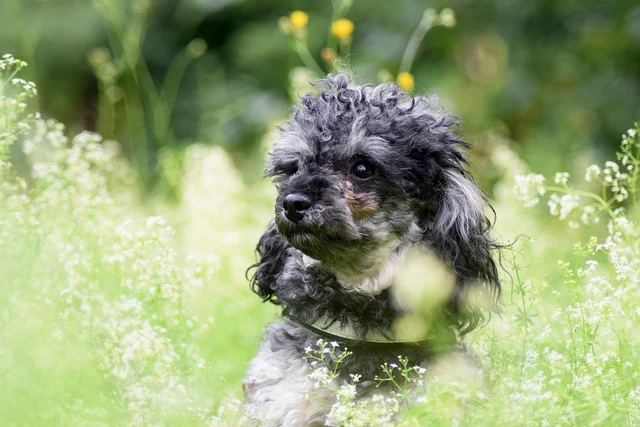
Proteins cause dog allergies. Can f 1 and Can f 2 are key ones. They are in dander, saliva, and urine. Standard furred dogs shed hair. This spreads dander on furniture, carpets, and vents. Low-allergen small hypoallergenic dog breeds have single-layer coats. These coats are hair, not fur. This hair grows continuously. It falls out less often. Shed dander traps against the skin. Brushing or washing removes it.
Size advantage of small breeds
Small hypoallergenic dog breeds have an advantage for allergy sufferers. Their size is key. A 6 kg dog releases less skin and dander. This is less than a 35 kg breed. This holds true even with similar coat types.
| Breed | Average Size & Weight | Coat Type | Grooming Need | Best Suited For |
|---|---|---|---|---|
| Bichon Frisé | 23–30 cm | 5–8 kg | Dense, curly double coat | High (daily brushing, 4–6 wk professional cut) | Families and apartment dwellers wanting a gentle companion |
| Miniature Poodle | 28–38 cm | 5–9 kg | Single dense, curly hair | High (daily combing, 4–6 wk clip) | Active owners seeking high intelligence and trainability |
| Yorkshire Terrier | 18–23 cm | 2–3.5 kg | Fine, silky, single human-like hair | Medium–High (regular trims or short puppy cut) | Couples or singles wanting a small, spirited watcher |
| Shih Tzu | 20–28 cm | 4.5–8 kg | Dense double coat (long hair) | High (unless kept in a short puppy trim) | Calm households seeking an affectionate lap dog |
| Maltese | 18–23 cm | 2–4 kg | Silky single coat (no undercoat) | High (daily brush for long hair, monthly trims) | Quiet households who can spend ample time with their pet |
| Miniature Schnauzer | 30–35 cm | 5.5–9 kg | Wiry double coat | Medium–High (hand-stripping or clipping) | Active families needing a durable, alert watch companion |
Top Small Hypoallergenic Dog Breeds: Profiles and Trade-Offs
Selecting the best small breed requires balancing allergy management with your daily schedule, living arrangement, and budget. Each breed comes with distinct personality traits and specific grooming requirements.
Bichon Frisé
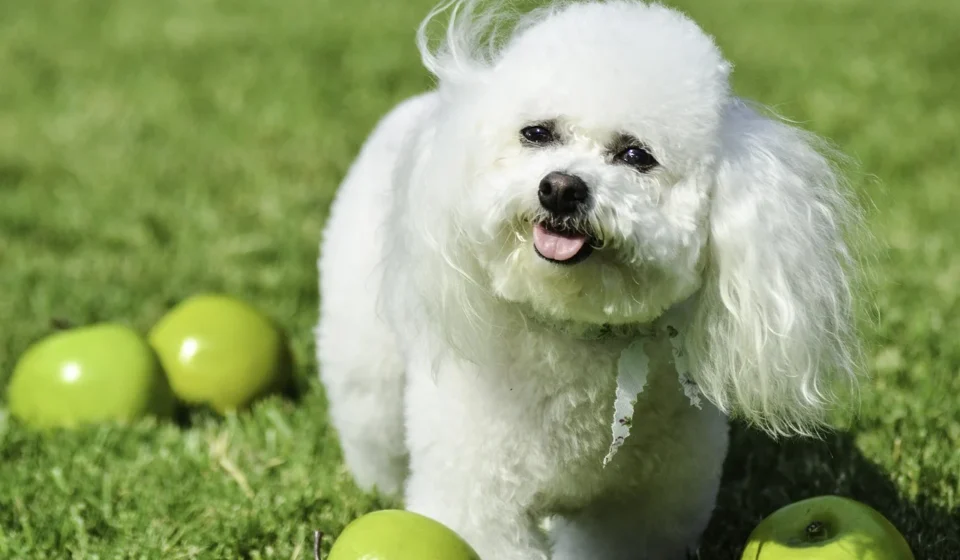
Known for their cheerful disposition and powder-puff white coat, Bichons are a top choice for allergy sufferers. Their plush, curly coat consists of a soft undercoat and coarser outer hair that catches loose dander before it spreads into the room environment.
- Temperament: Friendly, adaptable, playful, and excellent with children and other animals.
- Grooming needs: High. Daily brushing with a slicker brush is necessary to prevent matting at the skin line. Professional grooming costs around £40–£80 per session every 4 to 6 weeks.
- Trade-off: Bichons are prone to separation anxiety if left home alone for long working hours, which can lead to nuisance barking or destructive habits.
Miniature Poodle
Poodles are widely considered the benchmark for low-shedding breeds. In real terms, a Poodle’s curly coat traps dander effectively, making them ideal for households with sensitivity to floating airborne particles.
- Temperament: Highly intelligent, eager to please, energetic, and highly capable in obedience training.
- Grooming needs: High. Requires regular combing and professional clipping every 4 to 6 weeks, costing between £50–£90 per appointment.
- Trade-off: High mental stimulation needs. Without interactive toys and daily training, Miniature Poodles can become restless and vocal.
Yorkshire Terrier
Yorkshire Terriers (Yorkies) feature fine, silky hair that closely resembles human hair structure. Because they lack a thick undercoat, they shed very little hair or dander around the house.
- Temperament: Feisty, confident, affectionate, and alert.
- Grooming needs: Medium to High. While show coats require continuous wrapping and brushing, most pet owners keep them in a simple “puppy cut” that requires brief daily brushing and bi-monthly trims.
- Trade-off: Terriers are vocal by nature. Yorkies will readily bark at doorbell sounds or passing pedestrians, requiring early socialization and quiet command training.
Shih Tzu
Shih Tzus possess a luxurious double coat that, contrary to expectation, produces minimal shedding when properly maintained. Loose hairs fall back into the coat rather than onto rugs and furniture.
- Temperament: Affectionate, calm, trusting, and well-suited to indoor living.
- Grooming needs: High for full-coat specimens; manageable for those clipped short every 6 weeks. Daily eye cleaning is needed due to facial hair growth near the eyes.
- Trade-off: As a brachycephalic (short-nosed) breed, Shih Tzus are vulnerable to heat exhaustion, snoring, and eye injuries. They do not suit intense outdoor exercise during warm weather.
Maltese
The Maltese is a classic single-coated lap dog with pure white hair that grows continuously. Lacking an undercoat, they shed negligibly and carry very low dander loads.
- Temperament: Gentle, devoted, playful, and responsive.
- Grooming needs: High. Daily brushing prevents severe tangles, and tear-stain wiping around the eyes is necessary. Professional styling costs £40–£70 every month.
- Trade-off: Their small size (often under 3.5 kg) makes them delicate around toddlers. They can also grow overly dependent on human presence.
Miniature Schnauzer
Recognizable by their distinctive beard and bushy eyebrows, Miniature Schnauzers have a wiry topcoat and dense undercoat that sheds minimally.
- Temperament: Spirited, intelligent, loyal, and vigilant.
- Grooming needs: Medium–High. Their coats require professional hand-stripping to maintain texture, or routine clipping every 6 weeks.
- Trade-off: They possess a strong prey drive toward smaller pets like hamsters or rabbits and can be stubborn during leash training.
Other Low-Allergen Small Breeds
Beyond the main six, several other small breeds fit low-allergen households well:
- Havanese: Double-coated but very low shedding, with a soft, wavy coat that traps dander. Highly adaptable and social.
- Coton de Tulear: Features a light, cotton-like coat that yields low dander. Exceptional companion dogs for quiet homes.
- West Highland White Terrier (Westie): Hard, wiry coat with minimal dander release. Suitable for active households wanting a sturdier terrier.
- Affenpinscher: Neat, wire-like coat that sheds little and requires low maintenance beyond periodic neatening.
- Brussels Griffon: Wiry or smooth coat, both low-shedding. These intelligent, charming dogs thrive on companionship.
- Basenji: Unique for being barkless and having a very fine, short coat that sheds minimally and is easy to maintain. However, they have high energy needs.
- Löwchen: The “Little Lion Dog” has a long, flowing single coat that is low-shedding. They are playful and affectionate, requiring regular grooming.
Which Small Hypoallergenic Dog Breeds Are Good with Kids?
Many small hypoallergenic breeds can be wonderful with children, provided both the dog and children are properly socialized and taught how to interact respectfully. Breeds known for their patient and playful temperaments often include:
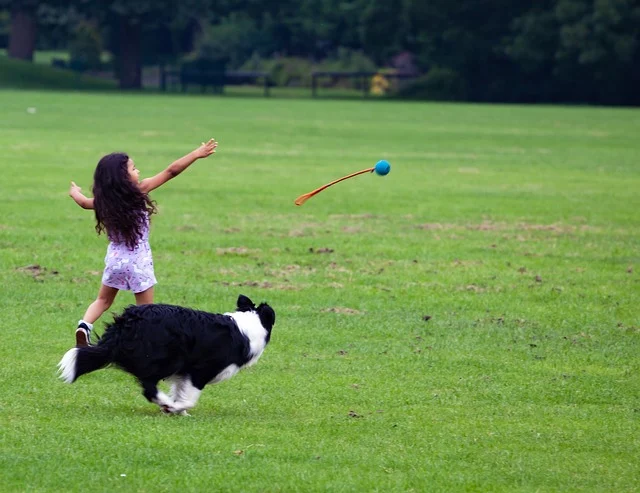
- Bichon Frisé: These cheerful dogs love to play and are generally tolerant and gentle with children.
- Miniature Poodle: Intelligent and eager to please, Poodles can be excellent family dogs when well-trained and given enough mental and physical exercise.
- Havanese: Known for their affectionate and outgoing nature, Havanese often bond well with children and enjoy family activities.
- Coton de Tulear: These dogs are typically very good-natured, adaptable, and enjoy being part of family life, making them suitable for homes with respectful children.
It is crucial to teach children how to interact gently with small dogs, as their delicate size makes them vulnerable to accidental injury. Supervision is always recommended, especially with very young children.
Which Small Hypoallergenic Dog Breeds Don’t Bark Much?
While barking is a natural dog behavior, some small hypoallergenic breeds are less prone to excessive barking than others. Breeds like Yorkshire Terriers and Miniature Schnauzers are known for being more vocal, often acting as alert watchdogs. If quiet is a priority, consider these options:
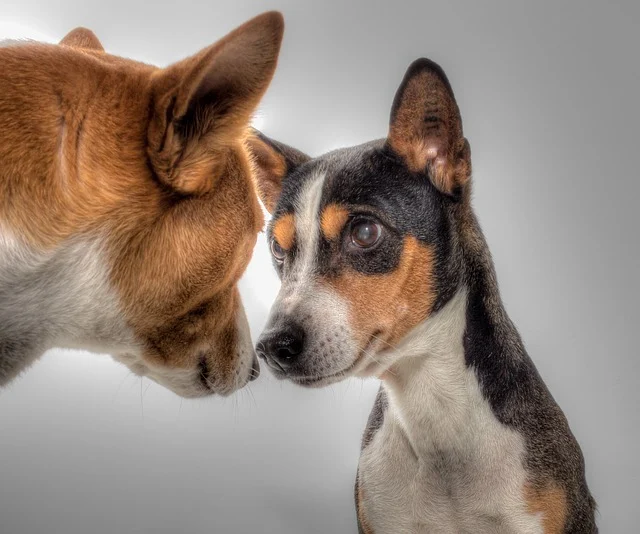
- Basenji: Famous as the “barkless dog,” Basenjis typically produce yodels and other unique sounds rather than barks. However, they are high-energy and require significant exercise and mental stimulation.
- Shih Tzu: Generally calm and content indoors, Shih Tzus are less likely to bark excessively unless bored or seeking attention.
- Coton de Tulear: While they can be alert, Cotons are often described as quiet and gentle, barking mostly to alert their owners rather than out of habit.
- Maltese: While they can be prone to alert barking, with proper training and socialization, a Maltese can learn to be less vocal.
Early training and socialization are key to managing barking habits in any breed. Consistent positive reinforcement can teach your dog when it’s appropriate to be quiet.
Are Doodle and Hybrid Mixes Guaranteed to be Hypoallergenic?
Hybrid “doodle” breeds, like Cavapoos or Maltipoos, are often marketed as hypoallergenic due to their Poodle parentage. However, genetic traits in first-generation (F1) crossbreeds inherit unpredictable coat types from both parents.
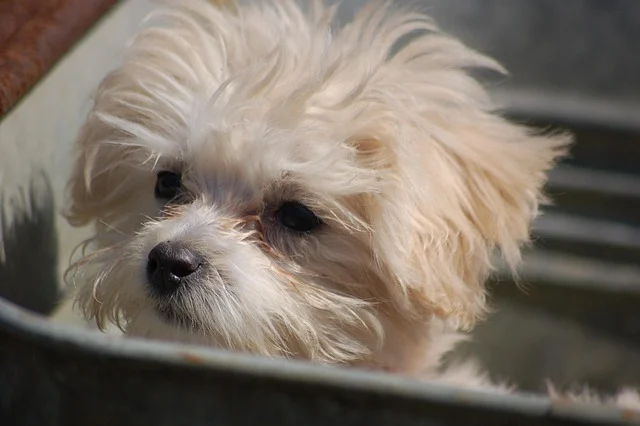
A Poodle and Cavalier King Charles Spaniel cross may inherit varied hair. It could be the Poodle’s non-shedding type or the Cavalier’s shedding fur. If an allergy sufferer adopts a hybrid puppy with a dense, shedding double coat, allergy symptoms will persist. When choosing among small hypoallergenic dog breeds, look for multi-generation or backcrossed (F1b) dogs. Poodle genetics should be dominant. Alternatively, visit the specific pup before taking them home.
For a hybrid to be reliably hypoallergenic, it typically needs to be an F1b (first-generation backcross) or F2b (second-generation backcross). This is where the dog is bred back to a Poodle. This increases the likelihood of inheriting the Poodle’s low-shedding coat for small hypoallergenic dog breeds. Even then, there is no 100% guarantee. Direct interaction with the puppy is still the best way to assess an individual’s reaction.
How to Minimize Dog Allergens in Your Home
Choosing a small hypoallergenic breed is only the first step. Proper hygiene routines reduce dander levels in your living environment significantly further.
1. Establish a Strict Grooming Routine
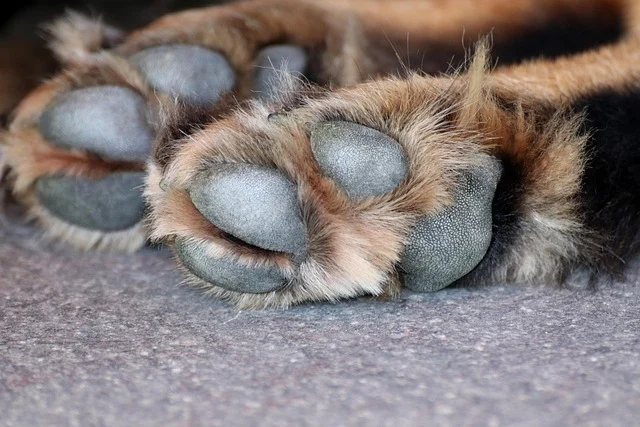
Brush your dog 3 to 4 times weekly. Do this outdoors or in a ventilated area. Keep brushing away from main living zones. Brushing removes trapped dead hair and dander. This prevents indoor settling. A non-allergic family member should brush the dog. Or, wear a dust mask during maintenance. Regular professional grooming also helps. It prevents matting and reduces allergen buildup.
2. Maintain a Bathing Schedule
Bathe your dog every 2 to 3 weeks using a moisturizing, hypoallergenic dog shampoo. Avoid over-washing with harsh shampoos, as dry skin increases dander production. Consult your veterinarian for specific shampoo recommendations if your dog has sensitive skin.
3. Manage Home Surfaces and Air Quality
- Air filtration: Install a HEPA (High-Efficiency Particulate Air) filter in your primary living space and bedroom to catch floating skin dander. Change filters regularly as per manufacturer instructions.
- Hard flooring over carpet: Vacuum remaining carpets twice weekly using a sealed HEPA-filter vacuum cleaner. Replace carpet with hard flooring where possible, as carpets trap allergens.
- Bedding wash: Wash dog beds, blankets, and washable soft toys weekly in water heated to at least 60°C.
- Furniture cleaning: Regularly wipe down hard surfaces with a damp cloth and vacuum upholstered furniture. Consider using washable slipcovers for sofas and chairs.
4. Keep Bedrooms as Dog-Free Sanctuaries
Always exclude your dog from the allergy sufferer’s bedroom. You spend about one-third of your day sleeping. A clean bedroom environment lets your immune system recover for hours. This creates a low-allergen zone. It is crucial for managing symptoms for small hypoallergenic dog breeds.
5. Optimize Skin and Coat Health via Diet
A balanced diet, rich in Omega-3 and Omega-6 fatty acids, strengthens the skin barrier. It also reduces dryness and minimizes dander production. According to the American Kennel Club (AKC) as of 2026, a balanced diet is fundamental for small hypoallergenic dog breeds’ well-being. It impacts coat quality and immune function. Consult your veterinarian for tailored dietary recommendations for your dog’s skin needs.
What Training and Socialization Do Small Breeds Need?
Small hypoallergenic dogs are often treated like infants due to their small stature, leading to behavioural issues such as excessive barking, house-soiling, or resource guarding. Proper training ensures a balanced housemate.
- Early socialization: Expose your puppy to varied sounds, strangers, dogs, and environments between 8 and 16 weeks of age. This critical period helps them develop into confident, well-adjusted adults.
- House-training discipline: Small breeds have smaller bladders and faster metabolisms. Establish a strict routine with frequent outdoor breaks every 2–3 hours during initial training. Crate training can be highly effective for house-training. See Can Dogs Eat Apples? Common Mistakes to Avoid for house-training techniques.
- Preventing excessive barking: Terriers and Poodles respond quickly to alert stimuli. Teach a reliable “quiet” command using positive reinforcement and reward non-barking behavior. Address boredom or anxiety, which can also contribute to barking.
- Leash training: Small dogs can be prone to “small dog syndrome” where they become fearful or aggressive on leash due to lack of proper training. Teach loose-leash walking from a young age to ensure enjoyable walks.
- Obedience training: Basic commands like sit, stay, and come are essential for safety and good manners. Enroll in puppy classes to learn these basics and practice in a controlled environment.
Common Mistakes When Choosing a Small Hypoallergenic Dog
Avoiding common errors will save you time, stress, and medical discomfort:
- Mistaking ‘low shedding’ for ‘low maintenance’: Non-shedding coats continuously grow. Neglecting daily combing leads to severe skin matting, which traps moisture, causes skin infections, and increases dander build-up. These breeds actually require more diligent grooming than many shedding breeds.
- Skipping direct allergy testing: Never buy a puppy without spending at least 30–60 minutes physically interacting with the breed or mother dog first. Wipe saliva or hair near your neck or inner arm to test your personal reaction. If possible, visit the breeder’s home to experience the environment.
- Ignoring energy levels: A Miniature Schnauzer or Yorkie requires daily exercise and mental games. Picking a high-energy dog for a low-activity lifestyle leads to behavioural issues regardless of coat type. Match the dog’s activity needs to your own.
- Assuming all dogs in a breed are identical: Individual allergy reactions vary. One person may tolerate a specific Maltese well, while reacting to another due to subtle differences in protein shedding levels. Each dog is an individual.
- Overlooking health clearances: Reputable breeders screen for genetic conditions common in their breeds. Always ask for health clearances for the puppy’s parents to avoid future veterinary costs and heartache.
- Not considering lifestyle compatibility: Beyond allergies, consider if a breed’s typical temperament (e.g., quiet lap dog vs. spirited terrier) aligns with your household’s dynamics, noise levels, and time commitment.
Understanding the Financial Commitment
Bringing home a small hypoallergenic dog involves initial purchase costs alongside recurring monthly expenses. Reputable breeders screen for genetic conditions, increasing initial costs but lowering long-term veterinary bills.

- Initial purchase price: Expect to pay between £800 and £2,500 for a puppy from an accredited breeder. Adoption fees from rescue organizations typically range between £150 and £350. These prices can vary based on location and breeder reputation.
- Grooming expenses: Professional grooming every 4–6 weeks runs between £40 and £90 per visit (£480–£1,080 annually). This is a significant ongoing cost that must be budgeted for.
- Routine healthcare and insurance: Annual vaccinations, health checks, parasite treatments, and pet insurance average £50 to £120 per month. Emergency veterinary care can add substantially to this.
- Supplies and diet: High-quality small-breed dog food, dental chews, toys, and bedding add approximately £40 to £75 monthly. Specific dietary needs or prescription foods can increase this.
- Training and socialization: Puppy classes, obedience training, and professional trainers can cost £100–£300 per course. While not always monthly, these are crucial initial investments.
Thorough budget planning prevents financial stress while ensuring your dog receives the grooming and health care essential to keeping their skin and coat allergy-friendly.
Sources: Hypoallergenic dog breed
Frequently Asked Questions
What is the least shedding small dog breed?
The Miniature Poodle, Bichon Frisé, Maltese, and Yorkshire Terrier are among the lowest-shedding small breeds. Their hair coats grow continuously without periodic double-coat seasonal shedding, keeping dander trapped until combed out.
Are all small Poodles hypoallergenic?
Yes. Toy and Miniature Poodles share the same single-layer curly coat structure as Standard Poodles. They release far less dander into the air than fur-coated breeds, making them suitable for most allergy sufferers.
Do hypoallergenic dogs still need grooming?
Yes. Hypoallergenic breeds actually require more coat maintenance than shedding breeds. Without frequent brushing, bathing, and professional trims, their continuously growing hair becomes matted, harboring bacteria, moisture, and dander.
How much does a small hypoallergenic puppy typically cost?
In 2026, small hypoallergenic puppies from reputable breeders generally cost between £800 and £2,500 depending on lineage and health testing. Adoption through registered rescues costs significantly less, usually between £150 and £350.
Can people with severe dog allergies live with these breeds?
It depends on the individual’s sensitivity. While these breeds produce fewer airborne allergens, severe allergies triggered specifically by dog saliva or urinary proteins may still react. Spending direct time with the specific dog prior to adoption is strongly advised.
Are small hypoallergenic breeds lower maintenance overall?
No. While they minimize fur pickup around the home, their high grooming needs, small-breed house-training requirements, and need for mental stimulation mean they require equal or greater daily commitment than larger breeds.
What are the very smallest hypoallergenic dog breeds?
Among the smallest hypoallergenic breeds are the Yorkshire Terrier (2–3.5 kg), Maltese (2–4 kg), and Affenpinscher (3–6 kg). These breeds offer minimal dander production in a highly compact size, ideal for very small living spaces.
Finding Your Allergy-Friendly Companion
Selecting a small hypoallergenic dog allows allergy sufferers to experience companion ownership comfortably. By developing a clear understanding of coat mechanics, maintaining a strict home grooming and air purification routine, and choosing a breed aligned with your daily activity levels, you can build a clean, happy, and allergen-managed household.