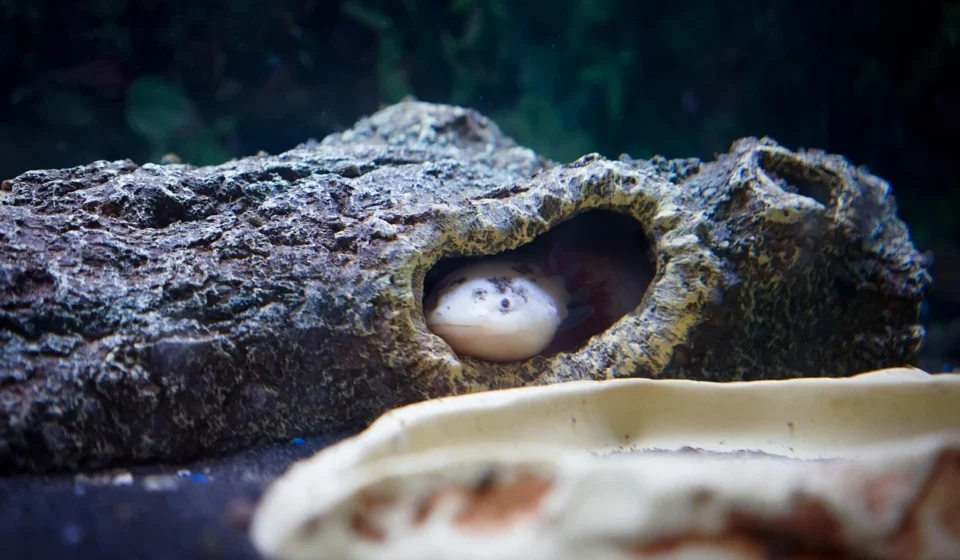
Axolotls are unique salamanders that can live for 10 to 15 years in captivity when provided with optimal conditions. These fascinating creatures remain aquatic their entire lives, known for their striking appearance. They have feathery external gills, and a remarkable ability to regenerate lost limbs and even parts of their organs.
Providing the right habitat is crucial for an axolotl’s health. This guide covers essential care aspects, including ideal tank setup. It also addresses maintaining cool and clean water, suitable substrate and decor, and a proper carnivorous diet. The guide explores their unique biology, such as regeneration, reproduction, and important considerations like their legality in certain regions.
What exactly is an Axolotl?
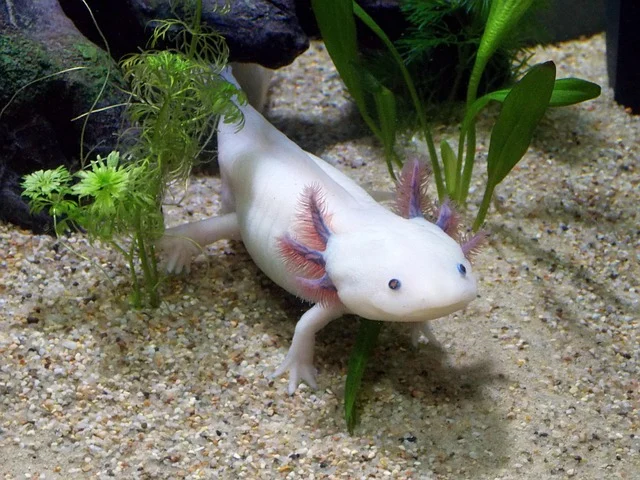
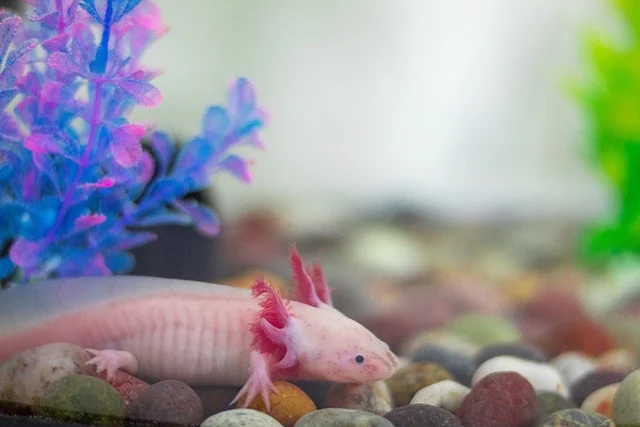
An axolotl (Ambystoma mexicanum) is a unique type of salamander that originates from the ancient lake beds of Mexico City, specifically Lake Xochimilco and Lake Chalco. Unlike most amphibians, axolotls typically remain aquatic and gilled their entire lives, a phenomenon known as neoteny, meaning they retain their larval features even as adults. They are renowned for their striking appearance, often displaying feathery external gills, a permanent ‘smile’, and an incredible ability to regenerate lost limbs, gills, eyes, and even parts of their brain or heart.
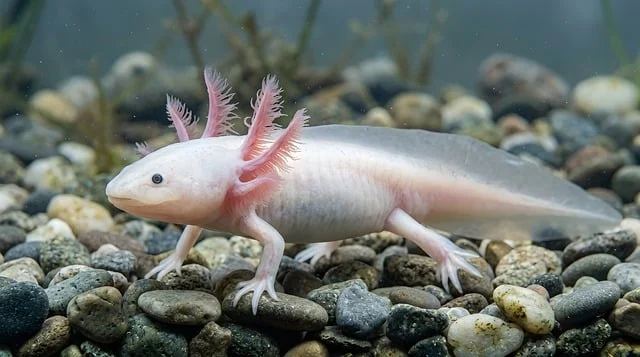
These fascinating creatures are critically endangered in their natural habitat, primarily due to habitat loss and pollution. However, they are widely bred in captivity, making them available as pets for enthusiasts who can provide their specialised care. Their unique biological traits also make them a significant subject for scientific research, particularly in the fields of regeneration and development.
What do Axolotls need in their Tank Environment?
Creating the right habitat is crucial for an axolotl’s health and longevity. A minimum tank size of 40 litres for a single adult axolotl is essential. However, 75 litres or more is always preferable. This is especially true if planning to keep more than one. Each additional axolotl will need an extra 40 litres of tank volume. The tank should be longer and wider rather than tall. This provides ample floor space for them to move around.
Water Quality and Temperature are Paramount
Axolotls thrive in cool, clean water. The ideal water temperature is between 16-18°C (60-65°F). It should never exceed 22°C (72°F). Higher temperatures can cause significant stress, health issues, and even death. We recommend using a submersible aquarium chiller or strategically placed fans during warmer months. This maintains this range. You will need a reliable thermometer to monitor the temperature continuously.
Filtration is necessary, but axolotls prefer still water, so a low-flow filter is best. Sponge filters or canister filters with a spray bar to diffuse the outflow work well. Strong currents can stress them. Test kits for ammonia, nitrites, nitrates, and pH are indispensable. Ammonia and nitrite levels should always be zero, nitrates below 20 ppm, and the pH should be neutral, around 6.5-8.0.
Substrate and Decor for Comfort
When you select a substrate, avoid gravel or small stones. An axolotl could accidentally ingest them, leading to impaction. Fine sand (with a grain size smaller than the axolotl’s head) is a safe option for adults. But for juveniles, a bare-bottom tank or large, smooth tiles are better. Many keepers simply prefer a bare bottom tank for easier cleaning.
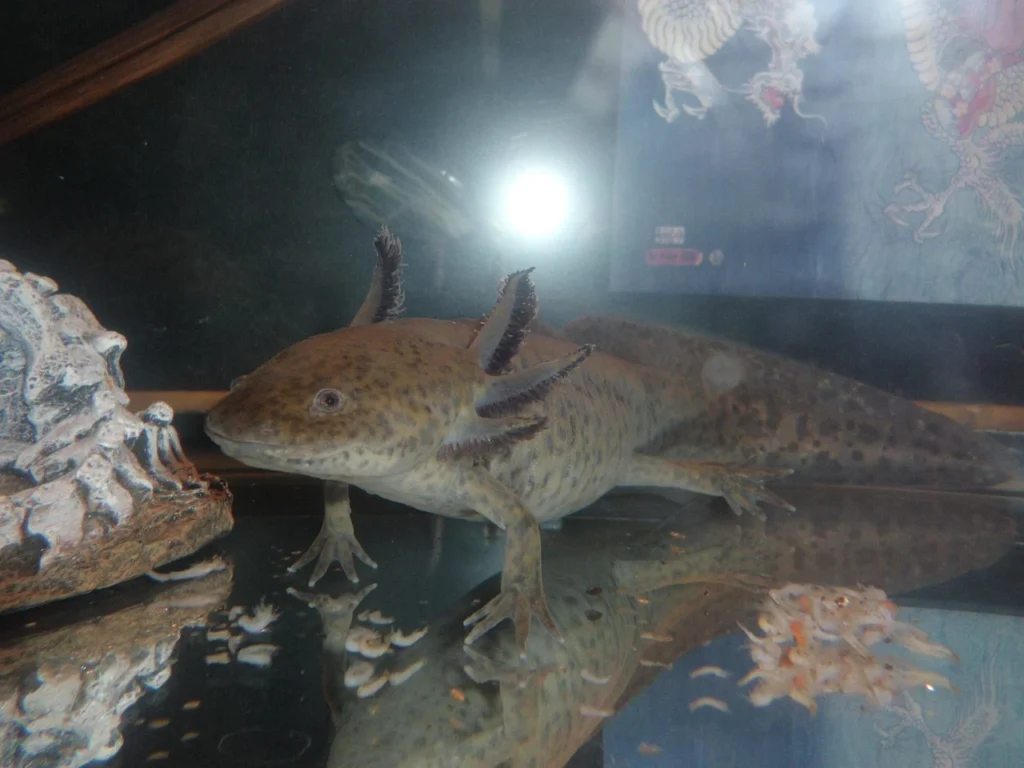
Provide plenty of hiding spots and enrichment. PVC pipes, ceramic caves, or smooth, large rocks (too big to swallow) make excellent shelters. You can also add live or artificial plants. Live plants like Anubias, Java fern, and Pothos (submerged roots only) can help with water quality and provide shade. Ensure any decor has no sharp edges. This prevents injury to their delicate skin or gills.
What do Axolotls eat?
Axolotls are carnivorous and have a relatively simple diet. In the wild, they consume insects, worms, small fish, and crustaceans. For pet axolotls, a varied diet is key to their health.
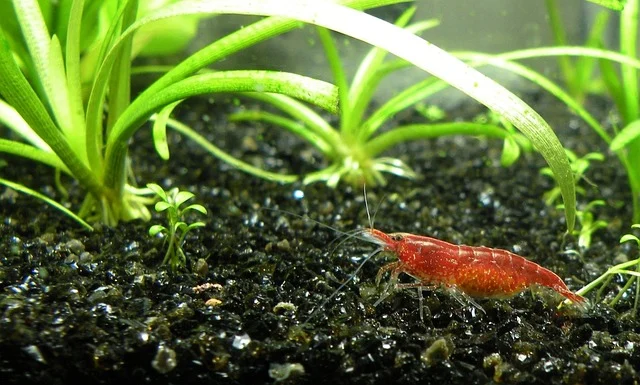
Their staple diet should consist of high-quality sinking pellets. You should specifically formulate them for axolotls or aquatic newts. Earthworms (such as dendrobaena or nightcrawlers) are an excellent and nutritious food source. You can also offer bloodworms, brine shrimp, and Mysis shrimp as occasional treats, especially for younger axolotls. Never feed live feeder fish. They can carry diseases and parasites, or contain thiaminase, an enzyme that can be harmful to axolotls.
Feed adult axolotls every 2–3 days. Juveniles may need daily feeding. Observe your axolotl’s body condition. A healthy axolotl should have a body width roughly similar to its head. Overfeeding can lead to water quality issues and obesity. We recommend removing any uneaten food after about 15–20 minutes to prevent fouling the water.
How do Axolotls Reproduce?
Axolotls reproduce through external fertilization. When conditions are right, typically triggered by a drop in water temperature or a sudden, significant water change mimicking seasonal shifts, males will deposit spermatophores (packets of sperm) on the tank floor. The female then picks up these spermatophores with her cloaca to fertilize her eggs internally. This process usually happens at night or in low light.
A female axolotl can lay hundreds of eggs. She often attaches them individually to plants or tank decor. The eggs typically hatch within 10–14 days, depending on the water temperature. Raising axolotl larvae is a demanding process. They are very small and require specific, frequent feeding with microscopic live foods like brine shrimp nauplii initially. We advise against breeding unless you are fully prepared for the extensive care required for the offspring and have homes lined up for them.
How do Axolotls Regenerate?
The axolotl’s regenerative capabilities are truly astonishing and a major reason for their scientific interest. They can regrow entire limbs, including bones, muscles, and nerves, perfectly and repeatedly throughout their lives. This ability extends to their tail, gills, eyes, jaws, and even complex internal organs like parts of their brain, heart, and spinal cord without scarring. This unique trait sets them apart from most other vertebrates, which typically form scar tissue when injured.
Scientists are intensely studying the cellular and molecular mechanisms behind this regeneration. They hope to unlock secrets that could eventually be applied to human medicine. The process involves specialised cells that can revert to a stem-cell-like state. These cells form a blastemal at the site of injury, which then differentiates into the missing tissues and structures.
Why are Axolotls Illegal in some places, like California?
Next, the legality of owning axolotls varies significantly by region. Indeed, they are illegal in some places, including California and several other US states. The primary reason for these prohibitions stems from concerns about their potential impact on local ecosystems. This could happen if they were to escape or be released into the wild. As a non-native species, axolotls could outcompete native amphibians for resources, introduce diseases, or disrupt the delicate balance of aquatic environments.
In California, specifically, the climate and existing aquatic habitats are suitable enough for axolotls to potentially establish wild populations. State wildlife authorities often adopt strict regulations. They do this to protect native biodiversity from invasive species. While axolotls are critically endangered in their native habitat, this doesn’t diminish the risk they pose as an invasive species in non-native environments. Therefore, before acquiring an axolotl, we always stress the importance of checking your local and national regulations. This ensures it is legal to own one where you live.
When do Axolotls Die? Understanding Lifespan
A healthy axolotl, kept in optimal conditions, can live for a surprisingly long time. Their average lifespan in captivity is typically between 10 to 15 years, with some individuals known to live up to 20 years. This long lifespan means that acquiring an axolotl is a significant, long-term commitment, comparable to owning many popular mammalian pets.
Poor water quality, incorrect temperatures, an inadequate diet, or chronic stress often contribute to a shorter lifespan. You can extend their life by recognizing the signs of illness. Address them promptly with appropriate veterinary care. This includes loss of appetite, lethargy, curled gills, or skin lesions. An exotic vet experienced with amphibians can help. Regular maintenance of their environment is the most important preventative measure we can recommend. This ensures a long, healthy life for your axolotl.
Sources: Axolotl, Axolotls: The Fascinating Mexican Axolotl and the Tiger Salamander
Choosing and Understanding Axolotls
What are the best axolotl breeds for pet owners?
The article discusses axolotls (Ambystoma mexicanum) as a unique type of salamander, but it does not mention different breeds. Axolotls are generally considered a single species, though they come in various color morphs or genetic variations, not distinct breeds.
What are the best axolotl breeds for vegetarians?
The article states that axolotls are carnivorous and details their dietary needs. Therefore, there are no axolotl breeds suitable for a vegetarian diet, as their natural and captive diet consists of animal-based foods.
Frequently asked questions
Are axolotls good pets for beginners?
Axolotls make good pets for beginners. You must be willing to research and commit to their specific care requirements. This particularly applies to water quality and temperature. They are relatively low-maintenance once their habitat is established. However, initial setup and consistent monitoring are crucial.
What should I do if my axolotl stops eating?
If your axolotl stops eating, first check your water parameters (ammonia, nitrite, nitrate, pH, temperature). Poor water quality is a common cause of appetite loss. Ensure the temperature is within the ideal range of 16-18°C. If parameters are fine, consider offering a variety of food items or consult an exotic veterinarian.
Can axolotls live with other fish or aquatic animals?
Axolotls are best kept alone or with other axolotls of similar size, as they are opportunistic predators and will attempt to eat anything that fits into their mouth. They also have delicate skin and gills that can be easily nipped by other tank mates, even seemingly docile fish.