The Shortie, a spirited blend of the Shih Tzu and the Yorkshire Terrier, is a relatively new, but increasingly popular designer dog breed. These tiny terriers pack a punch of personality, often described as feisty, affectionate, and utterly charming. If you’re considering bringing one of these delightful companions into your life, you’re likely wondering what makes them tick. I’ve found that understanding their unique heritage is key to appreciating their quirks and meeting their needs.
Last updated: August 30, 2026
- Shorties are a crossbreed of Shih Tzus and Yorkshire Terriers, known for their small size and big personalities.
- They are generally good for apartment living due to their size but can be vocal.
- Grooming is a significant commitment, requiring daily brushing and regular professional trims to manage their long coats.
- Potential health issues include dental problems, luxating patellas, and tracheal collapse, common in small breeds.
- Socialization and consistent training from an early age are crucial for managing their sometimes stubborn or yappy tendencies.
What Exactly Is a Shortie?
At its heart, the Shortie is a hybrid, a deliberate cross between two beloved toy breeds: the Shih Tzu and the Yorkshire Terrier. This intentional breeding aims to combine the most desirable traits of both parent breeds, often resulting in a dog that’s both a loving lapdog and a spirited little explorer. They are often referred to as ‘designer dogs’, a term for intentionally bred crossbreeds that have become popular for their unique appeal.
The ancestry of the Shortie is straightforward, drawing directly from the regal Shih Tzu, originally from Tibet and favored by Chinese royalty, and the feisty Yorkshire Terrier, developed in Yorkshire, England, to hunt vermin. This blend often gives the Shortie a confident demeanour coupled with a desire for close companionship.

What Does a Shortie Look Like?
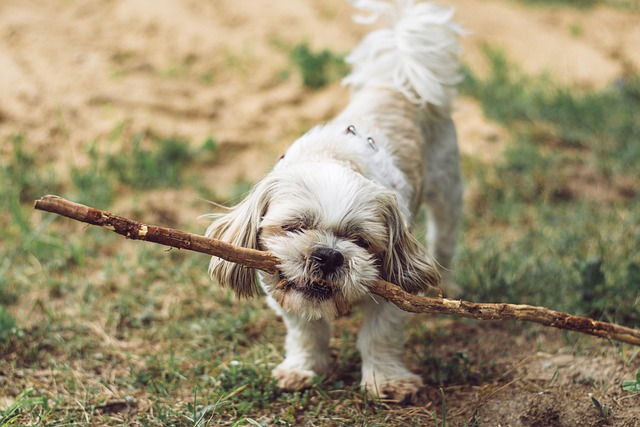
Physically, Shorties are undeniably small. They typically weigh between 3 to 7 pounds (approximately 1.4 to 3.2 kg) and stand about 6 to 11 inches (15 to 28 cm) tall at the shoulder. Their size makes them excellent candidates for apartment living, as they don’t require vast amounts of space.
Their coat is perhaps their most striking feature. It can range from the silky, flowing hair of a Shih Tzu to the finer, often darker coat of a Yorkie. Most Shorties have long, straight hair that requires considerable grooming. Common colours include black, brown, white, tan, and combinations thereof. Their eyes are usually dark and expressive, and their ears can be dropped or semi-erect, depending on which parent breed they favour more.
I’ve noticed that puppies from the same litter can look quite different, with some leaning more towards the Shih Tzu’s broader face and others towards the Yorkie’s more delicate features. This variability is part of their charm as unique individuals.
The Shortie Personality: A Bundle of Joy and Sass
When it comes to temperament, the Shortie is often described as a dog with a big personality in a small body. They are known for being affectionate, playful, and sometimes a bit stubborn. Their Shih Tzu heritage lends them a desire to be close to their people, often enjoying cuddles and lap time. From their Yorkie side, they can inherit a spirited, alert, and sometimes feisty nature. They can be very loyal to their families.
Shorties often form strong bonds with their primary caregivers but can be wary of strangers. Early socialization is crucial to help them become well-adjusted and friendly towards new people and other animals. Without it, they might develop a tendency to bark excessively at perceived threats or visitors, a trait they can pick up from their vocal Yorkie ancestors.
They generally get along well with older, respectful children who understand how to handle a small dog gently. Due to their delicate size, very young children who might accidentally be too rough with them are often not the best companions. Their intelligence is a mixed bag; while they can learn commands, their Yorkie tenacity can sometimes make training a patient endeavor.
Caring for Your Shortie: Practical Advice
Owning a Shortie involves several key considerations, from grooming and exercise to diet and health. Being prepared for these aspects will ensure your companion thrives.
Grooming: A Daily Commitment
The Shortie’s beautiful, long coat requires significant upkeep. Daily brushing is essential to prevent tangles and mats, especially if you plan to keep their coat long and flowing. Many owners opt for a shorter ‘puppy cut’ or ‘teddy bear’ trim, which is easier to manage but still requires regular visits to a professional groomer, typically every 4–6 weeks. This can cost anywhere from £40 to £80 per visit, depending on your location and the groomer’s expertise.
Beyond brushing, regular bathing (every few weeks, or as needed) with a dog-specific shampoo is important. Their eyes may need to be cleaned daily to prevent staining, and their nails should be trimmed every few weeks to prevent overgrowth. Dental hygiene is also paramount for this breed. I’d recommend daily teeth brushing using a dog-specific toothbrush and toothpaste to prevent periodontal disease, a common issue in small breeds.
Exercise Needs: Short Bursts of Play
Despite their energetic nature, Shorties don’t require extensive exercise. Short, daily walks (around 15–20 minutes) and indoor playtime are usually sufficient to keep them happy and healthy. Their small size means they can get a good workout just running around the house or playing with interactive toys. However, they still benefit from mental stimulation to prevent boredom, which can lead to destructive behaviours.
Training and Socialisation: Early Start is Key
Consistent, positive reinforcement training is vital for Shorties. Their intelligence means they can learn quickly, but their stubborn streak, inherited from both parent breeds, can make them resistant to commands if they don’t see the point. Short, engaging training sessions are most effective. Early socialization, exposing them to various sights, sounds, people, and other animals from a young age, is crucial.
This helps prevent them from becoming overly fearful, anxious, or yappy. Housetraining can sometimes be a challenge with small breeds; patience and consistency are key, and crate training can be a useful tool. Owners often find that a firm but gentle approach works best, as they can be sensitive to harsh correction.
Health and Lifespan: What to Watch For
Shorties generally enjoy a relatively long lifespan, typically ranging from 10 to 16 years. However, like all breeds, they are prone to certain health conditions, some inherited from their parent breeds. Responsible breeding practices can help minimise the risk of some of these issues.
Common Health Concerns
Potential health concerns for Shorties include:
- Dental Issues: Small breeds often have crowded teeth, leading to plaque buildup, gum disease, and tooth loss. Regular dental care is essential.
- Luxating Patella: This is a common condition in small dogs where the kneecap slips out of place. It can range from mild to severe and may require surgery.
- Tracheal Collapse: The trachea (windpipe) can weaken and collapse, causing a characteristic ‘honking’ cough. This is more common in toy breeds.
- Hypoglycemia: Low blood sugar can be a risk for very small puppies. Owners should be aware of the signs (lethargy, weakness, wobbliness) and consult a vet.
- Portosystemic Shunt (PSS): Also known as a liver shunt, this is a condition where blood bypasses the liver, preventing it from removing toxins.
I’d always advise prospective owners to seek out reputable breeders who perform health screenings on their parent dogs. This significantly increases the chances of getting a healthy puppy. Regular veterinary check-ups are also crucial for early detection and management of any potential health problems.
Where to Find a Shortie
When looking for a Shortie puppy, it’s important to do your research. Reputable breeders are dedicated to the health and well-being of their dogs and will be happy to answer your questions, show you the parent dogs, and provide health clearances. Prices for Shortie puppies can vary widely, often ranging from £500 to £1,500 or more, depending on the breeder’s reputation, the puppy’s lineage, and location.
Adopting from a rescue organisation or shelter is another wonderful option. Mixed-breed dogs, including Shorties, often find themselves in shelters through no fault of their own. Adopting can be more affordable, and you’ll be giving a deserving dog a second chance at a loving home. The adoption fees are typically much lower than the purchase price of a puppy from a breeder.
Potential Challenges with Shorties
While Shorties are incredibly rewarding, they do come with a few challenges. Their small size means they can be fragile, requiring careful handling. Their tendency to bark can be a nuisance if not managed through training, especially in apartments or close living situations. The extensive grooming needs can also be time-consuming and costly.
And, their strong bond with their owner can sometimes lead to separation anxiety if they are left alone for long periods. Owners need to be prepared for these realities and commit to providing the necessary care, training, and attention.
Expert Tips for Shortie Owners
From my perspective, the key to a happy Shortie is consistency and early intervention. Start training and socialization the moment you bring your puppy home. Don’t underestimate their intelligence, but also recognise their capacity for stubbornness; make training fun and rewarding. For grooming, consider a professional groomer for the more complex trims, but commit to daily brushing yourself to maintain the coat between appointments.
For owners considering Shorties for allergy sufferers, remember that while some people with allergies do well with Shorties due to their hair-like coat (less dander than some breeds), no dog is truly 100% hypoallergenic. Individual reactions can vary greatly. It’s wise to spend time with Shorties before committing.
Frequently Asked Questions About Shorties
Are Shorties good for first-time dog owners?
Yes, Shorties can be good for first-time owners, provided they are prepared for the grooming commitment and understand the need for early socialization and consistent training. Their small size makes them manageable, but their personality requires a patient owner.
Do Shorties shed a lot?
Shorties are considered low-shedding dogs, as their hair is more like human hair and tends to get caught in the coat rather than falling out in large clumps. However, they still require regular grooming to manage their coat and prevent matting.
How much exercise does a Shortie need daily?
A Shortie typically needs about 15–20 minutes of exercise per day. This can include short walks, indoor play sessions, and mental stimulation through puzzle toys.
Are Shorties yappy dogs?
Shorties can be prone to barking, a trait they may inherit from their Yorkshire Terrier lineage. Early training and socialization are essential to manage excessive barking and teach them when it’s appropriate to alert their owners.
What is the average cost of a Shortie puppy?
The average cost of a Shortie puppy can range from £500 to £1,500, depending on the breeder’s reputation, location, and the puppy’s lineage. Adoption fees from shelters are usually significantly lower.
Can Shorties live with cats?
Shorties can often coexist peacefully with cats, especially if introduced properly and from a young age. Supervision is recommended, particularly during the initial introduction period.
Information current as of August 2026; pricing and product details may change.