What Are Otocinclus Catfish?
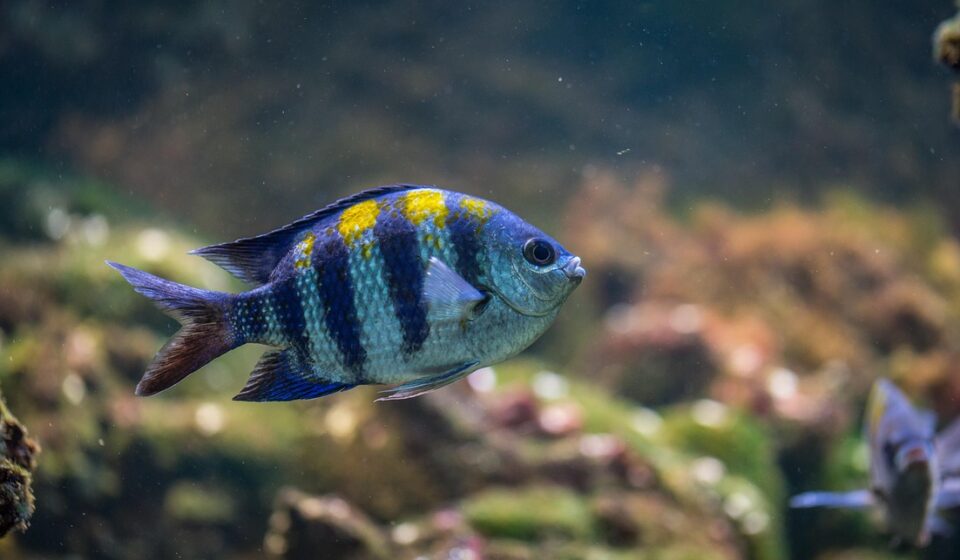
Otocinclus, affectionately known as ‘otos’ or ‘dwarf sucker mouth catfish’, are small, herbivorous fish belonging to the genus Otocinclus. Native to the slow-moving, warm waters of South America, particularly the Amazon and Paraná river basins, these fish are prized by aquarists for their diligent algae-eating habits. Unlike their larger, more boisterous Pecostomus cousins, otocinclus are delicate, peaceful, and schooling, making them ideal for community tanks with similarly placid inhabitants. As of June 2026, their popularity remains high, driven by their effectiveness in natural algae control and their charming, unobtrusive presence.
Last updated: June 9, 2026
These diminutive fish typically reach only 1.5 to 2.5 inches (4-6 cm) in length, featuring a distinctive flattened body, large eyes, and a specialised sucker mouth used for clinging to surfaces and scraping food. Their coloration varies, commonly appearing in shades of olive green, brown, or grey, often with a dark lateral stripe and a lighter belly. This camouflage helps them blend into their natural environment, making them harder for predators to spot.
Key Takeaways
- Otocinclus are small, peaceful, schooling algae-eating catfish ideal for community aquariums.
- They require mature tanks with stable water parameters and a consistent source of biofilm or algae.
- A minimum group size of 6 is recommended, with larger tanks supporting larger schools for optimal behaviour.
- Proper acclimation and a varied diet supplementing algae are crucial for their survival.
- Common issues include starvation, poor water quality, and stress from incompatible tank mates or improper acclimation.
Creating the Ideal Otocinclus Habitat
Setting up a suitable environment is paramount for the health and longevity of otocinclus. These fish are sensitive to fluctuating water conditions and require a stable, mature aquarium. A tank of at least 20 gallons (75 litres) is recommended, especially if you plan to keep a school of 6 or more otos, as they are social and thrive in groups. Larger tanks are always beneficial, providing more surface area for biofilm and algae growth, which is their primary food source.
The tank should be densely planted with live aquarium plants, as these offer not only food sources in the form of biofilm but also provide ample hiding places and surfaces for otos to explore and graze. Driftwood and smooth rocks are also excellent additions, mimicking their natural habitat and offering more grazing opportunities. Avoid overly strong water flow; a gentle current is preferred. Filtration should be efficient yet not overly powerful, ensuring clean water without disturbing the delicate fish. Regularly check water parameters; ammonia and nitrite must be zero, and nitrates should ideally be kept below 20 ppm. The ideal temperature range is between 72-78°F (22-26°C), with a pH of 6.0-7.5.

The Critical Acclimation Process
Otocinclus are notoriously sensitive to changes in water chemistry and are often stressed during transport. Proper acclimation is arguably the most critical step in ensuring their survival in your aquarium. Rushing this process is a common reason for early mortality. It’s vital to perform a slow, drip acclimation over a period of at least 60 to 90 minutes, gradually introducing your tank water into the bag or container holding the new fish.
Begin by floating the bag in your aquarium for 15–20 minutes to equalize the temperature. Then, set up a drip line from your tank to a separate container holding the fish. Use airline tubing with a control valve or a simple knot to regulate the flow, allowing new water to enter the fish’s container at a very slow rate (e.g., 1–2 drops per second). This gradual exchange helps the fish adjust to the differences in pH, hardness, and other parameters. Once the water volume in the container has doubled or tripled, you can gently net the otocinclus and introduce them to their new home. Avoid adding the bag water to your aquarium, as it may contain ammonia or other harmful substances from their journey.
Dietary Needs: Beyond Algae
While otocinclus are renowned algae eaters, relying solely on natural algae growth within the aquarium is often insufficient, especially in tanks that are not heavily established or are overstocked with otos. Their digestive systems are adapted for a continuous, varied diet of biofilm, algae, and detritus. To supplement their natural grazing, offer a variety of high-quality foods.
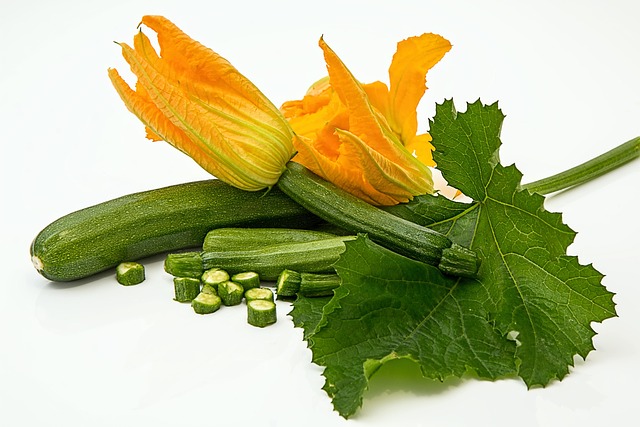
Vegetable-based flake or pellet foods specifically designed for herbivorous fish are excellent choices. Sinking wafers or pellets that contain spirulina or other algae are particularly beneficial. You can also offer blanched vegetables like zucchini, cucumber, spinach, or peas. Prepare these by boiling for a few minutes until slightly softened, then cool and offer them in small pieces, removing any uneaten portions after a few hours to prevent fouling the water. For a more natural approach, consider introducing a piece of driftwood; otos will graze on the biofilm that forms on its surface, which is a crucial part of their natural diet. According to Aquarium Co-Op, a mature aquarium with ample surface area for biofilm development is key to keeping otos healthy long-term.
Understanding Otocinclus Behaviour
Otocinclus are inherently shy and peaceful fish. They are most comfortable and active when kept in groups, which helps them feel secure and encourages more natural grazing behaviours. A minimum of six individuals is strongly recommended; in a sufficiently large tank, a school of 10-12 is even better. When kept alone or in very small numbers, they can become stressed, leading to reduced feeding, increased susceptibility to disease, and a higher risk of mortality.
In the aquarium, you’ll often see them clinging to glass, plants, decorations, or equipment, diligently scraping away at algae and biofilm. They are primarily diurnal, meaning they are most active during the day, though they may also forage during twilight hours. Their peaceful nature makes them excellent candidates for community tanks, provided their tank mates are also gentle and don’t pose a threat. They are generally not aggressive feeders and won’t compete effectively with faster-eating fish for food.
Choosing Compatible Tank Mates
The success of keeping otocinclus hinges significantly on selecting the right tank mates. Any fish that’s aggressive, overly boisterous, or prone to nipping fins should be avoided. Likewise, larger fish that might view otos as a snack are incompatible. The best tank mates are other small, peaceful, and non-territorial species.
Excellent choices include small tetras like Neons, Cardinals, or Ember Tetras; small rasboras such as Harlequins or Espei; peaceful corydoras catfish; guppies and platies (though be mindful of fry production); and other small, docile schooling fish. Shrimp such as Amano shrimp or Neocaridina varieties can also coexist peacefully. Avoid fin-nipping species like Tiger Barbs, or aggressive cichlids. Even some larger, supposedly peaceful fish can be problematic if they outcompete otos for food or accidentally injure them during feeding frenzies. Always research potential tank mates thoroughly before introducing them to an otocinclus-inhabited aquarium.
Troubleshooting Common Otocinclus Issues
Otocinclus are delicate and prone to several common problems, often stemming from inadequate care or unsuitable tank conditions. One of the most frequent issues is starvation due to a lack of sufficient algae or biofilm in the aquarium. If your otos appear thin, are not grazing actively, or are constantly trying to escape the tank, they may not be getting enough to eat. Ensure the tank is mature, has plenty of surfaces, and supplement their diet regularly with blanched vegetables or herbivore foods.
Poor water quality is another significant killer. Ammonia and nitrite spikes, often occurring in new or poorly maintained tanks, are toxic to otocinclus. Regular water changes and a fully cycled aquarium are non-negotiable. Stress from incompatible tank mates, rough handling during acclimation, or overcrowded conditions can weaken their immune systems, making them susceptible to diseases like Ich or internal parasites. If you notice white spots or lethickiness, address the underlying stressor and consider medication, although otos can be sensitive to some treatments.
Lifespan and Breeding Otocinclus
With proper care, otocinclus can live for 5 to 10 years, though many in home aquariums unfortunately have much shorter lifespans due to the challenges mentioned. Providing a stable environment, a consistent and varied diet, and peaceful tank mates are the keys to maximizing their lifespan. As of 2026, successful captive breeding of otocinclus is still considered challenging by many hobbyists, though not impossible. They are not prolific breeders like live bearers, and their fry have very specific needs.
Breeding usually requires mimicking their natural spawning conditions. This often involves a large, mature tank with dense plant growth, soft water, and a stable temperature. Significant water changes with typically triggers spawning slightly cooler water, simulating rainy seasons. The eggs are usually laid on plant leaves or smooth surfaces.
The fry are tiny and feed on microscopic organisms and biofilm. Raising them requires meticulous care, including providing ample micro-algae and infusorial, and maintaining pristine water quality. Due to these difficulties, most otocinclus available in the aquarium trade are wild-caught, underscoring the importance of careful selection and acclimation.
Otocinclus Compared to Other Algae Eaters
While otocinclus are effective algae eaters, other fish also fill this role. The most common comparison is with Pecostomus (Pecos), particularly the common pleco. Otocinclus are significantly smaller, making them suitable for smaller tanks where a full-grown pleco would be unmanageable. Plecos also tend to be more nocturnal and can be messier eaters, producing more waste. While some plecos are herbivorous, many species are omnivorous or even carnivorous as adults.
Another popular option is the Siamese Algae Eater (SAE). SAEs are stronger and larger than otos, reaching up to 6 inches (15 cm). They are known for being very effective at consuming black beard algae and hair algae, which otos may ignore. However, SAEs can become territorial as they mature and may be too boisterous for a tank with very delicate fish. Conversely, otocinclus are gentler, more social, and better suited for nano or smaller community tanks where space and temperament are key considerations. For tanks focusing on natural planted aesthetics and delicate inhabitants, otocinclus often remain the preferred choice.
Real-World Otocinclus Scenarios
Consider Sarah, a hobbyist with a 30-gallon planted aquarium housing a school of 10 Neon Tetras and 4 Amano Shrimp. She was struggling with a persistent film of green algae on her aquarium glass and driftwood. After purchasing 8 healthy otocinclus and carefully acclimating them using a drip method over 90 minutes, she introduced them to her tank. Within 48 hours, the visible algae film on the glass was significantly reduced. She supplemented their diet three times a week with blanched zucchini slices and herbivore sinking wafers, and by the end of the month, the otocinclus were actively grazing on the driftwood and glass, keeping the algae in check without outcompeting her tetras for food.
In contrast, John set up a new 15-gallon tank with 5 otocinclus and 3 small Guppies, hoping for a low-maintenance algae control solution. He introduced the otos after only a 30-minute drip acclimation. Within a week, two otos had died. The tank had insufficient algae growth, and the guppies were quickly consuming the supplemented food, leaving little for the otos. John’s mistake was not allowing enough time for acclimation and not ensuring the tank was mature enough to support the otos’ dietary needs, coupled with aggressive tank mates. His experience highlights the critical importance of a mature tank and slow acclimation for otocinclus survival.
Frequently Asked Questions
Can otocinclus live without algae?
While otocinclus primarily eat algae and biofilm, they can’t survive indefinitely without a food source. If algae is scarce, you must supplement their diet with blanched vegetables or herbivore-specific sinking foods to prevent starvation.
What is the ideal tank size for otocinclus?
A minimum of 20 gallons (75 litres) is recommended for a small school of 6 otocinclus. Larger tanks offer more grazing surface and stability, making them preferable for maintaining a healthy group.
How many otocinclus can I keep in a 10-gallon tank?
A 10-gallon tank is generally too small for otocinclus, especially if they are to thrive. They are social and require ample space for grazing. It’s best suited for at most 2–3 individuals, and even then, only in a very mature, heavily planted tank with supplemental feeding.
Why are my otocinclus dying suddenly?
Sudden deaths in otocinclus are often linked to poor water quality (ammonia/nitrite spikes), insufficient diet leading to starvation, stress from inadequate acclimation, or incompatible tank mates. Ensure your tank is cycled and mature.
Do otocinclus eat diatoms (brown algae)?
Yes, otocinclus are excellent at consuming diatoms, which are common in newly established aquariums. They are also effective against green film algae and cyanobacteria.
What temperature is best for otocinclus?
The ideal temperature range for otocinclus is between 72-78°F (22-26°C). They are sensitive to extreme temperature fluctuations and should not be kept in unheated tanks in cooler climates.
Information current as of June 2026; pricing and product details may change.
Editorial Note: This article was researched and written by the Pet Magazine editorial team. We fact-check our content and update it regularly. For questions or corrections, contact us.
Related read: Betta Fish: Your Guide to Happy, Healthy Fin Friends in 2026.
Related read: Frog Feet: Understanding These Fascinating Foot Structures.
Related read: Clown Fish for Sale: Your Guide to Finding the Perfect.