Black Moor Breeding: A Rewarding Challenge for 2026
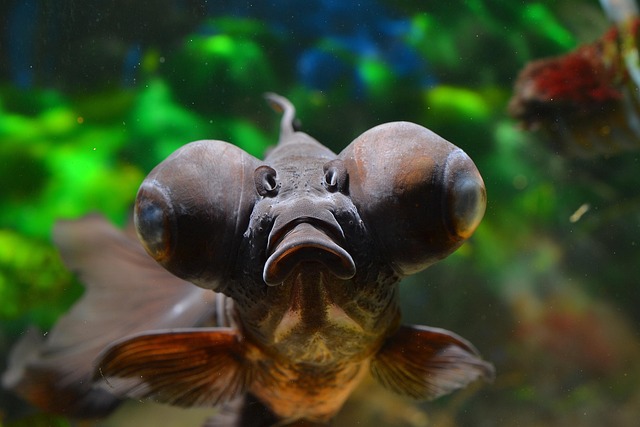
The velvety black colour, and distinctive telescope eyes of the Black Moor goldfish make them a captivating species for any aquarium. For hobbyists with a passion for aquatic life, venturing into black moor breeding can be an incredibly rewarding experience. While they are a type of fancy goldfish, breeding them requires a specific approach, focusing on conditioning, tank setup, and meticulous fry care. As of July 2026, the interest in specialised fish breeding continues to grow, and successfully raising Black Moors from eggs offers a unique insight into goldfish genetics and behaviour.
Last updated: July 11, 2026
Key Takeaways
- Black Moor breeding requires careful preparation, including conditioning the parent fish and setting up a dedicated spawning tank with specific water parameters.
- Males typically display breeding behaviour by chasing females, often showing a light-coloured breeding rash on their gill covers.
- Eggs are usually laid in fine-leafed plants or on spawning mops, and it’s crucial to remove the parents to prevent them from eating the eggs.
- Newly hatched fry are minuscule and require specialised micro-foods like infusoriallll or newly hatched brine shrimp.
- Maintaining stable water quality and providing appropriate nutrition are paramount for the survival and healthy development of black moor fry.
What Makes Black Moors Unique?
Before diving into breeding, it’s essential to understand the Black Moor itself. These are a selectively bred variety of fancy goldfish, originating from the common goldfish (Carassius auratus). Their most striking features are their protruding, telescope-like eyes and their deep black coloration, which some individuals may lose as they mature, turning bronze or grey. This selective breeding has also led to a more rounded body shape and reduced finnage compared to their wild ancestors, which can impact their swimming ability and susceptibility to certain health issues.
Unlike their more strong common goldfish cousins, Black Moors are sensitive creatures. Their large eyes can impair their vision, making it harder for them to compete for food, and they are also more prone to swim bladder issues and eye injuries. These factors are critical to consider when selecting breeding stock and managing their environment. As of 2026, understanding these genetic predispositions is key to ensuring the health and viability of any breeding program.
Setting the Stage: Preparing for Spawning
Successful black moor breeding hinges on meticulous preparation. This begins with selecting healthy, mature parent fish. Ideal breeders are typically at least 1–2 years old, although some may be ready sooner. They should be strong, free from disease, and exhibit strong swimming behaviour. Look for fish with good body conformation and clear eyes, avoiding individuals with visible deformities or signs of illness.
The crucial step is conditioning the potential breeders. This involves separating males and females into separate tanks for about 2–4 weeks leading up to the desired breeding period. During this conditioning phase, feed them a high-quality, varied diet. This should include protein-rich foods like brine shrimp, Daphnis, and specialised goldfish breeding flakes. Gradually increasing feeding frequency and quality signals to the fish that it’s time to prepare for reproduction. According to research from the Ornamental Fish International 2026 report, a diet rich in omega-3 fatty acids significantly improves egg quality and fry survival rates.
Simultaneously, prepare the spawning tank. This should be a separate aquarium, ideally around 20–30 gallons (75-115 litres), with no substrate to make egg collection easier and prevent mold growth. Equip it with a gentle filtration system, such as a sponge filter, to maintain water quality without creating strong currents that could harm eggs or fry. The water should be dechlorinated and ideally have a slightly softer pH and lower hardness than their main display tank, mimicking natural spawning conditions. Aim for a stable temperature, typically between 68-72°F (20-22°C).
Signs of Readiness: Knowing When They’re Ready
Observing your conditioned fish is key to predicting spawning. Males will often show increased activity, becoming more energetic and beginning to chase the females around the tank. A tell-tale sign in males is the development of small, white, granular bumps, known as breeding tubercles or rash, usually appearing on the gill covers, pectoral fins, and sometimes the head. Females may appear plumper as they develop eggs.
When you notice these signs, it’s time to introduce the male(s) to the female’s tank. For every female, it’s often recommended to have two or three males. This helps distribute the chasing behaviour, reducing stress on a single male and ensuring the female is stimulated to release her eggs. The males will then pursue the female closely, nudging and bumping her to encourage egg release. The actual spawning process can occur at any time, though it’s most common in the morning.
The males will follow the female closely, pinning her against plants or the tank bottom, and fertilizing the eggs as she releases them. The eggs are typically sticky and will adhere to any surfaces in the tank. Fine-leafed plants, such as Java moss or hornwort, are excellent natural egg-scatterers and are often added to spawning tanks specifically for this purpose. Alternatively, spawning mops made of nylon yarn can be used. These provide a safe surface for eggs to attach to.
From Spawning to Hatching: Caring for the Eggs
Once spawning has occurred, it’s crucial to remove the adult fish from the tank promptly. Goldfish are voracious eaters and will readily consume their own eggs. Leaving them in the tank significantly reduces the chances of successful hatching. After removing the parents, ensure the water temperature remains stable and the tank is kept in a quiet, undisturbed location. The eggs will typically hatch within 4–7 days, depending on the water temperature. Warmer temperatures accelerate hatching, but it’s important not to overheat the tank, as this can also harm the developing embryos.
You’ll notice tiny specks, the newly hatched fry, wiggling among the plants or on the tank surfaces. At this stage, they are incredibly vulnerable and survive on their yolk sacs for the first day or two. After the yolk sac is absorbed, the fry will begin to swim freely and require food. This is where black moor breeding becomes particularly challenging. Newly hatched fry are minuscule and need foods of a comparable size.
The best initial food is a culture of infusoria (microscopic organisms) or newly hatched brine shrimp (Artemia salina). You can start a brine shrimp culture a day or two before the eggs are expected to hatch. Tiny amounts of microworm or specialised commercial fry food can also be used. Feed the fry multiple times a day, offering only what they can consume in a few minutes to avoid fouling the water.
Nurturing the Young: Fry Development and Diet
The first few weeks of a black moor fry’s life are critical. Maintaining pristine water quality is paramount. Perform small, frequent water changes (10-20%) every other day, using aged, dechlorinated water of the same temperature as the tank. Siphon out any uneaten food and waste carefully to prevent disease. As the fry grow, their dietary needs will change. After about a week, you can introduce finely crushed flake food or specialised goldfish fry pellets. Gradually increase the size of the food as the fry develop.
Coloration in Black Moor fry is not always guaranteed. Some may hatch black, while others might be born a lighter colour and develop their black hue over time. As of 2026, advances in fish nutrition have led to more specialised fry foods that can support healthy growth and potentially enhance colour development. It’s also important to monitor their development for any genetic anomalies. If you’re aiming for specific traits, selective culling might be considered, though this is a delicate topic and requires careful ethical consideration.
The growth rate can vary significantly. Some fry may reach a recognizable goldfish size within a few months, while others may take longer. Patience is a virtue in black moor breeding. Providing a consistent, high-quality diet and stable water conditions are the most important factors for successful development. For those interested in selective breeding for specific traits, understanding goldfish genetics is beneficial; this allows for more targeted pairings to enhance or maintain desired characteristics in future generations.

Navigating Hurdles: Common Issues in Black Moor Breeding
Black moor breeding isn’t without its challenges. One of the most common is egg fungus. If unfertilized eggs are not removed, they can develop mold and spread to healthy eggs. Using a methylene blue solution in the fry tank at a very low concentration can help prevent fungal infections, but it’s essential to follow dosage instructions carefully. Removing uneaten food promptly is also critical, as decaying food introduces harmful bacteria and fungi.
Fry mortality can be high, especially in the first few weeks. This is often due to inadequate nutrition, poor water quality, or genetic defects. Ensuring you are feeding the correct food at the right times, maintaining stable water parameters, and only breeding from the healthiest stock can mitigate these risks. As mentioned, their delicate eyes can also be prone to injury, so a smooth-bottomed tank with no sharp decorations is vital during the fry stage.
Colour loss in Black Moors is another factor to be aware of. While some change is natural, significant fading can occur due to genetics, stress, or poor water quality. If breeding for specific colour traits, selecting parents with deep, consistent black coloration is important. Some aquarists believe that diet plays a role, with foods rich in carotenoids potentially helping to maintain colour, although this is less documented for Black Moors than for other fish species.
Expert Tips for Successful Breeding
Water Quality is King: Regularly test your water parameters (ammonia, nitrite, nitrate, pH, temperature). Black Moor fry are extremely sensitive to water quality fluctuations. Perform daily small water changes if necessary.
Dietary Diversity: Offer a varied diet to both adults and fry. For adults, this means high-quality flakes, pellets, and live/frozen foods like brine shrimp and Daphnis. For fry, start with infusoria or baby brine shrimp and transition to finely crushed flakes and specialised fry foods.
Gentle Filtration: Use sponge filters or air-driven filters that provide aeration and biological filtration without creating strong currents. This protects the delicate fry.
Patience and Observation: Breeding takes time and requires keen observation. Learn to recognise the signs of readiness in your fish and monitor the fry closely for any signs of distress or illness. Don’t be discouraged by initial setbacks; learning from each breeding cycle is part of the process.
Source Wisely: When acquiring potential breeders, buy from reputable fish stores or breeders known for healthy stock. This increases your chances of starting with fish that have good genetics and are free from disease.
Frequently Asked Questions
Can you breed Black Moor goldfish in a typical home aquarium?
Yes, with careful preparation and dedication, Black Moor goldfish can be bred in a dedicated home aquarium. It requires a separate breeding tank and specialised care for eggs and fry, different from their regular living environment.
How long does it take for Black Moor goldfish eggs to hatch?
Black Moor goldfish eggs typically hatch within 4 to 7 days after fertilization, depending on the water temperature. Consistent temperature is key to successful hatching.
What should I feed newly hatched Black Moor fry?
Newly hatched fry require microscopic food. The best options are live infusoria or newly hatched brine shrimp. Tiny amounts of specialised commercial fry food can also be introduced as they grow slightly.
Will my Black Moor fry look exactly like the parents?
Not necessarily. Fry may not have the same deep black coloration initially, and some may never develop it fully. Genetic variations can also lead to differences in body shape and eye development.
What is the average lifespan of a Black Moor goldfish?
With proper care in a suitable aquarium environment, Black Moor goldfish can live for 5 to 10 years, and sometimes even longer. Their lifespan is generally shorter than that of hardier goldfish varieties due to their specialised traits.
What water temperature is best for breeding Black Moors?
A stable temperature between 68-72°F (20-22°C) is generally considered optimal for conditioning and spawning Black Moor goldfish. Fluctuations should be avoided.
How can I prevent fungal infections on Black Moor eggs?
Prompt removal of the parents after spawning and ensuring good water circulation are essential. A very dilute methylene blue solution can be used in the egg-hatching tank as a preventative measure against fungus.
Embracing the Journey of Black Moor Breeding
Black moor breeding is not a simple task, but for the dedicated aquarist, it offers a deep connection to the lifecycle of these fascinating fish. By focusing on the health of your parent fish, creating the optimal environment, and providing meticulous care for the eggs and fry, you can experience the immense satisfaction of raising your own batch of these beautiful, velvety-black goldfish. As of July 2026, the pursuit of specialised aquatic husbandry continues to enrich the hobby, and successfully breeding Black Moors is a testament to that dedication.
Information current as of July 2026; pricing and product details may change.
Related Articles
- Mastiff Breeds 2026: A Complete Guide to These Gentle Giants
- Silken Windhound: The Elegant Sighthound's Complete Guide 2026
- Tuxedo Cats: Their Unique Look, Personality & Care in 2026
Editorial Note: This article was researched and written by the Pet Magazine editorial team. We fact-check our content and update it regularly. For questions or corrections, contact us. Knowing how to address black moor breeding early makes the rest of your plan easier to keep on track.
Related read: Breeding St Bernards: A Responsible Breeder's Guide for 2026.
Related read: Brahmas Chicken Breed: Gentle Giants for Your Flock 2026.