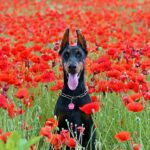
The Allure of the Blue Merle Great Dane
The Great Dane, often called the “Apollo of dogs,” is renowned for its imposing size and gentle disposition. Among the breed’s most captivating variations is the blue merle Great Dane, instantly recognizable by its striking, marbled coat of grey and black. This unique coloration, however, comes with specific genetic underpinnings and potential considerations that prospective owners should understand. As of July 2026, the fascination with this distinct coat pattern continues to grow, making it vital to dig beyond the visual appeal.
Last updated: July 11, 2026
While the blue merle coat is undeniably stunning, it’s important to approach ownership with a full understanding of the breed’s needs, the specific genetics behind the merle pattern, and any associated health nuances. This guide aims to provide a complete overview for those captivated by the blue merle Great Dane, offering practical insights for responsible ownership.
Key Takeaways
- The blue merle coat is a result of the merle gene (M) acting on a black base colour, creating a mottled pattern of grey and black patches.
- Responsible breeding practices are essential to avoid health issues associated with merle genetics, particularly double merles.
- Blue merle Great Danes share the same generally good-natured and loyal temperament as other Great Danes, requiring early socialization and consistent training.
- Potential health concerns include ear and eye issues, hip dysplasia, and bloat, which are common to the Great Dane breed.
- Their care involves ample space, moderate exercise, a high-quality diet, and attentive grooming, similar to their non-merle counterparts.
The distinctive blue merle pattern is not an independent colour but rather a modification of the black base coat, thanks to the merle gene (M). This gene essentially causes random patches of diluted pigment, resulting in a mottled or marbled appearance. In the case of a blue merle, the base colour is black (B), and the merle gene causes sections of this black to be diluted to grey, creating the characteristic blue-grey and black pattern.
It’s crucial to understand that merle is a dominant gene, meaning a dog only needs one copy of the merle gene (Mm) to express the pattern. Dogs with two copies of the merle gene (MM), often referred to as ‘double merles’ or ‘recessive merles,’ can have severe health issues. These include vision and hearing impairments, and in some cases, they may not survive or are born with significant deformities. This is why responsible breeders never intentionally breed two merles together. According to the American Kennel Club (AKC), while the merle pattern itself isn’t a disqualification for many breeds, specific patterns or excessive white can be in certain breed standards.

Beyond Blue: Variations in Merle Great Danes
While ‘blue merle’ is the most common term, the visual outcome can vary significantly. The intensity of the merle pattern, the distribution of black and grey patches, and the presence of other colour genes can lead to different appearances. Some dogs might have large, distinct patches of grey and black, while others exhibit a more subtle, speckled effect. The term ‘silver merle’ is often used interchangeably with blue merle, but technically, a silver merle has a lighter, more silvery-grey base coat affected by the merle gene. This variation is still a form of blue merle, showcasing the complexity of canine coat colour genetics.
The eyes can also display a range of colours, from deep brown to striking blue, or even be heterochromatic (one blue eye, one brown eye). This is a common and often desirable trait in merle-patterned dogs. Sometimes, the merle pattern can also affect the nose and paw pads, leading to a speckled or ‘butterfly’ nose, which is entirely normal and not indicative of health problems.
A Gentle Giant’s Heart: Temperament of the Blue Merle
When it comes to temperament, a blue merle Great Dane is, for all intents and purposes, a Great Dane. The merle coat colour doesn’t inherently dictate personality. These dogs are typically known for being exceptionally gentle, affectionate, and loyal companions. They often form strong bonds with their families and can be particularly good with children, provided they are properly socialized from a young age and trained consistently.
Their intelligence means they respond well to positive reinforcement training methods. Early socialization is crucial, exposing them to various sights, sounds, people, and other animals to ensure they grow into well-adjusted adults. Despite their size, they are not overly energetic and can adapt well to apartment living, provided they receive adequate mental stimulation and are given enough space to move comfortably. However, their size means even a playful bump can be overwhelming for smaller children or frail individuals, so supervision is always recommended.
Navigating Health: What to Watch For
Like all purebred dogs, Great Danes, including the blue merle variety, are prone to certain genetic health conditions. The merle gene itself, particularly when present in a double dose (MM), is linked to serious issues like deafness and blindness. Responsible breeders screen their breeding stock for these conditions and will be transparent about health clearances.
Beyond merle-specific concerns, Great Danes are susceptible to conditions common in giant breeds. These include hip dysplasia, a developmental disorder of the hip joint; gastric dilatation-volvulus (GDV), commonly known as bloat, a life-threatening condition where the stomach twists; and dilated cardiomyopathy (DCM), a heart condition. Eye conditions such as progressive retinal atrophy (PRA) and cataracts can also occur. According to the Great Dane Club of America, breeders should conduct cardiac evaluations and provide OFA (Orthopedic Foundation for Animals) clearances for hips and elbows for breeding dogs.

Caring for Your Blue Merle Companion
Caring for a blue merle Great Dane involves meeting the general needs of the breed, with a few considerations specific to their coat and potential health predispositions. Their large size means they require ample living space and can’t be confined to small areas for extended periods. They also need a high-quality diet formulated for large breeds to support healthy growth and maintain their physique, helping to prevent issues like bloat. Feeding multiple smaller meals per day rather than one large one can also reduce the risk of GDV.
Exercise needs are moderate; daily walks are essential, but they don’t require strenuous activity. Over-exercising giant breed puppies can be detrimental to their developing joints. Grooming is relatively straightforward due to their short coats. Regular brushing, perhaps once or twice a week, will help manage shedding and keep their coat healthy. It’s also vital to keep their ears clean and check for any signs of infection, given their predisposition to ear issues. Regular veterinary check-ups are paramount, especially for monitoring their heart health and screening for common genetic conditions.
Choosing Wisely: The Importance of a Responsible Breeder
When seeking a blue merle Great Dane puppy, finding a reputable breeder is paramount. A responsible breeder prioritizes the health and temperament of their dogs above all else, not just the colour. They will be knowledgeable about merle genetics and will be able to provide health clearances for the parents, particularly for conditions like hip dysplasia, cardiac issues, and eye health. They should be willing to answer all your questions, show you the living conditions of the puppies and parents, and be a resource for you throughout the dog’s life.
Be wary of breeders who only focus on rare colours, offer multiple ‘rare’ colours, or seem eager to sell puppies without asking you questions about your lifestyle and suitability. The price of a blue merle Great Dane puppy can vary significantly, often ranging from £1,500 to £3,000 or more, depending on the breeder’s reputation, lineage, and location. As of July 2026, while demand for unique colours remains high, investing in a healthy, well-adjusted puppy from a breeder who follows ethical practices is far more important than the coat colour itself.
Merle vs. Other Great Dane Colours
The blue merle’s unique appearance sets it apart from other Great Dane colour variations. The most commonly confused is the harlequin Great Dane, which features a white base coat with black patches. While both have a marbled or patched appearance, the harlequin’s base is white, and the merle pattern is absent. Another variation is the fawn or brindle, which are solid or striped base colours without the dilution effect of merle. The black Great Dane is a solid black, and the mantle Great Dane has a specific black and white pattern, often with tan points.
Keep in mind that the merle gene can also affect other base colours, such as chocolate or red, leading to variations like blue-fawn merle or chocolate merle, though these are less common and sometimes not recognised by all kennel clubs. The striking contrast and unique pattern of the blue merle often make it a focal point, but all Great Dane colours share the same fundamental breed characteristics: a noble presence, a gentle heart, and unwavering loyalty.
Frequently Asked Questions
What is a blue merle Great Dane?
A blue merle Great Dane is a Great Dane with a coat pattern caused by the merle gene acting on a black base colour. This results in random patches of diluted grey and black, creating a mottled or marbled appearance.
Are blue merle Great Danes rare?
While not the most common colour, blue merle Great Danes are not exceptionally rare, especially from breeders who specialise in this coloration. Their distinct look makes them highly sought after.
Do blue merle Great Danes have health problems?
Blue merle Great Danes can be prone to health issues common to the breed, such as hip dysplasia and bloat. The merle gene itself can also be associated with vision and hearing impairments if a dog inherits two copies of the merle gene (double merle).
Are blue merle Great Danes good family dogs?
Yes, blue merle Great Danes typically make excellent family dogs. They are known for being gentle, loyal, and affectionate, often forming strong bonds with children and other pets when properly socialized and trained.
What is the lifespan of a blue merle Great Dane?
The average lifespan for a Great Dane, including blue merles, is typically between 8 to 10 years. Factors like genetics, diet, exercise, and overall health care play a significant role.
Can blue merle Great Danes have blue eyes?
Yes, blue merle Great Danes commonly have blue eyes, or they may exhibit heterochrome (one blue eye and one brown eye). This is a natural consequence of the merle gene’s effect on pigment.
Embracing the Blue Merle Giant
The blue merle Great Dane is a magnificent example of this noble breed, celebrated for its unique and captivating coat. Beyond the striking visual appeal, these dogs offer the same renowned gentle temperament and loyal companionship that Great Danes are loved for. Understanding the genetics behind their coat, potential health considerations, and ensuring they come from responsible breeders are crucial steps for prospective owners. With proper care, socialization, and training, a blue merle Great Dane can be a truly extraordinary addition to the right family, bringing years of love and companionship.
Information current as of July 2026; pricing and product details may change.
Editorial Note: This article was researched and written by the Pet Magazine editorial team. We fact-check our content and update it regularly. For questions or corrections, contact us.