Understanding the Chihuahua and Pitbull Mix: A 2026 Perspective
The Chihuahua and Pitbull mix, often affectionately dubbed the ‘Pichi’ or ‘Chiwowow’, represents a fascinating convergence of two vastly different canine lineages. As of May 2026, this hybrid breed continues to capture the interest of prospective dog owners seeking a companion with a unique blend of characteristics. Understanding this mix requires delving into the distinct traits of both parent breeds, analysing how these might manifest in their offspring, and preparing for the responsibilities that come with owning any dog, particularly a hybrid.
Last updated: May 30, 2026
Most prospective owners wonder if this mix will inherit the Pitbull’s strong energy or the Chihuahua‘s sometimes tenacious nature. The reality is far more nuanced, with individual personality shaped by genetics, upbringing, and socialisation, making each Chihuahua and Pitbull mix a unique individual.
Key Takeaways
- The Chihuahua and Pitbull mix is a hybrid breed with a wide range of potential traits due to the distinct personalities of its parent breeds.
- Temperament can vary significantly, but early socialisation and consistent training are crucial for developing a well-adjusted companion.
- Potential health concerns overlap with both parent breeds, including issues related to size, heart, and joints.
- This mix requires moderate exercise and a stimulating environment to prevent boredom and potential behavioural problems.
- Responsible ownership involves thorough research, commitment to training and socialisation, and regular veterinary care.
The Ancestral Blueprint: Chihuahua and Pitbull Parentage
To truly understand the Chihuahua and Pitbull mix, we must first examine the foundational characteristics of its parents. The Chihuahua, one of the smallest dog breeds, originates from Mexico and is known for its bold, alert, and often tenacious personality, despite its diminutive size. They can be fiercely loyal to their chosen person but may exhibit wariness towards strangers and a surprising amount of courage when challenged.
Conversely, the American Pit Bull Terrier, while often misunderstood due to past associations, is a breed known for its strength, confidence, and loyalty. When well-bred and properly socialised, they are typically affectionate, eager to please, and good with families. Their intelligence and desire to work make them trainable, but their strength and prey drive necessitate careful management and consistent leadership.
The inherent contrast between these two breeds is precisely what makes the Chihuahua and Pitbull mix so intriguing. Owners can expect a dog that might possess the Chihuahua’s spirited independence and alertness combined with the Pitbull’s affectionate, loyal, and strong nature. The potential for a truly unique personality is high.
Navigating the Temperament Spectrum
The temperament of a Chihuahua and Pitbull mix is arguably its most debated aspect. Because both parent breeds can exhibit strong personalities, their offspring can inherit a wide range of behaviours. Some may lean more towards the Pitbull’s eagerness to please and sociability, while others might display the Chihuahua’s more independent, spirited, and occasionally stubborn streak. A key factor is understanding that ‘Pitbull’ often refers to a type rather than a single breed, with breeds like the American Staffordshire Terrier and American Pit Bull Terrier contributing to the mix’s heritage, each with subtle variations.
Early and consistent socialisation is paramount. Exposing a Chihuahua and Pitbull mix puppy to various sights, sounds, people, and other animals from a young age can help shape a confident and well-adjusted adult dog. Without adequate socialisation, a mix with Pitbull heritage might develop territorial tendencies or react poorly to unfamiliar stimuli, while a mix leaning towards the Chihuahua could become overly timid or reactive.
A common misconception is that all Pitbull mixes are aggressive. While responsible breeding and training are vital for any dog, especially those with guardian breed lineage, the inherent nature of the Pitbull temperament leans towards loyalty and affection when raised in a positive environment. The Chihuahua’s boldness, however, can sometimes manifest as overconfidence or a tendency to ‘bark at shadows’, which needs gentle redirection. Owners must be prepared for a dog that might be both cuddly and energetic, requiring a balance of affection and activity.
Size, Appearance, and Physical Traits
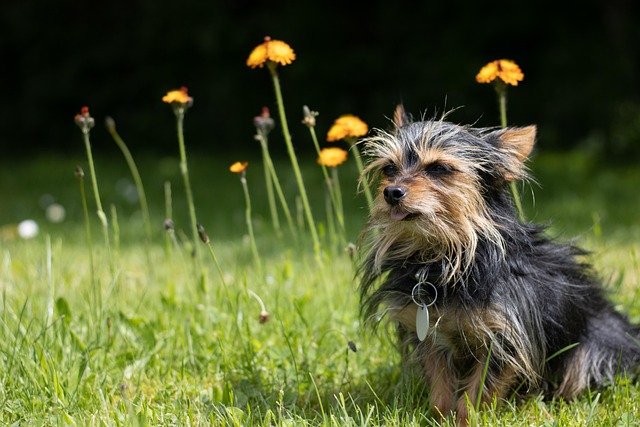
The physical presentation of a Chihuahua and Pitbull mix can be highly variable, reflecting the dramatic size difference between its parents. A mature dog could range from under 15 pounds (approximately 7 kg) to over 60 pounds (approximately 27 kg). Height can similarly vary, with some appearing more compact and leggy like a Chihuahua, while others might have the more strong build of a Pitbull.
Common physical traits to observe include head shape, ear set, and coat type. Some mixes might inherit the Pitbull’s broader head and strong jawline, while others may have a more refined muzzle. Ears can be erect and pointed like a Chihuahua’s, or dropped and folded like a Pitbull’s, or somewhere in between. The coat is typically short, dense, and easy to maintain, common to both parent breeds, and can come in a vast array of colours and patterns, including solid colours, brindle, and merle (though merle is not standard in Pitbulls and may indicate other breed influences).
Keep in mind that predicting the exact size and appearance of a hybrid puppy can be challenging. While breeders might offer estimates based on the parents’ size and lineage, genetics can always surprise. Owners should be prepared for a dog that may not conform to a predictable standard, embracing their unique look as part of their charm.
Health and Well-being: What to Watch For
As with all hybrid breeds, the Chihuahua and Pitbull mix can inherit genetic predispositions from both parent breeds. Understanding these potential health concerns is crucial for proactive care. From the Chihuahua side, potential issues include patellar luxation (slipping kneecaps), heart problems (such as mitral valve disease), hypoglycemia (low blood sugar, especially in puppies), and dental issues due to their small mouths.
From the Pitbull lineage, common concerns can include hip dysplasia, elbow dysplasia, allergies (skin and food), thyroid issues, and certain heart conditions. The variation in size within the mix further complicates health considerations; larger mixes may be more prone to skeletal issues like hip and elbow dysplasia, while smaller ones might face risks associated with hypoglycemia or delicate bones.
According to the American Veterinary Medical Association (AVMA) 2025 survey on breed-specific health, mixed-breed dogs, on average, can sometimes show increased resilience due to hybrid vigour, meaning they may be less prone to certain hereditary conditions than their purebred counterparts. However, this is not a guarantee. Regular veterinary check-ups, a balanced diet, appropriate exercise, and prompt attention to any signs of illness are essential. A responsible owner will work closely with their veterinarian to establish a preventative healthcare plan. The typical lifespan for a Chihuahua and Pitbull mix is generally between 10 to 14 years, influenced by genetics, diet, lifestyle, and overall health management.
Meeting Their Energy Needs: Exercise and Enrichment
The exercise requirements for a Chihuahua and Pitbull mix can vary considerably, depending on which parent breed’s traits dominate. A mix with strong Pitbull influence will likely need significant daily physical activity – at least 60 to 90 minutes of vigorous exercise, such as brisk walks, jogging, or playing fetch. They thrive on having a job to do or an activity to engage in.
Conversely, a mix leaning more towards the Chihuahua might be satisfied with shorter, more frequent bursts of activity and indoor play. However, even smaller mixes can possess surprising stamina and a strong desire to explore. It’s important to gauge your individual dog’s energy levels and adjust exercise accordingly. Over-exercising a small mix, or under-exercising a larger, energetic one, can lead to behavioural issues.
Beyond physical exercise, mental stimulation is equally vital. Boredom can lead to destructive behaviours, excessive barking, or anxiety in any dog, but particularly in intelligent breeds like Pitbulls. Providing puzzle toys, engaging in training sessions, teaching new tricks, or participating in canine sports like agility or scent work can keep their minds sharp and prevent behavioural problems. A good mental workout is often as tiring as a physical one for these intelligent hybrids.
Training Your Hybrid: Consistency and Positive Reinforcement
Training a Chihuahua and Pitbull mix requires a balanced approach, blending the patience needed for a potentially independent Chihuahua with the consistency favoured by Pitbulls. Positive reinforcement methods are highly effective. Using rewards such as treats, praise, and playtime to encourage desired behaviours will build a strong bond and make training a positive experience for both dog and owner.
Early socialisation, as mentioned previously, is non-negotiable. Exposing puppies to a variety of positive experiences before they reach maturity (around 12-18 months) helps them grow into confident, well-adjusted adults. This includes meeting different breeds of dogs (under controlled, safe circumstances), encountering people of all ages and appearances, and experiencing various environments.
Challenges may arise from either parent breed. A Chihuahua’s tendency to be vocal might require specific training to manage excessive barking, while a Pitbull’s potential for strong prey drive necessitates careful leash training and commands like ‘leave it’ or ‘drop it’. Owners should also be aware of the potential for resource guarding, where a dog might protect its food, toys, or people. Consistent training and management strategies are essential to mitigate these risks. Enrolling in puppy classes and potentially advanced obedience or behavioural training courses can provide invaluable guidance and support, especially for first-time owners of this hybrid.
Essential Care: Grooming and Nutrition
Grooming for a Chihuahua and Pitbull mix is generally straightforward, thanks to their typically short, dense coats. Weekly brushing with a bristle brush or grooming mitt is usually sufficient to remove loose hair and distribute natural oils, keeping their coat healthy and shiny. During shedding seasons, which can occur twice a year, more frequent brushing might be necessary.
Regular nail trims are important, as is ear cleaning. Check ears weekly for signs of infection or excessive wax buildup. Dental hygiene is also crucial, especially if the mix inherits a smaller jaw structure from the Chihuahua side. Daily teeth brushing with a dog-specific toothpaste is recommended, starting from puppyhood. The frequency of baths depends on the dog’s activity level and lifestyle; usually, a bath every few months is adequate unless they get particularly dirty.
Nutrition plays a vital role in the overall health of a Chihuahua and Pitbull mix. High-quality dog food formulated for their life stage (puppy, adult, senior) and potentially their size category is essential. Owners should choose foods with a good source of protein as the primary ingredient. It’s important to monitor their intake and weight to prevent obesity, which can exacerbate joint issues. For puppies, specialised puppy food designed for their growth phase is critical, particularly for larger mixes prone to skeletal development issues. Always consult with your veterinarian regarding the best diet for your specific dog, as their needs can vary based on age, activity level, and any existing health conditions.
Responsible Sourcing: Finding Your Hybrid Companion
When seeking a Chihuahua and Pitbull mix, ethical sourcing is paramount. Deliberate crossbreeding typically producs these dogs, meaning they are often found through breeders who specialise in hybrid or ‘designer’ dogs. It’s essential to distinguish between responsible hybrid breeders and irresponsible backyard breeders or puppy mills.
A responsible breeder will be knowledgeable about both parent breeds, will openly share health clearances for the parent dogs (e.g., OFA certifications for hips/elbows, CERF for eyes), and will be happy to let you meet the parent dogs or at least the mother. They will also be invested in the well-being of their puppies, asking you questions to ensure you are a good fit and providing a contract. They should also offer a health guarantee and be available for support long after you take the puppy home.
Beware of sellers who can’t provide health clearances, who seem more interested in your money than your suitability as an owner, or who have multiple breeds available. As of 2026, the demand for designer dogs remains high, making vigilance even more critical. If possible, consider adoption from a breed-specific rescue or a general animal shelter. While finding a specific mix can be challenging, many mixed-breed dogs with Pitbull or Chihuahua ancestry end up in shelters, and you might find your perfect companion through adoption. Organisations like the Petfinder database or local humane societies are excellent starting points.
Addressing Common Challenges with the Mix
One of the most common challenges with a Chihuahua and Pitbull mix can be managing their potential for vocalisation. Chihuahuas are known barkers, and if this trait is prominent in the mix, it can become an issue. Solutions involve early training to deter unnecessary barking, ensuring the dog is well-exercised and mentally stimulated to prevent boredom-related barking, and teaching a ‘quiet’ command.
Another potential challenge is managing their strength and drive, especially in mixes with a strong Pitbull influence. This can manifest as strong pulling on the lead or a high prey drive that might lead them to chase small animals. Consistent training with a focus on commands like ‘heel,’ ‘leave it,’ and ‘recall’ is vital. Secure fencing and vigilant supervision when outdoors, especially around smaller pets, are also necessary. Never leave a dog with a high prey drive unsupervised with animals it might perceive as prey.
Resource guarding can also be a concern, as both parent breeds can be protective. To mitigate this, implement training that teaches the dog that resources are safe and won’t be taken away without reason. This might involve trading a high-value item for a treat or simply practising ‘leave it’ with their food bowl. If resource guarding becomes severe or dangerous, seeking professional help from a certified animal behaviourist is highly recommended. Early intervention is key to managing these potential issues effectively.
Expert Tips for a Thriving Chihuahua Pitbull Mix
For those considering or already owning a Chihuahua and Pitbull mix, here are some expert insights to ensure a harmonious relationship. Firstly, embrace the individuality of your dog. Don’t expect them to be a predictable clone of either parent; celebrate their unique blend of traits. This means adapting your training and lifestyle to suit their specific personality and needs.
Secondly, consistency is your greatest ally. Whether it’s in training, feeding schedules, or house rules, a predictable routine helps dogs feel secure and understand expectations. This is particularly important for a hybrid breed that might have conflicting instincts. For example, if one parent is prone to separation anxiety and the other is more independent, consistent positive reinforcement for calm behaviour when left alone is key.
Thirdly, invest in ongoing socialisation and training. Dogs are lifelong learners, and continued positive exposure to new environments and experiences will keep them well-adjusted. Consider enrolling in advanced obedience classes or exploring canine sports. This not only strengthens your bond but also provides mental stimulation and channels their energy constructively, preventing potential behavioural issues down the line. The goal is a well-rounded, confident companion ready for life’s adventures.
Frequently Asked Questions About the Chihuahua and Pitbull Mix
Are Chihuahua Pitbull mixes good family dogs?
Yes, a Chihuahua and Pitbull mix can be excellent family dogs when properly socialised and trained. Their loyalty from the Pitbull side and alertness from the Chihuahua can make them protective companions. However, supervision is always recommended with young children, as their small size can be vulnerable to accidental injury, and their energy levels need to be managed.
How big do Chihuahua Pitbull mixes get?
The size of a Chihuahua and Pitbull mix can vary greatly. Depending on the genetic influence, they might range from a small dog weighing around 15-20 pounds (7-9 kg) to a medium-sized dog weighing 40-60 pounds (18-27 kg) or even more. Their height will also vary accordingly.
What is the typical lifespan of a Chihuahua Pitbull mix?
The average lifespan for a Chihuahua and Pitbull mix is typically between 10 to 14 years. This can be influenced by factors such as genetics, diet, exercise, and overall health care provided by the owner.
Are Chihuahua Pitbull mixes high-energy dogs?
Energy levels can vary. Mixes with a stronger Pitbull influence tend to be higher energy and require at least 60-90 minutes of exercise daily. Those leaning more towards the Chihuahua might be content with shorter bursts of activity. Mental stimulation is crucial for all mixes.
Are Pitbull mixes aggressive?
Aggression is not inherent to the Pitbull breed or its mixes; it’s often a result of poor breeding, lack of socialisation, improper training, or mistreatment. When raised in a positive, stable environment with consistent training, Pitbull mixes, including the Chihuahua and Pitbull mix, are typically loyal and affectionate companions.
What health problems are common in Chihuahua Pitbull mixes?
Common health concerns can include patellar luxation, heart issues, dental problems, and hypoglycemia from the Chihuahua side, and hip dysplasia, allergies, and thyroid issues from the Pitbull side. Regular veterinary check-ups are vital for early detection and management.
Do they shed a lot?
Generally, this mix has a short, dense coat that sheds moderately. Weekly brushing usually suffices to manage shedding, with increased brushing needed during seasonal shedding periods. They are typically considered low-to-moderate shedders compared to some other breeds.
Bringing Home Your Chihuahua Pitbull Mix
The Chihuahua and Pitbull mix offers a unique combination of traits that can lead to a devoted and engaging companion. Their varied appearance and potentially complex temperament mean that prospective owners must be prepared for an individual dog, not a predictable template. Thorough research into both parent breeds, a commitment to early and ongoing socialisation and training, and a proactive approach to health and well-being are the cornerstones of responsible ownership.
Ultimately, if you are looking for a dog with a strong personality, a deep capacity for loyalty, and a desire for an active life with plenty of mental engagement, the Chihuahua and Pitbull mix might be an excellent fit for your household. Their journey from puppyhood to adulthood is one of constant learning and adaptation, rewarding patient and dedicated owners with an unparalleled bond.
Information current as of May 2026; pricing and product details may change.
Editorial Note: This article was researched and written by the Pet Magazine editorial team. We fact-check our content and update it regularly. For questions or corrections, contact us.
Related read: The African Ridgeback Dog: Your 2026 Complete Guide.
Related read: How Often Do Puppies Poop in 2026? A Vet-Approved Guide
Related read: Havanese Haircuts: Styles, Costs, and Care in 2026
Related read: Mustang Horse: Your 2026 Guide to These Iconic Equines.