A Glimpse into the Lion Dog’s World
The Chow Chow is a breed that commands attention, instantly recognizable by its lion-like mane and dignified bearing. Originating from ancient China, this distinctive spitz-type dog carries a history as rich as its luxurious coat. Understanding the Chow Chow means appreciating a breed that’s as loyal and protective as it’s independent and sometimes reserved.
Last updated: July 30, 2026
Many potential owners are drawn to the Chow Chow’s unique appearance, but beneath the striking exterior lies a complex personality that requires knowledgeable handling and consistent training. If you’re considering welcoming a Chow Chow into your home, or if you’re a current owner looking to deepen your understanding, this guide delves into the essential aspects of caring for this remarkable breed.
Key Takeaways
- The Chow Chow is an ancient breed from China, known for its dense double coat and lion-like ruff.
- They possess a dignified, independent, and sometimes aloof temperament, making early socialization crucial.
- Consistent, positive reinforcement training is vital due to their stubborn streak.
- Regular grooming is essential to manage their thick coat and prevent matting.
- Potential health concerns include hip dysplasia, eye issues, and skin allergies.
From Ancient China to Global Companion
The Chow Chow’s lineage traces back thousands of years to the Han Dynasty of China, making it one of the oldest dog breeds. Initially, they served various roles, from guarding temples and hunting to pulling carts and even as a source of meat and fur. Their unique appearance, particularly the dense ruff around the neck, earned them the nickname “lion dog”.
It wasn’t until the late 18th century that the breed began to gain international recognition, notably in Britain. Queen Victoria was famously fond of the breed, which helped to popularize it. Today, the Chow Chow is cherished worldwide not just for its distinctive looks but for its loyal and devoted nature towards its family.

A Dignified and Independent Spirit
The Chow Chow temperament is often described as dignified, independent, and reserved. Unlike more overtly affectionate breeds, Chow Chows tend to be aloof with strangers and can be quite stoic. This doesn’t mean they are not loving; rather, their affection is often shown in quieter, more subtle ways towards their chosen family.
Their protective nature means they can be excellent watchdogs, often wary of unfamiliar people or situations. Early and consistent socialization is paramount to ensure they grow into well-adjusted adults who can discern between a genuine threat and a normal visitor. Without proper socialization, their natural wariness can sometimes manifest as suspicion or even aggression.
A common misconception is that Chow Chows are inherently aggressive. While they possess a strong guarding instinct, their behavior is largely a result of their upbringing and socialization. A well-trained and socialized Chow Chow is a devoted companion, but their independent streak means they are not always eager to please, requiring patience and understanding in training.
Mastering the Mane: Coat Care Essentials
The Chow Chow’s most striking feature is its profuse double coat, which requires dedicated grooming. This dense coat consists of a soft, woolly undercoat and a coarser, longer outer coat. It provides excellent insulation but also demands regular attention to prevent matting and skin issues.
Daily brushing is highly recommended, especially during shedding seasons (typically spring and autumn), to remove loose hair and distribute natural oils. A slicker brush and a metal comb are essential tools. Owners should pay close attention to areas prone to matting, such as behind the ears, the tail, and the ‘britches’ (hindquarters).
Bathing should be done every few months, or as needed, using a high-quality dog shampoo and conditioner. Ensure the coat is thoroughly rinsed and completely dried, as trapped moisture can lead to skin irritation and hot spots. Professional grooming can be a valuable option, especially for new owners, to ensure the coat is maintained correctly.
Owners should also maintain regular ear cleaning and nail trims. The Chow Chow’s characteristic ‘wrinkly’ face requires gentle cleaning to prevent infections. According to the American Kennel Club (AKC), their grooming needs are extensive, often requiring several hours per week to maintain properly.
Navigating the Chow Chow’s Stubborn Streak
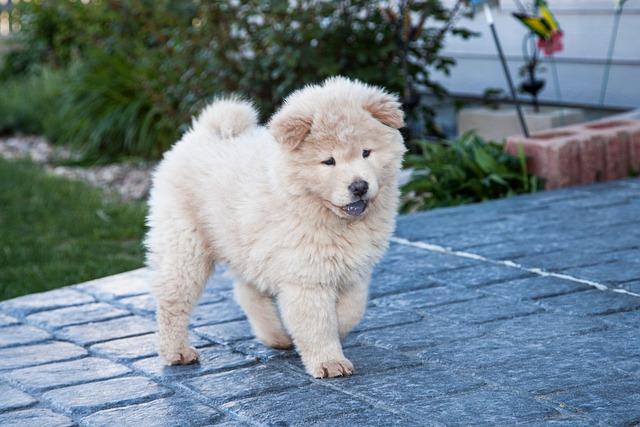
Training a Chow Chow requires a unique approach. Due to their independent and sometimes stubborn nature, they respond best to positive reinforcement methods. Harsh corrections or punishment can be counterproductive, leading to fearfulness or an increased stubbornness.
Consistency is key. Start training and socialization from the moment a Chow Chow puppy enters your home, ideally between 8 to 16 weeks of age. Expose them to a variety of sights, sounds, people, and other animals in a controlled and positive manner. This early exposure helps them develop into well-adjusted, confident dogs.
Obedience classes can be beneficial, but it’s important to find an instructor experienced with independent breeds. Teaching basic commands like ‘sit’, ‘stay’, and ‘come’ is crucial for safety and management. Recall training, in particular, needs to be exceptionally reliable, as their independent spirit can sometimes lead them to wander if not securely contained.
Many Chow Chows also exhibit a strong guarding instinct. While this can make them good watchdogs, it also means they may be prone to excessive barking if not managed. Training them to ‘quiet’ on command is a useful behavior to teach.
Common Health Concerns for the Breed
While generally a solid breed, Chow Chows are susceptible to certain genetic health conditions. Responsible breeders screen their dogs for these issues to minimize the risk of passing them on to puppies.
Common health concerns include:
- Hip Dysplasia: A malformation of the hip socket that can lead to arthritis and lameness. Reputable breeders will have hip evaluations performed on their breeding stock.
- Eye Conditions: Chow Chows can be prone to ectropion (inward rolling of the eyelids) and ectropion (outward rolling of the eyelids), which can cause irritation and vision problems. Regular veterinary checks are important.
- Skin Allergies: Their dense coat can trap moisture and allergens, making them susceptible to skin infections and allergies. Careful grooming and a balanced diet are essential.
- Bloat (Gastric Dilatation-Volvulus): A life-threatening condition where the stomach twists. Feeding smaller meals and avoiding strenuous activity after eating can help reduce the risk.
- Thyroid Problems: Hypothyroidism can occur, affecting metabolism and coat condition.
The average lifespan for a Chow Chow is typically between 8 to 12 years, though many can live longer with good care and a bit of luck. According to PetMD, potential owners should be prepared for significant veterinary costs, with some sources suggesting that initial puppy costs can range from £1,800 to £3,000 depending on lineage and breeder.
Feeding Your Chow Chow
A balanced diet is crucial for maintaining the health and vitality of your Chow Chow. High-quality commercial dog food formulated for large breeds is a suitable option. Look for foods with a good protein source as the primary ingredient.
The amount of food will depend on the dog’s age, activity level, and metabolism. It’s best to follow the feeding guidelines on the food packaging as a starting point and adjust as needed. Puppies will require more frequent meals than adult dogs. Monitoring your dog’s weight and body condition is essential to prevent obesity, which can exacerbate joint problems.
Some Chow Chows may benefit from supplements, such as omega-3 fatty acids for skin and coat health, but always consult your veterinarian before adding any supplements to your dog’s diet. Avoiding overfeeding and ensuring your dog has access to fresh, clean water at all times are fundamental aspects of their daily care.
Ensuring a Long and Healthy Life
With proper care, a Chow Chow can live a healthy life well into its senior years. As they age, their dietary needs may change, often requiring senior-specific formulations that are lower in calories and easier to digest. Regular veterinary check-ups become even more important to monitor for age-related conditions.
Senior Chow Chows may experience decreased mobility due to arthritis or other joint issues. Providing comfortable bedding, gentle exercise, and potentially joint supplements can help manage these conditions. Their mental stimulation should also be maintained through gentle training and interactive toys.
Owners should be vigilant for any changes in behavior, appetite, or physical condition, as these can be early indicators of health problems. A commitment to regular vet visits, a nutritious diet, appropriate exercise, and attentive care will significantly contribute to your Chow Chow’s overall well-being and longevity.
Is a Chow Chow Right for You?
Bringing a Chow Chow into your life is a commitment. Their distinctive appearance and reserved temperament mean they are not suited for every household. They thrive in stable environments with owners who understand and respect their independent nature.
Ideal owners will be patient, consistent, and committed to early socialization and training. While they can be devoted family pets, their protective instincts mean they should be carefully supervised around young children and unfamiliar visitors. Their grooming needs also require a significant time investment.
If you’re looking for an affectionate, highly social dog that craves constant attention, a Chow Chow might not be the best fit. However, if you appreciate a loyal, dignified companion who forms a deep bond with their family and offers a sense of quiet protection, the Chow Chow could be the perfect, albeit unique, addition to your home.
Frequently Asked Questions
Are Chow Chows good with children?
Chow Chows can be good with children if they are raised with them from puppyhood and properly socialized. However, their reserved and protective nature means supervision is always recommended, as they may not tolerate rough play well.
How much exercise does a Chow Chow need?
Chow Chows are not excessively energetic dogs. Moderate daily exercise, such as a couple of short walks, is usually sufficient. They can also enjoy playtime in a secure garden. Overexertion should be avoided, especially in hot weather.
Are Chow Chows difficult to train?
Yes, Chow Chows can be challenging to train due to their independent and sometimes stubborn nature. They respond best to consistent, positive reinforcement methods, but patience and a firm, fair hand are essential.
What is the average cost of a Chow Chow puppy?
The cost of a Chow Chow puppy can vary significantly. Reputable breeders may charge anywhere from £1,800 to £3,000 or more, depending on the puppy’s lineage, health clearances, and the breeder’s reputation.
Do Chow Chows shed a lot?
Yes, Chow Chows have a dense double coat and shed moderately year-round, with heavier shedding periods typically in spring and autumn. Regular brushing is vital to manage shedding and prevent matting.
Are Chow Chows known for being aggressive?
While Chow Chows have a strong guarding instinct and can be wary of strangers, they are not inherently aggressive. Proper socialization from a young age is critical to ensure they are well-behaved and discerning in their interactions.
How long does a Chow Chow typically live?
The average lifespan for a Chow Chow is between 8 and 12 years. With excellent care, a nutritious diet, and regular veterinary attention, some individuals can live longer.
Information current as of July 2026; pricing and product details may change.