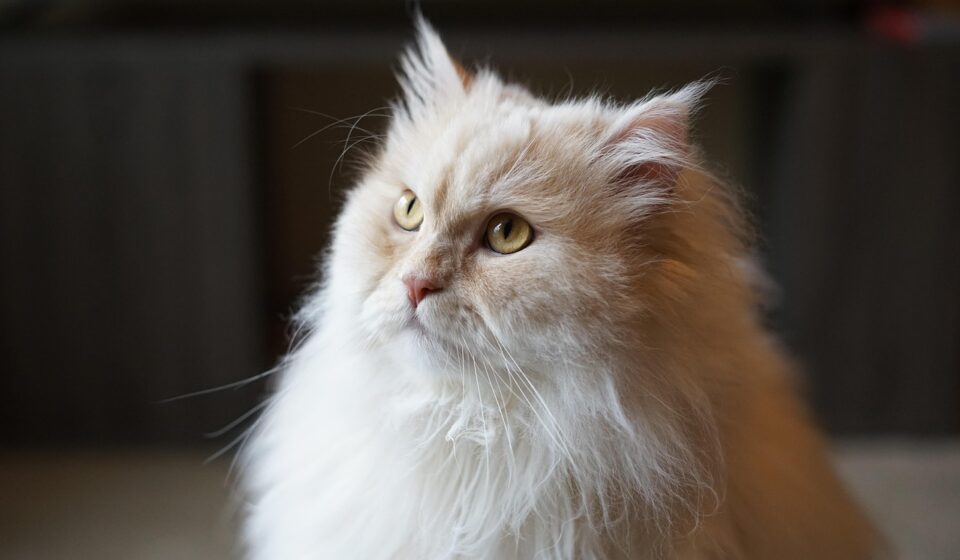
A Gentle Aristocrat: Understanding the Persian Cat
The Persian cat is a breed synonymous with elegance, tranquility, and a luxurious coat that seems to flow like silk. Often perceived as aloof, these felines are, in reality, gentle, affectionate companions who thrive on quiet affection and a predictable routine. For those considering welcoming a Persian into their home, understanding their unique needs is paramount to ensuring a happy, healthy life together.
Last updated: July 30, 2026
Key Takeaways
- Persian cats are known for their calm, sweet, and affectionate nature, making them ideal for quiet households.
- Their long, dense coat requires daily grooming to prevent matting and skin issues.
- Particular attention must be paid to their facial structure, which can lead to breathing, eye, and dental problems.
- Traditional or ‘doll face’ Persians offer a healthier alternative to the extreme ‘peke-faced’ varieties.
- Early socialization and a consistent routine are crucial for a well-adjusted Persian cat.
A Storied Past: From Royal Courts to Modern Homes
The history of the Persian cat is as rich and textured as its famous coat. While their exact origins are debated, evidence points to longhaired cats being brought from Persia (modern-day Iran) and Turkey to Europe as early as the 17th century. These elegant felines quickly captured the attention of nobility, often gracing the homes of royalty and aristocrats.
In the 19th century, dedicated breeders began to refine the breed, focusing on specific traits like the round face and luxuriant fur. The development of the more extreme ‘flat-faced’ or ‘peke-faced’ Persian, particularly in the United States, aimed for a more compressed muzzle. However, this aesthetic trend has unfortunately led to significant health challenges, a point of contention among breed enthusiasts. The traditional Persian, often referred to as the ‘doll face’ Persian, retains a more moderate muzzle, offering a healthier option for owners.
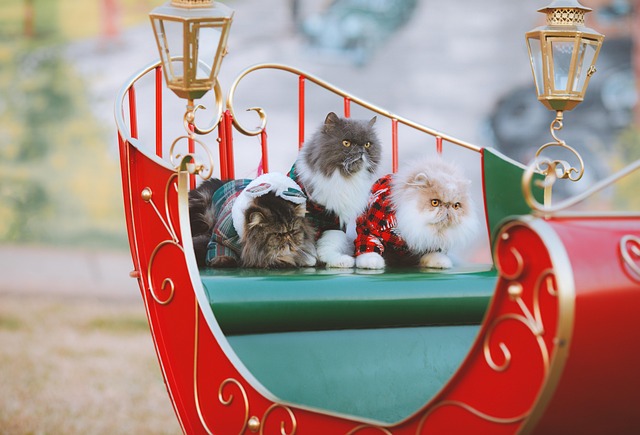
The Gentle Soul: What to Expect from a Persian’s Personality
Persian cats are celebrated for their placid and sweet-nature temperament. They are not typically demanding or overly boisterous, preferring a calm environment where they can observe their surroundings with quiet dignity. While they enjoy affection, they are often content to be near their human companions rather than constantly seeking attention.
This breed tends to be less vocal than many other cat breeds, communicating their needs or affections through soft chirps and purrs. They are generally good with children and other pets, provided they are introduced gradually and respectfully. Their adaptable nature makes them well-suited to apartment living, as they don’t require vast spaces to roam. However, their laid-back attitude means they are not usually inclined to engage in strenuous play, though they do appreciate interactive toys that engage their minds.
Worth noting, while generally calm, individual personalities can vary. Some Persians may be more playful or curious than others, influenced by genetics, early socialization, and their environment.
Distinctive Looks: The Persian Cat’s Iconic Features
The most striking feature of the Persian cat is undoubtedly its long, dense, flowing coat. This luxurious double coat requires significant upkeep to prevent tangles and mats. Their fur comes in an astonishing array of colors and patterns, from solid shades like white, black, and cream to intricate tabby, tortoiseshell, and colorpoint variations. The chinchilla Persian, with its silver-tipped fur, is particularly prized for its shimmering appearance.
Beyond the coat, Persians are characterized by their round, expressive faces, large, round eyes that can be any color, and small, rounded ears. Their bodies are typically cobby (stocky) and muscular, with short, sturdy legs and a short, bushy tail. The facial structure, as mentioned, varies significantly. The extreme ‘peke-faced’ or ‘smushed’ face, while visually dramatic, is associated with brachycephalic health issues, including stenotic nares (narrow nostrils), overlong soft palates, and dental malocclusions.
In contrast, the traditional Persian retains a more moderate, well-proportioned muzzle and nose. This distinction is crucial for potential owners to understand when selecting a kitten, as it directly impacts the cat’s overall health and well-being.
Daily Devotion: The Grooming Needs of a Persian Cat
The commitment to owning a Persian cat is most evident in their grooming requirements. Their magnificent coat, while beautiful, is prone to matting if not cared for diligently. Daily brushing is not merely a recommendation; it’s essential. Using a high-quality slicker brush and a metal comb, owners must work through the cat’s fur, paying close attention to areas prone to tangles, such as behind the ears, under the legs, and the hindquarters.
Failure to groom regularly can lead to painful mats that can pull on the skin, causing discomfort and potential infections. Some owners opt for professional grooming services, or even a ‘lion cut’ during warmer months, where the fur is clipped short, but this still requires regular upkeep of the remaining fur. Beyond brushing, regular nail trims, ear cleaning, and dental care are also vital components of a Persian’s routine.
A critical aspect of Persian care revolves around their facial structure. For ‘peke-faced’ Persians, daily wiping of the eyes is often necessary to clear away discharge and prevent tear staining and potential infections. This should be done gently with a soft, damp cloth or pet-safe eye wipes.
Understanding Health: Common Persian Cat Ailments
While generally a solid breed, Persian cats are predisposed to certain health conditions, many of which are exacerbated by extreme facial features. As noted by the American Veterinary Medical Association (AVMA), brachycephalic breeds can suffer from a range of respiratory issues due to their shortened skulls.
Common ailments include:
- Brachycephalic Obstructive Airway Syndrome (BOAS): Difficulty breathing due to narrowed nostrils, an elongated soft palate, or other structural issues in the airway. Signs include noisy breathing, snorting, and intolerance to exercise.
- Eye Problems: Excessive tearing (epifocal) due to blocked tear ducts, conjunctivitis, and other corneal issues are common, particularly in flatter-faced Persians.
- Dental Issues: Malocclusions (misaligned teeth) and periodontal disease are more prevalent due to the jaw structure. Regular dental check-ups and cleaning are crucial.
- Polycystic Kidney Disease (PKD): A hereditary condition that causes cysts to form in the kidneys, potentially leading to kidney failure over time. Reputable breeders screen their cats for PKD.
- Hypertrophic Cardiomyopathy (HCM): A common heart condition in cats that can also affect Persians.
Responsible breeders conduct health screenings for genetic conditions like PKD and HCM. Potential owners should always inquire about health clearances for the parents and the kitten. According to the Veterinary Oral Health Council (VOHC), regular dental care is essential for all cats, but particularly so for breeds prone to dental issues.

Finding Your Feline Friend: What to Look for in a Persian
When seeking a Persian cat or kitten, prioritize health and temperament above all else. Avoid breeders who focus solely on extreme physical traits, particularly the severely flattened face. A reputable breeder will be knowledgeable about the breed’s health issues, willing to share health clearances for the parents (especially for PKD and eye conditions), and allow you to meet the kitten and its mother in a clean, well-maintained environment.
Look for a kitten that’s alert, active, and curious, with clear eyes and ears, and a healthy coat. They should be well-socialized, comfortable interacting with people, and show no signs of illness or distress. Be wary of sellers who offer kittens at unusually low prices or who are unwilling to answer questions about the cat’s lineage or health history. The Persian Kittens website, for example, highlights the importance of thorough adoption forms, suggesting a commitment to finding suitable homes.
Adoption from a breed-specific rescue organization or a general animal shelter is also a rewarding option. Many wonderful Persians find themselves in need of new homes and can make just as loving companions.
Integrating a Persian into Your Life
Persian cats thrive in a stable, predictable environment. They are not typically suited to homes with constant loud noise, excessive foot traffic, or young children who may not understand how to interact gently. Their grooming needs mean they require a dedicated owner willing to commit time daily.
Provide a comfortable, quiet space for your Persian to retreat to. Their litter box should be kept immaculately clean, and placed in a secluded area. Because they are not particularly active climbers or jumpers, ensure they have comfortable, accessible resting spots at ground level.
Diet is another crucial consideration. A high-quality diet formulated for longhaired cats can help manage shedding and support coat health. Consult your veterinarian for personalized dietary recommendations. Many veterinarians recommend a diet rich in Omega-3 and Omega-6 fatty acids to support skin and coat health, which is particularly beneficial for Persians.
Frequently Asked Questions
Are Persian cats good for first-time cat owners?
Yes, Persian cats can be excellent pets for first-time owners due to their calm temperament and affectionate nature, provided the owner is prepared for their significant grooming needs.
How often should I groom my Persian cat?
Daily brushing is essential to prevent matting and keep their luxurious coat healthy. Regular nail trims and ear cleaning are also part of their grooming routine.
Do Persian cats have breathing problems?
Extreme ‘peke-faced’ or ‘smashed-faced’ Persians are prone to brachycephalic airway issues. Traditional or ‘doll face’ Persians generally have fewer breathing difficulties.
What is the average lifespan of a Persian cat?
With proper care and genetics, a Persian cat can live between 10 to 17 years, with many living into their late teens.
Are Persian cats lazy?
Persians are not typically lazy but rather sedate and prefer calm activities over high-energy play. They enjoy gentle interaction and comfortable lounging.
What colors do Persian cats come in?
Persian cats come in a vast array of colors and patterns, including solid colors (white, black, blue, cream, red, chocolate, lilac), tabby patterns, bicolors, parti-colored, and colorpoint variations.
Information current as of July 2026; pricing and product details may change.