A World of Wagging Tails: Understanding Dog Types
Most people looking for a canine companion know they want a dog, but the sheer variety can be overwhelming. From the tiny Chihuahua to the imposing Great Dane, understanding the fundamental differences between dog types is the first step to finding a furry friend who truly fits your life.
Last updated: July 30, 2026
A common question asked is, “How do I choose the right dog breed?” The answer lies not just in appearance, but in understanding temperament, energy levels, grooming needs, and how a specific breed’s historical purpose influences its modern-day behavior. This guide will help you Handle the fascinating spectrum of dog types, from purebred distinctions to the charm of mixed breeds, ensuring you make an informed decision for years of happy companionship.
- Dog breeds are broadly categorized by their original working purpose, influencing their innate traits and behaviors.
- Understanding breed groups (like Sporting, Hound, Working, Terrier, Toy, Non-Sporting, and Herding) offers insight into a dog’s energy, temperament, and needs.
- Purebred dogs have predictable characteristics, while mixed breeds offer unique combinations of traits.
- Beyond breed, individual personality, training, and environment play crucial roles in a dog’s suitability.
- Choosing the right dog involves matching breed characteristics to your lifestyle, living situation, and commitment level.
The AKC Breed Groups: A Framework for Understanding
The American Kennel Club (AKC) categorizes dog breeds into seven distinct groups, based on their original purpose. This framework is invaluable for understanding the inherent traits of different types of dogs. These categories aren’t absolute rules, but they provide a strong general understanding of a breed’s likely behavior and needs.
For instance, dogs in the Herding Group, like Border Collies, were bred to move livestock. This means they often possess high intelligence, boundless energy, and a strong instinct to ‘manage’ their environment, which can translate to a need for mental stimulation and a tendency to ‘herd’ children or other pets if bored.
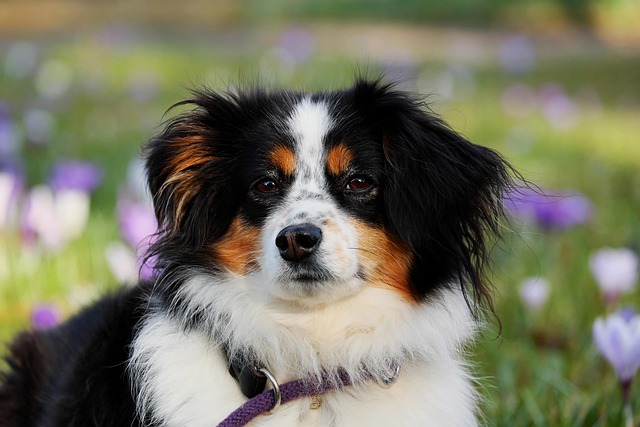
Sporting Group
This group includes breeds developed to assist hunters, flushing game birds and retrieving them from land or water. Expect high energy, intelligence, and a desire to please. They often make excellent family pets but require significant exercise and mental engagement.
Examples include Retrievers (Labrador, Golden), Spaniels (Cocker, Springer), and Pointers. These dogs generally thrive with active families who can provide ample opportunity for running, swimming, or playing fetch. Their eagerness to work means they often excel in dog sports.
Hound Group
Hounds were bred for hunting, either by scent or by sight. Scent hounds, like Beagles and Basset Hounds, have incredible noses and can be quite independent, sometimes following a scent trail with single-minded determination. Sight hounds, such as Greyhounds and Whippets, are built for speed and possess keen eyesight.
Many hounds can be vocal and may require patient training to manage their strong instincts. They often enjoy long walks and can be surprisingly calm indoors once their exercise needs are met. Their unique hunting heritage means they often have distinctive personalities and require understanding owners.
Working Group
These dogs were bred for jobs like guarding property, pulling sleds, and performing water rescues. They are typically strong, intelligent, and possess a natural protective instinct. Breeds like the Doberman Pinscher, Rottweiler, Siberian Husky, and Bernese Mountain Dog fall into this category.
Working dogs often have a strong bond with their families and can be excellent guardians. However, their size, strength, and intelligence mean they need consistent training and socialization from an early age to ensure they are well-behaved members of the household. Their desire to have a ‘job’ makes them well-suited to families who can engage them in activities.
Terrier Group
Terriers were originally bred to hunt vermin. This history has instilled in them a feisty, energetic, and tenacious spirit. They are often independent thinkers and can be quite determined, sometimes showing a strong prey drive towards small animals.
Breeds like the Jack Russell Terrier, Scottish Terrier, and Bull Terrier are known for their bold personalities. They usually require consistent training and early socialization. While they can be loving companions, their hunting instincts mean they might not be the best fit for homes with small pets like hamsters or rabbits unless carefully managed.
Toy Group
Toy breeds are small dogs, bred primarily for companionship. Despite their diminutive size, they often possess larger-than-life personalities and can be surprisingly spirited. Examples include the Yorkshire Terrier, Chihuahua, Poodle (Toy), and Pug.
Their small stature makes them suitable for apartment living, but they still require exercise and mental stimulation. Some toy breeds can be prone to ‘small dog syndrome’ if not properly trained, becoming yappy or bossy. They can also be more fragile, requiring careful handling, especially around children.
Non-Sporting Group
This is a diverse group of dogs that don’t fit neatly into other categories. Their original purposes vary widely, from companionship and guarding to performing specific tasks. Breeds include the Bulldog, Poodle (Standard, Miniature), Dalmatian, and Chow Chow.
The Non-Sporting Group offers a wide range of temperaments and needs. Some are laid-back companions, while others are quite active. Because their shared purpose is less defined, understanding the specific breed’s history and individual characteristics is crucial.
Herding Group
Herding dogs, such as the German Shepherd, Collie, Australian Shepherd, and Corgi, were bred to gather, move, and manage livestock. They are renowned for their intelligence, trainability, and boundless energy. Many have a strong instinct to control their environment.
These dogs require significant mental and physical exercise. Without it, they can become bored, leading to destructive behaviors or excessive barking. They often excel in dog sports like agility and obedience and can form deep bonds with their families, making them loyal and devoted pets for active households.
Purebreds vs. Mixed Breeds: Predictability and Uniqueness
When discussing types of dogs, the distinction between purebred and mixed-breed (or crossbreed) dogs is essential. Purebred dogs have parents of the same breed, and their characteristics are generally predictable. This predictability extends to temperament, size, coat type, and potential health issues. According to the American Kennel Club (AKC), understanding a breed’s history and standard traits is key to selecting a suitable companion.
Mixed-breed dogs, often referred to as mutts or designer dogs (when two purebreds are intentionally crossed, like a Labradorite), offer a unique blend of traits. While you might not have the same level of predictability as with a purebred, mixed breeds can sometimes exhibit hybrid vigor, potentially having fewer inherited health issues. Their personalities can be a delightful surprise, often combining the best qualities of their parent breeds. For example, a Labradorite might inherit a Golden Retriever’s friendly nature and a Poodle’s low-shedding coat.

Other Ways to Categorize Canine Companions
While breed groups are a primary classification, other factors help define types of dogs and their suitability for different owners. These include size, coat type, and energy level, which often correlate with breed but can vary significantly.
Size Categories
Dogs range dramatically in size. This is often the most apparent distinction and influences many aspects of ownership, from housing needs to exercise requirements and even the cost of food and veterinary care. General categories include:
- Giant Breeds: Think Great Danes, Mastiffs, Irish Wolfhounds. They require ample space and can have shorter lifespans.
- Large Breeds: Such as German Shepherds, Labrador Retrievers, and Golden Retrievers. They need regular exercise and training.
- Medium Breeds: Examples include Border Collies, Bulldogs, and Australian Shepherds. They often strike a balance in terms of exercise and space needs.
- Small Breeds: Including Beagles, Dachshunds, and Cavalier King Charles Spaniels. They can be well-suited to smaller homes but still need daily activity.
- Toy Breeds: Like Chihuahuas, Pugs, and Yorkshire Terriers. They are the smallest and often best suited for apartment living, though still require interaction and some activity.
Coat Types and Grooming Needs
A dog’s coat is a significant consideration, impacting grooming effort, shedding levels, and suitability for allergy sufferers.
- Short-haired: Often low-maintenance but can shed considerably (e.g., Labrador, Greyhound).
- Long-haired: Require regular brushing to prevent mats and tangles (e.g., Afghan Hound, Collie).
- Wire-haired: Typically require stripping or clipping (e.g., many Terrier breeds).
- Curly-haired: Often shed less, making them a popular choice for allergy sufferers, but need professional grooming or regular trims (e.g., Poodles, Bichon Frisé).
- Hypoallergenic: While no dog is truly 100% hypoallergenic, some breeds shed very little and produce fewer allergens. Poodles, Schnauzers, and Portuguese Water Dogs are often cited.
Keep in mind that even ‘non-shedding’ breeds require grooming to maintain coat health.
Energy Levels and Temperament
This is arguably the most critical factor in choosing a dog. A high-energy dog in a sedentary household can lead to frustration for both owner and pet. Understanding a breed’s typical energy level and temperament is vital. For example, a working breed like a Border Collie needs a job and significant exercise, whereas a Basset Hound may be content with leisurely strolls.
Temperament refers to a dog’s natural disposition – are they generally independent, eager to please, reserved, or outgoing? While breed tendencies exist, individual personality, early socialization, and training play a huge role. According to the Veterinary Information Network (VIN), even within breeds, individual personalities can vary significantly.
Choosing Your Canine Companion: Practical Tips
Selecting the right dog breed is a personal journey. It’s not just about finding a dog that looks good in photos but one that genuinely fits into your daily life. Consider your living situation: do you have a large garden or a small apartment? How much time can you realistically dedicate to exercise, training, and grooming each day?
Think about your lifestyle: Are you an avid runner looking for a jogging partner, or do you prefer quiet evenings at home? A high-energy breed like a Vizsla might be perfect for an active runner, while a more laid-back breed like a Cavalier King Charles Spaniel could be ideal for someone seeking a gentle lapdog.
Honest Considerations
No breed is perfect for everyone. It’s crucial to research thoroughly and be honest about your capabilities. For instance, while many herding dogs are intelligent and trainable, their need for mental stimulation means they can be challenging for first-time owners if not properly understood.
Conversely, some small breeds, despite their size, can be surprisingly solid and energetic, requiring as much commitment as larger dogs. Always consider the potential health issues common to specific breeds. Organizations like the RSPCA provide advice on responsible pet ownership and help potential owners understand breed-specific needs.
Training and Socialization are Key
Regardless of breed, consistent training and early socialization are paramount for developing a well-adjusted dog. A dog that’s exposed to various people, environments, and other animals from a young age is more likely to grow into a confident and friendly companion. Positive reinforcement training methods are generally most effective and build a strong bond between dog and owner.
Common Mistakes to Avoid When Choosing a Dog Type
Many potential owners make common errors that can lead to challenges later on. One of the most frequent mistakes is choosing a dog based solely on looks, without considering its temperament, energy level, or grooming needs. A beautiful breed might be completely unsuitable for your home environment or lifestyle.
Another pitfall is underestimating the exercise requirements of certain breeds. A dog that doesn’t receive enough physical and mental stimulation can develop behavioral problems like excessive barking, chewing, or destructive tendencies. For example, a high-drive working dog left alone for long hours with nothing to do can become anxious and unmanageable.
Underestimating Grooming Needs
Grooming is often an overlooked aspect. Long-haired or curly-coated breeds require daily brushing and regular professional grooming. Failing to keep up with this can lead to painful mats and skin issues. Similarly, some breeds require specific dental or nail care that needs to be factored into your routine.
Practical tip: Research the average grooming costs for breeds you’re considering. A dog that needs professional grooming every 6–8 weeks can add a significant expense to your annual pet budget.
Ignoring Temperament
While breed groups give us clues, temperament is highly individual. A dog’s upbringing, training, and individual personality are crucial. It’s important to meet the dog (or its parents, if possible) and observe its behavior. A breed known for being calm might be anxious due to past experiences, and vice versa.
Expert Insights for Selecting Your Dog
When selecting a dog, consider the long-term commitment. Dogs can live for 10–15 years or even longer, depending on the breed. Think about your life stage now and where you anticipate being in the next decade. Will you be moving? Starting a family? Your circumstances may change, and your dog should ideally be able to adapt.
Consider adopting a rescue dog: Many wonderful dogs of all breeds and mixes are waiting in shelters. Rescue organisations often have a good understanding of a dog’s individual personality and can help match you with a suitable canine. This is a fantastic way to give a deserving dog a second chance at a happy life.
A Lifetime Commitment
Owning a dog is a significant responsibility that involves time, money, and emotional investment. Understanding the different types of dogs available, their inherent traits, and your own capacity to meet their needs is the most crucial step towards a successful and joyful partnership.
The Canine Health Information Center (CHIC) advocates for responsible breeding and ownership, encouraging owners to research genetic health issues prevalent in specific breeds. This due diligence can help you prepare for potential health challenges and ensure your dog receives the best possible care throughout its life.
Frequently Asked Questions
What are the main types of dogs?
The main types of dogs are typically categorized by breed groups like Sporting, Hound, Working, Terrier, Toy, Non-Sporting, and Herding, based on their original purpose. Size, coat type, and energy level also define dog types.
Are purebred dogs better than mixed breeds?
Neither is inherently ‘better.’ Purebreds offer predictability in traits and health, while mixed breeds can offer unique personalities and potentially greater genetic diversity, sometimes leading to fewer inherited health issues.
Which dog types are best for first-time owners?
Generally, breeds known for their adaptability, moderate energy levels, and eagerness to please, such as Labrador Retrievers, Golden Retrievers, or Poodles, are often recommended for first-time owners.
How do I know if a dog breed is right for my apartment living?
Consider size and energy level. Small breeds with lower exercise needs, like Bulldogs or Cavalier King Charles Spaniels, are often better suited for apartments than high-energy breeds that require extensive outdoor activity.
What are hypoallergenic dog breeds?
Hypoallergenic breeds are those that shed very little and produce fewer allergens. Poodles, Bichon Frises, and Schnauzers are common examples, but individual reactions can still vary.
How important is a dog’s original purpose in choosing a type?
A dog’s original purpose is very important as it dictates many of their innate behaviors and instincts. Understanding if a dog was bred to herd, hunt, guard, or be a companion helps predict their energy levels, trainability, and social needs.
Finding Your Perfect Canine Match
The world of dog types is rich and varied, offering a canine companion for nearly every person and lifestyle. By understanding the established breed groups, considering the nuances of purebred versus mixed breeds, and honestly evaluating your own circumstances, you can make a choice that leads to a fulfilling, long-lasting relationship.
The most important takeaway is that choosing a dog is a commitment to a living being. Take your time, do your research, and consider adoption – your perfect canine match is out there waiting.
Information current as of July 2026; pricing and product details may change.