
at potential owners should truly expect in 2026.
Last updated: July 6, 2026
A True American Breed with Global Roots
Contrary to popular belief, the Australian Shepherd’s lineage traces back to the American West, with origins in California during the 19th century. Their name likely stems from the shepherds who brought sheepdog breeds from Spain and later from Australia and New Zealand to the United States. These foundational breeds, possibly including Basque herders’ dogs and collies, were crossbred to create a superior working dog capable of handling vast ranches and diverse livestock. The breed was refined and popularized in the latter half of the 20th century, officially recognised by the American Kennel Club (AKC) in 1991. This rich history as a working farm dog underpins much of their innate drive and intelligence.

The Intelligent, Active, and Loyal Companion
The Australian Shepherd temperament is a fascinating blend of intensity and devotion. They are renowned for their sharp intellect, often described as one of the most intelligent dog breeds. This intelligence means they learn quickly, both good and bad habits, making consistent training paramount. Aussies are also incredibly energetic, requiring at least an hour, and often two, of vigorous exercise daily. Without adequate physical and mental outlets, their intelligence can lead to destructive behaviours, excessive barking, or anxiety.
Loyalty is a hallmark of the Aussie. They are often called ‘velcro dogs’ because they tend to bond very closely with their families, wanting to be involved in every aspect of daily life. While this makes them wonderful companions for active individuals or families, it can also lead to separation anxiety if left alone for long periods. Their herding instinct is strong; they may try to ‘herd’ children or other pets by nipping at their heels, a behaviour that needs early redirection.
Fueling the Aussie Engine: Exercise & Brain Games
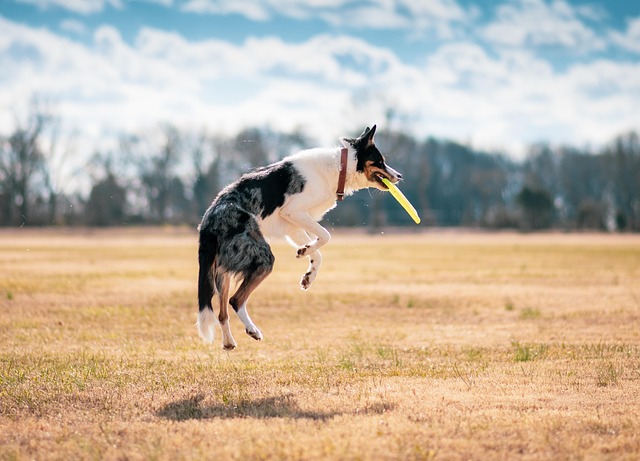
An Australian Shepherd’s need for exercise can’t be overstated. A simple walk around the block won’t suffice. Think long hikes, vigorous games of fetch, agility training, or participation in dog sports like flyball or frisbee. As of 2026, many owners find that incorporating a ‘job’ for their Aussie, even a simple one like finding hidden treats or learning new tricks, is essential for mental stimulation. Without this, bored Aussies can become anxious or destructive.
Mental challenges are as crucial as physical ones. Puzzle toys, scent work, and obedience training sessions can help keep their sharp minds engaged. For example, teaching an Aussie advanced commands or engaging them in scent discrimination games will tire them out mentally, contributing to a more settled dog. According to the American Kennel Club (AKC), breeds like the Australian Shepherd thrive when given tasks that challenge their natural abilities, making them excellent candidates for canine sports and even working roles.

Training Your Bright Aussie: Consistency is Key
Training an Australian Shepherd requires patience, consistency, and a positive reinforcement approach. Their intelligence means they grasp commands quickly, but their strong will and occasional stubbornness mean that a heavy-handed approach is counterproductive. Positive reinforcement, such as rewards for desired behaviours, works best. Early socialization is also vital; exposing young Aussies to various people, environments, sounds, and other animals from a few weeks old can help prevent fearfulness or aggression later in life.
A common mistake owners make is underestimating the need for consistent training throughout the dog’s life. Aussies don’t just learn tricks and then stop; they benefit from ongoing mental engagement. For instance, introducing new commands or practicing old ones daily, even for just 10–15 minutes, keeps their minds sharp and reinforces the bond between dog and owner. This ongoing training is what helps manage their herding instincts and ensures they become well-behaved companions.
Common Health Considerations for Aussies
Australian Shepherds are generally a strong breed, with an average lifespan of 12 to 15 years as of 2026. However, like all purebred dogs, they are predisposed to certain genetic health conditions. Responsible breeders screen their dogs for these issues. Common concerns include hip and elbow dysplasia, eye conditions such as progressive retinal atrophy (PRA) and cataracts, and epilepsy. Some Aussies can also be sensitive to certain medications, particularly ivermectin, due to a mutation in the multidrug resistance gene (MDR1).
Potential owners should always seek out reputable breeders who perform health testing on their breeding stock. According to the Orthopedic Foundation for Animals (OFA), hip and elbow evaluations are crucial for assessing the risk of joint problems. Choosing a breeder committed to genetic health screening not only increases the chances of a healthy puppy but also supports efforts to reduce the incidence of these hereditary conditions in the breed.

Keeping Your Aussie Looking and Feeling Their Best
The Australian Shepherd has a medium-length double coat that requires regular grooming to keep it healthy and manageable. Brushing several times a week, and daily during shedding seasons (typically spring and autumn), helps prevent mats and reduces shedding around the house. Regular nail trims, ear cleaning, and dental care are also part of their routine grooming needs. Their coat colour can vary widely, including blue merle, red merle, black, and red, often with white and/or tan markings.
When it comes to diet, Aussies need a high-quality dog food appropriate for their age, activity level, and size. Due to their high energy expenditure, they benefit from a diet formulated for active dogs. Monitoring their food intake is important, as they can be prone to weight gain if overfed or if their exercise is insufficient. Consulting with a veterinarian about the best food and portion sizes for your individual Australian Shepherd is always recommended, especially as dietary needs can change over time.
Is an Australian Shepherd the Right Dog for You?
The decision to bring an Australian Shepherd into your home should not be taken lightly. They are not ideal pets for sedentary individuals or families with very young children who may not understand how to interact with a high-energy herding dog. An Aussie thrives in an environment where they have a job to do, whether it’s herding livestock, participating in dog sports, or simply being an active companion on hikes and adventures. Their intelligence and energy make them rewarding companions for those prepared to meet their needs.
In real terms, prospective owners need to consider the time commitment for training, exercise, and socialization, which can easily be 1–2 hours daily, plus regular grooming. If you’re looking for a couch potato, this isn’t the breed for you. But if you seek an intelligent, active, and devoted partner for an adventurous lifestyle, the Australian Shepherd might just be your perfect match. As of July 2026, their popularity continues to soar, underscoring their appeal to the right kind of owner.
Avoiding Common Pitfalls with Australian Shepherds
One of the most frequent mistakes new owners make is underestimating the exercise needs of an Australian Shepherd. This often leads to behavioural problems like excessive barking, chewing, and destructiveness. The solution lies in providing structured daily exercise and mental stimulation. Another error is neglecting early socialization, which can result in a fearful or reactive dog. Introducing your Aussie puppy to a wide range of positive experiences before they are 16 weeks old is critical.
And, many owners find their Aussie’s strong herding instinct manifests as nipping. This is a natural behaviour but must be managed. Instead of punishing the dog, redirect the nipping towards appropriate chew toys or engage them in a game that channels their energy constructively. Teaching a solid ‘leave it’ command can also help redirect their attention away from unwanted behaviours.
Expert Advice for Aussie Owners
From my experience working with numerous breeds over the past 15 years, Australian Shepherds stand out for their drive. If you’re considering an Aussie, I always advise potential owners to think about their own lifestyle first. Are you someone who enjoys being outdoors, engaging in activities, and have the time for training? If the answer is a resounding ‘yes,’ then an Aussie could be a fantastic addition. If your days are mostly spent indoors or at a desk, you might find the demands of this breed overwhelming.
Worth noting is that while ‘Aussie’ is the common nickname, the breed is technically the Australian Shepherd. They were developed in the United States, a fact often confused. For those seeking a dedicated companion for activities like hiking, camping, or even competitive dog sports, the Australian Shepherd is an unparalleled choice. Their intelligence and eagerness to please make them highly trainable for a variety of tasks, from advanced obedience to agility courses.
Frequently Asked Questions
Are Australian Shepherds good family dogs?
Yes, Australian Shepherds can be excellent family dogs if they receive adequate exercise, training, and socialization. Their loyalty and intelligence make them devoted companions, but their strong herding instincts and high energy levels mean they need active families who can manage their needs.
How much exercise does an Australian Shepherd need daily?
An Australian Shepherd requires at least 60 to 120 minutes of vigorous exercise per day. This should include physical activities like running, fetch, or hiking, as well as mental stimulation through training or puzzle toys to prevent boredom and destructive behaviours.
What are the common health issues for Australian Shepherds?
Common health concerns include hip and elbow dysplasia, eye conditions like progressive retinal atrophy (PRA) and cataracts, and epilepsy. Some Aussies also have a sensitivity to certain medications due to the MDR1 gene mutation.
Can an Australian Shepherd live in an apartment?
While not impossible, an Australian Shepherd is generally not suited for apartment living due to their high energy and need for space. They require a yard and significant daily outdoor activity. Living in an apartment would demand an extraordinary commitment to exercise outside the home.
How intelligent are Australian Shepherds?
Australian Shepherds are considered one of the most intelligent dog breeds. They learn commands very quickly, often excelling in obedience and dog sports. This high intelligence also means they need constant mental engagement to prevent boredom and behavioural issues.
What is the average lifespan of an Australian Shepherd?
The average lifespan for an Australian Shepherd is typically between 12 to 15 years, provided they receive proper care, nutrition, and regular veterinary attention throughout their lives.
A Rewarding Companion for the Active Owner
The Australian Shepherd is a remarkable breed, offering incredible companionship, intelligence, and versatility. They are not simply pets; they are active partners ready for adventure. For those willing to invest the time and energy into training, exercise, and socialization, an Aussie will reward them with unwavering loyalty and a deeply engaging presence. If you’re prepared for the commitment, this energetic, intelligent dog might just be the perfect addition to your life in 2026 and beyond.
Information current as of July 2026; pricing and product details may change.
Source: Britannica
Editorial Note: This article was researched and written by the Pet Magazine editorial team. We fact-check our content and update it regularly. For questions or corrections, contact us.
Related read: Can Dogs Eat Olive Oil Safely in 2026? A Vet-Approved Guide
Related read: Homemade Dog Food Recipes Vet Approved: A 2026 Guide
Related read: Weimarrott: Understanding the Breed's Needs and Common Pitfalls 2026.