Understanding the Pitweiler: A Hybrid Breed Profile
The allure of a Pitbull Rottweiler cross, affectionately dubbed the ‘Pitweiler’, lies in its potent combination of two formidable and beloved breeds. This hybrid is a testament to the growing popularity of designer dogs, blending the distinctive characteristics of the American Pit Bull Terrier and the Rottweiler. As of May 2026, prospective owners are increasingly drawn to this mix for its potential for loyalty, strength, and a protective nature, but understanding its nuanced temperament and specific needs is paramount.
Last updated: May 30, 2026
This blend is not for the faint of heart or the inexperienced. It requires a committed owner who can provide consistent leadership, early socialisation, and a structured environment. For those willing to invest the time and effort, the Pitweiler can become a devoted and capable companion. This complete guide aims to equip you with the knowledge needed to make an informed decision about welcoming a Pitweiler into your life.
Key Takeaways
- The Pitbull Rottweiler cross (Pitweiler) is a strong, loyal, and protective hybrid breed.
- Early and consistent socialisation is crucial for managing their inherent protective instincts.
- They require experienced owners who can provide firm, consistent leadership and training.
- Potential health concerns include hip dysplasia, heart conditions, and bloat, mirroring their parent breeds.
- Adequate physical exercise and mental stimulation are essential to prevent destructive behaviour.
Origins and Genetics: What Makes a Pitweiler?
The Pitweiler is a relatively new designer dog breed, resulting from the intentional crossbreeding of an American Pit Bull Terrier and a Rottweiler. Both parent breeds are known for their strength, courage, and historical roles as working dogs, often in guarding capacities. The Pit Bull lineage can trace back to bull-and-terrier types used for fighting and later as farm dogs and companions, while the Rottweiler’s ancestry lies with Roman drover dogs, used for herding and guarding livestock. This genetic heritage imbues the Pitweiler with a powerful build and a natural inclination towards protection.
Understanding hybrid vigour, also known as heterosis, is key when discussing crossbreeds. In theory, mixing two distinct gene pools can lead to healthier offspring than those with a higher incidence of inherited conditions seen in purebreds. However, this is not guaranteed.
A Pitweiler can inherit the best traits from both sides, or unfortunately, the predisposition to the health issues common in either the Pitbull or the Rottweiler. Responsible breeding practices aim to mitigate these risks by carefully selecting parent dogs free from known genetic ailments. According to the American Kennel Club (AKC) – though not officially recognising this crossbreed – responsible breeding principles emphasise health testing of the parent stock for conditions like hip dysplasia and cardiac issues, a practice essential for any hybrid breed.
Temperament and Behaviour: The Best of Both Worlds?
The temperament of a Pitbull Rottweiler cross is a complex tapestry woven from the threads of both parent breeds. Generally, Pitweilers are perceived as intensely loyal, courageous, and protective. They often form deep bonds with their families and can be exceptionally devoted companions.
Their inherent guarding instincts mean they are naturally wary of strangers and can be possessive of their family and territory. This protective streak, when not properly managed through socialisation and training, can manifest as suspicion or aggression towards unfamiliar people or animals.
When socialised from a young age, they can be good with children in their own family, provided supervision and respectful interaction are maintained. However, their strength and potential for boisterous play mean they are better suited to homes with older, considerate children. They typically possess a strong prey drive due to both parent breeds’ history, meaning they may not be suitable for homes with small pets like cats or smaller animals unless introduced carefully and consistently supervised from puppyhood.
Early and ongoing socialisation is not merely recommended; it’s critical. Exposing a Pitweiler puppy to a wide variety of sights, sounds, people, and other well-behaved dogs in a positive manner can help shape a well-adjusted adult dog. Without it, they may develop fear-based aggression or an overdeveloped territoriality, as noted by the ASPCA’s guidelines on canine behaviour modification which stress the importance of early life experiences.
Worth noting, the intensity of these traits can vary significantly. Some Pitweilers lean more towards the affectionate, eager-to-please nature of some Pitbull lines, while others exhibit the more stoic, confident demeanour of the Rottweiler. A well-bred Pitweiler from health-tested parents and raised in a stable environment is more likely to have a balanced temperament.
Physical Characteristics: Size and Appearance
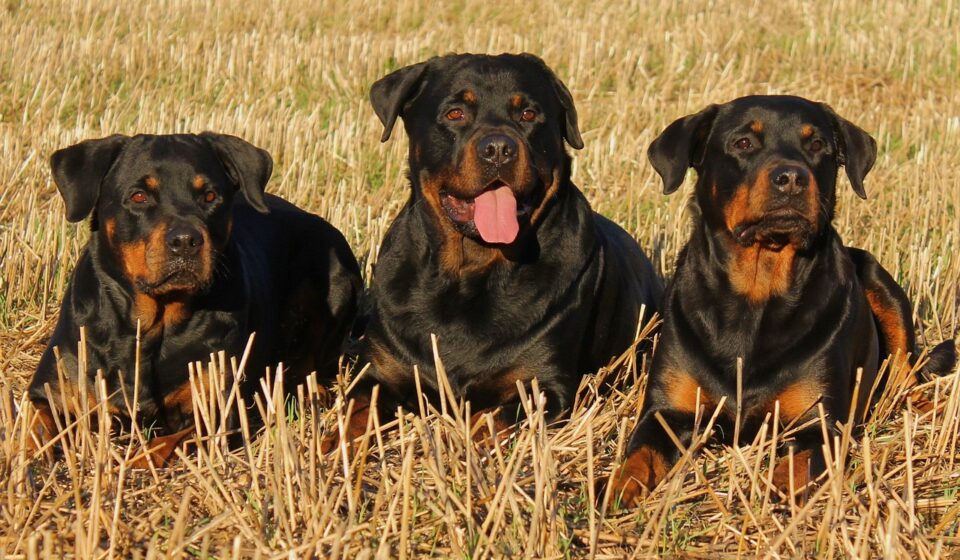
Visually, the Pitbull Rottweiler cross is an imposing and strong dog. They typically inherit a powerful, muscular build, a wide head, and a strong jawline. The size can vary considerably depending on which parent breed’s genes are more dominant.
Males generally stand between 24 to 27 inches (61-69 cm) at the shoulder and can weigh anywhere from 70 to 130 pounds (32-59 kg), with females being slightly smaller and lighter. This substantial size means they require ample space and a home that can accommodate their physical presence.
Their coat is usually short, dense, and somewhat coarse, requiring minimal grooming. Common colours include black, tan, brown, fawn, and brindle, often with distinct markings, particularly on the face, chest, and legs, reminiscent of the Rottweiler’s classic saddle pattern or the Pitbull’s varied markings. Ears can be cropped or uncropped, and tails are typically medium length, though they can sometimes be docked (where legally permitted).
The overall impression is one of strength, power, and athleticism. A typical Pitweiler puppy at 8 weeks might weigh between 20-30 pounds, showing early signs of their significant growth potential.
Training and Socialisation: Essential for Success
Training a Pitbull Rottweiler cross is non-negotiable and requires a firm, consistent, and knowledgeable approach. These dogs are intelligent but can also be strong-willed, meaning they need a leader who can establish clear boundaries and expectations from day one. Positive reinforcement methods, using rewards like treats, praise, and play, are highly effective. Harsh or punitive training methods can backfire, potentially leading to fear, anxiety, and increased aggression, undermining any efforts to build trust.
The cornerstone of successful Pitweiler ownership is early and complete socialisation. Starting between 7 to 16 weeks of age, puppies should be exposed to a wide range of positive experiences. This includes meeting different breeds of dogs (under controlled conditions), interacting with people of various ages and appearances, visiting new environments, and experiencing different sounds and textures.
Enrolling in a well-run puppy socialisation class is highly recommended. According to veterinary behaviourists cited by the American Veterinary Medical Association (AVMA), socialisation during this critical period is vital for developing a well-adjusted dog, significantly reducing the likelihood of future behavioural problems.
Key training commands such as ‘sit’, ‘stay’, ‘come’, and ‘leave it’ should be taught and reinforced regularly. Leash training is also paramount, given their strength. A Pitweiler that pulls on the lead can be difficult to control.
Consistent practice and using appropriate training aids, like a front-clip harness, can help manage their pulling tendencies. The goal is to raise a confident, well-mannered dog that can navigate various social situations safely and appropriately.
Exercise Needs: Keeping a Pitweiler Happy and Healthy
Pitbull Rottweiler crosses are high-energy dogs that require significant daily physical and mental stimulation. A Pitweiler that doesn’t receive adequate exercise is more prone to developing destructive behaviours, such as chewing furniture, excessive barking, or digging. Their energy levels demand more than just a short walk around the block. Aim for at least 60 to 90 minutes of vigorous activity per day, split into two or more sessions.
Physical exercise can include brisk walks, jogging, hiking, or playing fetch in a secure, fenced area. Given their intelligence and strength, they also benefit from engaging activities that challenge their minds. Puzzle toys, interactive games like ‘find the treat’, and scent work can provide crucial mental stimulation.
Training sessions, even short ones, also serve as mental workouts. For owners who enjoy dog sports, activities like agility, obedience trials, or even protection sports (when conducted responsibly and ethically) can be excellent outlets for a Pitweiler’s energy and drive. The Pet Professional Guild also advocates for mentally stimulating activities for all dogs, especially those with high intelligence and energy, to prevent boredom and associated behavioural issues.
A common mistake is underestimating the exercise needs of a strong breed mix. For example, a sedentary lifestyle could lead to weight gain, which exacerbates potential joint problems like hip dysplasia. A typical Pitweiler may need to burn off approximately 1,000 to 1,500 calories per day through activity, depending on age, metabolism, and activity level, similar to their parent breeds.
Diet and Nutrition: Fueling a Strong Dog
Proper nutrition is fundamental for maintaining the health and vitality of a Pitbull Rottweiler cross. These dogs are typically large and muscular, requiring a diet rich in high-quality protein to support muscle mass and energy levels. A diet formulated for large breeds is often recommended, as it can help manage growth rates in puppies and provide the necessary nutrients for adult dogs.
When selecting a dog food, look for brands that list a specific meat source (like chicken, beef, lamb, or fish) as the first ingredient. Avoid foods with excessive fillers, artificial colours, or preservatives. The Association of American Feed Control Officials (AAFCO) provides guidelines for complete and balanced nutrition for dogs at different life stages (puppy, adult, senior).
It’s advisable to choose a food that meets AAFCO standards for your Pitweiler’s life stage. For adult Pitweilers, a daily food intake of approximately 2 to 4 cups of high-quality kibble is a general guideline, though this can vary significantly based on the food’s calorie density, the dog’s metabolism, and activity level. Always consult with your veterinarian for personalised dietary recommendations.
Owners should be mindful of the risk of bloat (Gastric Dilatation-Volvulus or GDV), a life-threatening condition common in deep-chested breeds like Rottweilers. To help mitigate this risk, consider feeding smaller, more frequent meals (2-3 per day) rather than one large meal. Avoid strenuous exercise for at least an hour before and after feeding. Raised food bowls are sometimes recommended, though scientific evidence on their effectiveness for preventing bloat is mixed, with some studies suggesting they may even increase the risk in certain dogs.
Health Considerations: Common Pitweiler Ailments
Like all breeds, and particularly crossbreeds, Pitbull Rottweiler crosses are susceptible to certain health conditions inherited from their parent breeds. Responsible breeders will conduct health screenings on their breeding stock to minimise the risk of passing on genetic predispositions. As of May 2026, common health concerns for Pitweilers include:
- Hip and Elbow Dysplasia: Both Pitbulls and Rottweilers are prone to these developmental joint disorders, which can lead to arthritis and lameness. Early diagnosis and management through diet, exercise, and sometimes surgery or medication are crucial.
- Cardiac Conditions: Rottweilers, in particular, can be predisposed to certain heart issues, such as subaortic stenosis (SAS). Regular veterinary check-ups, including listening for heart murmurs, are important.
- Bloat (GDV): As mentioned, this is a critical emergency condition common in deep-chested breeds. Prompt veterinary attention is vital if you suspect bloat.
- Eye Conditions: Some Pitbull lines can be prone to progressive retinal atrophy (PRA) or cataracts.
- Allergies: Skin allergies, manifesting as itching, redness, and ear infections, can occur, often triggered by environmental factors or food sensitivities.
- Cancer: Certain cancers, such as lymphoma or osteosarcoma, can affect both parent breeds.
The average lifespan for a Pitweiler is typically between 10 to 12 years, though this can vary based on genetics, diet, exercise, and overall health care. Regular veterinary check-ups, vaccinations, parasite control, and prompt attention to any signs of illness are the best ways to ensure your Pitweiler lives a long, healthy life. According to the Companion Animal Parasite Council (CAPC), maintaining year-round parasite prevention is essential for all dogs, including hybrids like the Pitweiler.
Living with a Pitweiler: Home Environment and Family Life
A Pitbull Rottweiler cross thrives in a stable, predictable home environment with experienced owners who can provide consistent leadership. They are not ideal for first-time dog owners or those who can’t commit to rigorous training and socialisation. Their powerful build and protective nature mean they need a secure, fenced yard to exercise safely. Leaving them unsupervised for extended periods is not recommended, as boredom or anxiety can lead to destructive behaviours.
When it comes to family life, a well-raised Pitweiler can be a devoted and loving member. However, their size and strength necessitate careful supervision around very young children. Teaching children how to interact respectfully with any dog, especially a powerful one, is crucial. This includes understanding canine body language and respecting the dog’s space when it’s eating or sleeping.
For households with existing pets, introducing a Pitweiler requires patience and careful management. Gradual introductions, positive reinforcement, and ensuring each pet has its own space and resources can help foster peaceful coexistence. A Pitweiler may see smaller pets as prey if not properly socialised from a young age.
These dogs generally don’t do well in small apartments or homes without adequate outdoor space unless their exercise needs are rigorously met. Their potential for vocalisation (barking) might also be a consideration for close neighbours. A secure, loving home that understands and can meet their specific needs is paramount for a Pitweiler’s well-being.
Finding a Pitweiler: Adoption and Responsible Breeding
Acquiring a Pitbull Rottweiler cross requires careful consideration of both adoption and responsible breeding. Many Pitweilers, along with their parent breeds, end up in shelters or rescue organisations due to owners not being prepared for their demanding nature. Adopting from a reputable rescue group can provide a second chance for a deserving dog and often includes health checks and behavioural assessments.
Organisations dedicated to Pitbull-type dogs or Rottweiler rescues may occasionally have Pitweiler mixes available. As of May 2026, adoption fees typically range from £150 to £400, often covering initial vaccinations, spaying/neutering, and microchipping.
If you choose to purchase a puppy from a breeder, it’s imperative to find a responsible one. Avoid backyard breeders or those who breed without proper health testing. A good breeder will:
- Be knowledgeable about the breeds and the cross.
- Allow you to meet the puppy’s mother (and ideally father, if on-site).
- Provide health clearances for the parent dogs, especially for hip dysplasia and cardiac conditions.
- Be transparent about any potential health issues.
- Offer a health guarantee.
- Be willing to answer all your questions and may ask you questions to ensure you are a suitable owner.
Reputable breeders often belong to breed clubs or associations and may have waiting lists for their puppies. The cost of a well-bred Pitweiler puppy from a responsible breeder can range from £800 to £2,500 or more, reflecting the care, health testing, and socialisation involved. Be wary of prices that seem unusually low, as this often indicates poor breeding practices.
Pitweiler vs. Other Breeds: A Comparative Look
When considering a Pitbull Rottweiler cross, it’s useful to compare them to other popular large or guardian breeds. Compared to a purebred Rottweiler, a Pitweiler might be slightly more agile and energetic, depending on the dominant genes. They may also be more prone to the specific health issues associated with Pitbulls. Their protective instincts are generally comparable, requiring similar levels of training and socialisation.
Against a purebred Pitbull, the Pitweiler is typically larger and more powerfully built, with a potentially stronger prey drive inherited from the Rottweiler side. While both breeds are intelligent and can be loyal, the Rottweiler’s influence might lend the Pitweiler a more serious and less overtly playful demeanour in some instances. Both require significant commitment to training and socialisation, but the Pitweiler’s sheer size can make management of any behavioural issues more critical.
When compared to a German Shepherd, another popular guardian breed, Pitweilers are often perceived as having a more intense protective focus and a potentially higher need for physical exertion. German Shepherds are known for their versatility in roles like police work and service animals, often displaying a more readily adaptable temperament. While a Pitweiler can also be trained for various roles, their raw power and guarding drive might necessitate a more specialised training approach. Ultimately, all these breeds demand experienced handling, consistent training, and early socialisation to ensure they become well-adjusted companions.
| Breed | Typical Size (Weight) | Temperament Focus | Exercise Needs | Training Intensity | Lifespan (Years) |
|---|---|---|---|---|---|
| Pitbull Rottweiler Cross (Pitweiler) | 70-130 lbs (32-59 kg) | Loyal, Protective, Strong-willed | High (60-90+ min/day) | High (experienced owner essential) | 10-12 |
| Rottweiler | 80-135 lbs (36-61 kg) | Confident, Calm, Dutiful, Protective | Moderate-High (60+ min/day) | High (experienced owner essential) | 9-10 |
| American Pit Bull Terrier | 30-65 lbs (14-30 kg) | Confident, Spirited, Affectionate, Tenacious | High (60-90+ min/day) | Moderate-High (consistent training) | 12-16 |
| German Shepherd | 50-90 lbs (23-41 kg) | Intelligent, Courageous, Loyal, Versatile | High (90+ min/day) | High (experienced owner recommended) | 7-10 |
Common Mistakes and How to Avoid Them
Several common pitfalls can lead to challenges when owning a Pitbull Rottweiler cross. One of the most significant is underestimating their strength and the necessity of early, consistent socialisation. Many owners assume their dog will naturally be good with everyone, but without exposure to various people, places, and other animals from a young age, their protective instincts can become unmanageable. To avoid this, commit to a complete socialisation plan from the moment you bring your puppy home.
Another mistake is inconsistent training. These dogs thrive on clear rules and boundaries. If training is sporadic, or if different family members enforce different rules, the dog can become confused and test limits.
This can lead to dominance issues or a lack of respect for commands. Maintaining consistency across all household members is key. Similarly, failing to provide sufficient physical and mental exercise is a recipe for disaster.
A bored, under-stimulated Pitweiler is a destructive Pitweiler. Ensure daily exercise and mental challenges are part of their routine.
Finally, some owners are unprepared for the sheer size and power of a mature Pitweiler. They may overestimate their ability to handle such a dog, especially if previous dog ownership experience has been with smaller or less intense breeds. It’s vital to research thoroughly and honestly assess your capacity to provide the necessary leadership, training, and lifestyle before bringing one home. For example, a family that travels frequently or has a very unpredictable schedule might find managing a Pitweiler’s needs challenging compared to a more adaptable breed.
Tips for Raising a Well-Adjusted Pitweiler
Raising a well-adjusted Pitweiler is a rewarding endeavour, but it requires dedication. Here are some expert tips to foster a balanced canine companion:
- Start early with training: Begin basic obedience training as soon as your puppy is settled into your home. Focus on positive reinforcement and make training sessions short, fun, and frequent.
- Prioritise socialisation: Expose your puppy to a wide variety of positive social interactions. Puppy classes are invaluable for controlled socialisation and learning basic manners around other dogs.
- Be a consistent leader: Establish clear rules and stick to them. Your Pitweiler needs to understand what is expected. This doesn’t mean being harsh, but firm and fair.
- Provide mental stimulation: Beyond physical exercise, engage their minds with puzzle toys, scent games, or learning new tricks. A mentally tired dog is less likely to be a destructive dog.
- Understand their needs: Research the parent breeds thoroughly. Understand their potential behavioural traits and health predispositions.
- Secure your home: Ensure your fencing is strong and high enough to contain a strong, potentially agile dog.
- Use appropriate gear: Invest in a sturdy leash, collar, or harness that provides good control without causing harm. A front-clip harness can be very effective for leash training.
It’s also crucial to be an advocate for your breed. Unfortunately, Pit Bulls and Rottweilers often face negative stereotypes. As a responsible owner, your commitment to training, socialisation, and proper management helps to showcase the breed’s positive potential. According to the American Temperament Test Society (ATTS), many Pit Bull type dogs perform well on temperament tests when properly socialised, dispelling some myths about inherent aggression.
Frequently Asked Questions About Pitbull Rottweiler Crosses
Are Pitbull Rottweiler crosses good with children?
With proper socialisation from puppyhood and consistent supervision, a Pitweiler can be good with children. However, their size and strength mean interactions should always be supervised, especially with younger children. Teaching children respectful behaviour around dogs is paramount.
Are Pitweiler dogs aggressive?
Like any dog, aggression is not solely determined by breed but by genetics, socialisation, training, and environment. Pitweilers have strong protective instincts, which can be mistaken for aggression. Early socialisation and consistent, positive training are key to managing these instincts and fostering a well-behaved dog.
What is the average lifespan of a Pitweiler?
The typical lifespan for a Pitbull Rottweiler cross is between 10 to 12 years. This can be influenced by genetics, diet, exercise, and the quality of veterinary care they receive throughout their lives.
How much exercise does a Pitweiler need daily?
Pitweilers are energetic dogs and require a significant amount of exercise. Aim for at least 60 to 90 minutes of vigorous physical activity per day, along with ample mental stimulation, to keep them happy and healthy.
What health problems are common in Pitbull Rottweiler crosses?
Common health issues include hip and elbow dysplasia, cardiac conditions, bloat (GDV), eye problems, and skin allergies. Responsible breeders screen their parent dogs for these conditions to reduce the risk in puppies.
Are Pitweilers easy to train?
They are intelligent but can be strong-willed, making them best suited for experienced owners. Consistent, positive reinforcement training methods are crucial for success. They require a firm and fair leader.
Information current as of May 2026; pricing and product details may change.
Editorial Note: This article was researched and written by the Pet Magazine editorial team. We fact-check our content and update it regularly. For questions or corrections, contact us.
Related read: The Best Dog Shampoo for a Healthy Coat in 2026
Related read: Finding a Reputable Xoloitzcuintli Dog Breeder in 2026
Related read: Australian Shepherd: Your 2026 Guide to This Energetic Breed.