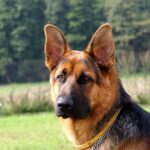
Pit bull mixed with a rottweiler: The Appeal of the Pit Bull Rottweiler Mix
When considering a canine companion, the allure of a dog that blends the strong presence of a Rottweiler with the tenacious spirit of a Pit Bull Terrier is undeniable for some. This powerful hybrid, often affectionately dubbed the ‘Pitweiler,’ represents a significant commitment. As of May 2026, understanding the potential characteristics of a pit bull mixed with a rottweiler is crucial for prospective owners who seek a loyal, capable, and well-adjusted family member.
Last updated: May 30, 2026
The appeal of mixed-breed dogs lies in the unpredictable yet often fascinating fusion of traits. The Pitweiler is no exception, drawing from two breeds known for their strength, loyalty, and protective instincts. This article delves into what prospective owners can realistically expect from this impressive crossbreed, covering everything from temperament and training to health considerations and daily care requirements.
Key Takeaways
- The Pit Bull Rottweiler mix, or ‘Pitweiler,’ is a strong, loyal, and protective breed that requires experienced ownership and consistent training.
- Temperament can be a blend of both parent breeds, necessitating early socialisation and firm, fair guidance.
- Potential health concerns include hip dysplasia, bloat, and heart conditions, common in both parent breeds.
- Adequate exercise, a balanced diet, and mental stimulation are vital for managing their energy and preventing behavioural issues.
- Prospective owners must be prepared for a significant time commitment, financial responsibility, and the need for a secure environment.
Understanding the Parent Breeds: A Tale of Two Dogs
To truly grasp the potential of a pit bull mixed with a rottweiler, one must first appreciate the distinct legacies of its parent breeds. The American Pit Bull Terrier, while often misunderstood, is known for its courage, tenacity, and deep affection for its family. Historically bred for fighting, their modern reputation is shifting towards that of devoted companions when properly raised. They are intelligent, eager to please, and can be playful and energetic.
Conversely, the Rottweiler is a breed with ancient roots, originally used for herding and later as guard dogs and police animals. They are recognised for their calm confidence, courage, and unwavering loyalty. Rottweilers possess a natural guarding instinct and can be reserved with strangers, though they are typically gentle and affectionate with their families. Their strength and imposing stature demand respect and knowledgeable handling.
The combination of these two breeds creates a dog with the potential for immense loyalty, courage, and a strong protective streak. However, the unpredictability of genetic inheritance means that a Pitweiler could lean more towards the terrier’s exuberance or the Rottweiler’s stoicism, or present a unique blend of both. This variability is a key factor for anyone considering this particular mix.

Temperament and Behaviour: What to Expect from a Pitweiler
The temperament of a pit bull mixed with a rottweiler is perhaps the most significant consideration for potential owners. Due to the inherent unpredictability of hybrid genetics, a Pitweiler’s personality can be a fascinating, and sometimes challenging, mosaic of its parent breeds. Early and consistent socialisation is absolutely paramount. From a young age, puppies need exposure to a wide variety of people, sounds, environments, and other well-behaved animals.
A well-socialised Pitweiler is likely to be a confident, devoted, and affectionate companion. They often form strong bonds with their families and can be particularly good with children if raised alongside them and taught appropriate interaction. However, their protective instincts, inherited from both Pit Bulls and Rottweilers, mean they may be naturally wary of strangers. This requires careful management and continued socialisation to ensure they are not overly suspicious or territorial.
Given the inherent strength and potential for a strong will in both parent breeds, early obedience training is not just recommended; it’s essential. A Pitweiler needs a leader who can provide clear boundaries, consistent rules, and positive reinforcement. Without this, their inherent intelligence and strength could lead to behavioural issues such as destructiveness, excessive barking, or dominance challenges. The American Kennel Club (AKC) categorises Rottweilers as breeds that require firm, consistent, and fair training due to their intelligence and power. While Pit Bulls are not AKC recognised, their reputation for tenacity suggests a similar need for structured guidance.
Training and Socialisation Strategies for Your Pitweiler
Successfully integrating a pit bull mixed with a rottweiler into your life hinges on a strong approach to training and socialisation. Beginning as early as possible, ideally from eight weeks of age, is key. Puppy socialisation classes are invaluable, providing a safe environment for young dogs to interact with others and learn canine social cues under supervision.
Positive reinforcement methods are highly effective for this mix. This involves rewarding desired behaviours with praise, treats, or play. Avoid harsh corrections, as these can lead to fear-based aggression or a breakdown in trust, which is particularly detrimental with strong breeds. Owners should focus on teaching basic commands like ‘sit,’ ‘stay,’ ‘come,’ and ‘leave it.’ Advanced training, such as advanced obedience or even dog sports like agility or protection work (if responsibly pursued and with expert guidance), can provide excellent mental and physical outlets for their energy and intelligence.
For socialisation, think beyond just meeting other dogs. Expose your Pitweiler to different sights and sounds – traffic, vacuum cleaners, children playing, people wearing hats or carrying umbrellas. Gradual introductions to new people in controlled settings, such as inviting friends over, help them learn that new faces are not a threat. A common mistake is to assume a dog will ‘grow out of’ shyness or fear; this is rarely the case and often leads to ingrained behavioural problems. According to the RSPCA, early and positive exposure is critical for developing a well-adjusted dog, particularly for breeds with guarding predispositions.

Physical Characteristics: Size and Appearance
The physical appearance of a pit bull mixed with a rottweiler can vary significantly, reflecting the diverse traits of its parent breeds. Generally, you can expect a medium-to-large sized dog with a muscular, solid build. Their heads are typically broad, with strong jaws. The muzzle might be shorter and broader, leaning towards the Rottweiler, or slightly longer and more defined, as seen in some Pit Bulls.
Their coat is usually short, dense, and somewhat coarse to the touch. Common coat colours include black, brown, fawn, or a combination, often with distinctive markings. Rottweilers typically have black coats with rich tan or mahogany markings on their cheeks, muzzle, chest, legs, and above their eyes. Pit Bulls can come in a wider array of colours and patterns, including brindle, blue, and red. A Pitweiler might inherit the Rottweiler’s classic markings or display a more varied Pit Bull colouration.
In terms of size, male Pitweilers can stand between 22 to 27 inches at the shoulder and weigh anywhere from 60 to 100 pounds (approximately 27 to 45 kg). Females are typically a bit smaller. The exact size will depend on which parent breed’s genetics are more dominant, as well as diet and overall health. Their powerful physique means they require adequate space and are not typically suited for small apartment living without significant daily exercise commitments.
Health and Lifespan: Potential Concerns
Like all breeds, and especially mixed breeds, the pit bull mixed with a rottweiler is susceptible to certain health conditions inherited from its parent breeds. Responsible breeders will screen their dogs for common genetic issues. Prospective owners should inquire about health clearances for the parents, particularly for conditions like hip and elbow dysplasia, which are prevalent in Rottweilers and can affect larger breeds.
Bloat (Gastric Dilatation-Volvulus or GDV) is another serious concern, particularly common in deep-chested breeds like Rottweilers. This is a life-threatening condition where the stomach fills with gas and can twist. Owners should be aware of the symptoms and may consider preventative gastropexy surgery. Heart conditions, such as subaortic stenosis, have also been noted in both Pit Bulls and Rottweilers. Eye conditions and certain cancers can also occur.
The average lifespan for a pit bull mixed with a rottweiler is generally between 8 to 12 years. This can be influenced by genetics, diet, exercise, and overall veterinary care. Regular veterinary check-ups, vaccinations, and prompt attention to any health issues are crucial for ensuring your Pitweiler lives a long and healthy life. As of 2026, advancements in veterinary diagnostics and treatment continue to improve outcomes for many common canine ailments.
Exercise and Dietary Needs
The energy levels of a pit bull mixed with a rottweiler are substantial, stemming from the strong nature of both parent breeds. Daily exercise is not a suggestion but a necessity for a well-adjusted Pitweiler. Expect to provide at least 60 to 90 minutes of vigorous activity each day. This could include brisk walks, jogging, playing fetch in a securely fenced yard, or engaging in dog sports.
Mental stimulation is just as important as physical exercise. Without it, intelligent and energetic dogs like the Pitweiler can become bored, leading to destructive behaviours. Puzzle toys, training sessions, and interactive games can help keep their minds engaged. A lack of adequate exercise and mental enrichment is a primary reason why powerful breeds can develop problem behaviours, such as digging or excessive chewing.
Diet for a Pitweiler should consist of high-quality dog food formulated for large breeds. The specific needs will vary based on age, activity level, and metabolism. It’s important to avoid overfeeding, as obesity can exacerbate joint problems common in these breeds. Feeding twice a day is generally recommended, with portions adjusted according to the dog’s needs. Consult your veterinarian for personalised dietary recommendations, as they can assess your dog’s individual health status.

Finding a Reputable Breeder or Rescue
If you are set on acquiring a pit bull mixed with a rottweiler, finding a responsible source is paramount. Many shelters and rescue organisations have mixed-breed dogs, and you may find a Pitweiler or a similar mix available for adoption. Adopting from a rescue is a rewarding way to give a dog a second chance at a loving home. Many rescue organisations provide health checks, initial vaccinations, and behavioural assessments, giving you a good overview of the dog’s needs.
If you choose to work with a breeder, thorough research is essential. A reputable breeder will be knowledgeable about the breed, transparent about health testing, and willing to answer all your questions. They should provide health clearances for the parent dogs (e.g., OFA certifications for hips and elbows, cardiac clearances) and allow you to visit their facility to see the puppies and their mother in a clean, safe environment. They should also be invested in the future of their puppies, often offering a return policy if you can no longer care for the dog.
Be wary of breeders who can’t provide health clearances, seem evasive, or have multiple breeds for sale. Backyard breeders or puppy mills are often motivated by profit rather than the well-being of the dogs, and their animals may come with significant health and behavioural issues. The cost of a Pitweiler puppy from a reputable breeder can range from £800 to £1,500, depending on lineage, location, and breeder reputation. This price reflects the significant investment in health testing and responsible care.
Pros and Cons of Owning a Pitweiler
Owning a pit bull mixed with a rottweiler can be an incredibly rewarding experience, but it’s crucial to go into it with open eyes. Understanding both the advantages and disadvantages will help you determine if this breed is the right fit for your lifestyle.
Pros:
- Loyalty and Devotion: Pitweilers are known for forming incredibly strong bonds with their families, offering unwavering loyalty and affection.
- Protective Nature: Their inherent guarding instincts can make them excellent watchdogs and protectors, providing a sense of security.
- Intelligent and Trainable: With consistent, positive training, they are intelligent dogs capable of learning a wide range of commands and tasks.
- Active Companions: For active individuals or families, a Pitweiler can be an enthusiastic partner for outdoor adventures.
- Impressive Presence: Their strong build and confident demeanour can be a significant draw for those who appreciate powerful dogs.
Cons:
- High Exercise Needs: They require significant daily physical and mental stimulation, which can be demanding for less active households.
- Potential for Dominance: Without proper training and socialisation, their strength and potential for a strong will can lead to dominance issues.
- Reserved with Strangers: Their protective instincts may make them wary or suspicious of unfamiliar people, requiring careful introductions.
- Health Concerns: They are prone to certain genetic health issues common in both parent breeds, requiring diligent veterinary care and potential significant costs.
- Misunderstanding from Others: Due to the reputation of both parent breeds, Pitweilers can sometimes face prejudice or fear from the public, requiring owners to be vigilant and responsible ambassadors for their dogs.
Common Pitweiler Ownership Mistakes to Avoid
Many owners fall in love with the impressive appearance and perceived loyalty of the pit bull mixed with a rottweiler, but overlook the significant responsibilities involved. One of the most common mistakes is underestimating their exercise and mental stimulation needs. A bored Pitweiler is an unhappy and potentially destructive dog. Owners might assume a large dog can simply ‘be’ in a yard, but without structured activity, they can become anxious.
Another frequent error is inconsistent training or a lack of early socialisation. Both Pit Bulls and Rottweilers can be strong-willed, and failing to establish clear leadership from puppyhood can result in a dog that’s difficult to manage. This is not about dominance in a punitive sense, but about consistent boundaries and positive guidance. For instance, allowing a puppy to jump on guests without correction can escalate into more problematic behaviours later.
Finally, owners sometimes fail to anticipate the breed’s potential protective instincts. While this is a desirable trait for many, it requires careful management. Not socialising them adequately means they may react fearfully or aggressively to strangers or new situations. As noted by the ASPCA, responsible ownership involves understanding a breed’s natural predispositions and actively working to shape their behaviour through training and socialisation, rather than expecting them to simply adapt without effort.
Expert Tips for Pitweiler Success
To ensure a harmonious life with your pit bull mixed with a rottweiler, focus on building a strong foundation of trust and understanding. Prioritise early and ongoing socialisation. This means not just meeting other dogs, but also experiencing different environments and people in a positive way. For example, taking your puppy to pet-friendly stores or cafes (once vaccinated) can be highly beneficial.
Invest in professional training, especially if you are a first-time owner of a powerful breed. A certified professional dog trainer can provide invaluable guidance on positive reinforcement techniques and help address any emerging behavioural concerns. Look for trainers who use humane, science-based methods. Many trainers recommend continuing education for the dog and owner throughout their lives, as canine behaviour and training techniques evolve.
Be a responsible ambassador for your breed. Because Pit Bulls and Rottweilers can sometimes face negative public perception, it’s crucial that your Pitweiler is impeccably behaved in public. This means maintaining control on a leash, ensuring they are well-mannered around others, and educating people about the importance of responsible ownership. A well-trained and well-socialised Pitweiler can defy stereotypes and be a cherished member of the family.

Frequently Asked Questions
Are pit bull Rottweiler mixes aggressive?
While both parent breeds have a reputation for strength, a pit bull mixed with a rottweiler is not inherently aggressive. Aggression is more often a result of poor socialisation, inconsistent training, lack of exercise, or fear. With proper upbringing, they can be gentle and loyal companions.
How much exercise does a Pitweiler need daily?
A Pitweiler typically requires at least 60 to 90 minutes of vigorous exercise per day. This should include a mix of physical activity like brisk walks or runs, and mental stimulation through training or puzzle toys to prevent boredom.
What is the average lifespan of a pit bull Rottweiler mix?
The average lifespan for a pit bull mixed with a rottweiler is generally between 8 to 12 years. This can be influenced by genetics, diet, lifestyle, and the quality of veterinary care they receive throughout their lives.
Are Pitbull Rottweiler mixes good with children?
When properly socialised from puppyhood and raised with children, a pit bull mixed with a rottweiler can be an excellent family dog. Supervision during interactions with young children is always recommended, as with any breed, to ensure safety and appropriate behaviour.
What are the main health concerns for this mix?
Common health concerns for the pit bull mixed with a rottweiler include hip and elbow dysplasia, bloat (GDV), heart conditions, and certain types of cancer. Regular veterinary check-ups are vital for early detection and management.
Can a Pitweiler live in an apartment?
While not ideal, a Pitweiler could potentially adapt to apartment living if their significant exercise and mental stimulation needs are consistently met. A securely fenced yard is highly recommended for them to safely expend energy.
Conclusion: Is the Pitweiler for You?
The pit bull mixed with a rottweiler is a formidable and devoted companion, best suited for experienced dog owners who can provide consistent training, ample socialisation, and dedicated exercise. Their loyalty, intelligence, and protective nature can make them exceptional family members when managed responsibly. However, their strength, potential for strong wills, and specific care requirements mean they are not the right choice for every household.
If you are prepared for the commitment, understand the potential challenges, and are ready to invest the time and effort into raising a well-adjusted dog, then a Pitweiler could bring immense joy and companionship into your life. Thorough research and a realistic assessment of your lifestyle are the first steps to ensuring a successful partnership.
Last reviewed: May 2026. Information current as of publication; pricing and product details may change.
Source: Britannica
Editorial Note: This article was researched and written by the Pet Magazine editorial team. We fact-check our content and update it regularly. For questions or corrections, contact us.