What Exactly is a Sable Alsatian?
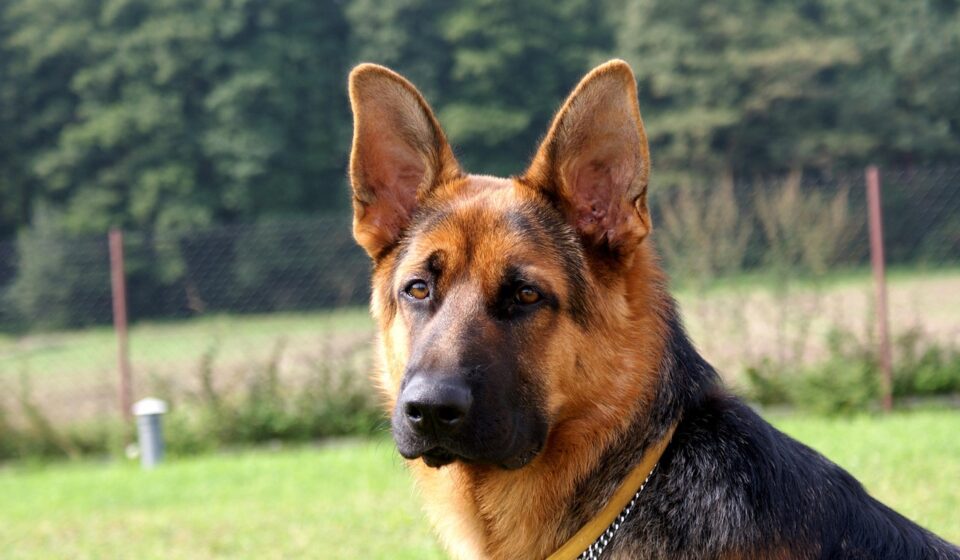
A sable Alsatian is not a separate breed but rather a specific colour variation of the German Shepherd Dog. The term ‘Alsatian’ was historically used interchangeably with German Shepherd in some regions, particularly in the UK, though today ‘German Shepherd’ is the universally accepted name.
Last updated: May 30, 2026
These dogs are distinguished by their unique coat pattern, which features banded hairs that create a grizzled, shaded appearance rather than solid colours. This distinct look is genetically determined and is a recognised, although less common, colour within the breed standard.
The sable colouration is one of the oldest and most prevalent colours in the German Shepherd breed, dating back to its origins. It’s often associated with the working lines of the breed, valued for its camouflage capabilities in natural environments.
In real terms, a sable Alsatian exhibits a base colour that can range from light grey to a deep charcoal, overlaid with black tipping on the hair shafts. This creates a beautiful, almost wolf-like appearance, with variations in the intensity and pattern of the sable markings.
Understanding the Sable Coat: Genetics and Appearance
The sable coat in German Shepherds is a result of specific genetic factors. It’s governed by the Agouti (A) locus, which controls the distribution of pigment on individual hair shafts. The ‘Ay’ allele typically leads to a sable pattern.
Unlike solid colours, sable hairs have bands of colour along their length. A typical sable German Shepherd will have a base coat of grey, tan, or brown, with black tips or bands on the hairs. This creates a distinctive grizzled or shaded effect.
The intensity of the sable pattern can vary significantly. Some sables have subtle shading, while others display very prominent black markings, giving them a more dramatic, wolf-like appearance. The distribution of these markings can also differ, affecting the overall look of the dog.
Worth noting, the German Shepherd Dog Club of America and the Fédération Cynologique Internationale (FCI) both recognise sable as a standard colour. However, its prevalence can fluctuate, and some breeders focus more on other colours like black and tan or solid black.
The ‘sable’ colour is not a superficial trait; it’s a fundamental part of the breed’s heritage. In the wild, such camouflage patterns would have been advantageous for hunting and survival, a trait that echoes in the breed’s working dog instincts.
Temperament and Personality of the Sable Alsatian
The temperament of a sable Alsatian is identical to that of any other German Shepherd. They are renowned for their intelligence, loyalty, courage, and trainability. These dogs form strong bonds with their families and are often described as having a watchful and protective nature.
Sable German Shepherds typically possess a confident demeanour and can be somewhat reserved around strangers, which is why early socialisation is crucial. They are alert and perceptive, making them excellent guard dogs or watchdogs, but they are not typically aggressive without provocation.
Their intelligence means they excel in various roles, from family companions and therapy dogs to service animals and police K9 units. They thrive on having a job to do and can become bored or develop undesirable behaviours if not adequately stimulated.
A common question is whether the sable coat influences behaviour. While anecdotal evidence sometimes suggests subtle differences, scientific consensus and breed standards indicate that coat colour in German Shepherds doesn’t directly dictate temperament. The dog’s upbringing, training, genetics, and environment play far more significant roles.
For instance, a well-bred sable Alsatian from a reputable breeder, raised with consistent training and socialisation from puppyhood, will likely be a well-rounded, dependable companion. Conversely, a poorly bred or inadequately trained dog of any colour may exhibit behavioural issues.
Training and Socialisation: Essential for a Well-Adjusted Dog
Training a sable Alsatian, like any German Shepherd, requires consistency, positive reinforcement, and early intervention. Their high intelligence means they learn quickly, but this also means they can pick up bad habits just as easily as good ones.
Begin socialisation as soon as possible, ideally from 7 to 16 weeks of age. Expose your sable Alsatian puppy to a wide variety of sights, sounds, people, and other well-behaved animals in a controlled and positive manner. This helps them grow into confident, well-adjusted adults who are comfortable in different environments.
Obedience training should commence early. Basic commands like ‘sit’, ‘stay’, ‘come’, and ‘down’ are fundamental. German Shepherds are eager to please, and this, combined with their intelligence, makes them highly responsive to training methods that involve praise, treats, and play.
The wrinkle here is that their intelligence can also lead to them becoming easily bored. Training sessions should be engaging and varied. Consider advanced obedience, agility, scent work, or other dog sports to keep their minds sharp and prevent frustration.
A key insight for owners is that consistency is paramount. Ensure all family members use the same commands and rules. This prevents confusion for the dog and reinforces the training structure. Positive reinforcement techniques are highly effective and build a stronger bond between owner and dog.
Physical Characteristics and Health Considerations
Sable Alsatians share the same strong physical build as other German Shepherds. They are medium-to-large dogs, typically standing 22 to 26 inches tall at the shoulder and weighing between 50 to 90 pounds (approximately 23-40 kg).
They have a strong, muscular body, a deep chest, and a relatively long muzzle. Their ears are erect and pointed, and their tails are bushy and carried low when relaxed. The defining feature, of course, is their unique sable coat, which consists of a double layer: a dense undercoat and a harsher, weather-resistant outer coat.
While generally a healthy breed, German Shepherds, including sable variations, are prone to certain genetic health issues. Responsible breeders screen their dogs for these conditions. Common concerns include:
- Hip and Elbow Dysplasia: A common skeletal condition in large breeds.
- Bloat (Gastric Dilatation-Volvulus): A life-threatening stomach condition.
- Degenerative Myelopathy (DM): A progressive neurological disease affecting the spinal cord.
- Certain heart conditions and allergies.
The German Shepherd Dog Council of Australia, for example, recommends health testing for all breeding stock to minimise the incidence of these hereditary diseases. Prospective owners should always seek out breeders who provide health clearances for the parents of any puppy.
According to the Orthopaedic Foundation for Animals (OFA) as of May 2026, hip and elbow dysplasia continue to be significant concerns for the breed, reinforcing the importance of purchasing from health-tested lines.
Exercise and Mental Stimulation Needs
Sable Alsatians are active dogs with high energy levels, inherited from their working dog heritage. They require substantial daily exercise to maintain their physical and mental well-being. A minimum of 60 to 90 minutes of vigorous activity per day is generally recommended.
This exercise can include brisk walks, jogging, playing fetch, hiking, or participating in dog sports. Simply letting them roam in a yard is not sufficient; they need structured activity and interaction.
Mental stimulation is equally crucial. German Shepherds are intelligent and thrive on challenges. Without adequate mental engagement, they can become restless, destructive, or develop anxiety. Puzzle toys, training games, and learning new tricks are excellent ways to challenge their minds.
A practical insight for busy owners: incorporate training into daily routines. For example, ask for a ‘sit’ before meals or ‘stay’ before going through a door. Sable alsatian provides mental exercise without requiring dedicated training sessions every time.
Consider activities like agility, flyball, or scent work. These not only provide physical exertion but also engage their problem-solving skills, keeping them happy and focused. The variety in their day is key to preventing boredom.
Diet and Nutrition for a Healthy Sable Alsatian
Providing a balanced and high-quality diet is fundamental for the health and vitality of a sable Alsatian. As a large, active breed, they have specific nutritional needs throughout their lives.
For puppies, a diet formulated for large breeds is essential. These foods are designed to support controlled growth, preventing them from growing too quickly, which can contribute to skeletal issues like hip dysplasia. Look for foods with appropriate calcium and phosphorus ratios.
Adult sable Alsatians benefit from a high-quality dog food rich in protein and essential fatty acids. The specific formulation may depend on their activity level, age, and any health conditions. Consulting with your veterinarian is the best way to determine the ideal food for your individual dog.
According to the World Small Animal Veterinary Association (WSAVA) Global Nutrition Guidelines, choosing a food that meets specific criteria for quality control and research is paramount. As of May 2026, their recommendations continue to emphasise the importance of veterinarian-approved diets over trendy or unresearched options.
The wrinkle here is that portion control is vital. Overfeeding can lead to obesity, exacerbating joint problems and other health issues. Always follow the feeding guidelines on the food packaging, adjusting as necessary based on your dog’s body condition and activity level. Fresh, clean water should always be available.
Grooming Requirements
Sable Alsatians have a double coat that requires regular grooming to manage shedding and keep their coat healthy. They are moderate to heavy shedders, with seasonal shedding spurts typically occurring in spring and autumn.
Brushing your sable Alsatian several times a week is recommended, and daily brushing during peak shedding seasons is beneficial. Use a slicker brush or an undercoat rake to effectively remove loose hair and prevent matting.
Regular brushing distributes natural oils, keeping the skin and coat healthy. It also allows you to check for any parasites, skin irritations, or lumps. Bathing should be done as needed, typically every 4-8 weeks, using a dog-specific shampoo.
Beyond coat care, regular nail trimming, ear cleaning, and dental hygiene are essential. For dental care, brushing your dog’s teeth regularly with a canine-specific toothpaste can prevent tartar buildup and gum disease. According to the American Veterinary Dental College, regular at-home care can significantly improve oral health.
A practical tip: introduce grooming from a young age. Make it a positive experience for your puppy with gentle handling and treats. This will make grooming sessions easier and less stressful for both of you as they grow.
Sable Alsatian vs. Other German Shepherd Colours
While the sable Alsatian’s temperament and needs are the same as other German Shepherds, their appearance sets them apart. The most common comparison is often between the sable and the black and tan German Shepherd.
Black and tan variations feature distinct patches of black and tan (or red/brown) across their body, with clear demarcation lines. This is perhaps the most iconic and widely recognised German Shepherd colouration.
Solid black German Shepherds are also relatively common and are genetically distinct from sables. Other less common but recognised colours include solid white (though often disqualified in show rings depending on the specific kennel club standard), liver, and blue. These rarer colours can sometimes be associated with different genetic factors or health considerations, although this is not always the case.
The key difference lies in the hair structure. Sable hairs are banded, creating a grizzled, layered look, whereas the hairs in black and tan or solid black dogs have more uniform pigmentation.
A unique insight: The sable pattern’s natural camouflage made it historically favoured for military and police work, as it blended well with various terrains. While modern working roles often favour high-visibility colours or solid dark coats for visibility or intimidation, the sable pattern remains a testament to the breed’s origins.
Frequently Asked Questions About Sable Alsatians
What makes an Alsatian sable?
The sable colouration in Alsatians (German Shepherds) is caused by a specific gene that creates banded patterns on individual hair shafts, resulting in a grizzled or shaded appearance rather than a solid colour. This is one of the oldest and most common variations within the breed.
Are sable Alsatians rare?
While sable is a recognised and historically significant colour for German Shepherds, it’s often less common than the black and tan variation in many breeding lines. Their rarity can depend on breeding focus, making them appear less common in some regions.
Do sable Alsatians have different temperaments?
No, the sable coat colour doesn’t inherently alter the temperament of a German Shepherd. Genetics influencs temperament, training, socialisation, and environment, not coat colour. Sable dogs share the same intelligent, loyal, and protective traits as other German Shepherds.
Are sable Alsatians good family dogs?
Yes, sable Alsatians can be excellent family dogs when properly trained and socialised. They are loyal and protective, forming strong bonds with their families. Early socialisation is key to ensuring they are comfortable and well-behaved around children and other pets.
What health issues are common in sable Alsatians?
Sable Alsatians are prone to the same health issues as all German Shepherds, including hip and elbow dysplasia, bloat, and degenerative myelopathy. Responsible breeding practices and regular veterinary check-ups are vital for managing these potential conditions.
How much exercise does a sable Alsatian need?
Sable Alsatians are active dogs requiring at least 60-90 minutes of vigorous daily exercise. This should include both physical activity like walks and play, and mental stimulation through training and puzzle toys to prevent boredom and destructive behaviour.
What is the average lifespan of a sable Alsatian?
The average lifespan for a German Shepherd, including the sable variation, is typically between 9 to 13 years. This can be influenced by genetics, diet, exercise, and overall healthcare throughout their lives.
Information current as of May 2026; pricing and product details may change.
Editorial Note: This article was researched and written by the Pet Magazine editorial team. We fact-check our content and update it regularly. For questions or corrections, contact us.
Related read: Choosing the Perfect German Shepherd Names in 2026
Related read: Black Pitbulls: Dispelling Myths and Embracing Their True Nature
Related read: Cavalier King Charles Spaniel: Your 2026 Guide to the.