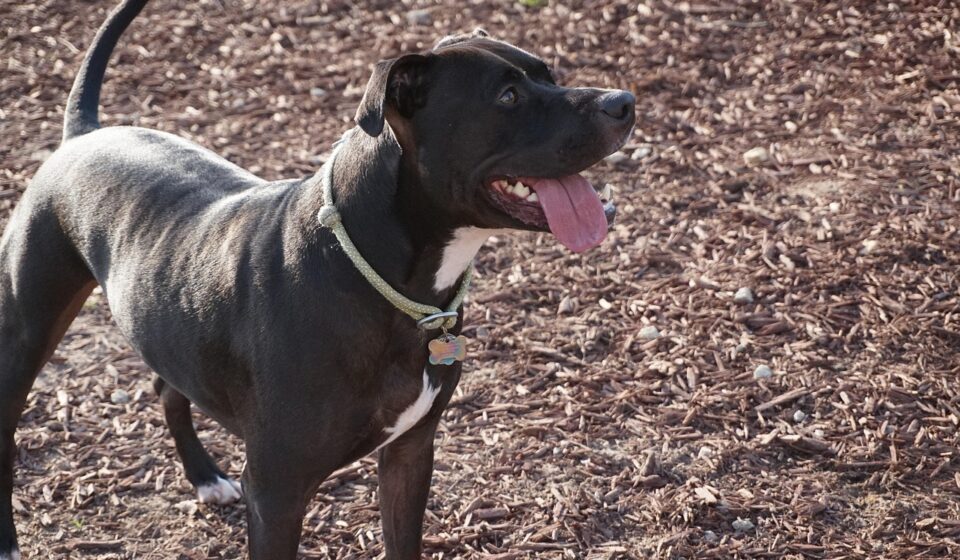
Dispelling the Darkness: The Truth Behind the Black Coat
The term “pitbull” itself is often used as an umbrella term for several breeds, including the American Pit Bull Terrier, Staffordshire Bull Terrier, American Staffordshire Terrier, and sometimes the American Bully. While these breeds share common ancestry and certain characteristics, they are distinct. A black coat can appear in any of these breeds, and its significance is purely aesthetic. This article aims to cut through the myths and provide a complete overview of the black pitbull, focusing on what truly matters: understanding the breed, responsible ownership, and nurturing a well-adjusted canine companion.
Last updated: May 30, 2026
Key Takeaways
- A black coat on a pitbull is purely cosmetic and doesn’t influence behaviour or temperament.
- Misconceptions about black pitbulls are often rooted in media bias and lack of breed knowledge.
- Responsible ownership, including early socialisation and consistent training, is paramount for any pitbull.
- Black pitbulls, like all pitbull-type dogs, possess a capacity for loyalty, affection, and athleticism.
- Understanding breed history and individual needs is crucial for dispelling negative stereotypes.
A Glimpse into Pitbull Heritage
To understand any pitbull, including those with a striking black coat, it’s essential to explore their history. The pitbull lineage traces back to 19th-century England and Ireland, where bull-and-terrier crosses were developed for blood sports like bull-baiting and bear-baiting. These early crosses were bred for gameness, tenacity, and strength. Following their prohibition, these dogs were adapted for other purposes, including farm work, guarding, and companionship.
The American Pit Bull Terrier, a breed often associated with the “pitbull” label, was officially recognised by the United Kennel Club (UKC) in 1898. These dogs were valued for their versatility. Later, the American Dog Breeders Association (ADBA) was formed in 1909, focusing on preserving the breed’s original working traits. It’s crucial to note that “pitbull” is not a single breed but a type, and the specific breed (e.g., American Pit Bull Terrier, Staffordshire Bull Terrier) will have its own registry and breed standard. The gene for black pigment (eumelanin) is a common trait in many dog breeds, and its presence in pitbulls is simply a matter of genetics, not a determinant of character.
The breed’s history, particularly its association with fighting, has unfortunately led to a persistent negative reputation. However, it’s vital to distinguish between the dog’s heritage and its potential as a modern companion. Many pitbull-type dogs today are raised in loving family environments and exhibit calm, affectionate temperaments. According to the American Temperament Society (ATS), pitbull-type dogs often score highly on temperament tests, demonstrating their suitability as pets when properly managed.
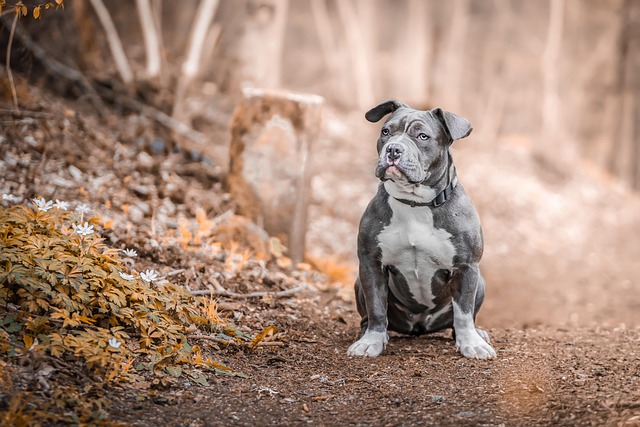
Temperament of the Black Pitbull: Separating Fact from Fiction
The most pervasive myth surrounding black pitbulls is that their colour makes them inherently more aggressive or dangerous. This is unequivocally false. A dog’s temperament is a complex interplay of genetics, early socialisation, training, and environmental factors. Its genes and has determins the colour of a dog’s coat no direct link to its propensity for aggression or its capacity for love and loyalty.
In reality, black pitbulls, like any pitbull-type dog, tend to be intelligent, energetic, and eager to please. With proper socialisation from a young age, they can be excellent companions. Early exposure to various sights, sounds, people, and other animals helps them develop into confident, well-adjusted dogs. This socialisation period, typically between 3 and 16 weeks of age, is critical for all puppies, regardless of breed or coat colour.
When well-raised, black pitbulls often display a strong bond with their families, showing affection and protectiveness. They typically thrive on positive reinforcement training methods. Their intelligence means they can learn quickly, but it also means they can become bored or destructive if not provided with sufficient mental and physical stimulation. A common characteristic across pitbull types is their resilience and desire for human interaction. They are often described as “velcro dogs” because of their tendency to stay close to their owners.
Keep in mind that due to their strength and potential prey drive, a well-trained pitbull is essential. This means consistent, positive training throughout their lives, not just in puppyhood. For instance, a black pitbull named “Midnight” owned by Sarah Jenkins of Manchester, England, has been a therapy dog for five years, visiting local hospices and providing comfort to patients. Midnight’s calm demeanour and gentle nature are a testament to his careful upbringing and consistent training, not his coat colour.
Understanding Black Pitbull Characteristics
Beyond temperament, black pitbulls share the general characteristics of their breed type. These dogs are typically medium-sized, muscular, and athletic. They possess a strong build, often with a broad head and powerful jaws, which can contribute to their intimidating appearance for those unfamiliar with them.
Their coat is usually short, stiff to the touch, and glossy. The black pigment is rich and deep, offering a sleek, eye-catching appearance. As with many dark-coated dogs, their coat can sometimes be prone to fading in direct sunlight if not protected, though this is a minor cosmetic concern rather than a health issue.
Physically, they are strong and generally healthy dogs. However, like all purebred dogs and even mixed breeds, they can be predisposed to certain health conditions. Common concerns within pitbull-type breeds can include hip dysplasia, allergies, and certain heart conditions. Regular veterinary check-ups are essential for early detection and management of any health issues. According to the American Veterinary Medical Association (AVMA), proactive veterinary care is key to a long and healthy life for any dog, irrespective of colour.
Their energy levels are typically high. Black pitbulls need ample daily exercise to stay physically and mentally healthy. This can include brisk walks, runs, fetch, and engaging in canine sports like agility or flyball. Without adequate outlets for their energy, they may develop behavioural problems such as excessive barking, chewing, or digging.

The Cornerstones: Socialisation and Training
For any pitbull, especially one intended to live in a family environment, socialisation and training are not optional; they are fundamental necessities. These practices are crucial for developing a well-behaved, confident, and safe canine companion, and they are entirely independent of coat colour.
Early Socialisation: Building Confidence
The critical window for socialisation is between 3 and 16 weeks of age. During this period, puppies are most receptive to new experiences. Exposing your black pitbull puppy to a wide variety of positive stimuli is vital. This includes meeting different people (children, elderly individuals, people of various ethnicities), encountering other vaccinated and friendly dogs, experiencing different environments (parks, busy streets, quiet home), and hearing various sounds (traffic, vacuum cleaners, doorbells). The goal is to build positive associations so the dog grows into an adaptable and unafraid adult.
Positive Reinforcement Training: Fostering a Bond
Pitbulls are intelligent dogs that respond exceptionally well to positive reinforcement training methods. This approach focuses on rewarding desired behaviours with treats, praise, or toys, making training a rewarding and enjoyable experience for both dog and owner. Harsh punishment or dominance-based training methods can be counterproductive and may even exacerbate behavioural issues, especially in strong, sensitive breeds like pitbulls.
Key commands such as “sit,” “stay,” “come,” and “leave it” should be taught early and practised consistently. Leash training is also paramount, given their strength. Enrolling in puppy classes and obedience courses can provide structured training environments and opportunities for further socialisation. A well-trained black pitbull is a joy to own and a positive ambassador for the breed.
The wrinkle here is that many owners underestimate the commitment required. For example, a black pitbull named “Shadow,” who was adopted at 8 months old, exhibited significant fear-based reactivity. His new owners, initially underestimating the impact of his unknown past, implemented a consistent, positive reinforcement training plan combined with controlled socialisation. Within a year, Shadow transformed into a confident, well-behaved dog who enjoys calm walks in the park and interactions with familiar people and dogs.
Nurturing Health in Your Black Pitbull
Black pitbulls, as part of the broader pitbull type, are generally strong dogs. However, responsible ownership includes being aware of potential health issues common to these breeds. While coat colour doesn’t dictate health, certain genetic predispositions exist within the breed lines.
Common Health Concerns:
- Hip Dysplasia: A common skeletal condition where the hip joint doesn’t form properly, potentially leading to arthritis and lameness. Responsible breeders screen their breeding stock for this condition.
- Allergies: Skin allergies are relatively common in pitbull-type dogs, manifesting as itching, redness, and sometimes ear infections. Environmental allergens (pollen, dust mites) or food sensitivities can be triggers.
- Heart Conditions: Conditions like subvalvular aortic stenosis (SAS), a congenital heart defect, can occur. Regular veterinary check-ups can help detect heart murmurs.
- Skin Issues: Beyond allergies, their short coats can make them susceptible to minor cuts, scrapes, and sunburn if not protected.
Preventative Care:
A proactive approach to health is crucial. This includes: feeding a high-quality, balanced diet; providing regular exercise to maintain a healthy weight and muscle tone; ensuring routine veterinary care, including vaccinations and parasite prevention; and maintaining good dental hygiene. For instance, providing a diet rich in omega-3 and omega-6 fatty acids, as recommended by veterinary nutritionists, can significantly improve skin and coat health, making that black coat shine.
According to the National Canine Research Council (NCRC), data from 2025 indicates that mixed-breed dogs, which often encompass pitbull types, can sometimes exhibit hybrid vigour, potentially leading to fewer breed-specific genetic health issues than some purebreds. However, this is not guaranteed, and responsible breeding practices remain vital. Understanding your dog’s lineage and working closely with your veterinarian can help you manage and prevent potential health problems.
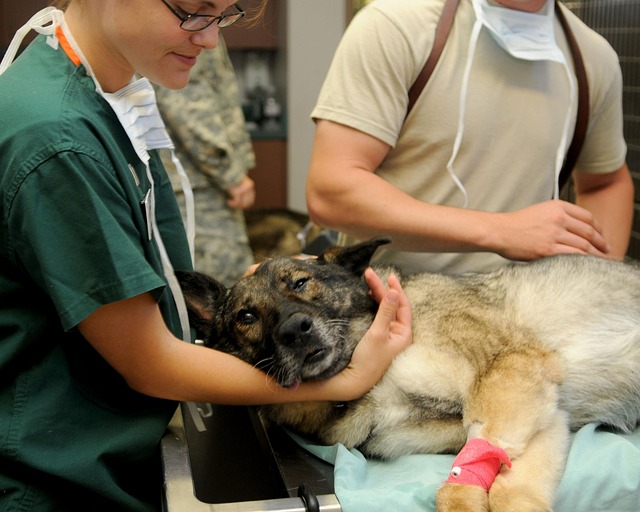
Bringing a Black Pitbull Home: What to Expect
Deciding to welcome a black pitbull into your life is a significant commitment. Beyond their striking appearance, these dogs offer immense loyalty and affection. However, potential owners must be prepared for their needs and potential challenges.
Exercise and Mental Stimulation:
Black pitbulls are energetic dogs that require at least 60-90 minutes of vigorous exercise daily. This should include walks, runs, play sessions, and opportunities to explore. Mental stimulation is equally important. Puzzle toys, scent games, and training sessions can prevent boredom and keep their sharp minds engaged. Without adequate stimulation, they may resort to destructive behaviours.
Dietary Needs:
A high-quality dog food formulated for active, medium-sized breeds is recommended. The amount will depend on the dog’s age, weight, and activity level. Always consult with your veterinarian for specific dietary recommendations. For example, a 60-pound adult black pitbull might require around 3-4 cups of dry kibble per day, divided into two meals, but this can vary.
Grooming Requirements:
Their short, dense coat is relatively low maintenance. Weekly brushing with a firm bristle brush or a grooming mitt will help remove loose hair and keep the coat shiny. Regular nail trims, ear cleaning, and dental care are also part of essential grooming routines.
Legal Considerations:
It’s crucial to be aware of breed-specific legislation (BSL) that may be in place in your local area or country. Some regions have restrictions or bans on pitbull-type dogs. Research these laws thoroughly before acquiring a pitbull. Organizations like Dogs Trust in the UK and various municipal animal control agencies globally provide information on BSL. As of 2026, BSL remains a contentious issue, with many advocates arguing for breed-neutral dangerous dog laws based on individual behaviour rather than breed type.
Finding Your Black Pitbull Companion
If you’re considering adding a black pitbull to your family, adoption is a wonderful option. Many pitbull-type dogs end up in shelters through no fault of their own, often due to breed stigma or owner surrender. Numerous rescue organisations and shelters specifically focus on pitbulls or accept them, providing a second chance for these deserving animals.
When looking for a black pitbull, whether from a rescue or a reputable breeder, consider the following:
- Reputable Shelters and Rescues: These organisations often have a good understanding of their dogs’ temperaments and histories. Staff can help match you with a dog that fits your lifestyle. Many pitbull-specific rescues conduct thorough temperament assessments.
- Responsible Breeders: If choosing a breeder, ensure they prioritise health, temperament, and ethical practices. A responsible breeder will be transparent about health testing, provide pedigree information, and be willing to answer all your questions. They should also be keen to ask you questions to ensure a good match.
- Individual Assessment: Remember that every dog is an individual. While breed traits provide a general guideline, a dog’s personality is unique. Spend time with any potential pet before committing to adoption. Observe their interaction with you and their environment.
For example, “Ebony,” a black pitbull adopted from the “Second Chances Pitbull Rescue” in California, was initially shy but blossomed into a confident and playful companion under the care of her adoptive family. The rescue provided detailed behavioural notes and ongoing support, which was invaluable.
Common Mistakes to Avoid
Despite their loyal nature, pitbull owners sometimes fall into common traps that can lead to behavioural issues. Awareness of these pitfalls can help ensure a harmonious relationship.
Underestimating Exercise Needs: A common mistake is not providing enough physical and mental stimulation. A bored pitbull can become a destructive pitbull. Ensure daily exercise is strong and varied.
Inconsistent Training: Pitbulls are smart and can learn quickly, but they also need clear, consistent boundaries. Inconsistent rules can lead to confusion and unwanted behaviours. Training should be ongoing, not just a puppy phase.
Poor Socialisation: Failing to socialise a pitbull puppy properly can lead to fear, anxiety, or reactivity towards other dogs or people. This is a critical period that can’t be skipped or rushed.
Ignoring BSL: Not researching or understanding local breed-specific legislation can lead to heartbreak, including forced surrender or mandatory euthanasia. This is a non-negotiable step for potential owners.
Succumbing to Breed Stigma: Allowing negative stereotypes to dictate your training or socialisation approach can be detrimental. Approach your dog as an individual, not as a stereotype. For example, treating a well-adjusted black pitbull as inherently dangerous can lead to owner anxiety, which the dog may pick up on, creating a self-fulfilling prophecy.
Expert Opinions and Insights
Veterinarians and experienced trainers consistently emphasise that coat colour is irrelevant to a dog’s behaviour. Dr. Anya Sharma, a veterinary behaviourist with 15 years of experience, states, “In my practice, I have worked with hundreds of pitbull-type dogs of all colours, including black. Their behaviour is a direct reflection of their upbringing, genetics from their parents, and the environment they live in. I’ve seen incredibly well-behaved black pitbulls and poorly behaved ones, just as I have with dogs of any other colour. The focus should always be on responsible ownership, training, and understanding the individual dog.”
The Association of Professional Dog Trainers (APDT) advocates for breed-neutral laws, focusing on the behaviour of individual dogs rather than broad breed classifications. They promote education and responsible ownership as the most effective ways to ensure public safety and promote the welfare of all dogs, including pitbull types. Their resources highlight that understanding canine body language and providing appropriate training and socialisation are universal best practices for all breeds.
A critical insight often missed is that the very traits that made pitbulls excel in their historical roles—their tenacity, loyalty, and trainability—can be channelled into positive outlets like canine sports, therapy work, and dedicated companionship when guided by knowledgeable and committed owners. The key is to appreciate their strength and intelligence while providing consistent, positive guidance.
Frequently Asked Questions About Black Pitbulls
Are black pitbulls more aggressive than other pitbulls?
No, coat colour has no influence on a black pitbull’s temperament or aggression levels. Aggression is a complex behaviour influenced by genetics, socialisation, training, and environment, not by the dog’s colour.
What is the average lifespan of a black pitbull?
The average lifespan for pitbull-type dogs, including those with black coats, is typically between 10 to 14 years, depending on genetics, health care, diet, and lifestyle.
Are black pitbulls good with children?
With proper socialisation from a young age, consistent training, and supervision, black pitbulls can be excellent and gentle companions for children. It’s essential to teach children how to interact respectfully with any dog.
What are the main health issues to watch for in black pitbulls?
Common health concerns include hip dysplasia, skin allergies, and certain heart conditions. Regular veterinary check-ups and a healthy lifestyle are key to managing these potential issues.
How much exercise does a black pitbull need?
Black pitbulls are energetic dogs and typically require at least 60-90 minutes of vigorous daily exercise. This should include walks, playtime, and mental stimulation to prevent boredom and destructive behaviours.
Is it harder to find a black pitbull for adoption?
While black dogs of any breed can sometimes be overlooked in shelters due to superstition or difficulty in photographing them, many dedicated pitbull rescues and shelters work tirelessly to rehome them. With focused searching, finding a black pitbull for adoption is entirely possible.
Information current as of May 2026; pricing and product details may change.
Editorial Note: This article was researched and written by the Pet Magazine editorial team. We fact-check our content and update it regularly. For questions or corrections, contact us.
Related read: Can Dogs Eat Corn? The 2026 Guide to Safety and Nutrition.
Related read: GSD Mix Puppies Warrenton: Finding Your Perfect Companion in 2026
Related read: Golden Retriever Dachshund Mix: Your 2026 Guide to the 'Golden Doxie'
Related read: Chihuahua and Pitbull Mix: A Comprehensive 2026 Guide.