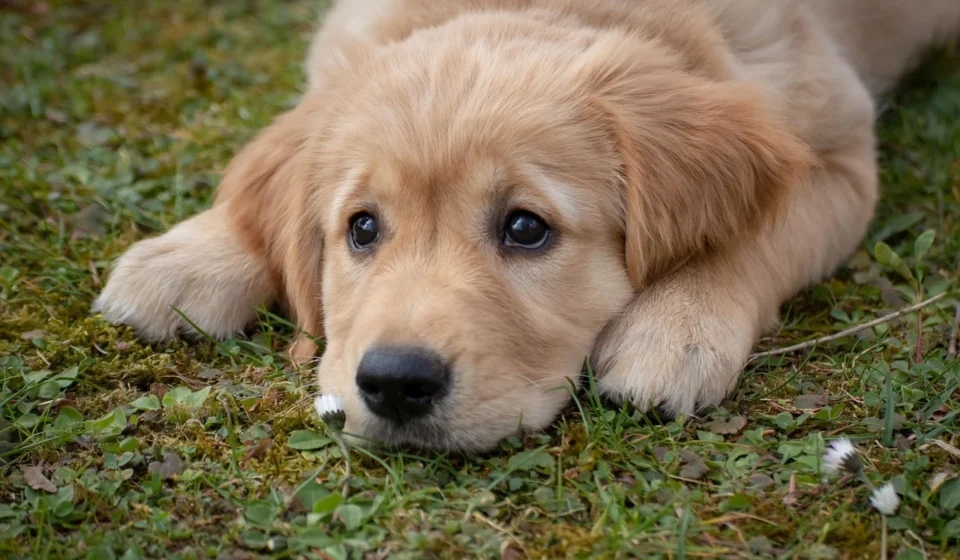
A Golden Doxie is a Golden Retriever Dachshund mix. This crossbreed combines two distinct dog traits. You get the friendly nature of a Golden Retriever. Also, you see the bold spirit of a Dachshund. These dogs typically weigh 15 to 60 pounds. They have an elongated body with shorter legs. Therefore, they make loving and energetic companions for dedicated owners.
This unique hybrid brings together two distinct working breeds. The Scottish Golden Retriever is one. People developed it for retrieving waterfowl. The German Dachshund is the other. Breeders originally bred it to hunt burrowing game like badgers. As a result, the Golden Doxie inherits a blend of physical traits. Its personality characteristics can also vary significantly. They fall anywhere along the spectrum of its parent breeds.
What is a Golden Retriever Dachshund mix called, and what does it look like?
People most commonly know a Golden Retriever Dachshund mix as a Golden Doxie. It is a designer crossbreed. This mix combines the genetic traits of both a Golden Retriever and a Dachshund. These dogs usually weigh between 15 and 60 pounds. They feature an elongated torso with shorter legs. As a result, they make loving, energetic companions for dedicated owners.

The Golden Doxie brings together two distinct historic working dogs. The Scottish Golden Retriever is one. People developed it for retrieving waterfowl across land and water. The German Dachshund is the other. Breeders bred it to scent and dig out burrowing game like badgers. Crossing these two distinct breeds produces a unique hybrid dog. Its physical build and personality fall along a spectrum between both parent lines.
First-generation crossbreeds inherit unpredictable genetic traits. Individual golden retriever dachshund mix puppies from the same litter vary. Some inherit the placid, social personality and longer coat of the retriever. Others reflect the tenacious, vocal nature and shorter build of the badger hound. Preparing for a golden retriever dachshund mix requires understanding these combined traits. You also need to know how to care for their unique spinal structure. Finally, you must properly train and feed them throughout their lives.
What physical traits and size should you expect?
Visually, a Golden Retriever Dachshund mix is a striking blend. It has contrasting body proportions. The defining physical characteristic is dwarfism inheritance. Dachshunds carry the gene for chondrodysplasia. This gene shortens leg bones. However, it keeps body length relatively intact. When paired with a standard Golden Retriever, offspring almost always inherit shorter, thicker legs. These legs are relative to their torso length. This gives them a distinct low-slung stance.

Their head structure often presents a middle ground. It combines the Golden Retriever’s broad skull with the Dachshund’s long, tapered muzzle. Their ears are soft and pendulous. They hang downward close to the cheeks. Also, their chest is typically deeper than average. This reflects the lung capacity both parent breeds need for field stamina.
Size based on dachshund parent
Size depends heavily on whether the Dachshund parent is a Standard or Miniature variety:
- Miniature Dachshund Cross: If the parent is a Miniature Dachshund, it weighs under 11 pounds. Adult Golden Doxies generally weigh between 15 and 30 pounds. Also, they stand 10 to 14 inches tall at the shoulder.
- Standard Dachshund Cross: If the parent is a Standard Dachshund, it weighs 16 to 32 pounds. Adult Golden Doxies typically weigh between 30 and 60 pounds. They also stand 12 to 18 inches at the shoulder.
The table below breaks down the key physical differences across parent breeds and crossbreed variations.
| Dog Type | Average Adult Weight | Average Shoulder Height | Primary Body Build | Common Coat Types |
|---|---|---|---|---|
| Miniature Golden Doxie | 15 – 30 lbs | 10 – 14 inches | Elongated torso, short legs, medium bone frame | Smooth, wirehaired, or medium double coat |
| Standard Golden Doxie | 30 – 60 lbs | 12 – 18 inches | Long back, sturdy heavy-boned legs, deep chest | Dense flat double coat or semi-rough coat |
| Purebred Golden Retriever | 55 – 75 lbs | 21.5 – 24 inches | Proportional, athletic, broad-chested | Dense water-repellent double coat with feathering |
| Purebred Dachshund (Standard) | 16 – 32 lbs | 8 – 9 inches | Low-to-ground, long body, prominent sternum | Smooth, wirehaired, or longhaired coat |
Understanding coat variations and grooming needs
The coat of a Golden Retriever Dachshund mix depends directly on the Dachshund parent’s coat type. This can be smooth, wirehaired, or longhaired. It combines with the Golden Retriever’s thick double coat. Coat maintenance varies. This depends on which variation your dog inherits.
Smooth coat variant: Low shedding and easy care
If the Dachshund parent is smooth-coated, the offspring usually sport a short, dense coat that lies close to the skin. This variety requires minimal maintenance. A weekly brushing with a rubber curry brush or soft bristle brush removes dead hair and distributes skin oils. Shedding is low to moderate year-round.
Longhaired or double coat variant: Moderate to heavy shedding
When a golden retriever dachshund mix has a dense, water-repellent double coat, its fur is medium-length. It features soft feathering on the chest, ears, legs, and tail. This coat sheds heavily twice yearly due to seasonal changes. It also sheds moderately every day. Therefore, brush it three to four times a week. Use a slicker brush and an undercoat rake to prevent painful mats. These often form behind the ears and in the groin area.
Wirehaired coat variant: Requires specific maintenance
If bred from a wirehaired Dachshund, the Golden Doxie may develop a coarse, textured outer coat. Such a coat comes with facial hair. This includes a distinct beard and eyebrows. This coat type traps loose debris. Therefore, it requires combing twice weekly to keep clean. Depending on coat density, professional hand-stripping or clipping is necessary. Do this every eight to twelve weeks to maintain texture and cleanliness.
General grooming hygiene for all Golden Doxies
All Golden Doxies require routine hygiene care regardless of hair length:
- Ear Care: Floppy ears trap moisture. They also restrict airflow. Because of this, clean ears weekly. Use a pH-balanced ear cleanser. This prevents yeast and bacterial infections.
- Nail Trimming: Clip your dog’s nails every three to four weeks. Short legs transfer ground impact straight to their paws. Therefore, overgrown nails alter foot alignment. They also place extra stress on joints.
- Dental Hygiene: Dachshund genetics bring a higher risk of periodontal disease due to crowded teeth. Brush teeth daily with dog-safe enzymatic toothpaste.
Golden Doxie temperament: balancing drive, loyalty, and independence
A Golden Retriever Dachshund mix has a blend of contrasting instincts. Golden Retrievers are famous for being social and gentle. They are also eager to please. However, Dachshunds are brave and headstrong. They are alert and intensely loyal to their core family unit.

Sociability versus cautiousness
Golden Doxies are affectionate and bond deeply with family members. However, while a Golden Retriever considers every human an instant friend, Dachshunds carry a natural caution toward strangers. A Golden Doxie may initially observe newcomers with suspicion, letting out a deep bark before deciding to approach. Early, ongoing socialisation determines whether the dog defaults to friendly retriever openness or protective dachshund vigilance.
Barking and watchfulness
Dachshunds were bred to give tongue (bark loudly) underground so hunters could track them beneath the earth. As a result, Golden Doxies often inherit a loud, booming bark that belies their physical height. They make vigilant watchdogs that announce deliveries, strange sounds, or animals in the garden. Teaching a clear “quiet” command early on is essential to prevent nuisance barking.
Prey drive and digging instincts
Both parent breeds retain hunting instincts. Retrievers instinctively chase and retrieve objects. Dachshunds actively search out scent trails. They also dig for burrowing creatures. A golden retriever dachshund mix in a garden may obsessively dig up lawn patches or flower beds. This happens if it senses moles, mice, or worms beneath the soil. As a result, a high prey drive means they may chase cats, squirrels, or smaller pets. You must properly train and manage them.
Affection and separation anxiety
Golden Doxies crave human interaction. They prefer to stay near their owners. This creates a loving, velcro-like companion. However, it can lead to separation anxiety if you leave the dog isolated for extended periods. Without daily interaction, constructive activity, or companionship, they may express stress. For example, they might chew destructively, dig, or howl persistently.
How to manage spinal health and major medical risks
Combining a long spine with short legs introduces specific structural vulnerabilities. Understanding these medical considerations helps owners take preventive measures early.
Intervertebral Disc Disease (IVDD)
The primary health concern for any Dachshund crossbreed is Intervertebral Disc Disease (IVDD). IVDD is a significant concern for Dachshunds and their mixes. This is due to their chondrodystrophic (dwarf) skeletal framework. The shock-absorbing discs between the vertebrae can harden, bulge, or burst. This causes spinal compression and intense pain. It also leads to loss of bladder control and paralysis.
To reduce IVDD risk, institute these management practices at home:
- Install Ramps: Place ramps or low-angle pet steps alongside beds, sofas, and porch steps. This helps your dog avoid jumping up or down.
- Prevent Jump Hazards: Never allow the dog to jump out of high vehicles or off elevated surfaces. Sudden impact forces can instantly herniate a fragile spinal disc.
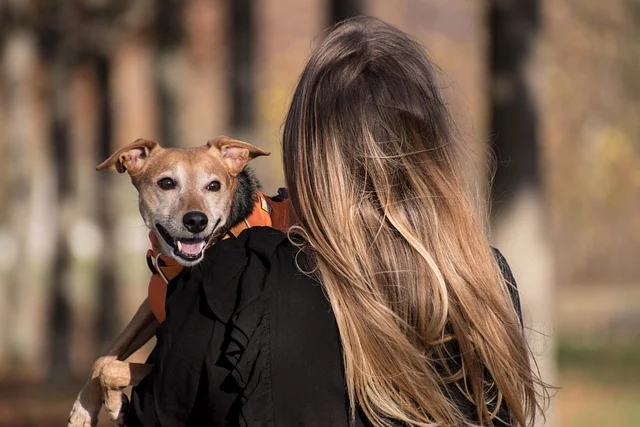
- Correct Lifting Technique: Always lift a Golden Doxie by supporting its full spine. Place one hand beneath its chest between the front legs. Use your other hand to support its rear legs and hindquarters. This keeps its back level.
- Maintain Lean Weight: Excess weight adds continuous physical strain on the spinal column.
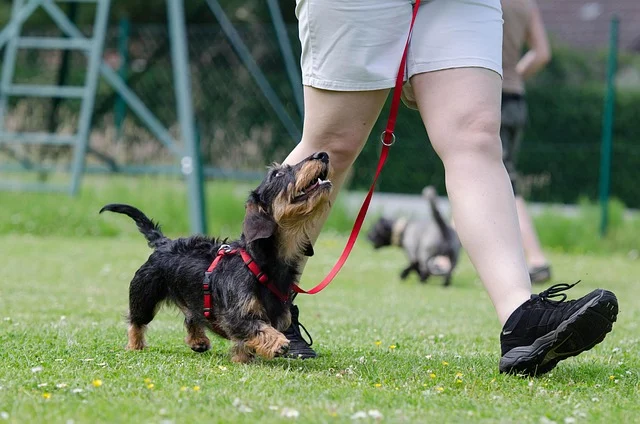
- Use a Harness: Always use a harness instead of a collar for walks. A collar can put pressure on the neck and spine, especially if the dog pulls, exacerbating potential spinal issues.
Hip dysplasia
Golden Retrievers carry a genetic predisposition to hip dysplasia. This is a malformation of the ball-and-socket hip joint. It causes arthritis and mobility loss. Also, a heavy retriever torso can sit atop shortened Dachshund legs. This increases abnormal wear on joint cartilage. You can screen parent stock to lower this risk. You can also manage puppy growth rates.
Bloat (Gastric Dilatation-Volvulus)
A golden retriever dachshund mix often inherits a deep chest. Because of this, they are susceptible to gastric dilatation-volvulus (bloat). This is a life-threatening emergency. The stomach fills with gas and twists on its axis. This twisting cuts off blood flow. You can prevent bloat. Divide food into two smaller daily meals. Also, use slow-feeder bowls. Restrict heavy exercise for one hour after feeding.
Eye and heart conditions
Golden Doxies can inherit eye disorders. These include Progressive Retinal Atrophy (PRA) and juvenile cataracts. They can also inherit cardiac conditions like subaortic stenosis. Regular annual health checks with a qualified veterinarian ensure early detection. They also ensure management of these hereditary risks.
A healthy Golden Retriever Dachshund mix lives 10 to 14 years. This lifespan averages true with proper nutrition, controlled exercise, and spinal care.
How much exercise and mental stimulation do they need?
A Golden Doxie requires a thoughtful exercise routine that provides moderate physical exertion without stressing their vulnerable spine. Aim for 30 to 60 minutes of total physical exercise daily, split into two manageable sessions.
Low-impact physical exercise
The structural shape of a Golden Doxie demands low-impact workouts. Ideal physical activities include:
- Leashed Walking: Steady walks on flat grass or asphalt pavements keep joints active and maintain lean muscle tone. Avoid prolonged walking on hard surfaces like concrete, which can be jarring.
- Controlled Fetch: Play gentle fetch games. Use low-bouncing soft toys on flat grass. Do not launch balls high in the air. This forces your dog to leap, twist, or land hard on its front legs.
- Swimming: Gentle swimming offers an exceptional workout. It builds cardiovascular health and core muscle strength. Also, it places no weight or pressure on spinal discs. Ensure you fit your dog with a supportive dog life jacket.
Mental stimulation and nosework
Both Golden Retrievers and Dachshunds possess working minds that require daily mental engagement. A bored Golden Doxie will turn to destructive chewing or garden excavation. Incorporate mental stimulation into their daily routine:
- Scent Work: Hide high-value treats around the house or garden for the dog to track down using its nose. This taps into their natural hound instincts.
- Puzzle Toys: Use food puzzle toys and snuffle mats to slow down meal consumption and challenge their problem-solving abilities.
- Basic Skill Refreshers: Run short, five-minute training sessions daily to keep their focus sharp and reinforce obedience.
Training and socialisation strategies for a stubborn hybrid
Training a Golden Doxie requires understanding two distinct working styles. Golden Retrievers learn quickly because they care deeply about human approval. Dachshunds, conversely, were bred to work independently underground without human oversight, making them tenacious and self-directed.
Positive reinforcement techniques
Harsh corrections, loud shouting, or force-based training methods backfire completely with this mix. A Dachshund-dominant personality will become defensive or stubborn, while a Golden-dominant mind will shut down from stress. Use positive reinforcement:
- Reward correct behaviors immediately with small, high-value treats (like freeze-dried liver or cooked chicken), enthusiastic praise, or short play rewards.
- Keep training sessions brief (5 to 10 minutes) and fun to maintain focus before independent stubbornness sets in.
- Follow structured guidance from established breed standards. For example, the Dachshund Club of America emphasizes patient, reward-based consistency for hound breeds.
Managing housebreaking challenges
Housebreaking a Dachshund cross can test your patience. Small bladders combine with an aversion to wet or cold weather. So, Golden Doxies may hesitate to eliminate outdoors during rain or winter snow. Establish a reliable routine:
- Take the puppy outside immediately after waking up, after every meal, and following play sessions.
- Escort them outdoors on a lead to a designated toilet spot rather than letting them wander freely.
- Reward outdoor elimination immediately with a treat and praise before returning indoors.
- Use an appropriately sized crate to prevent indoor accidents during unsupervised hours.
Early socialisation window
Between 8 and 16 weeks of age, expose your puppy to a wide variety of sights, sounds, people, and other dogs. Introduce them gently to children, men with hats, bicycles, vacuum cleaners, and busy street environments. Controlled, positive exposure prevents the Dachshund’s natural wariness from turning into fear-based reactivity or protective aggression as an adult.
Feeding and nutrition guidelines for joint and back care
Carrying extra weight drastically increases spinal disc failure. It also increases joint degeneration. Therefore, weight management is the most critical factor. It keeps a Golden Doxie healthy.

Calorie control and body condition
Always measure food rations. Use a digital kitchen scale or standard measuring cup. Do not free-feed or estimate portions by eye. You should be able to feel your dog’s ribs easily under a thin layer of fat. They should also feature a visible waistline when you view them from above.
When you budget for long-term ownership, consider feed costs. Also, include other ownership expenses. For example, budget for grooming and routine healthcare. This is much like budgeting for a Golden Retriever or other medium-sized breeds.
Key nutrient requirements for a Golden Doxie
Select a high-quality commercial dog food that meets nutritional standards set by regulatory pet food authorities. Look for specific formula characteristics:
- Named Animal Proteins: Deboned chicken, lamb, salmon, or beef should be the first listed ingredient to maintain lean muscle tissue.
- Joint Support Compounds: Look for foods enriched with glucosamine. Also, find chondroitin sulfate and omega-3 fatty acids. These come from fish oil (EPA and DHA). They soothe joint tissue and support cartilage health.
- Controlled Calories: Avoid high-calorie working-dog or performance formulas unless your dog engages in intense daily activity. Moderate protein and lower fat levels suit their standard energy needs best.
How much does a Golden Retriever Dachshund mix cost?
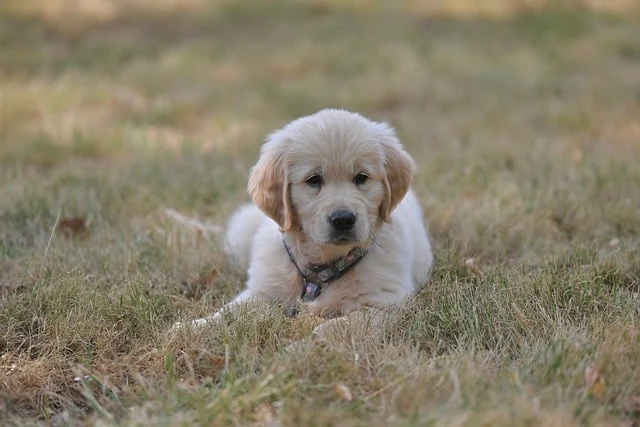
The price of a Golden Retriever Dachshund mix puppy can vary. This depends on location and breeder reputation. It also depends on the parent breeds’ lineage. Finally, the puppy’s specific traits affect the cost. On average, you can expect to pay $800 to $2,000. This is for a Golden Doxie puppy from a reputable breeder. Puppies from parents with extensive health clearances may cost more. Also, championship lines can command higher prices.
Initial and ongoing costs to consider
Beyond the initial purchase price, prepare for ongoing expenses:
- Veterinary Care: Initial puppy vaccinations, deworming, microchipping, and spaying/neutering can cost $300-$800. Annual vet check-ups, preventative medications (flea, tick, heartworm), and potential treatments for inherited conditions like IVDD can add $500-$1,000+ per year.
- Food: High-quality dog food for a Golden Doxie can range from $40-$80 per month, depending on size and brand.
- Grooming: Professional grooming, especially for wirehaired or longhaired variants, can cost $50-$100 every 2-3 months. Even smooth-coated dogs require regular nail trims and ear cleaning.
- Supplies: Crates, beds, leashes, harnesses, toys, and training aids represent an initial investment of $200-$500.
- Training: Puppy classes or professional training can cost $150-$300 for a basic course.
- Pet Insurance: Monthly premiums for pet insurance can range from $30-$70, offering financial protection against unexpected medical emergencies.
Where can you find a Golden Retriever Dachshund mix for sale or adoption?
Finding a Golden Doxie requires careful research to ensure you are acquiring a healthy, well-socialized puppy or dog. You have several options, each with its own considerations.
Reputable breeders
When searching for a Golden Doxie puppy, prioritize breeders who focus on health and temperament. A responsible breeder will:
- Health Screen Parents: Provide proof of health clearances for both parents. This includes the Golden Retriever and Dachshund. For Goldens, provide hip evaluations. Also, include eye exams. Genetic testing is important for conditions common to both breeds. For example, test for IVDD in Dachshunds.
- Allow Visits: Welcome you to visit their facility to meet the parent dogs and see the puppies’ living conditions.
- Provide References: Offer references from previous buyers and their veterinarian.
- Ask Questions: Interview you to ensure you are a suitable owner for one of their puppies.
- Offer a Health Guarantee: Provide a written health guarantee for their puppies.
Avoid breeders who offer multiple litters of different breeds. Also, do not buy from those who sell puppies to pet stores. Never choose a breeder who won’t let you see the parents or facility. A good starting point is often breed club websites for Golden Retrievers or Dachshunds. They sometimes list reputable crossbreed litters. Or, they can refer you to ethical breeders of similar mixes.
Rescue organizations and shelters
Adopting a Golden Doxie or similar mix can be rewarding. Purebred Golden Doxie puppies are less common in shelters. However, you may find older dogs. You might also find other Golden Retriever or Dachshund mixes. These dogs need homes. Look for:
- Breed-Specific Rescues: Many Golden Retriever rescues and Dachshund rescues also take in mixes of their respective breeds. Searching for “Golden Retriever rescue near you” or “Dachshund rescue near you” can yield results.
- All-Breed Shelters: Local animal shelters and humane societies often have a variety of mixed-breed dogs. Be upfront about the specific traits you are looking for, and staff can help you identify suitable matches.
- Online Adoption Platforms: You can search for dogs by breed, age, and location. Websites like Petfinder or Adoptapet allow this, including for mixed breeds.
Adoption fees typically range from $150-$500 and usually include spaying/neutering, initial vaccinations, and microchipping.
What to look for in a Golden Doxie puppy
When selecting a puppy, observe its behavior and physical condition:
- Temperament: Look for a puppy that is curious, friendly, and not overly shy or aggressive. They should engage with you but also be comfortable exploring independently.
- Health: The puppy should have clear eyes, clean ears, a shiny coat, and no signs of limping or discomfort. Ask about the litter’s feeding schedule and any previous health concerns.
- Environment: Ensure you raise the puppies in a clean, stimulating environment. They need plenty of social interaction.
Is a Golden Doxie the right pet for your family?
The Golden Retriever Dachshund mix offers exceptional companionship. However, its physical and mental traits mean it is not suitable for every household or living situation.

Who this dog suits best
A Golden Doxie is an excellent match for:
- Single-Story Homes: These homes have flat ground-floor layouts. Also, homes fitted with indoor ramps eliminate the need for climbing long staircases.
- Active, Patient Families: Owners who enjoy daily low-impact walks, basic training practice, and games of scent work.
- Families with Older Children: Children in these households understand gentle dog handling. They do not pick up dogs roughly or pull on their long spines.
- Owners Home During the Day: People who work from home have flexible schedules. This allows them to spend consistent time with an affectionate, velcro-style companion.
Who should consider a different dog
A Golden Doxie is NOT suitable for:
- Multi-Story Walk-Up Apartments: Apartments without lifts force dogs to climb steep stairs multiple times daily. As a result, this severely increases their risk of crippling IVDD.
- Homes with Unmonitored Toddlers: Young children may accidentally fall onto a small dog. They might also step on its elongated torso. Alternatively, they could pull it. This can cause spinal injuries. It may also provoke a defensive nip.
- Households Seeking Off-Leash Trail Dogs: Golden Doxies have an inherited hound prey drive. Many of them will break recall. They will chase wildlife or scent trails. So, off-leash park walks become risky.
- Homes with Free-Roaming Small Pets: Dachshund hunting instincts are strong. Therefore, loose rodents, rabbits, or ferrets are unsafe around this mix. You can also evaluate other options. For example, consider the Wirehaired Dachshund: Personality, Care, and Quirks. These are smaller hound mixes with different physical profiles.
Frequently asked questions
What is the average lifespan of a Golden Retriever Dachshund mix?
The average lifespan of a Golden Doxie ranges from 10 to 14 years. Longevity depends on proper weight management, preventive spinal care, regular dental hygiene, and routine veterinary check-ups.
Are Golden Doxies good with young children?
They can be wonderful with respectful children. This is especially true if they inherit the gentle nature of the Golden Retriever. However, you must always supervise interactions. Rough handling or dropping the dog can cause severe back injuries. This prompts a defensive reaction from the dog.
How much exercise does a Golden Doxie require each day?
A Golden Doxie needs 30 to 60 minutes of low-impact physical exercise daily, split into two walks on flat terrain. Avoid high-impact jumping or steep stair climbing to protect their back.
How can I protect my Golden Doxie from spinal back issues like IVDD?
Prevent spinal stress in your dog. First, install dog ramps near furniture. Keep your dog at a lean weight. Also, use a chest harness on walks instead of a collar. When lifting them, support both their front and back ends.
Do Golden Retriever Dachshund mixes shed a lot?
Shedding depends on your dog’s coat type. Smooth-coated mixes shed lightly. However, double-coated or longhaired variants shed moderately year-round. They also shed heavily twice a year during seasonal coat blows. Therefore, they require regular brushing.