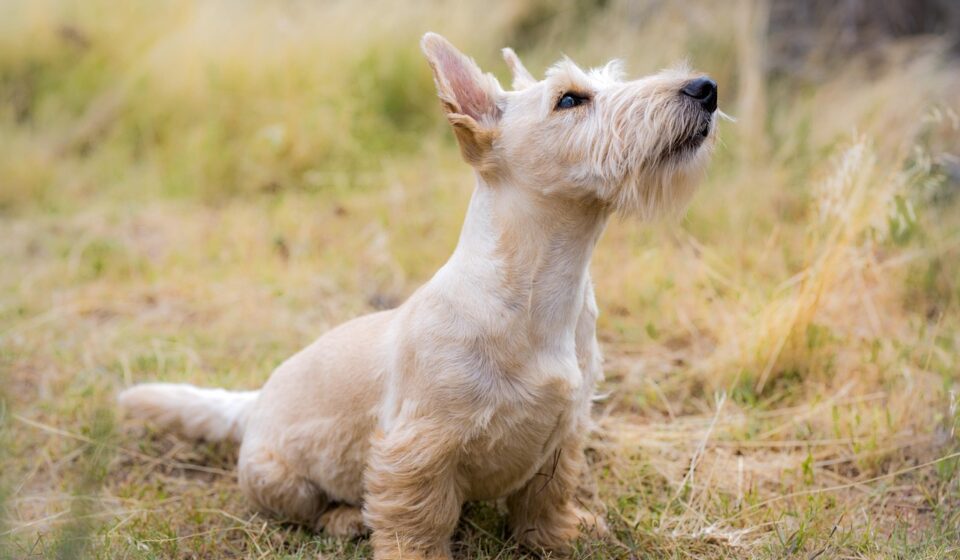
Dog Restless at Night in 2026: A complete guide
A dog restless at night is a common, yet often perplexing, issue for devoted pet owners. As of May 2026, understanding the root causes is more critical than ever for ensuring your canine companion receives adequate rest, which directly impacts their overall health and happiness.
- Canine restlessness at night can stem from medical conditions, behavioural issues, or environmental factors.
- Rule out pain or discomfort caused by illness or injury with a veterinary check-up.
- Adjusting the dog’s daily routine, diet, and sleeping environment can often resolve behavioural restlessness.
- Sudden changes in a dog’s sleep patterns warrant professional veterinary advice.
- Patience and consistent management strategies are key to addressing nighttime dog restlessness.
Most owners are familiar with the gentle rhythm of a sleeping dog: deep breaths, occasional twitches, and a peaceful stillness. But when that stillness is replaced by pacing, whining, or an inability to settle, it’s natural to worry. This guide delves into the myriad reasons why your dog might be restless at night and offers actionable strategies for restoring calm and ensuring restorative sleep for everyone in the household.
Understanding the Spectrum of Nighttime Restlessness
A dog restless at night isn’t a single problem but a symptom with diverse origins. From a puppy struggling to adapt to new surroundings to an older dog experiencing age-related changes, the manifestations can vary. We’ll explore the common culprits, categorised into medical, behavioural, and environmental influences, to help you pinpoint the likely cause.
The complexity arises because a dog’s sleep behaviour is influenced by a delicate interplay of physical well-being, psychological state, and external stimuli. A change in any one of these areas can disrupt their nocturnal peace. For instance, a dog that’s perfectly healthy might become restless due to a new noise outside, or a dog that’s usually calm might exhibit restlessness due to an underlying medical discomfort they can’t communicate.
It’s crucial to differentiate between occasional restlessness and a persistent pattern. A single night of disrupted sleep might be due to a transient event, such as fireworks or a change in routine. However, if your dog is consistently restless at night, it signals a deeper issue that requires investigation.
Medical Conditions Causing Nighttime Restlessness
One of the primary reasons a dog might be restless at night is an underlying medical condition. Pain is a significant disruptor of sleep, and dogs are adept at hiding discomfort until it becomes severe. Conditions such as arthritis, hip dysplasia, or injuries can cause chronic pain that worsens when the dog is lying down for extended periods.
Gastrointestinal issues, including indigestion, gas, or more serious conditions like bloat, can lead to discomfort and restlessness. Your dog might whine, shift positions frequently, or seem unable to get comfortable. According to the Royal Veterinary College, gastrointestinal upset is a common reason for acute, sudden onset of restlessness in dogs, often accompanied by other signs like appetite changes or vomiting.
Neurological disorders can also manifest as nighttime restlessness. Conditions like canine cognitive dysfunction (CCD), similar to dementia in humans, can cause confusion, disorientation, and changes in sleep-wake cycles. A dog with CCD may wander aimlessly, vocalise excessively, or appear distressed during the night. Conditions affecting the urinary system, such as urinary tract infections or kidney disease, can lead to increased urination frequency, disrupting sleep.
Specific Medical Concerns to Investigate
- Pain and Inflammation: Arthritis, injuries, dental problems, or post-operative discomfort.
- Gastrointestinal Upset: Indigestion, gas, inflammatory bowel disease (IBD), or dietary indiscretions.
- Neurological Issues: Canine Cognitive Dysfunction (CCD), epilepsy, or other brain-related disorders.
- Urinary or Renal Problems: Urinary tract infections (UTIs), kidney disease, or incontinence.
- Hormonal Imbalances: Conditions like Cushing’s disease or hypothyroidism can affect sleep patterns.
- Allergies and Skin Conditions: Persistent itching or discomfort can make settling impossible.
If you suspect a medical cause, a prompt visit to your veterinarian is essential. They can perform a thorough physical examination, discuss your dog’s history, and recommend diagnostic tests, such as blood work or X-rays, to identify and treat the underlying issue. Early intervention often leads to a better prognosis and quicker relief for your dog.
Behavioural and Psychological Factors
Beyond physical ailments, a dog restless at night can often be experiencing behavioural or psychological distress. Anxiety is a major contributor. This can manifest as separation anxiety if the dog is left alone, or generalised anxiety stemming from a fear of storms, fireworks, or even the presence of unfamiliar people or animals.
A dog that’s unable to settle at night may be experiencing boredom or a lack of sufficient stimulation during the day. Insufficient physical exercise or mental engagement can lead to pent-up energy that the dog struggles to release, resulting in restless behaviour when they should be sleeping. This is particularly common in younger, high-energy breeds.
Changes in the household can also trigger anxiety and restlessness. This includes the introduction of a new pet, a new baby, a family member leaving, or even a change in your work schedule. Dogs are sensitive to routine and upheaval, and they may express their unease through disturbed sleep.
Common Behavioural Triggers
- Separation Anxiety: Distress when left alone or separated from their primary caregiver.
- Fear and Phobias: Specific fears of loud noises (fireworks, thunder), strangers, or other animals.
- Boredom and Lack of Stimulation: Insufficient physical exercise or mental challenges during the day.
- Learned Behaviour: If restlessness has previously resulted in owner attention (even negative), the dog may repeat it.
- Age-Related Behavioural Changes: Similar to CCD in older dogs, younger dogs can also experience behavioural shifts.
Addressing behavioural causes often requires a multi-pronged approach. This might involve gradual desensitisation and counter-conditioning for phobias, increasing daily exercise and enrichment activities, and establishing a consistent, predictable routine. In some cases, consultation with a qualified veterinary behaviourist or a certified dog trainer can provide tailored strategies.
Environmental Influences on Sleep Quality
The sleeping environment itself plays a critical role in a dog’s ability to rest peacefully. External factors can be significant disruptors. For example, if your dog sleeps in a room that’s too hot or too cold, it can lead to discomfort and restlessness. Dogs, like humans, have optimal temperature ranges for sleep.
Noise pollution is another major environmental factor. Even sounds that seem minor to us – a neighbour’s late-night television, traffic noise, or the hum of appliances – can be amplified for a dog’s sensitive hearing, keeping them on edge. Similarly, if the sleeping area is too brightly lit, it can interfere with their natural circadian rhythms.
The dog’s sleeping space needs to be a sanctuary. If their bed is uncomfortable, too small, or located in a high-traffic area of the house, they may struggle to relax. Consider the type of bedding: is it supportive and cosy? Is it easy for the dog to get on and off if they have mobility issues?
Optimising the Sleeping Environment
- Temperature Control: Ensure the room is at a comfortable temperature, typically between 15-20°C (60-70°F) for most dogs.
- Noise Reduction: Use white noise machines or ensure windows are well-insulated to minimise external sounds.
- Appropriate Lighting: Opt for dim or dark conditions. Blackout curtains can be helpful.
- Comfortable Bedding: Provide a supportive, appropriately sized bed that’s easy to access. Orthopaedic beds are beneficial for older dogs.
- Sense of Security: Place the bed in a quiet, safe-feeling area where the dog won’t be disturbed by household comings and goings.
Making thoughtful adjustments to your dog’s sleeping environment can have a profound impact on their ability to settle and sleep soundly through the night.
Diet and Exercise: Key Pillars of Restful Sleep
What and when your dog eats, and how much energy they expend during the day, are fundamental to their ability to sleep well. A diet that’s too rich, too heavy, or fed too close to bedtime can cause digestive upset and restlessness. Similarly, insufficient exercise means a dog may simply have too much pent-up energy to relax.
For instance, feeding your dog a large meal just before their final potty break and bedtime can lead to discomfort. It’s often recommended to feed meals at least 2-3 hours before they are expected to sleep. If your dog is prone to gas or bloating, consider a diet formulated for sensitive stomachs. According to a 2025 survey on canine nutrition by the Pet Food Manufacturers Association (PFMA), dietary adjustments are among the top three interventions owners try for mild sleep disturbances.
Exercise needs vary by breed, age, and individual energy levels. A working breed like a Border Collie will require significantly more physical and mental stimulation than a Basset Hound. A lack of adequate exercise throughout the day can result in a dog that’s too wired to settle when it’s time for bed. Conversely, over-exercising, especially intense activity close to bedtime, can also make it difficult for some dogs to wind down.
Tailoring Diet and Exercise
- Feeding Schedule: Establish consistent feeding times, with the last meal several hours before bedtime.
- Diet Quality: Choose a high-quality, balanced diet appropriate for your dog’s age, breed, and health status. Consult your vet about specialised diets if needed.
- Daily Exercise: Aim for at least 30-60 minutes of moderate exercise daily for most adult dogs, tailored to their capabilities.
- Mental Stimulation: Incorporate puzzle toys, training sessions, and scent games to provide mental engagement.
- Wind-Down Period: Allow at least 30-60 minutes of quiet time after exercise and before bedtime.
By carefully managing your dog’s diet and ensuring they get sufficient, appropriate exercise, you build a strong foundation for peaceful nights.
Age-Related Restlessness
As dogs age, their sleep patterns can change, leading to increased nighttime restlessness. Older dogs may suffer from conditions like arthritis, which makes finding a comfortable position difficult. They might also experience Canine Cognitive Dysfunction (CCD), a neurodegenerative condition that affects memory, awareness, and behaviour, often leading to confusion and disrupted sleep-wake cycles.
According to the American Animal Hospital Association (AAHA), approximately 50% of dogs over the age of 11 show signs of CCD. Symptoms can include disorientation, changes in social interaction, sleep-wake cycle disturbances (such as being restless at night and more active during the day), and house-soiling accidents. This condition is progressive, and while there’s no cure, management strategies can significantly improve a dog’s quality of life.
Another factor in older dogs is a potential decline in sensory perception. Hearing or vision loss can make them more startled by noises or less aware of their surroundings, leading to anxiety and restlessness. They might also experience increased frequency of urination due to reduced kidney function or weakened bladder control, necessitating more frequent trips outside.
Addressing Restlessness in Senior Dogs
- Veterinary Assessment: Rule out or manage medical conditions like arthritis, UTIs, or CCD.
- Comfortable Environment: Provide supportive bedding and ensure easy access to their sleeping area.
- Environmental Aids: Consider nightlights for dogs with vision impairment or white noise machines to mask startling sounds.
- Medication/Supplements: Your vet may prescribe medication or supplements to manage pain, anxiety, or CCD symptoms.
- Consistent Routine: Maintain a predictable schedule for feeding, exercise, and potty breaks.
Caring for an older dog requires patience and a deep understanding of their changing needs. Addressing nighttime restlessness in senior dogs is a key part of ensuring their comfort and dignity in their twilight years.
The Role of Stress and Anxiety
Stress and anxiety are significant drivers of a dog restless at night. Dogs are creatures of habit and can become unsettled by any disruption to their routine or environment. This could be a change in the family’s schedule, a new person in the house, a move to a new home, or even a change in their owner’s emotional state.
Separation anxiety is a particularly common cause. Dogs that have become overly attached to their owners may become distressed when left alone, even for short periods. This distress can manifest as pacing, whining, destructive behaviour, and significant restlessness during the night when their human companion is asleep or away. According to a study published in the Journal of Veterinary Behavioural Clinical Applications, separation anxiety affects an estimated 14% of dogs, with symptoms often exacerbated when the owner is not present.
Other anxieties, such as noise phobias (e.g., fireworks, thunderstorms), can also cause a dog to be restless at night. The anticipation of these events or their occurrence can lead to a state of hypervigilance, making sleep impossible. A dog experiencing anxiety might pant excessively, tremble, try to hide, or constantly seek reassurance from their owner.
Strategies for Managing Anxiety
- Identify Triggers: Pinpoint what specific situations or events cause your dog anxiety.
- Desensitisation and Counter-Conditioning: Gradually expose your dog to triggers at low intensity while pairing them with positive experiences (e.g., treats).
- Create a Safe Space: Provide a den-like area (crate, bed in a quiet corner) where your dog feels secure.
- Calming Aids: Consider pheromone diffusers, calming supplements (consult your vet), or anxiety wraps.
- Professional Help: Consult a veterinary behaviourist or certified trainer for a tailored anxiety management plan.
Addressing anxiety requires a consistent, compassionate approach. The goal is to help your dog feel safe and secure, enabling them to relax and sleep soundly.
Practical Solutions for a Restless Dog
Once you have a better understanding of the potential causes, you can begin implementing practical solutions. The approach will depend heavily on the identified reason for the restlessness. For medical issues, veterinary treatment is paramount. For behavioural or environmental problems, a combination of management techniques is usually most effective.
For Medical Causes:
- Follow your veterinarian’s treatment plan diligently. This might include pain medication, special diets, or surgery.
- Ensure your dog has a comfortable, easily accessible resting place, perhaps with ramps or raised beds if mobility is an issue.
- Monitor for any changes in symptoms and report them to your vet.
For Behavioural Causes:
- Increase Exercise and Mental Stimulation: Ensure your dog gets enough physical activity during the day and engage their mind with training games or puzzle toys. A tired dog is more likely to sleep well.
- Establish a Routine: Consistent feeding, walking, and bedtime routines can provide a sense of security.
- Calming Techniques: Use a pheromone diffuser like Adaptil, play calming music, or try a weighted anxiety wrap.
- Positive Reinforcement Training: Reward calm behaviour at night. Avoid inadvertently rewarding restless behaviour with attention.
For Environmental Causes:
- Optimise the Sleeping Area: Ensure it’s quiet, dark, comfortably warm, and features a supportive bed.
- Masking Noises: A white noise machine can help drown out disruptive sounds.
- Consider Doggy Daycare or More Outings: If boredom is the issue, ensure your dog has ample opportunity to expend energy.
It’s often a process of trial and error to find the most effective combination of strategies. Your patience and observation are key to helping your dog achieve restful sleep.
When to Seek Professional Help
While many instances of a dog restless at night can be managed with home adjustments and behavioural strategies, there are times when professional intervention is necessary. If your dog’s restlessness is sudden, severe, or accompanied by other concerning symptoms like lethargy, vomiting, diarrhoea, loss of appetite, or signs of pain, it’s crucial to contact your veterinarian immediately.
Persistent restlessness that doesn’t improve despite your best efforts should also prompt a veterinary visit. They can rule out any underlying medical conditions that might have been missed or are developing. For complex behavioural issues, particularly those involving significant anxiety or aggression, seeking the guidance of a board-certified veterinary behaviourist or a qualified professional dog trainer specialising in behaviour is highly recommended. Organisations such as the Association of Pet Behaviour Counsellors (APBC) in the UK can provide referrals to qualified professionals.
Remember, veterinary professionals are your primary resource for diagnosing and treating medical causes. Behaviourists and trainers can offer expert advice and practical techniques for managing behavioural and environmental factors, helping to restore peace to your nights.
Frequently Asked Questions
Why is my dog restless at night but fine during the day?
This pattern often points to anxiety triggered by specific nocturnal events (noises, darkness), separation anxiety if you’re asleep elsewhere, or medical discomfort that’s more noticeable when lying down. It can also be a sign of Canine Cognitive Dysfunction in older dogs.
Can diet be a cause of a dog being restless at night?
Yes, an improperly balanced diet, feeding too close to bedtime, or food sensitivities can cause digestive upset, gas, or discomfort, leading to restlessness. Ensure your dog’s food is high-quality and consider feeding times carefully.
How much exercise does a dog need to sleep well?
Daily exercise needs vary greatly by breed and age, but most adult dogs benefit from at least 30-60 minutes of moderate activity. Insufficient exercise leads to pent-up energy, while excessive exercise close to bedtime can overstimulate some dogs.
Is it normal for puppies to be restless at night?
Puppies often experience restlessness at night due to needing frequent potty breaks, adjusting to a new environment, teething discomfort, or separation anxiety from their mother and littermates. Establishing a routine and providing a secure sleeping space can help.
What are signs of pain in a restless dog?
Look for changes in posture, limping, reluctance to move, yelping when touched, excessive licking of a specific area, panting, or shallow breathing. If pain is suspected, a veterinary examination is essential.
Can thunderstorms make my dog restless at night?
Absolutely. Many dogs have a fear of thunderstorms, and the associated sounds, changes in barometric pressure, and static electricity can cause significant anxiety and restlessness, even if the storm occurs overnight.
Conclusion
A dog restless at night is a signal that something is amiss, whether it’s a physical ailment, an emotional struggle, or an environmental issue. By systematically investigating potential causes, from medical conditions and behavioural triggers to dietary habits and sleeping arrangements, you can identify the root of the problem. Implementing tailored solutions, often in consultation with your veterinarian or a behaviour specialist, can restore peace and ensure your beloved canine companion enjoys the restorative sleep they need to thrive.