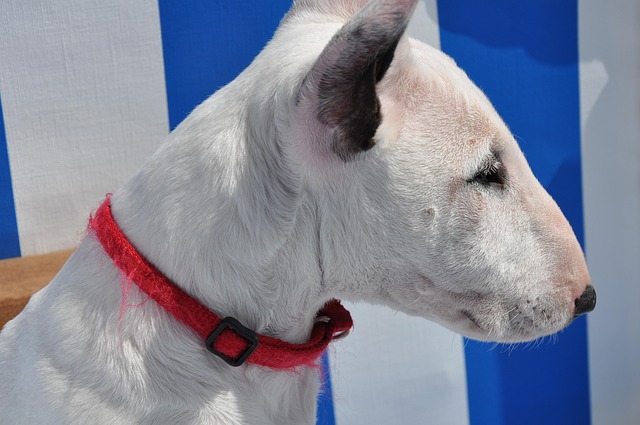
these progenitors with the English White Terrier, aiming for a more refined yet strong dog. This historical blend has resulted in a breed with a distinctly muscular build, a deep chest, and that iconic, smooth, egg-shaped head, often described as ‘Roman-nosed’.
Last updated: July 13, 2026
The breed comes in two main varieties: the standard Bull Terrier and the Miniature Bull Terrier. While they share the same core characteristics, the miniature version is, as the name suggests, a smaller-sized dog. Both varieties typically exhibit a short, fine coat that can come in white, or any colour marked with white, brindle, black, or red. Their triangular eyes, often called ‘bull’s eyes’, contribute to their alert and somewhat impish expression.

Temperament and Behavioural Traits: A Spirited Companion
The Bull Terrier’s temperament is often described as playful, mischievous, and fiercely loyal. These dogs thrive on human companionship and can become quite attached to their families. Their intelligence is undeniable, but it often comes with a streak of stubbornness, meaning consistent and positive reinforcement training is essential from an early age. They possess a good deal of energy and require regular exercise to prevent boredom, which can sometimes lead to destructive behaviours.
Despite their strong appearance and historical roots, Bull Terriers are generally not inherently aggressive, especially when well-socialized. However, their terrier heritage means they can have a strong prey drive, and they may not be best suited for homes with very small animals like hamsters or rabbits unless introduced carefully and supervised. Their playfulness can sometimes be boisterous, and they may not always realise their own strength. This makes them ideal for families with older children who understand how to interact with dogs respectfully, rather than very young children who might be accidentally knocked over during enthusiastic play.
A common misconception is that Bull Terriers are always aggressive. In reality, as noted by the American Kennel Club, their temperament is largely shaped by socialization and training. Early exposure to various people, places, and other animals can foster a well-adjusted dog. Potential owners should be prepared for a dog that demands attention and engagement, as they can become anxious or withdrawn if left alone for extended periods without sufficient mental and physical stimulation.
Health and Lifespan Considerations
Like many purebred dogs, Bull Terriers are prone to certain hereditary health conditions. One of the most significant concerns, particularly in white Bull Terriers, is deafness. According to the Wikipedia entry on Bull Terriers, white individuals have a strong tendency towards deafness, affecting approximately 13.87% of them, with a further 20.4% being unilaterally deaf (deaf in one ear). Responsible breeders will conduct hearing tests on puppies to identify any potential issues.
Skin allergies, or atopic dermatitis, are also relatively common in the breed, often manifesting as itching, redness, or hair loss. These can be triggered by environmental factors or food sensitivities. Additionally, Bull Terriers can be predisposed to kidney or heart issues, and certain joint problems like hip dysplasia. According to the University of Liverpool’s research on canine health (2024), specific genetic markers are being investigated to identify and mitigate these conditions in future generations.
The average lifespan of a Bull Terrier is typically between 10 to 12 years. Miniature Bull Terriers may have a slightly shorter lifespan, often around 10–11 years. Proactive veterinary care, including regular check-ups, vaccinations, and prompt attention to any signs of illness, is crucial for ensuring your Bull Terrier lives a long and healthy life. Early detection of health issues can significantly improve prognosis and quality of life.

Training and Socialization Strategies
Effective training for a Bull Terrier hinges on consistency, patience, and positive reinforcement. These dogs respond best to methods that engage their intelligence and reward good behaviour, such as praise, treats, and play. Harsh or punitive methods can be counterproductive, potentially leading to fear or aggression. Early socialization is non-negotiable; exposing puppies to a wide range of people, sounds, environments, and other animals from about 8 to 16 weeks of age is critical.
This early exposure helps them develop into well-adjusted adults who are confident and comfortable in various situations. Enrolling in puppy socialization classes is highly recommended. As they grow, obedience training should continue. Basic commands like ‘sit’, ‘stay’, ‘come’, and ‘down’ are essential for safety and control. Given their strength, a solid ‘recall’ command is particularly important.
Bull Terriers can also be prone to digging and chewing if bored or anxious. Providing plenty of appropriate chew toys and ensuring they have sufficient physical and mental exercise can help redirect these natural behaviours. Puzzle toys and interactive games are excellent tools for keeping their minds occupied. For those considering adoption, as highlighted by organisations like Cobb Courier, understanding the dog’s history and temperament is key to successful integration into a new home.
Living with a Bull Terrier: Lifestyle Considerations
A Bull Terrier can be a wonderful addition to an active household, but they are not suited for every lifestyle. They require owners who are committed to providing consistent training, socialization, and sufficient exercise. Their energy levels mean they benefit from daily walks, playtime in a secure yard, and opportunities for mental stimulation.
While they can adapt to apartment living if their exercise needs are met, they generally thrive in homes with space to move. A securely fenced yard is highly recommended, as their prey drive and energetic nature can lead them to chase after perceived ‘prey’ if not properly contained. For those living in urban environments, ensuring adequate opportunities for safe off-leash exercise in designated dog parks or training facilities is important.
Potential owners should also consider the financial commitment. Beyond the initial purchase or adoption fee (which can range from £1,000 to over £2,500 for a puppy from a reputable breeder, according to sources like Happy Dog Breeds), ongoing costs include food, veterinary care, training classes, grooming supplies, and potential emergency vet visits. According to a 2025 survey by Pet Insurance UK, annual pet care costs for a medium-sized dog like a Bull Terrier can range from £700 to £1,100, excluding major medical procedures.
Bull Terriers in the Family Dynamic
When properly socialized and trained, Bull Terriers can be incredibly affectionate and loyal family members. Their playful nature makes them engaging companions for children, provided interactions are supervised and respectful. Their strong bond with their family can make them protective, though this should not be mistaken for aggression.
It’s important to remember that the breed’s history means they can sometimes be prone to dog-dog aggression if not properly socialized from a young age. Introducing new dogs into a household with an existing Bull Terrier should be done cautiously and with careful supervision. As reported by NBC 7 San Diego in a recent ‘Pet of the Week’ feature showcasing an 8-year-old American Pit Bull Terrier Mix, adoption centres often have dogs with varied temperaments and histories, making thorough meet-and-greets essential.
For families considering a Bull Terrier, commitment is key. This breed needs an owner who can provide clear leadership, consistent boundaries, and plenty of love and attention. They are not a low-maintenance breed and require an engaged owner willing to invest time and effort into their well-being.
Common Mistakes to Avoid
One of the most common mistakes prospective owners make is underestimating the Bull Terrier’s energy levels and need for mental stimulation. This can lead to boredom, anxiety, and unwanted behaviours like excessive barking or destruction. Another pitfall is inconsistent training, which can allow their stubborn streak to dominate. Owners must be firm yet fair, establishing clear rules from day one.
Failing to socialise a Bull Terrier puppy adequately is a significant error. A lack of exposure to different people, dogs, and environments can result in a fearful or reactive adult dog, which can be challenging to manage. Some owners might overlook potential health issues, delaying veterinary visits until a condition is advanced. Regular health screenings and prompt attention to any changes in behaviour or physical condition are vital.
Finally, assuming that their dog will naturally be good with other animals or young children without proper introductions and supervision is a mistake. While Bull Terriers can be loving pets, their powerful build and terrier instincts require careful management around vulnerable family members and other pets. As tragic incidents, such as the one reported in Germany where a girl died after a dog bite in July 2026, underscore the critical importance of responsible dog ownership and understanding breed-specific traits.
Expert Tips for Bull Terrier Owners
For those committed to the breed, here are some expert insights for a thriving relationship with your Bull Terrier. Prioritise early and ongoing socialization. Consider enrolling in positive reinforcement training classes. Ensure they receive at least an hour of vigorous exercise daily, including walks, runs, or games of fetch.
Provide a mentally stimulating environment with puzzle toys and training sessions. Regular grooming, including brushing their short coat and cleaning their ears and eyes, is important. For health, establish a good relationship with a veterinarian experienced with terrier breeds and be vigilant for signs of allergies or deafness. As noted by sources discussing pet adoption, finding a reputable breeder or rescue organisation that can provide health clearances and temperament assessments is the best starting point for new owners.
Remember that while the breed has a striking appearance, their true value lies in their devoted and spirited personality. With the right owner and environment, a Bull Terrier can be an incredibly rewarding and loving companion for many years. For those looking to adopt, organisations frequently feature such dogs, like the ‘Pet of the Week’ highlighted by Cobb Courier, offering a chance to find a unique companion.
Frequently Asked Questions
Are Bull Terriers good family dogs?
Yes, Bull Terriers can be excellent family dogs when properly socialized and trained. They are loyal and affectionate, forming strong bonds with their human families. However, their boisterous nature means supervision is recommended around young children.
What is the average lifespan of a Bull Terrier?
The typical lifespan for a Bull Terrier is between 10 to 12 years. Factors like diet, exercise, genetics, and veterinary care can influence their longevity.
Are Bull Terriers difficult to train?
Bull Terriers are intelligent but can be stubborn. They respond best to positive reinforcement methods and require consistent training from an early age. Patience and firmness are key to successful training.
What health problems are common in Bull Terriers?
Common health concerns include deafness (especially in white individuals), skin allergies, kidney issues, and heart conditions. Regular veterinary check-ups are essential for early detection and management.
Do Bull Terriers need a lot of exercise?
Yes, Bull Terriers are energetic dogs and require a significant amount of daily exercise, including walks, playtime, and mental stimulation, to prevent boredom and destructive behaviours.
Can a Bull Terrier live in an apartment?
While they can adapt to apartment living if their exercise needs are met, Bull Terriers generally thrive in homes with more space. A securely fenced yard is highly beneficial for their safety and well-being.
Information current as of July 2026; pricing and product details may change.
Editorial Note: This article was researched and written by the Pet Magazine editorial team. We fact-check our content and update it regularly. For questions or corrections, contact us.
Related read: Pug Cross Pitbull: What to Expect from this Unique Mix.
Related read: Can Dogs Eat Shrimp Safely?