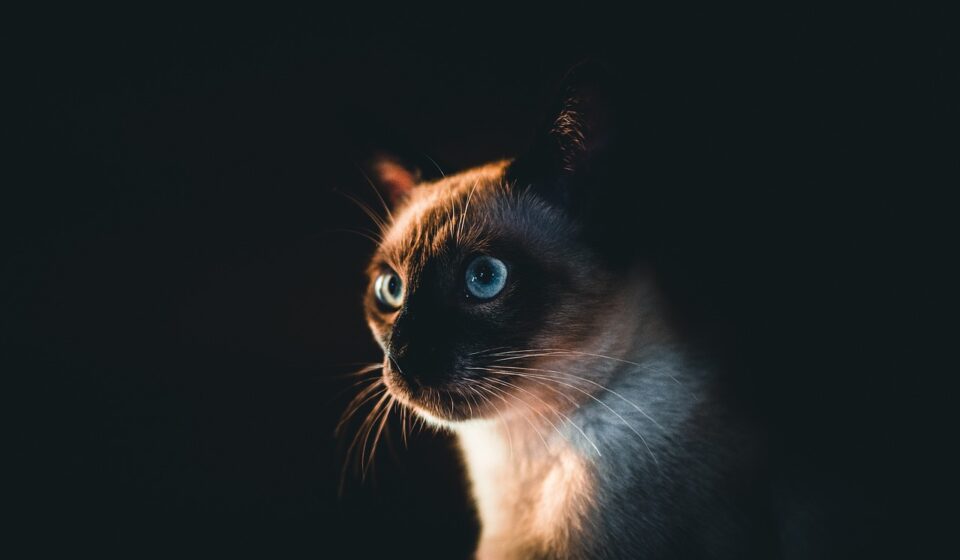
eders aiming for specific aesthetics. The Lionhead breed is known for its characteristic “mane” of fur around its head, resembling a lion’s. When this is combined with the Siamese colour pattern – typically a pale body with darker “points” on the ears, face, paws, and tail – you get a visually stunning rabbit. The Siamese coloration often appears as a Himalayan or Pointed pattern on the Lionhead, creating a beautiful contrast against their fluffy mane. These rabbits often inherit a gentle, curious, and friendly temperament, making them wonderful companions.
Last updated: July 11, 2026
Where to Find Siamese Lionhead Rabbits for Sale
The most crucial step in acquiring any pet is finding a reputable source. When searching for a Siamese Lionhead rabbit for sale, your options generally fall into a few categories. Private breeders are often the best bet for finding specific colorations and breed mixes like this. Look for local rabbit clubs or breed-specific groups online, as they often have classified sections or can point you towards reputable breeders. Animal shelters and rescue organisations are also fantastic places to find rabbits, though you might not always find a specific mix like the Siamese Lionhead readily available. Adopting a rabbit can be incredibly rewarding, giving a deserving animal a second chance.
When browsing online classifieds, be cautious. While some excellent breeders list their rabbits there, so do individuals who may not prioritise health or temperament. Always aim to visit the breeder in person if possible. A responsible breeder will be happy to show you their rabbits and their living conditions. For example, a breeder in Ohio might list their rabbits for $50-$100, while prices in other regions could vary. According to user reports on forums as of 2026, prices for well-bred Lionheads often fall between £40 and £100, with rarecolorur variations potentially commanding higher prices.
Signs of a Healthy Siamese Lionhead Rabbit
Before you bring your new friend home, it’s vital to assess their health. A healthy rabbit will exhibit several key characteristics. Their eyes should be bright, clear, and free from discharge. Their nose should be clean and dry, with no sneezing or sniffling. The fur should be smooth, clean, and free of mats or parasites like fleas or mites. Check their ears for any signs of irritation, dirt, or discharge.
A rabbit’s droppings are also an excellent indicator of health. Healthy rabbit droppings are round, firm, and consistent in size. Diarrhea or unusually small, misshapen droppings can signal digestive issues. According to the American Rabbit Breeders Association (ARBA) guidelines, a rabbit should also have a good appetite and be active, though they may be shy initially. Observe their movement; they should hop easily without limping or appearing stiff. A Siamese Lionhead’s mane should not impede their vision or eating.
Temperament and Socialization: What to Expect
Siamese Lionheads often possess a delightful blend of curiosity and gentleness. The Lionhead breed is known for being good-natured and relatively calm, while the Siamese colour pattern doesn’t typically influence temperament. However, like all rabbits, their individual personality is shaped by genetics and, crucially, by their early socialization. Rabbits that are handled regularly from a young age tend to be more trusting and less fearful.
When meeting potential rabbits for sale, observe their reactions. A well-socialized rabbit might approach you cautiously, twitch its nose, and perhaps even allow a gentle stroke. A very fearful or aggressive rabbit may be best avoided by first-time owners, or require significant patient work. Remember that rabbits are prey animals, and sudden movements or loud noises can startle them. Introducing them to a calm, consistent environment will help them settle in. For instance, many breeders find that rabbits raised in a home environment with regular interaction are more adaptable to family life than those kept solely in outdoor hutches, especially in colder climes.
Creating the Right Home Environment
Providing a safe and comfortable home is paramount. For a Siamese Lionhead rabbit, a spacious enclosure is essential. A hutch or cage should be large enough for the rabbit to stand up fully on its hind legs without its ears touching the top, take at least three hops in any direction, and stretch out completely. Wire-bottom cages can be detrimental to rabbit feet, leading to sore hocks; solid flooring is preferred. Many owners opt for large dog crates or custom-built enclosures. An area of at least 6 feet by 2 feet is a good starting point, but bigger is always better.
Your rabbit’s living space should include:
- A comfortable resting area, such as a small hide box or bed.
- A litter box filled with rabbit-safe litter (paper-based or wood pellets are good choices; avoid clay or clumping litters).
- A heavy ceramic food bowl for pellets and a water bottle or bowl.
- Plenty of hay, which should form the bulk of their diet.
It’s also crucial to rabbit-proof any areas where your pet will roam outside their enclosure. This means securing electrical cords, removing toxic plants, and ensuring they can’t access small spaces where they could get stuck. As of 2026, experts recommend daily supervised out-of-cage time in a secure, rabbit-proofed area for at least a few hours.
Feeding Your Siamese Lionhead Rabbit
A balanced diet is the cornerstone of good rabbit health. For any rabbit breed, including the Siamese Lionhead, the primary component of their diet should be hay. Timothy hay, orchard grass, or oat hay are excellent choices. Unlimited access to fresh hay aids digestion and helps wear down their continuously growing teeth. The House Rabbit Society recommends that hay constitutes 80-90% of a rabbit’s diet.
In addition to hay, you’ll need to provide a small amount of high-quality rabbit pellets daily. Look for pellets that are high in fiber and low in protein and fat. A general guideline is about 1/4 cup of pellets per 5 pounds of body weight per day. Avoid muesli-style mixes, as rabbits tend to pick out the sugary parts and leave the nutritious pellets behind. Fresh, leafy green vegetables should also be offered daily.
Examples include parsley, kale, spinach (in moderation), and romaine lettuce. Introduce new vegetables slowly to avoid digestive upset. Always ensure fresh, clean water is available. According to the RSPCA, a varied diet helps prevent obesity and dental issues, common problems in pet rabbits.
Common Health Concerns to Watch For
While generally hardy, Lionheads, like all rabbits, can be prone to certain health issues. Dental problems are extremely common due to their continuously growing teeth. Overgrown teeth can cause pain, difficulty eating, and abscesses. Regular hay consumption is the best preventative. Another concern is GI stasis, a potentially life-threatening condition where the rabbit’s digestive system slows down or stops. Symptoms include lethargy, loss of appetite, and small or no droppings. This requires immediate veterinary attention.
Other issues to be aware of include respiratory infections, ear mites, and skin conditions. Finding a rabbit-savvy veterinarian is crucial. Not all vets have extensive experience with rabbits, so seek out one who specializes in or has a strong interest in small exotics. Regular health checks can help catch problems early. For instance, the Veterinary Medical Association (VMA) advises annual check-ups for pet rabbits to monitor their health proactively.
Responsible Breeding and Ownership
When you are searching for a Siamese Lionhead rabbit for sale, choose your breeder wisely. A responsible breeder will:
- Be knowledgeable about the breed’s health and temperament.
- Allow you to see the rabbits in their living environment.
- Be transparent about the rabbit’s lineage and any known health issues.
- Provide advice on care and diet.
- Be available for questions even after you take the rabbit home.
Avoid breeders who seem evasive, keep their rabbits in poor conditions, or push you to buy a rabbit without asking questions about your experience. The cost of a well-bred Siamese Lionhead can range from £40 to £100, but the initial purchase price is only a fraction of the lifetime cost of rabbit ownership. Consider ongoing expenses for food, bedding, toys, and veterinary care. Responsible ownership means committing to providing a loving, healthy, and stimulating environment for your pet’s entire lifespan, which can be 8-12 years or more.
Common Mistakes New Owners Make
One of the most common mistakes is underestimating the space rabbits need. A small cage is not sufficient for a rabbit’s physical and mental well-being. Another error is overfeeding pellets and not providing enough hay, leading to obesity and dental issues. Forgetting that rabbits are social animals and not providing enough interaction can lead to loneliness and behavioural problems.
Many new owners also fail to rabbit-proof their homes adequately, leading to chewed cords or ingestible dangers. Finally, not understanding that rabbits are prey animals can lead to improper handling, causing fear and distrust. Always approach your rabbit calmly and gently. If you’re considering a Siamese Lionhead rabbit for sale, remember that consistent, patient care is key to a happy bunny.
Frequently Asked Questions
Are Siamese Lionhead rabbits good for first-time owners?
Yes, Siamese Lionhead rabbits can be excellent pets for first-time owners, provided they are well-socialized and come from a reputable breeder. Their generally calm temperament and unique appearance are very appealing.
What is the average lifespan of a Siamese Lionhead rabbit?
With proper care, a Siamese Lionhead rabbit can live between 8 to 12 years, and sometimes even longer. Consistent diet, a safe environment, and regular veterinary check-ups contribute to their longevity.
How much does a Siamese Lionhead rabbit typically cost?
The price for a Siamese Lionhead rabbit for sale can vary, but typically ranges from £40 to £100, depending on the breeder’s reputation, the rabbit’s lineage, and its coloration.
Do Siamese Lionhead rabbits require special grooming?
Yes, due to their mane, they require regular grooming to prevent matting and tangles. Brushing them a few times a week is recommended, especially during shedding seasons.
Can Siamese Lionhead rabbits live indoors or outdoors?
While they can live outdoors in a suitable enclosure, indoor living is often preferred as it allows for more socialization and protection from extreme weather and predators. Ensure the indoor space is well-rabbit-proofed.
Are Siamese Lionhead rabbits social with other pets?
With careful introductions and supervision, some Siamese Lionheads can coexist with other calm pets like cats or other rabbits. However, always monitor interactions closely, as rabbits are prey animals.
Information current as of July 2026; pricing and product details may change.
Editorial Note: This article was researched and written by the Pet Magazine editorial team. We fact-check our content and update it regularly. For questions or corrections, contact us. Knowing how to address siamese lionhead rabbit for sale early makes the rest of your plan easier to keep on track.
Related read: Pet Frogs: Your 2026 Guide to Choosing and Caring.