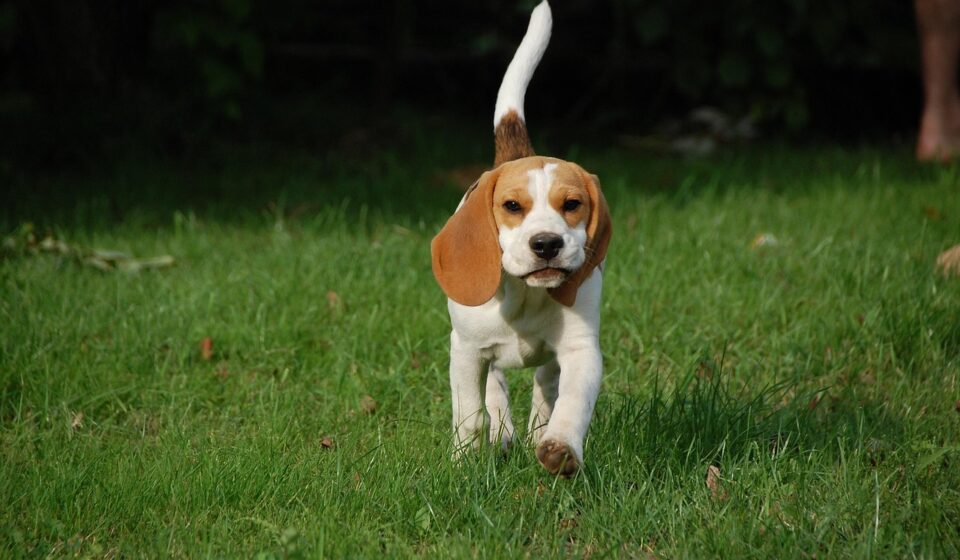
family companions.
This crossbreed isn’t just a random pairing; it’s a deliberate blend that often results in a dog that’s alert, good-natured, and eager to please, though sometimes with a stubborn streak inherited from the Beagle side. If you’re considering bringing a Boggleddddd into your home, understanding their unique characteristics, needs, and potential challenges is key to ensuring a happy and harmonious life together.
Last updated: July 11, 2026
The Boggle’s Roots: A Modern Mix
The precise origin of the Beagle Boxer mix isn’t documented in historical canine records, as is common with many crossbreeds. They emerged more recently, likely in North America, as ‘designer dogs’ gained traction in the late 20th and early 21st centuries. Breeders aimed to combine the desirable traits of both parent breeds, creating a companion dog with a potentially broader gene pool and unique appeal. While not officially recognised by major kennel clubs like the American Kennel Club (AKC) as a distinct breed, the Its owners for its well-lovs boggle individual charm.

What Does a Boggle Look Like?
The appearance of a Beagle Boxer mix can vary significantly, as is typical with first-generation crossbreeds. You might see a dog that leans more towards the Boxer’s sturdy build and jowly face, or one that resembles the Beagle’s more compact frame and longer ears. Generally, Boggles are medium-sized dogs.
Size and Weight: Expect a Boggle to stand between 13 to 20 inches tall at the shoulder and weigh anywhere from 20 to 40 pounds. Some individuals might be larger or smaller depending on the dominant genes from each parent.
Coat and Colour: Their coat is typically short, dense, and relatively easy to care for. Common colours include combinations of white, brown, black, tan, and fawn, often with the distinctive markings seen in either parent breed. Some may have the Boxer’s characteristic ‘Irish tuxedo’ markings or the Beagle’s classic tricolor pattern.
Facial Features: Ears can range from the Boxer’s upright or folded-back ears to the Beagle’s longer, floppy ears. Their eyes are often expressive, conveying a mix of alertness and gentle curiosity. Tail carriage can also vary, often being carried high in a happy wag.
The Boggle’s Dual Nature: Temperament and Personality
The temperament of a Beagle Boxer mix is a fascinating blend. From the Boxer, they inherit a playful energy, a protective instinct, and a deep sense of loyalty. They are often described as being clownish and loving, forming strong bonds with their families. From the Beagle, they gain a curious, scent-driven nature, a generally good-natured disposition, and a friendly approach to people and often other dogs.
Affectionate and Playful: Boggles are known for their affectionate nature and love for play. They thrive on interaction and can be quite goofy, making them entertaining companions. Their playful energy means they often do well in households with children, provided supervision and appropriate socialization occur.
Intelligent but Stubborn: This mix is intelligent, but the Beagle’s independent and occasionally stubborn streak can make training a bit of a challenge. They respond best to positive reinforcement methods, patience, and consistency. Their intelligence means they can learn quickly, but their curiosity, driven by the Beagle’s nose, can sometimes lead them off track.
Alert and Potentially Guarding: The Boxer’s protective instincts can translate into alertness in Boggles. They may bark to alert their owners to newcomers or unusual sounds, making them decent watchdogs. However, they are not typically aggressive and their guarding tendencies can be managed with proper socialization.
Training Your Energetic Boggle
Training a Beagle Boxer mix requires a balanced approach that acknowledges both parent breeds’ traits. Early socialization is crucial, exposing your puppy to various sights, sounds, people, and other animals from a young age. This helps them grow into well-adjusted adults and mitigates potential behavioural issues.
Positive Reinforcement is Key: Boggles respond best to rewards-based training. Use treats, praise, and playtime to encourage good behaviour. Harsh correction or punishment can backfire, leading to fearfulness or increased stubbornness. Keep training sessions short, fun, and engaging to maintain their attention.
Using the Beagle Nose: The Beagle’s powerful sense of smell is a defining trait. You can use this to your advantage in training. Scent games, tracking exercises, and puzzle toys can provide excellent mental stimulation and satisfy their natural instincts. This is far more effective than trying to suppress their sniffing habits.
Consistency is Crucial: Due to the potential for a stubborn streak, consistency in commands and rules is paramount. Ensure all family members are on the same page regarding training methods and expectations. A Boggled will test boundaries, so a firm yet fair approach will yield the best results.
Keeping a Boggle Busy: Exercise Requirements
The Beagle Boxer mix is an energetic dog that requires a significant amount of daily exercise and mental stimulation. If left under-stimulated, they can become bored, leading to destructive behaviours such as chewing, digging, or excessive barking. A minimum of 60–90 minutes of vigorous activity per day is recommended.

Daily Walks and Playtime: Aim for at least two substantial walks a day, incorporating opportunities for them to run and play. A securely fenced yard is ideal for safe off-leash play. Games like fetch, frisbee, or agility exercises can be great ways to expend their energy.
Mental Stimulation: Beyond physical exercise, mental engagement is vital. Puzzle toys, obedience training sessions, and exploring new environments on walks can help keep their sharp minds occupied. Consider enrolling in doggy daycare or hiring a dog walker if you have a particularly demanding schedule.
Scent Work: Given the Beagle’s heritage, incorporating scent work into their routine can be incredibly rewarding and tiring for them. Hide treats around the house or yard for them to find, or explore local ‘nose work’ classes.
Grooming a Boggle: Low Maintenance, High Enthusiasm
One of the perks of the Beagle Boxer mix is their relatively low-maintenance coat. Their short fur doesn’t require frequent professional grooming, but regular attention is still necessary to keep them looking and feeling their best.
Brushing: A weekly brushing with a firm-bristle brush or grooming mitt will help remove loose hair and distribute natural oils, keeping their coat healthy and shiny. This also helps to reduce shedding around the house, which can still be moderate.
Bathing: Boggles typically only need baths when they become particularly dirty or smelly. Use a gentle dog-specific shampoo to avoid irritating their skin. Over-bathing can strip their coat of essential oils.
Ear Cleaning: Beagle ears, being longer and floppier, can be prone to infections. Check their ears weekly for redness, odor, or excessive wax, and clean them gently with a veterinarian-approved ear solution. The Boxer’s ear type is less prone to these issues.
Nail Trimming: Trim their nails every few weeks to prevent overgrowth, which can cause discomfort and affect their gait. Dental hygiene is also important; aim to brush their teeth several times a week with dog-specific toothpaste.
Health Concerns for the Boggle Dog
Like all crossbreeds, Boggles can inherit health conditions common to both parent breeds. While mixed breeds often benefit from hybrid vigor, meaning they can be healthier overall than purebreds due to a wider gene pool, vigilance is still important. Responsible breeding practices and regular veterinary check-ups are crucial.
Common Issues:
- Hip Dysplasia: A common skeletal condition in many dog breeds, including Boxers.
- Allergies: Both Beagles and Boxers can be prone to skin and food allergies.
- Eye Conditions: Such as progressive retinal atrophy (PRA) or cataracts, which can affect Beagles.
- Heart Conditions: Certain heart issues, like aortic stenosis, have been noted in Boxers.
- Bloat (Gastric Dilatation-Volvo): A life-threatening condition more common in deep-chested breeds like the Boxer. Proper feeding practices, such as using slow feeders and avoiding exercise immediately after meals, can help mitigate risk.
Lifespan: The average lifespan for a Beagle Boxer mix is generally between 10 to 15 years, with good care, diet, and regular veterinary attention. This aligns with the typical lifespans of both parent breeds.

Nutrition and Feeding Guide
Feeding your Beagle Boxer mix the right diet is fundamental to their overall health and well-being. As an active breed, they require a balanced diet rich in protein, healthy fats, carbohydrates, vitamins, and minerals. The exact amount and type of food will depend on their age, activity level, and metabolism.
Choosing the Right Food: Opt for high-quality commercial dog food formulated for medium-sized, active breeds. Look for foods with a named meat source as the first ingredient. Avoid foods with excessive fillers, artificial colours, and preservatives. Consulting your veterinarian is always the best way to determine the most suitable diet for your individual dog.
Feeding Schedule: For adult Boggles, feeding two meals a day is generally recommended. Puppies will require more frequent meals, typically three to four times a day, gradually reducing to two as they mature. Avoid free-feeding, as this can lead to obesity. Measure out their food to ensure appropriate portion control.
Treats in Moderation: Treats can be useful for training, but they should be given in moderation to avoid unbalancing their diet or contributing to weight gain. Opt for healthy, low-calorie treat options.
Is a Boggle Dog Right for Your Family?
The Beagle Boxer mix, or Boggle, can make an excellent family pet, but they are best suited for active households that can provide them with ample exercise, training, and companionship. Their playful nature makes them great with children, but it’s essential to teach children how to interact respectfully with dogs, and to supervise interactions, especially with younger children.
For Active Families: If your family enjoys outdoor activities, hiking, or simply spending time playing in the yard, a Boggle will likely be a wonderful companion. They need an outlet for their energy and will thrive with owners who can keep up.
For Experienced Owners: While not overly difficult, their intelligence combined with a potential stubborn streak means they may be more challenging for first-time dog owners. Patience and a consistent training approach are key. Owners should be prepared to commit to regular training and socialization.
Living Arrangements: Boggles can adapt to apartment living if they receive sufficient daily exercise. However, they do best with access to a yard where they can safely run and explore. Their energetic nature means they aren’t ideal for sedentary households or owners who are away for extended periods without arranging for adequate care and exercise.
Common Mistakes When Owning a Boggle Dog
Potential owners often underestimate the energy levels and training needs of a Beagle Boxer mix, leading to common pitfalls. Avoiding these mistakes can ensure a happier life for both you and your dog.
Underestimating Exercise Needs: One of the most frequent errors is not providing enough daily physical and mental stimulation. This leads to destructive behaviour, anxiety, and excessive barking. Ensure you can commit to at least 60–90 minutes of vigorous activity daily.
Inconsistent Training: Due to the mix of traits, a lack of consistency in training can confuse your Boggle and exacerbate any stubbornness. Stick to positive reinforcement and clear, repeated commands from all family members.
Neglecting Socialization: Failing to socialize your Boggle puppy thoroughly can result in timidity or over-excitement around new people or animals. Early and ongoing exposure is vital for a well-rounded dog.
Ignoring Scent Instincts: Trying to completely suppress a Beagle’s natural inclination to follow scents can lead to frustration for both dog and owner. Instead, channel this drive into scent-based games and activities.
Frequently Asked Questions
What is a Beagle Boxer mix commonly called?
The Beagle Boxer mix is most commonly referred to as a Boggle dog. Other less frequent names include Boxel, Bogel, or Beagle Box.
What is the average lifespan of a Boggle dog?
As of July 2026, the average lifespan for a healthy Beagle Boxer mix is typically between 10 to 15 years, depending on genetics, diet, exercise, and overall health care.
Are Boggle dogs good with children?
Yes, Boggles can be excellent family dogs and are generally good with children due to their playful and affectionate nature, provided they are properly socialized and supervised.
How much exercise does a Beagle Boxer mix need daily?
These energetic dogs require a minimum of 60 to 90 minutes of vigorous daily exercise, including walks, playtime, and mental stimulation to prevent boredom and destructive behaviours.
Are Boggle dogs easy to train?
Boggles are intelligent but can be stubborn, inheriting traits from both parent breeds. They respond best to consistent, positive reinforcement training methods, rather than being considered ‘easy’ without effort.
What health problems are common in Beagle Boxer mixes?
Common health concerns include hip dysplasia, allergies, eye conditions inherited from Beagles, and potential heart issues or bloat risks from Boxers.
Do Boggle dogs shed a lot?
Boggle dogs typically have a short, dense coat that sheds moderately year-round. Regular weekly brushing helps manage loose fur and reduce shedding around the home.
Information current as of July 2026; pricing and product details may change.
Editorial Note: This article was researched and written by the Pet Magazine editorial team. We fact-check our content and update it regularly. For questions or corrections, contact us.
Related read: Doberman Pitbull Mix: Understanding the 'Doberpit'.