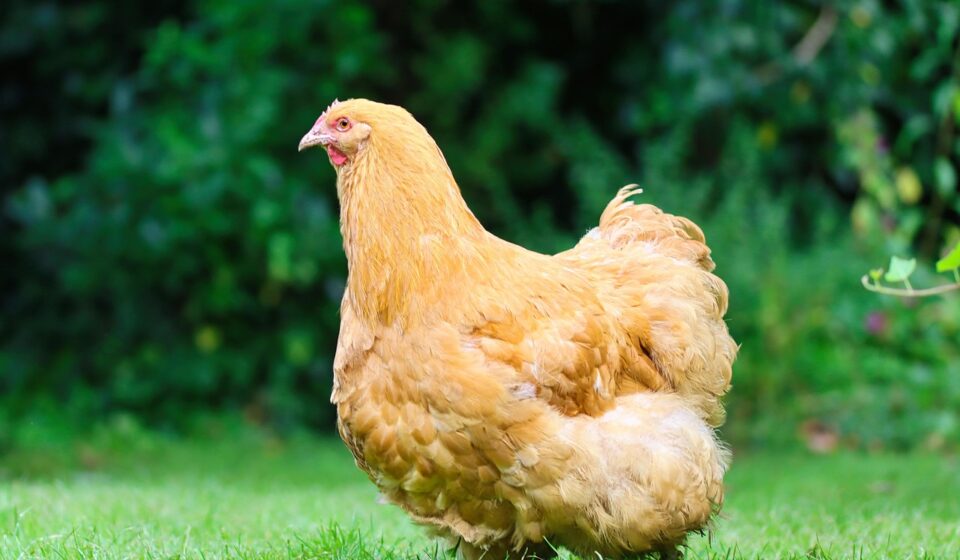
title=”Source: backyardchickens.com”>prone to obesity if overfed.
A Heritage Born of Purpose
The Orpington chicken breed was meticulously developed in the town of Orpington, Kent, England, by William Cook. He introduced the breed to the public in 1886. Cook’s vision was to create a superior utility bird – one that was substantial enough for the table, a good layer of eggs, and hardy enough to withstand the climate. He achieved this by crossing breeds such as the Minorca, Tangshan, and Plymouth Rock, aiming for a bird with good meat conformation and productive laying capabilities. The breed quickly gained popularity for its versatility and appealing appearance, soon becoming a favourite in exhibitions as well as on farms.
Last updated: July 26, 2026
Colour Varieties: A Spectrum of Soft Feathers
While the Buff Orpington is undoubtedly the most iconic and widely recognised, the breed boasts several other officially recognised colour varieties. Each variety shares the same characteristic fluffy, broad body and gentle demeanour. These include:
- Buff: A rich, golden-apricot colour, the signature look for many Orpington enthusiasts.
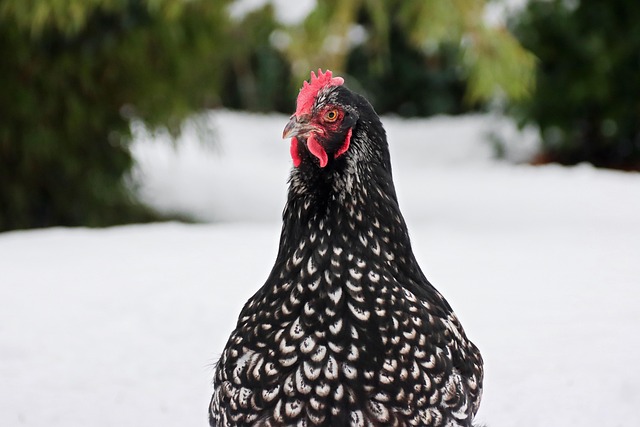
- Black: A deep, lustrous black with beetle-green or purple iridescence.
- White: Pure white plumage, offering a striking contrast to the darker varieties.
- Blue: A soft, slate-blue colour, which can vary in shade.
- Spalding (or Chocolate): A rarer variety with a rich brown hue.
- Lavender: A beautiful, muted lilac or grey colour, increasingly popular among breeders.
- Partridge: Males display a rich, reddish-brown with black striping, while females have a more subdued sandy-brown.
The specific standards for each colour can vary slightly depending on the poultry association, but the overall type – a large, heavily feathered, broad-bodied bird with a small, neat head and bright eyes – remains consistent across all Orpington breeds.
A Temperament of Gold
Orpingtons are celebrated for their exceptionally docile and friendly nature, often described as ‘gentle giants’. They are rarely aggressive, making them an excellent choice for families with children or for those new to keeping chickens. Their calm disposition means they typically get along well with other breeds, provided they are introduced gradually and have enough space. This makes them ideal candidates for mixed-flock environments, where they often become the quiet, non-disruptive backbone of the group.
Their curious but placid nature means they enjoy foraging and interacting with their environment. They are also known to be quite tolerant of being handled, a trait that endears them to backyard keepers who enjoy a closer connection with their birds. While they are large birds, their gentle behaviour means they are unlikely to bully smaller breeds, though supervision is always recommended when introducing new birds to an established flock.
Egg Production: Consistent and Valuable
As a dual-purpose breed, Orpingtons are reliable layers. Hens typically begin laying at around 6–8 months of age. They produce approximately 3 to 4 medium to large brown eggs per week, translating to roughly 150 to 200 eggs per year. While not the highest layers compared to some specialised breeds, their egg output is consistent, and they are known for continuing to lay well into the colder months, a valuable trait for keepers in regions with harsh winters.
And, Orpingtons retain a strong natural instinct for broodiness. This means they are more likely than many other breeds to go ‘clucky’, sit on a clutch of eggs, and hatch them successfully. If you are interested in hatching your own chicks or want a breed that can naturally manage a brood, Orpingtons are an excellent option. Their mothering instincts are usually very strong, making them attentive and capable broodies.
Housing and Care: Space and Comfort
Given their considerable size, Orpingtons require ample space. A minimum of 4 square feet per bird inside the coop and at least 10-15 square feet in their outdoor run is recommended. Their fluffy feathers mean they are well-suited to cooler climates, but they can also tolerate heat if provided with adequate shade and ventilation. Ensure their coop is dry, secure from predators, and features roosting bars sturdy enough to support their weight. Because they are large and tend to be less active than some breeds, they can be prone to obesity if their diet is not managed carefully, so free-ranging or access to a large run is highly beneficial.
When it comes to their diet, Orpington chicks should be fed a high-quality starter feed formulated for their age. As they mature, transitioning to a grower feed and then a layer feed (once they start laying) is essential. Due to their potential for obesity, it’s wise to limit treats and ensure their primary diet is balanced and appropriate. For example, according to the American Poultry Association’s standards, balanced nutrition is key for all heritage breeds to maintain their health and productivity. Providing access to grit and oyster shell (for eggshell strength) is also important.
Health Considerations: Staying Ahead of Issues
Orpington chickens are generally solid and healthy birds, benefiting from their heritage breed status which often confers greater genetic diversity and resilience. However, like all breeds, they are susceptible to certain health concerns, particularly those related to their size and feathering. Their dense plumage can make them prone to external parasites like mites and lice if their environment is not kept clean. Regular checks of their feathers and skin are advisable. Their inclination towards broodiness and their large size can make them more prone to obesity if not managed with a balanced diet and sufficient exercise. This can lead to issues such as bumblefoot or respiratory problems.
Another consideration, especially for breeders, is ensuring that chicks are from healthy parent stock. Reputable breeders and hatcheries will screen their birds for common poultry diseases. For instance, the American Veterinary Medical Association (AVMA) recommends sourcing poultry from flocks that have been tested for diseases like Pullout-Typhoid and Mycoplasma gallisepticum to ensure the health of new additions. Providing a clean living environment, a balanced diet, and prompt treatment for any injuries or illnesses will go a long way in ensuring your Orpingtons live a long and healthy life, often reaching 8 to 10 years or even more with excellent care.
Is the Orpington Breed Right for Your Flock?
The Orpington breed is an excellent choice for a variety of backyard chicken keepers. Their calm and friendly nature makes them ideal for beginners and families. Their substantial size and good egg production offer practical benefits, while their gentle disposition ensures they integrate well into most flocks. They thrive in cooler climates and appreciate space to roam and forage. If you’re looking for a large, gentle, and productive chicken that will be a delightful addition to your homestead, the Orpington is certainly a breed worth considering. Their majestic appearance and placid personalities are sure to win you over.
Frequently Asked Questions
Are Orpington chickens docile and friendly?
Yes, Orpingtons are renowned for their exceptionally docile and friendly temperament. They are rarely aggressive and tolerate handling well, making them ideal for families and novice chicken keepers.
How many eggs do Orpington hens lay annually?
Orpington hens typically lay between 150 to 200 medium to large brown eggs per year, averaging about 3 to 4 eggs per week. They are also known for laying well during colder months.
What is the lifespan of an Orpington chicken?
With proper care, Orpington chickens can live for 8 to 10 years, and some may even live longer. Their longevity is a testament to their solid health as a heritage breed.
Are Orpington chickens good for meat?
Historically, Orpingtons were developed as a dual-purpose breed, meaning they are suitable for both egg production and meat. They are a large breed with good meat conformation, making them a viable option for meat birds.
Do Orpington chickens get along with other birds?
Generally, yes. Their calm and non-aggressive nature means they usually integrate well into mixed flocks. However, always introduce new birds gradually to avoid any territorial disputes.
What health issues are common in Orpingtons?
Orpingtons are generally healthy but can be prone to obesity due to their size and slower activity levels. Keeping their diet balanced and providing adequate space for exercise helps prevent this and related issues like bumblefoot.
Information current as of July 2026; pricing and product details may change. Knowing how to address orpington breeds early makes the rest of your plan easier to keep on track.