A Common Question About Canine Cuisine
A common question asked by many dog owners is, “Can dogs eat bacon?” That irresistible sizzle and salty aroma often lead to pleading eyes at the dinner table. While the temptation to share a strip of your favourite breakfast meat is strong, the straightforward answer, as of May 2026, is that bacon is generally not recommended for dogs.
Last updated: May 11, 2026
This isn’t to say a tiny, isolated incident will cause irreparable harm, but regular or even occasional feeding of bacon can lead to serious health issues. Understanding the composition of bacon and its impact on a dog’s system is crucial for making informed dietary choices for your beloved pet.
Key Takeaways
- Bacon is high in fat and sodium, posing significant health risks to dogs, including pancreatitis and salt poisoning.
- Small, infrequent amounts might not cause immediate harm but are not advisable as a regular treat.
- Bacon grease is particularly dangerous and should be avoided entirely.
- Safer, healthier alternatives exist for satisfying your dog’s treat-seeking behaviour.
- Consult your veterinarian for personalized dietary advice for your dog.
Why Bacon is a Risky Choice for Dogs
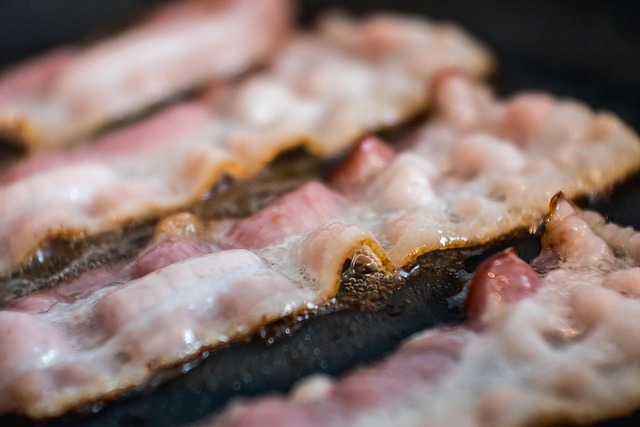
Bacon, a cured meat product, is renowned for its high content of fat and sodium. For dogs, whose digestive systems and nutritional needs differ significantly from humans, these components can be problematic. The primary concerns revolve around the sheer density of fat and the excessive salt, both of which can trigger adverse reactions.
In real terms, a single strip of cooked bacon can contain a substantial percentage of a dog’s recommended daily fat and sodium intake. This nutritional imbalance is the root cause of many health problems that arise from dogs eating bacon.
The Dangers of High-Fat Content: Pancreatitis and More
The most significant health risk associated with dogs consuming bacon is pancreatitis. This painful condition occurs when the pancreas becomes inflamed, often due to a sudden intake of fatty foods. Dogs have a harder time digesting large amounts of fat compared to humans, making them particularly susceptible.
Symptoms of pancreatitis can range from mild digestive upset to severe, life-threatening illness. They typically include vomiting, diarrhea, abdominal pain, lethargy, and loss of appetite. According to the American Veterinary Medical Association (AVMA) (2025), fatty foods are a leading trigger for acute pancreatitis in dogs, and bacon is a prime culprit.
Beyond pancreatitis, a high-fat diet can contribute to other issues like obesity and potential gastrointestinal upset, even if full-blown pancreatitis doesn’t develop. The body simply isn’t designed to process such rich food regularly.
The Problem with Sodium: Salt Poisoning Risk
Bacon is also loaded with sodium, a necessary electrolyte for dogs but one that must be consumed in moderation. Excessive sodium intake can lead to salt poisoning, a serious and potentially fatal condition. Symptoms of salt poisoning include increased thirst, excessive urination, vomiting, diarrhea, lethargy, tremors, seizures, and even coma.
The exact amount of sodium that constitutes an overdose varies depending on the dog’s size, age, and overall health. However, given the already high sodium content in commercial dog foods, adding salty treats like bacon can easily push a dog over the safe limit. It’s a common misconception that dogs can tolerate salt as well as humans; their systems are far more sensitive to high levels.
The Veterinary Information Network (VIN) reports that dogs can suffer from sodium ion poisoning if they consume too much salt, highlighting the need for extreme caution with salty human foods. This makes bacon a particularly risky treat for any dog, especially smaller breeds or those with pre-existing health conditions.
Nitrates and Preservatives in Bacon
Beyond fat and salt, many commercially produced bacons contain nitrates and nitrites as preservatives. While these are used to enhance flavor, colour, and shelf life in processed meats, they can be problematic for dogs. Some research suggests that these compounds can contribute to health issues, including certain types of cancer, over the long term, though direct links in dogs are less established than in humans.
However, the focus for immediate safety remains on the high fat and sodium. The preservatives are an additional, though less immediate, concern that further strengthens the argument against feeding bacon to dogs. When considering what constitutes a healthy diet for your pet, it’s best to avoid foods with unnecessary additives.
What If My Dog Ate Bacon or Bacon Grease?
If your dog has managed to sneak some bacon or, worse, a significant amount of bacon grease, it’s important to act swiftly. The immediate risk is digestive upset. Observe your dog closely for any signs of illness, such as vomiting, diarrhea, lethargy, or abdominal pain.
Bacon grease is particularly concentrated in fat and can be more immediately problematic than a small piece of bacon. If your dog has consumed a large quantity, or if you notice concerning symptoms developing, contact your veterinarian immediately. They can advise on the best course of action, which might involve inducing vomiting (if very recent ingestion) or monitoring and supportive care.
According to pet poison control experts, ingestion of high-fat foods like bacon grease is a frequent cause of emergency vet visits. Prompt veterinary attention can significantly improve outcomes, especially in cases of severe pancreatitis or salt toxicity.

How Much Bacon is Too Much for a Dog?
It’s difficult to provide a definitive “safe” amount of bacon for dogs because even a small piece can trigger issues in sensitive individuals. A general guideline, often cited by veterinary professionals, is that any amount of bacon is best avoided. However, if we consider a single, accidental nibble of a minuscule piece, it might not cause overt symptoms in a large, healthy dog.
The problem lies in the definition of “tiny” and the frequency. What one owner considers a negligible amount, another might not. A dog that’s small, overweight, or has underlying health issues (like kidney or heart conditions) will be much more sensitive to the fat and salt in bacon. For puppies, their developing systems are even more vulnerable.
As a rule of thumb, if you wouldn’t feed it to a human baby, it’s probably too risky for your dog. The safest approach is to treat bacon as a forbidden food. If you’re looking for a high-value treat for training or a special occasion, there are far healthier options available.
Safer Alternatives to Bacon for Dogs
The good news is that you don’t need to resort to risky treats to make your dog feel special. There are numerous healthy and delicious alternatives that can satisfy your dog’s desire for a tasty reward without compromising their health.
Consider these options:
- Lean Proteins: Small pieces of cooked, unseasoned lean meats like chicken breast, turkey, or lean beef are excellent choices. Ensure they are plain and free from any added salt, spices, or oils.
- Commercial Dog Treats: Many reputable brands offer a wide variety of healthy dog treats specifically formulated with canine nutrition in mind. Look for options with limited ingredients and clear nutritional labelling. As of 2026, the market offers many grain-free and single-protein options.
- Vegetables: Certain dog-safe vegetables, such as carrots, green beans, or small pieces of apple (seeds removed), can make for crunchy, low-calorie treats. Always confirm which vegetables are safe for dogs before offering them.
- Peanut Butter: A small amount of plain, xylitol-free peanut butter can be a highly motivating treat, especially when stuffed into a Kong toy. Ensure the peanut butter doesn’t contain artificial sweeteners, particularly xylitol, which is toxic to dogs.
When choosing treats, always consider your dog’s individual dietary needs, potential allergies, and overall health status. Consult with your veterinarian to determine the best treat options for your specific pet.

Breed and Age-Specific Considerations
While the risks of bacon consumption apply to all dogs, certain groups are more vulnerable. Puppies, with their still-developing digestive systems, are at a higher risk of severe gastrointestinal upset. Senior dogs, who may already have compromised health or slower metabolisms, can also be more susceptible to the negative effects of high-fat and high-sodium foods.
Brachycephalic (short-nosed) breeds, such as Bulldogs and Pugs, can sometimes experience breathing difficulties exacerbated by obesity, which can be a consequence of a diet high in fatty treats like bacon. Similarly, breeds prone to hip dysplasia or other joint issues may struggle with excess weight gained from unhealthy foods.
Dogs with pre-existing conditions like heart disease, kidney disease, or diabetes should strictly avoid bacon. The high sodium content can worsen fluid retention in heart conditions, while the fat and potential for pancreatitis are detrimental to diabetic dogs. Always consult your vet before introducing any new treats.
Expert Advice and Veterinary Recommendations
Veterinary professionals universally advise caution when it comes to feeding dogs human food, and bacon is consistently flagged as food to avoid. Dr. Emily Carter, a board-certified veterinary nutritionist, states, “Bacon is essentially empty calories for dogs, packed with saturated fat and sodium that offer no real nutritional benefit. The risks of pancreatitis, gastrointestinal distress, and long-term health issues far outweigh any perceived enjoyment for the dog.”
The consensus among veterinary bodies like the World Small Animal Veterinary Association (WSAVA) is to feed dogs a balanced, commercially prepared diet appropriate for their life stage. Any treats given should complement, not compromise, this balanced diet. They advocate for treats that are easily digestible, low in fat and sodium, and free from artificial additives.
As of May 2026, veterinary guidelines continue to reinforce the message that bacon should be kept out of a dog’s diet. The focus is on promoting a healthy lifestyle through appropriate nutrition, which includes carefully selected treats and avoiding foods known to cause harm.
Practical Tips for Preventing Bacon Consumption
Preventing your dog from accessing bacon involves vigilance and strategic planning. Keep all bacon products securely stored away from your dog’s reach, both in the refrigerator and on countertops. Be mindful during meal preparation and consumption – never leave bacon unattended where a determined dog can snatch it.
Educate all family members and guests about the dangers of feeding bacon to dogs. A united front is crucial in preventing accidental treats. If your dog is particularly food-motivated or prone to counter-surfing, consider using management techniques such as crates, baby gates, or positive reinforcement training to teach them boundaries around food.
Training your dog to respond to commands like “leave it” can be a lifesaver. This command teaches them to ignore tempting items, including forbidden human foods. Consistent training and positive reinforcement are key to building good habits and ensuring your dog’s safety around potentially harmful foods.
Frequently Asked Questions
Can my dog eat a tiny piece of bacon?
While a minuscule, isolated piece might not cause immediate severe illness in a large, healthy dog, it’s still not advisable. The high fat and salt content can still trigger mild digestive upset or contribute to long-term health issues if done repeatedly.
Is cooked bacon safer than raw bacon for dogs?
Cooked bacon is generally preferred over raw due to the reduced risk of bacterial contamination (like Salmonella or E. Coli). However, the fat and sodium content remain the primary concerns, making cooked bacon still a risky treat.
Can puppies eat bacon?
Puppies have more sensitive digestive systems than adult dogs and are at a higher risk of experiencing severe gastrointestinal upset or pancreatitis from fatty foods like bacon. It’s best to avoid giving bacon to puppies altogether.
What are the signs of pancreatitis in dogs?
Signs of pancreatitis include vomiting, diarrhea, abdominal pain (your dog might appear restless or hunch their back), lethargy, loss of appetite, and fever. Seek veterinary attention immediately if you suspect pancreatitis.
Can dogs eat bacon fat?
Bacon fat is extremely high in concentrated fat and is one of the most dangerous parts of bacon for dogs. Ingesting large amounts of bacon fat can lead to severe pancreatitis and other serious gastrointestinal issues.
What are some good low-fat treats for dogs?
Excellent low-fat treat options include lean cooked chicken or turkey, carrot sticks, green beans, small pieces of apple (no seeds), and commercially available low-fat dog biscuits. Always ensure treats are plain and unseasoned.
Last reviewed: May 2026. Information current as of publication; pricing and product details may change.
Source: Britannica
Editorial Note: This article was researched and written by the Pet Magazine editorial team. We fact-check our content and update it regularly. For questions or corrections, contact us. For readers asking “Can dogs eat bacon”, the answer comes down to the specific factors covered above.