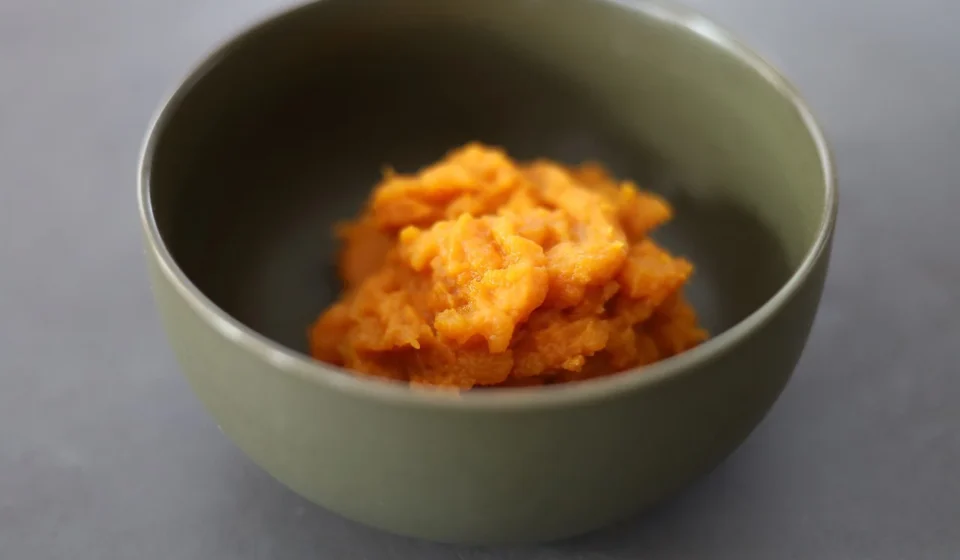
Yes, dogs can safely eat sweet potato. You must cook it plain and serve it in moderation. Raw sweet potato is a choking hazard. It is also difficult for dogs to digest. However, baked, boiled, or steamed sweet potatoes offer dietary fibre, beta-carotene, and essential vitamins. These support canine digestion and overall health.
While sweet potato is a popular ingredient in commercial pet foods and homemade treats, you must never serve it with added butter, oils, salt, spices, or artificial sweeteners. Also, because sweet potatoes are calorie-dense and rich in carbohydrates, they should only make up a minor portion of your dog’s diet. We recommend you treat sweet potato as an occasional dietary topper or treat. It should not be a primary food source.
Is raw sweet potato safe for dogs?
Raw sweet potato is not safe for dogs to eat. In its raw state, the tuber is extremely dense and fibrous. This makes it a severe choking hazard, particularly for small breeds or dogs that swallow food without chewing thoroughly. If a dog swallows raw sweet potato in large pieces, it can cause a physical obstruction in the oesophagus, stomach, or intestinal tract. This may require emergency veterinary surgery to remove.
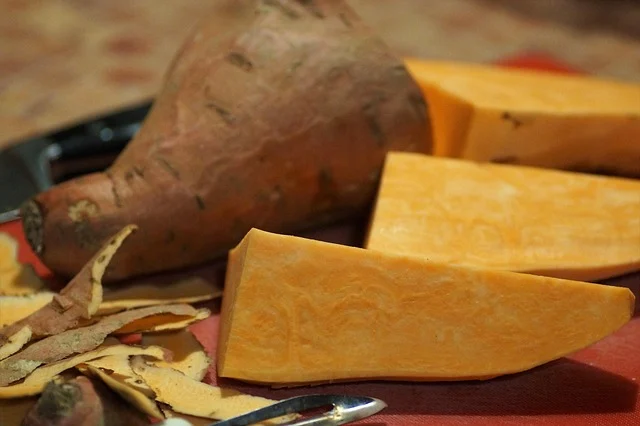
Raw sweet potatoes can block a dog’s gut. The question of “can dogs eat sweet potato” raw points to digestive issues. Dogs cannot easily process them. Their digestive tracts are shorter than humans’. Dogs lack salivary amylase. This enzyme breaks down raw starches. Eating raw sweet potato causes stomach upset. Pain, bloating, gas, and diarrhoea result. Dogs have these digestive differences.
Raw sweet potatoes also contain naturally occurring trypsin inhibitors. These enzymes interfere with protein digestion. They block trypsin, a primary digestive enzyme produced in the pancreas. Cooking sweet potatoes neutralizes these trypsin inhibitors. It breaks down the complex starches into simpler carbohydrates that your dog’s gut can comfortably process.
Nutritional benefits of sweet potatoes for dogs
When you properly cook sweet potato, it provides a nutrient-dense boost to a balanced diet. It is naturally low in fat and packed with dietary fibre. This plays a vital role in maintaining healthy bowel movements. Soluble fibre absorbs water in the digestive tract, helping to firm up loose stools. Insoluble fibre adds bulk to help regulate dogs suffering from mild constipation.
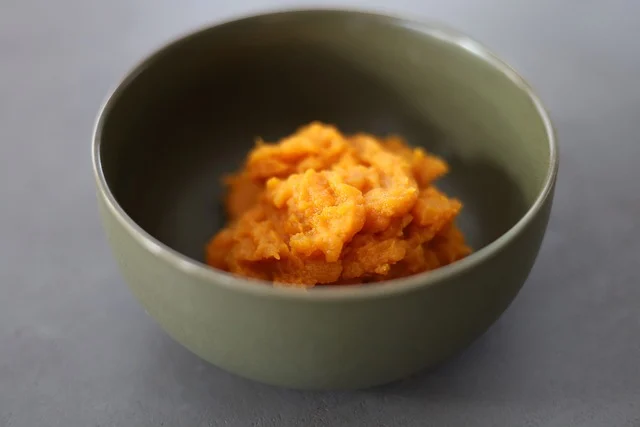
The bright orange colour of sweet potatoes comes from beta-carotene, an antioxidant that the dog’s body converts into vitamin A. Vitamin A is crucial for maintaining clear vision, proper muscle function, healthy skin, and a shiny coat. Sweet potatoes also contain key vitamins and minerals including:
- Vitamin C: An antioxidant that supports immune function and cell repair.
- Vitamin B6: Essential for glucose generation, red blood cell production, and nervous system regulation.
- Potassium: An electrolyte that supports fluid balance, muscle contraction, and nerve function.
- Manganese: A trace mineral necessary for carbohydrate processing and joint cartilage development.
Potential health risks and who should avoid sweet potatoes
Despite its nutritional profile, sweet potato is not suitable for every dog. Understanding the edge cases and specific health risks ensures you do not inadvertently harm your pet.

Dilated Cardiomyopathy (DCM) concerns
In recent years, veterinary cardiologists and the US Food and Drug Administration (FDA) have investigated potential links between canine Dilated Cardiomyopathy (DCM)—a disease of the heart muscle that leads to enlarged heart chambers and heart failure—and diets labelled as ‘grain-free’. These commercial diets often rely heavily on sweet potatoes, potatoes, and legumes (such as lentils and chickpeas) as primary carbohydrate substitutes for traditional grains.
While researchers are still investigating a definitive causal link, evidence suggests that high dietary inclusion of these ingredients may interfere with taurine absorption or other metabolic pathways in certain dogs. You can feed a small piece of cooked sweet potato as an occasional treat. However, we advise against feeding a diet where sweet potato forms a core proportion of daily calories. This is especially true if you are making home-prepared meals without veterinary nutritionist supervision.
Diabetic and overweight dogs
Sweet potatoes have more carbs than leafy greens or pumpkin. Carbs turn to sugar, causing blood glucose spikes. For diabetic dogs, sweet potato complicates blood sugar. The question of “can dogs eat sweet potato” for a diabetic dog is tricky. Its starch density adds to weight gain. This is true if fed regularly to inactive or overweight dogs.
Dogs prone to calcium oxalate bladder stones
Sweet potatoes contain high concentrations of dietary oxalates. When oxalates bind with calcium in the urinary tract, they can form calcium oxalate crystals or bladder stones. Dogs with a history of urinary issues, hypercalciuria, or specific breeds predisposed to bladder stones (such as Miniature Schnauzers, Bichon Frises, and Shih Tzus) should avoid sweet potatoes entirely.
How to cook sweet potato for your dog
Preparing sweet potato for your dog requires absolute simplicity. You must avoid all seasonings, including salt, pepper, garlic powder, onion powder, oils, butter, and brown sugar. Garlic and onion are toxic to dogs. They cause oxidative damage to red blood cells, while oils and butter can trigger acute pancreatitis.

Step-by-step preparation method
- Wash and peel: Thoroughly wash the sweet potato and completely peel away the skin. Sweet potato skin is tough, fibrous, and difficult for dogs to digest, often causing upset or vomiting.
- Remove sprouts: Cut away any green patches or sprouts. These contain higher concentrations of plant compounds that can irritate the stomach.
- Chop into cubes: Slice the sweet potato into small, bite-sized cubes appropriate for your dog’s size (roughly 1 cm cubes for small dogs, 2 cm for larger breeds).
- Cook thoroughly: Steam or boil the cubes in plain water for 15 to 20 minutes until they are soft enough to easily pierce with a fork. Alternatively, you can bake them plain on parchment paper at 190°C (375°F) for 25–30 minutes without oil.
- Cool completely: Allow the sweet potato to cool to room temperature before offering it to your dog. Serving hot food can burn your dog’s mouth and oesophagus.
Portion size guidelines
Use the following guide for daily portion limits of cooked sweet potato:
- Toy and small dogs (under 10 kg): 1 teaspoon to 1 tablespoon per day.
- Medium dogs (10 kg to 25 kg): 1 to 2 tablespoons per day.
- Large dogs (over 25 kg): 2 tablespoons to 1/4 cup (approx. 30–50 grams) per day.
When introducing sweet potato for the first time, offer just half a teaspoon and monitor your dog’s stool and behaviour over the next 24 to 48 hours for any signs of intolerance.
Sweet potato versus pumpkin and white potatoes
Dog owners frequently compare sweet potato to white potato and pumpkin when seeking digestive aids or dietary toppers. Each vegetable serves a different purpose and carries distinct nutritional profiles.

| Vegetable | Fibre Content | Glycaemic Index & Carbs | Key Risks | Best Used For |
|---|---|---|---|---|
| Sweet Potato | High (Soluble & Insoluble) | Moderate to High | High oxalates; calorie dense; grain-free DCM concerns | Occasional energy booster, palate enhancer, low-fat treat |
| Pumpkin (Plain Canned) | Very High (Soluble) | Low | Low risk; excess causes loose stool | Quick relief for mild diarrhoea or constipation; weight loss filler |
| White Potato | Moderate | High | Contains toxic solanine when raw or green; triggers blood sugar spikes | Bland calorie source during recovery (must be fully cooked) |
Unlike sweet potatoes, white potatoes belong to the nightshade family. They contain solanine, a compound toxic to dogs when raw or if the skin is green. While sweet potatoes are not nightshades and do not contain solanine, their higher sugar content makes puréed pumpkin a superior option if your primary goal is aiding sensitive digestion or managing weight.
Sources: Hot dog variations
Frequently asked questions
Can dogs eat sweet potato skins?
No, dogs should not eat sweet potato skins. The skin is tough, highly fibrous, and difficult for a dog’s digestive system to break down, which can lead to vomiting, flatulence, or intestinal discomfort.
Can dogs eat dehydrated sweet potato chews?
Dehydrated sweet potato chews are safe for most dogs as long as they contain no added preservatives, salt, or artificial flavorings. However, because we remove moisture, dehydrated chews are calorie-dense and extremely chewy. Therefore, monitor your dog to prevent choking.
Does sweet potato cause heart disease in dogs?
Sweet potato itself does not directly cause heart disease. However, the FDA has flagged high concentrations of sweet potato in grain-free commercial diets. This happened in ongoing investigations regarding canine Dilated Cardiomyopathy (DCM). Veterinarians generally consider feeding cooked sweet potato as an occasional treat safe.
Can dogs eat sweet potato fries?
Store-bought or restaurant sweet potato fries are not safe for dogs. This is because people fry them in oils and heavily season them with salt, garlic, or onion powder. You can make safe homemade ‘fries’ by baking plain sweet potato strips in the oven without oil or seasoning.