Yes, dogs can get lice. Canine lice are host-specific external parasites that spend their entire life cycle on dogs. This means they cannot survive on humans or spread to family members. If you notice your dog scratching continuously, losing hair, or displaying a dry, scruffy coat, then an infestation of dog lice could be the underlying cause.
While lice are far less common in dogs today than fleas or ticks, they remain a persistent issue in crowded, moist, or rescue environments. Fortunately, eradication is straightforward when you use the correct veterinary-approved parasiticides and environment cleaning protocols.
Can human lice live on dogs, or can dogs get human lice?
Humans cannot give head lice to dogs, and dogs cannot pass their lice to humans. Lice are obligate ectoparasites that are strictly species-specific. The human head louse (Pediculus humanus wapitis) requires human blood and body temperatures to survive. Also, it cannot cling to canine fur or nourish itself on canine tissue.
Similarly, canine lice require the biological environment of a dog. If a dog louse accidentally falls onto a human, it cannot feed or lay eggs. It will quickly perish within 24 to 48 hours. If you or your child has head lice, your dog does not need treatment or isolation. Likewise, if your dog develops lice, you do not need to apply special shampoos to yourself or your children.
Which types of lice infest dogs?
Two distinct species of lice affect dogs, differentiated by how they feed and damage the skin: chewing lice and sucking lice.
Trichodectes canis (chewing louse): This species has a broad, blunt head. Its mouthparts chew skin debris, dander, and tissue scales. They move actively across the skin surface. This causes intense irritation and itching. Trichodectes canis is also notable. It can host the canine tapeworm (Dipylidium caninum). This means a dog that ingests an infected louse can develop a tapeworm infection. This helps answer, can dogs get lice.
Linognathus setosus (sucking louse): This louse has a narrow, pointed head. Its mouthparts pierce skin for blood. They move slower than chewing lice. They prefer thick hair areas. These include the head, neck, and throat flaps. Severe sucking lice infestations cause blood loss. This happens in young puppies or frail senior pets. It can cause anemia. This is an important consideration when asking, “can dogs get lice?”
What are the symptoms of lice in dogs?
The primary symptom of a lice infestation is persistent, severe itching (pruritus). Unlike fleas, which move rapidly and leap between hosts, lice move slowly along hair shafts. They remain close to the skin.

- Constant scratching, biting, or rubbing: Dogs often rub their bodies against furniture, carpets, or walls to relieve discomfort.
- Rough, dry, or matted coat: The hair may look unkempt, dull, or clumped together due to excessive licking and dried skin secretions.
- Patchy hair loss (alopecia): Repeated biting and scratching damage hair follicles. This leads to bald spots, particularly around the neck, ears, shoulders, and groin.
- Visible insects or white specs: Adult lice are small (1.5 to 2.5 mm long), flat, and tan to reddish-brown. Their eggs, known as nits, are white, oval-shaped capsules glued firmly to the base of individual hair shafts.
- Lethargy and pale gums: In heavy infestations of sucking lice (Linognathus setosus), loss of blood can cause anaemia. As a result, this leaves the dog weak with pale pink or white gums.
How to distinguish dog lice from fleas and dandruff
Because scratching and skin flaking occur with many skin conditions, it is important to confirm lice before applying treatment. Lice are often misdiagnosed as severe dandruff or flea bites.

| Feature | Canine Lice | Fleas | Dandruff (Walking Cheyletiella) |
|---|---|---|---|
| Movement | Slow crawling along hair shafts | Fast crawling or jumping | Dandruff is static; Cheyletiella moves slowly |
| Color | Tan, pale brown, or yellow-green | Dark brown to black | White or translucent |
| Attachment | Nits glued firmly to hair shafts | Eggs drop off into environment | Flakes lie loose on skin or comb off easily |
| Flea Dirt Test | Produces no reddish specks on wet tissue | Leaves dark specks that turn red when wet | Does not turn red when wet |
Comb your dog’s fur with a fine-toothed flea comb. Next, wipe residue onto a damp white paper towel. Dark specks that dissolve into reddish rings mean flea dirt. White specks glued to hair shafts are likely louse nits. This helps answer the question of “can dogs get lice”.
How do dogs catch lice?
Lice cannot fly or jump. Therefore, transmission requires direct physical contact between an infected dog and an uninfected dog, or contact with contaminated items (somites).

Common infection routes include direct play at dog parks or daycares, shared bedding in rescue shelters or kennels, and unsterilized grooming tools, such as brushes, clippers, or towels. Stray dogs, neglected animals, and puppies raised in unsanitary environments face the highest risk. Clean, well-cared-for house pets under routine parasite prevention rarely contract lice.
Step-by-step treatment for canine lice
Treating dog lice requires a two-pronged approach: killing the active adult lice on the pet and destroying any eggs before they hatch and restart the cycle.
1. Consult a vet for approved parasiticides
We recommend skipping over-the-counter herbal dips or home remedies like olive oil. They fail to clear egg nits reliably, raising the question of “can dogs get lice” again. Modern monthly spot-on treatments and chewable prescription tablets target fleas and ticks. These are exceptionally effective against lice. Active ingredients such as fipronil, imidacloprid, selamectin, and broad-spectrum oral options (like four-lane or afoxolaner) destroy lice rapidly.
2. Treat all dogs in the household simultaneously
Because lice spread easily between dogs through direct contact, every canine in your home must be treated at the same time. If you only treat the dog showing symptoms, the lice will simply cycle back from untreated pets once the medication wears off.
3. Comb out remaining nits
Topical treatments kill adult lice and new nymphs. Empty nit casings and dead eggs stay on hair shafts. First, use a fine-toothed nit or flea comb. Next, dip it in warm water with dog-safe conditioner. This slides glued eggs off hair. For the topic of can dogs get lice, wash the comb in hot soapy water after each stroke.
4. Sanitize the home environment
Adult lice or shed hairs carrying live nits can re-infect your dog. This addresses the question of whether can dogs get lice again. Wash all dog bedding, crate liners, plush toys, and fabric collars in hot water (at least 60°C). Dry them on high heat. Thoroughly vacuum carpets, rugs, car seats, and soft furniture. Discard the vacuum bag or empty the dust canister outside immediately. Soak grooming brushes and combs in boiling water for 10 minutes.
Common mistakes to avoid when managing dog lice
Several frequent errors can prolong an infestation or endanger your pet’s health:
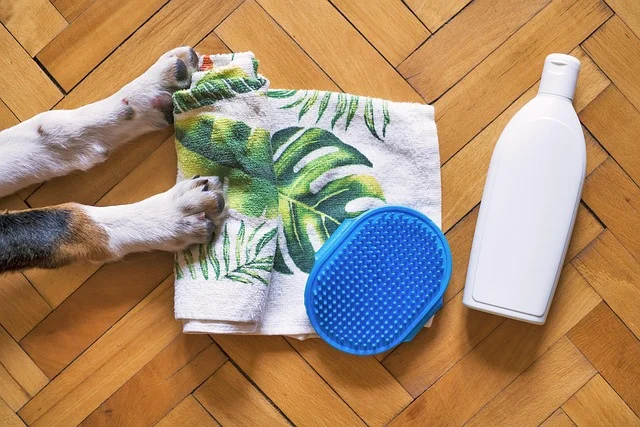
Using human lice treatments on dogs: Never use human head lice shampoos, lotions, or sprays (such as those containing permethrin or dimeticone formulations designed for humans) on a dog. Human preparations can cause severe skin burns, toxic reactions, or fatal poisoning in pets.
Stopping treatment too early: A single treatment application may kill active adults, but eggs glued to hair shafts can hatch 1 to 2 weeks later. Most treatments require a second dose after 14 to 30 days to break the lifecycle entirely. Follow your vet’s instructions on dosing duration.
Treating cats with dog medications: If your home has cats alongside your dogs, ensure the products you use on your dog are strictly kept away from your cat. Many dog parasiticides contain permethrin or fipronil formulations that are highly toxic to felines.
Preventing future lice infestations
Preventing lice relies on consistent hygienic practices and year-round parasite control. Maintain a continuous monthly flea and tick preventive schedule, as these treatments generally stop lice from establishing a foothold. Avoid sharing grooming tools or bedding between unfamiliar dogs, and inspect your pet’s skin promptly whenever they return from kennels, rescue facilities, or group boarding.

If you recently adopted a rescue dog or brought a new puppy home, isolate them briefly and perform a thorough coat check before introducing them to your other pets.
Sources: Dog
Frequently asked questions
Can dogs catch lice from cats?
No, dogs cannot catch lice from cats. Feline lice (Felicola subrostratus) only infest cats and cannot survive or reproduce on dogs, just as dog lice cannot live on cats.
How long can dog lice live off the dog?
Dog lice are obligate parasites that rely on body warmth and host tissue to survive. Once dislodged from a dog, adult lice usually die within 3 to 7 days. Also, unhatched eggs off the host fail to survive under standard room conditions.
Does bathing a dog get rid of lice?
Bathing a dog with standard dog shampoo may drown a few adult lice and remove loose skin flakes, but it will not eliminate the infestation. Lice cling tightly to hair shafts, and their eggs are glued on with water-insoluble proteins that regular shampoos cannot dissolve.