over time.
Seeking Attention and Affection
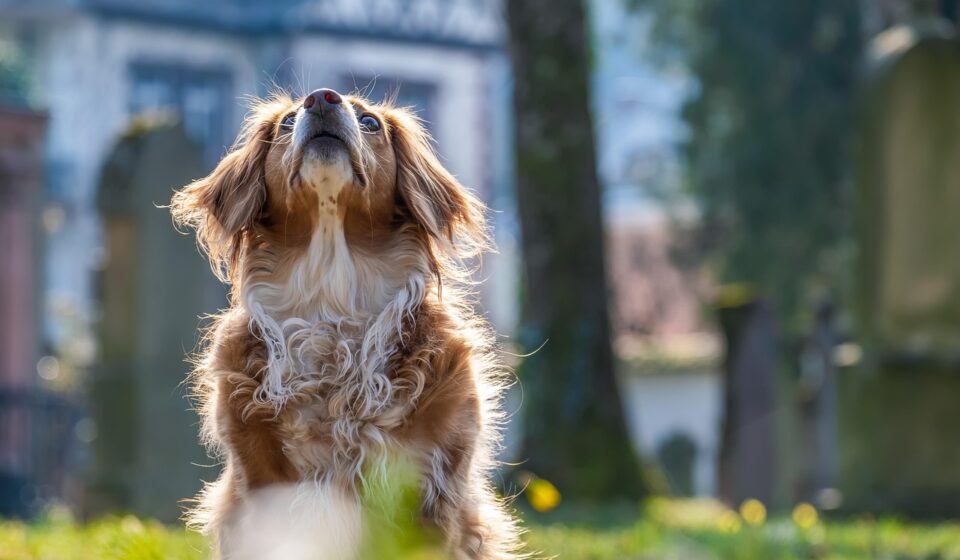
One of the most common reasons your dog looks up at you is simply to get your attention. Dogs are social creatures, and they thrive on interaction with their human families. If you’ve been engrossed in work, reading, or watching television, your dog might feel overlooked and will use that soulful gaze to remind you they’re there.
Last updated: September 3, 2026
This behaviour is often learned. Think about it: when your dog looks up at you, do you often respond with a smile, a pat, or a word? If so, you’ve inadvertently trained them that looking up is an effective way to solicit your positive attention. This isn’t a bad thing; it’s a sign of a strong bond. However, Keep in mind that sometimes this can escalate if the dog learns that looking up is the only way to get attention, which might lead to them feeling ignored otherwise.

The specific type of attention can vary. It might be a desire for a cuddle on the sofa, a request for a belly rub, or simply for you to acknowledge their presence. The context of your interaction – your body language, the time of day, and your general routine – will often provide clues as to whether they’re seeking a quick ear scratch or a longer play session.
Anticipation and Training Cues
Does your dog’s head snap up the moment you reach for the treat pouch or utter a specific command? This is a classic example of anticipation, a key component of operant conditioning. When dogs associate a particular action or word with a positive outcome (like a tasty reward or praise), they learn to look up in expectation.
During training sessions, dogs are constantly scanning their handlers for cues. A dog looking up at you while you hold a treat or prepare to give a command is actively engaged. They’re trying to decipher what you want them to do next. This focused gaze is a sign that they’re paying attention and ready to learn. According to the American Kennel Club (AKC) (2023), consistent positive reinforcement, which involves rewarding desired behaviours, strongly encourages this attentive behaviour.
The wrinkle here is that this anticipation can sometimes become a distraction if the dog is too eager. A dog constantly looking up for a treat might struggle to focus on performing the actual task. It’s a delicate balance between motivating them with rewards and ensuring they understand the action required. You can often tell the difference by their posture: a relaxed, attentive gaze is different from a tense, vibrating anticipation.
Understanding Commands and Requests
Your dog looks up at you when you speak because they’re trying to understand you. While they don’t grasp human language in the same way we do, dogs are incredibly adept at interpreting tone of voice, body language, and specific vocal cues they’ve learned. When you give a command, they often look up to gauge your intent.
A dog looking up for a command like “sit” or “stay” is a testament to their learning process. They might be trying to read your facial expression, your hand gestures, or simply waiting for the familiar sound of the word they associate with an action. This is why consistency in your commands and tone is so important. If your tone is questioning, they might look up with a confused expression, trying to figure out what you mean.
Beyond formal commands, dogs can also learn to associate certain sounds or tones with specific requests. For instance, if you often say “Walkies?” in an excited tone and then grab the lead, your dog will likely perk up and look at you expectantly at the mere mention of the word, or even the sound of you reaching for the lead. It’s a beautiful example of the communication bridge built between humans and dogs.
Seeking Reassurance and Comfort
In unfamiliar or slightly stressful situations, a dog looking up at you is often seeking reassurance. If you’re in a new place, meeting new people, or during a thunderstorm, your dog might turn to you for a sense of security. Your calm presence and reassuring words can help them feel safer.
This behaviour is particularly common in puppies and younger dogs who are still learning to handle the world and rely heavily on their owners for guidance. However, even mature dogs will look to their humans for comfort when they feel uncertain or anxious. According to the Veterinary Information Network (VIN) (2024), a dog’s ability to seek comfort from their owner is a vital part of managing stress and building resilience.
Consider a scenario where you’re walking your dog and encounter another dog. If your dog seems a little hesitant or unsure how to react, they might look back at you. This glance is a request for guidance. Are you tense? Are you relaxed? Your reaction directly influences theirs. Offering a calm, reassuring word or a gentle stroke can help them feel more confident in navigating the social encounter.
The Role of Body Language
It’s crucial to remember that a dog looking up is just one piece of the puzzle. To truly understand their message, you need to consider their entire body language. Are their ears perked forward or flattened back? Is their tail wagging loosely or stiffly? Is their body relaxed or tense?
For instance, a dog looking up with wide, dilated pupils, a tense body, and a tucked tail might be scared or anxious. They’re not looking for a treat; they’re looking to you for protection. On the other hand, a dog looking up with a relaxed posture, a soft gaze, and a gently wagging tail is likely happy, engaged, and seeking positive interaction. The AKC (2023) emphasizes that interpreting canine behaviour requires a complete approach, integrating vocalizations, posture, tail wags, and facial expressions.
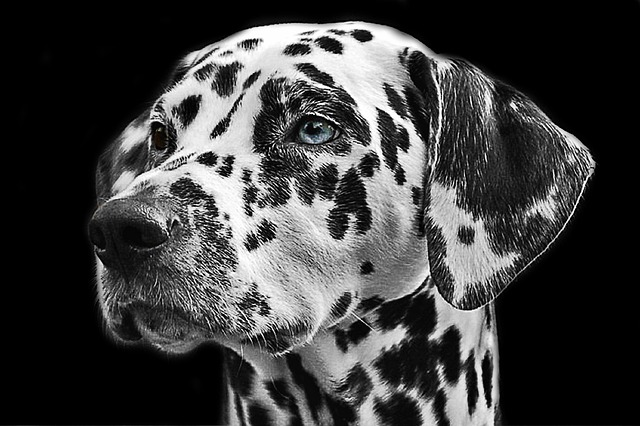
If your dog is looking up at you after you’ve given a command, but their body is stiff and their tail is held high, they might be experiencing some performance anxiety or confusion about the command, rather than eager compliance. Paying attention to these subtle cues will prevent you from misinterpreting their needs.
How to Respond to Your Dog Looking Up
The best way to respond depends entirely on the context and your dog’s overall body language. If your dog is looking up for attention and you’re able to give it, a brief interaction like a pat or a few words can reinforce your bond. However, if you’re busy, it’s important to teach them that looking up doesn’t always result in immediate attention. You might redirect them to a favourite toy or a chew, or simply ignore the behaviour for a short period until they disengage and then reward them for that. This teaches them patience.
If your dog is looking up during training, ensure you’re providing clear, consistent cues and rewarding correct responses promptly. If they seem confused, break down the command into smaller steps or try a different approach. You don’t want them to associate training with frustration.
For reassurance-seeking looks, offer calm, confident support. Speak in a soft, soothing tone and offer gentle petting. If the behaviour stems from a specific phobia (like fireworks or loud noises), consult with a veterinarian or a certified professional dog trainer for strategies to help your dog cope. According to the American Veterinary Medical Association (AVMA) (2024), early intervention and consistent management are key for addressing anxiety-related behaviours.
Common Misinterpretations and What to Watch For
One of the most common misinterpretations is assuming that every pleading look means your dog is hungry or wants a treat. While this is often true, especially around meal times or when you’re eating, it’s not always the case. Dogs are masters at learning routines and associating specific times or actions with food.
Another pitfall is assuming all upward gazes are requests for interaction. A dog might look up at you to gauge your reaction to something else. For example, if a strange noise occurs, they might look at you to see if you’re concerned, which then informs their own reaction. They are constantly assessing their environment and your role as a protector and leader.
It’s also important to be aware of potential learned helplessness. If a dog is always looked after and never given the chance to problem-solve, they might constantly look to you for direction even when they could figure something out themselves. Encouraging independence within safe boundaries is healthy for your dog’s confidence.
Expert Insights on Canine Gazing
Canine behaviorists widely agree that the human-dog bond is strengthened by mutual understanding of non-verbal cues. Dr. Stanley Coren, a renowned canine psychologist, has extensively researched dog cognition and communication. In his work, he highlights how dogs have evolved to use eye contact with humans more than they do with other dogs, often to elicit care and attention – behaviorur that has been selectively bred for over thousands of years. This suggests our dogs are hardwired to look up at us.
The directed gaze is a sophisticated communication tool. It can signal a dog’s emotional state, their intent, and their desire to interact or receive guidance. When you make eye contact with your dog, a mutual release of oxytocin, the “love hormone,” occurs in both of you, further cementing your bond. This is why consistent, positive interactions involving eye contact are so beneficial for both dog and owner.
The key is to move beyond simply observing the look and to start interpreting it within the broader context of your dog’s overall demeanour and your shared environment. This nuanced understanding is what separates a good pet owner from a truly exceptional one.
Frequently Asked Questions
Why does my dog stare at me while I eat?
Your dog is likely looking up because they associate your eating with potential food rewards. They’ve learned that when you eat, there’s a chance you might share, especially if this behaviour has been reinforced in the past.
What does it mean if my dog looks up with wide eyes?
Wide eyes, often referred to as “whale eye,” can indicate anxiety, stress, or fear. If your dog’s pupils are dilated and their whites are showing, they might be feeling overwhelmed or threatened by something in their environment.
Should I make eye contact with my dog when they look up?
Yes, often making eye contact is part of the communication. However, prolonged, hard stares can be perceived as a challenge by some dogs. A soft, warm gaze combined with a relaxed posture and gentle words is usually best for reinforcing your bond.
My dog looks up at me when I’m training. Is that good?
Generally, yes. A dog looking up during training shows they are engaged, attentive, and trying to understand your cues. It means they are focused on you and ready to respond to your direction.
Can my dog be looking up for reassurance in a new place?
Absolutely. In unfamiliar environments, dogs often look to their owners for cues on how to react. This upward gaze is a way of checking in, seeking comfort, and confirming that their primary caregiver is safe and in control.
When should I worry about my dog looking up at me?
You should be concerned if the upward gaze is accompanied by signs of distress, such as panting, trembling, tucked tail, pinned-back ears, or avoidance. This indicates anxiety or fear, not just a simple request.
How can I stop my dog from constantly looking up for food?
Ignore the begging behaviour consistently. Don’t give food from your plate when they look up. Instead, feed them their own meals at scheduled times. Reward them with praise or a treat after they disengage from begging and engage in a calm behaviour.
Connecting Deeper with Your Canine Companion
Ultimately, your dog looking up at you is a rich signal, a testament to the deep connection you share. By learning to read their body language, understanding the context, and responding appropriately, you can move beyond simply interpreting a look to truly understanding your dog’s needs and desires. This enhanced communication fosters a stronger, more trusting, and more joyful relationship for both of you.
My advice is to make a conscious effort to observe your dog’s gaze in different situations. Note what else is happening around them, and how their body language supports or contradicts the message of their eyes. This mindful approach will unlock a deeper level of understanding and partnership with your beloved pet.
Information current as of September 2026; pricing and product details may change.
Source: Britannica.
Related Articles
- How Often Do Puppies Poop? A Vet-Approved Guide
- Dogs and Kayaks: The Guide to Paddling with Your Pooch
- Betta Fish: Your Guide to Happy, Healthy Fin Friends